
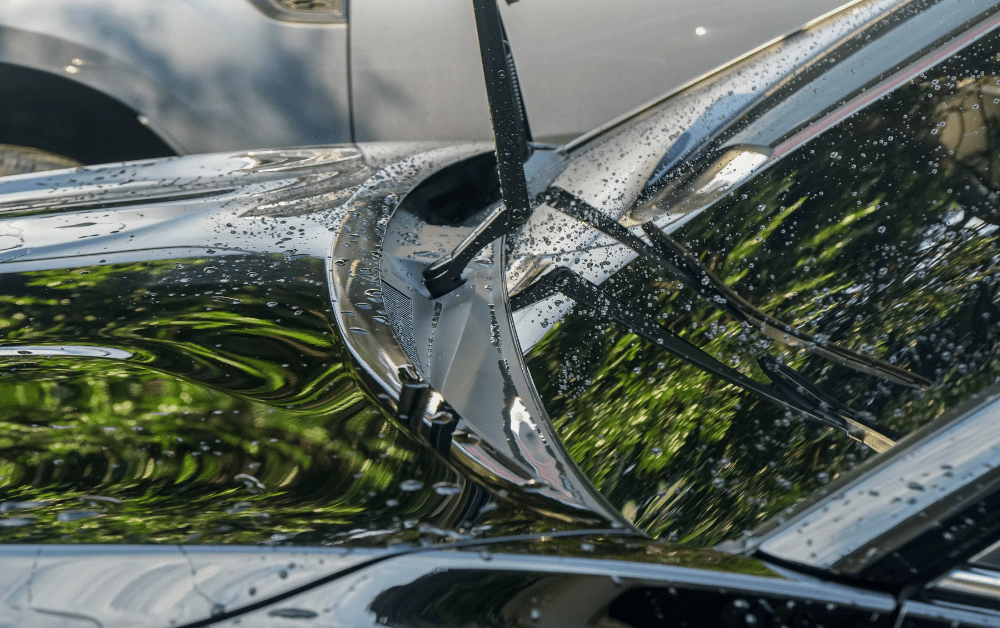
When a windshield cracks after an accident, most people think only of visibility and appearance, but beneath that shattered surface lies something far more vital—your health. A damaged windshield alters the way light enters your car, affects air circulation, and even changes how your body responds to road vibrations. Over time, these subtle shifts can lead to headaches, eye strain, fatigue, and exposure to airborne pollutants that seep through the cracks. By replacing your windshield, you’re not just restoring your car’s structure—you’re restoring your body’s balance behind the wheel. Clean air, clear sight, and calm nerves come together in one simple fix that keeps you both safe and sound. Driving should feel like a steady breath, not a struggle, and a fresh windshield is where that comfort begins.
Breathing Easier Begins with a Clear Windshield
A cracked windshield does more than compromise visibility—it disrupts the delicate balance of air circulating inside your vehicle. Tiny fractures and gaps allow dust, exhaust fumes, and microscopic debris to seep through, gradually lowering the air quality in your cabin. Over time, this invisible intrusion can trigger allergies, respiratory discomfort, or even headaches, especially during heavy traffic or hot weather. When you replace your windshield, you restore that protective seal, ensuring your lungs receive clean, filtered air every time you drive. Breathing becomes easier, the atmosphere lighter, and your daily commute transforms from a source of stress into a space of quiet renewal.
Beyond air purity, clarity plays a profound role in overall comfort. Damaged glass refracts sunlight unpredictably, scattering glare into your eyes and straining your vision. The more your eyes fight to focus, the more your body tenses in response, creating fatigue without you realizing it. Installing a new windshield brings back visual balance—sunlight filters evenly, shadows appear softer, and long drives feel calmer. You experience less eye strain, better concentration, and a tangible sense of serenity. In that subtle interplay of clean air and clear vision, your well-being begins to breathe again—smoothly, effortlessly, as it should.
The Hidden Link Between Glass Damage and Stress
It’s surprising how much a damaged windshield can influence your emotional landscape. Each crack, chip, or webbed line silently echoes the memory of the accident, reinforcing feelings of unease. That visual cue lingers in your subconscious, feeding small doses of tension each time you glance forward. You may not even notice how your mind associates driving with anxiety, uneasiness, or fatigue. The longer the damage remains, the stronger that link becomes. Replacing your windshield interrupts that cycle, acting as a psychological reset. The fresh glass restores a sense of safety, offering visual closure to what was once a source of distress.
But the impact goes deeper than symbolism—it’s about emotional release. A pristine windshield brings back transparency, literally and figuratively. The view ahead becomes unobstructed, a metaphor for clarity and forward motion. That physical transformation influences the way you feel: lighter, more in control, and ready to move past the tension of the incident. Driving evolves from a reminder of what happened to a symbol of resilience. What seems like a routine repair quietly nurtures emotional healing, helping you rebuild calm and confidence behind the wheel. In this sense, windshield replacement becomes a mindful act of recovery, restoring not just your view, but your peace.
Protecting Your Spine Through Proper Windshield Support
The strength of your car’s structure depends heavily on your windshield, a fact many drivers overlook. When cracks form, even minor ones, they weaken that vital framework. The car’s balance shifts slightly, and the once-stable cabin begins to vibrate differently. Over time, these subtle shifts in motion travel through your seat and steering column, placing uneven strain on your neck, shoulders, and spine. Long drives become tiring, posture deteriorates, and discomfort creeps in without warning. What begins as a simple crack can evolve into chronic back tension caused by repeated micro-movements your body constantly compensates for.
By replacing the windshield, you’re reestablishing the integrity of your vehicle’s core support. The reinforced glass absorbs and distributes road vibrations evenly, creating smoother motion and relieving stress on your muscles. You’ll notice yourself sitting straighter, breathing deeper, and arriving at destinations with less fatigue. This balance between mechanical structure and human comfort is delicate but essential. When your car moves as it was designed to, your body follows naturally—aligned, steady, and relaxed. A new windshield may seem like a practical fix, but it’s also an ergonomic investment in your daily comfort, protecting your spine and preserving your physical harmony mile after mile.
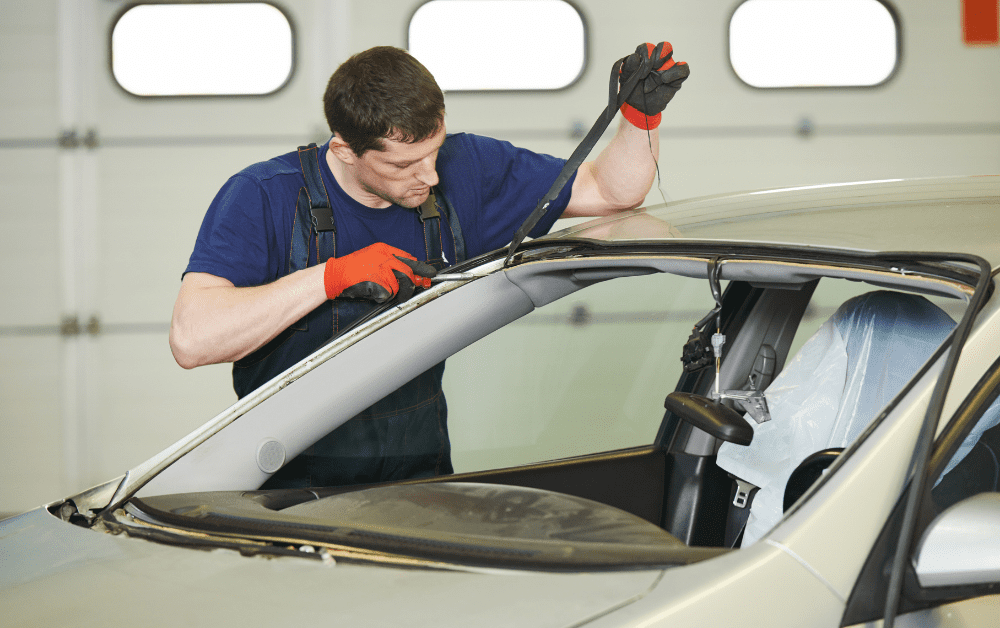
Light, Vision, and the Wellness Connection
Few realize how deeply light affects mental and physical balance. A cracked windshield doesn’t just distort your view—it scatters light unpredictably, creating glare that forces your eyes to constantly adjust. This irregular brightness wears down your focus, leading to eye strain, headaches, and eventual fatigue. During long drives, this becomes especially taxing, as your mind must continuously compensate for the distorted vision. It’s not just uncomfortable—it’s draining, both mentally and physically. Each drive becomes an exercise in endurance rather than ease, and that constant strain can subtly erode your sense of relaxation behind the wheel.
Replacing your windshield changes everything. New, flawless glass allows light to flow cleanly and evenly, restoring harmony between your eyes and your surroundings. The difference is instantly noticeable: glare diminishes, colors sharpen, and your gaze relaxes. With less visual distortion, your body follows suit—muscles loosen, breathing steadies, and fatigue lessens. The shift feels almost atmospheric, like the air itself has cleared. This equilibrium promotes mindfulness on the road, where focus meets calm. In essence, a clear windshield does more than restore visibility—it enhances your sensory experience, blending safety and wellness into one seamless act of renewal.
The Role of Temperature Control in Passenger Health
Few people realize how deeply windshield integrity affects their comfort and immunity. Even hairline cracks create invisible pathways for air leaks, letting warmth escape during winter and cold drafts seep in during summer. This inconsistency forces your body to adapt constantly, straining your immune system and triggering fatigue or sinus irritation. The cabin’s temperature swings become unpredictable, turning every trip into a low-level battle against discomfort. Your car’s heating and cooling systems work harder to compensate, but they can’t achieve uniform balance while the windshield remains compromised.
Installing a new windshield restores insulation and equilibrium. The air inside stabilizes, keeping warmth in when you need it and deflecting external heat when the sun bears down. A balanced internal climate supports your body’s natural regulation, preventing stress responses and maintaining steady energy levels. Over time, this consistency promotes better health—fewer colds, less dryness, more comfort. You may not notice it consciously, but your body does. By sealing your car properly again, you protect yourself from invisible daily stressors, turning your drive into a smoother, healthier space rather than a shifting zone of discomfort.
The Unseen Health Hazards of Delaying Replacement
Leaving a damaged windshield unrepaired is more than an inconvenience—it’s a growing health risk. Moisture trapped between the cracks becomes a breeding ground for mold spores, which can trigger allergies and respiratory problems. Sunlight magnifies this issue, creating a warm, damp environment perfect for bacterial growth.
Replacing your windshield halts this microscopic invasion. It restores a sealed, sterile barrier between you and the elements. Breathing clean air during every drive isn’t just a comfort—it’s prevention. The sooner you act, the better your body will thank you.
Boosting Mental Clarity Behind the Wheel
Clarity on the road has a way of influencing clarity in thought. A flawless windshield eliminates visual noise, allowing your mind to focus more naturally. This calm attentiveness enhances your reaction times and cognitive processing, indirectly reducing accident risks.
Driving should feel fluid, not fragmented. When your vision is clean, your brain processes patterns more efficiently—you sense danger sooner, navigate smoother, and remain mentally grounded. Windshield replacement, then, is not just about seeing better—it’s about thinking better. The road becomes a place of focus, not fatigue.
Reducing Noise Pollution and Fatigue
Cracked glass can’t seal out the roar of engines or the hiss of wind. That constant noise creeps into your subconscious, wearing down your nerves and concentration. Over time, it’s exhausting. A replaced windshield tightens your car’s acoustic integrity, dampening noise and returning tranquility to your drives.
With reduced ambient stress, your heart rate steadies, and fatigue fades. It’s a subtle but vital improvement that enhances both safety and serenity. When silence returns to your commute, you’ll realize how deeply noise affects your mood and energy.
Safeguarding Against Airborne Allergens
Pollen, dust, and industrial residue can enter through windshield cracks, lingering in ventilation systems long after you think they’re gone. These irritants don’t just trigger sneezes—they can lead to chronic inflammation in sensitive passengers.
By installing a new windshield, you reestablish an airtight seal that keeps allergens where they belong—outside. It’s a quiet victory for your respiratory health. The air you breathe while driving becomes lighter, fresher, and far more forgiving on your system. In every inhale, you’ll feel the difference between damage and renewal.
Reclaiming Safety as a Form of Self-Care
Replacing your windshield after an accident is more than a mechanical fix—it’s a declaration of self-respect. When you take the step to restore your vehicle, you’re protecting your body, mind, and peace of mind in one decisive act. The new glass becomes a shield against the chaos of the past and the unpredictability of the road ahead.
It’s a kind of care that transcends routine maintenance. Your car becomes once again an extension of comfort, not concern. The investment pays off not only in safety but in how you feel every time you take the wheel—a sense of renewal that no quick patch or repair can offer.
Conclusion
Replacing your windshield after an accident isn’t simply about aesthetics or safety—it’s a health decision that improves air quality, mental focus, posture, and peace of mind. When you’re ready to restore clarity and confidence, trust Vista Glass Marana. They’re located in Marana and can be reached at 520-999-2659 or CSR@vistaglass.com. Each replacement is more than just glass—it’s a return to balance, comfort, and wellness on every road ahead.