
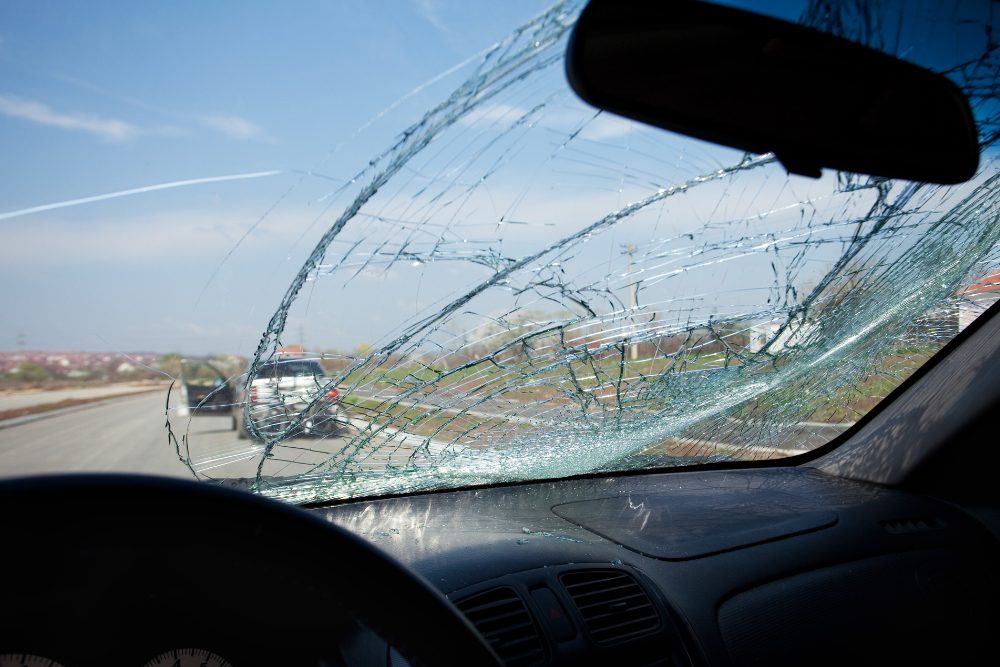
A brand-new windshield deserves more than casual care—it needs awareness, patience, and the right environment to cure properly. Many car owners overlook one simple yet crucial mistake after replacement: parking beneath trees. Though it might seem harmless, shade from branches hides a cluster of potential hazards that can sabotage the bonding process and clarity of your new glass. From falling sap to sneaky debris, nature has its way of interfering with freshly installed windshields. Understanding why this spot is risky helps ensure your investment lasts. Every decision in those first few days matters—the surface tension of adhesive, the gradual curing under temperature shifts, even how airborne particles settle. Choosing open, controlled parking spaces might just be the invisible protection your windshield needs. Let’s explore the subtle dangers of parking under trees and how a little mindfulness can preserve both safety and shine.
Hidden Enemies Above Your Car
Tree branches may look harmless, but they conceal threats invisible to most drivers. Fresh sap drips cling to the surface and harden under sunlight, creating blemishes that distort visibility. Small twigs, pollen, and dust settle quietly on your new glass, embedding into the seal where moisture gathers. Over time, that mix forms a thin grime layer that compromises adhesive strength and clarity. Birds often add their own “decoration,” which contains acids that can stain and etch the surface. A newly installed windshield is particularly vulnerable; its adhesive still adjusts to temperature and pressure changes. Parking beneath trees invites unnecessary exposure that accelerates wear and reduces transparency. The environment might look calm, but even gentle branches shifting in the wind can graze the edges or send debris tumbling. Protecting your windshield means steering clear of these hidden natural hazards.
The Unseen Cost of Tree Sap
What appears as a few sticky spots can quickly become a nightmare for new glass. Tree sap behaves like glue, bonding with the surface at a molecular level. When it hardens, removing it demands scraping or harsh solvents that can weaken the freshly cured adhesive. Even if you wipe it early, the residue often smears, leaving thin oily films that refract sunlight and distort visibility. This problem worsens when the windshield is still settling; the chemical balance of the adhesive reacts poorly to foreign compounds. As a result, micro-discolorations and streaks emerge that no polish can truly erase. The cost of ignoring sap damage is often a return trip to a repair shop for buffing or sealing touch-ups. By avoiding tree shade entirely, you skip an avoidable chain of inconvenience and expense that can dull your windshield’s perfect start.
Moisture Traps That Damage the Seal
Rain and morning dew might feel refreshing, but under dense tree cover, moisture lingers far longer than you’d expect. This trapped humidity seeps into the fine edges of your newly replaced windshield, where the urethane adhesive is still curing. Constant dampness slows the bonding process, allowing microbubbles to form between glass and frame. Those bubbles weaken structural integrity and create pockets where dirt accumulates. In time, this leads to foggy edges or minor leaks that worsen during hot-cold cycles. Parking in open areas allows air circulation and natural drying, which is crucial for curing balance. The idea of “shelter” beneath branches might seem protective, but in reality, it’s a humid cocoon where your windshield never fully hardens as intended. Moisture is the silent saboteur of a strong, clear bond—keep it away if you want lasting clarity.
Temperature Fluctuations Beneath the Canopy
Many assume shade regulates temperature, but under a tree canopy, heat and cold play a tricky game. Leaves trap warm air, while sudden sunlight gaps create abrupt contrasts across the glass. This uneven heating stresses the surface, especially when the adhesive beneath is fresh and flexible. The result is subtle warping or uneven curing that may not show instantly but shortens long-term durability. Worse still, branches often block airflow, causing the interior of your car to heat unevenly when parked for hours. These shifting temperatures push and pull on the windshield edges, testing their grip before they’ve fully bonded. Opting for open-air parking allows for more consistent temperature distribution. Freshly installed glass thrives in environments with balance—not erratic warmth and cold battling through a green filter overhead.
Bird Droppings and Chemical Corrosion
Few drivers realize how corrosive bird droppings can be. Packed with uric acid, they react instantly with sunlight, etching into glass like a mild acid wash. On a new windshield, this effect is intensified because the curing adhesive hasn’t fully formed a defensive layer. When droppings land near the edges or slip into seams, they alter the pH balance around the sealant, potentially interrupting its bond. Wiping them off immediately isn’t always an option—often, they dry and demand scrubbing, which risks scratching your pristine surface. A single splatter might not ruin the glass, but a few days of exposure can create discoloration impossible to polish out. Avoiding tree-covered areas removes this hazard completely, preserving not only the view through your windshield but the invisible chemistry that holds it securely in place.
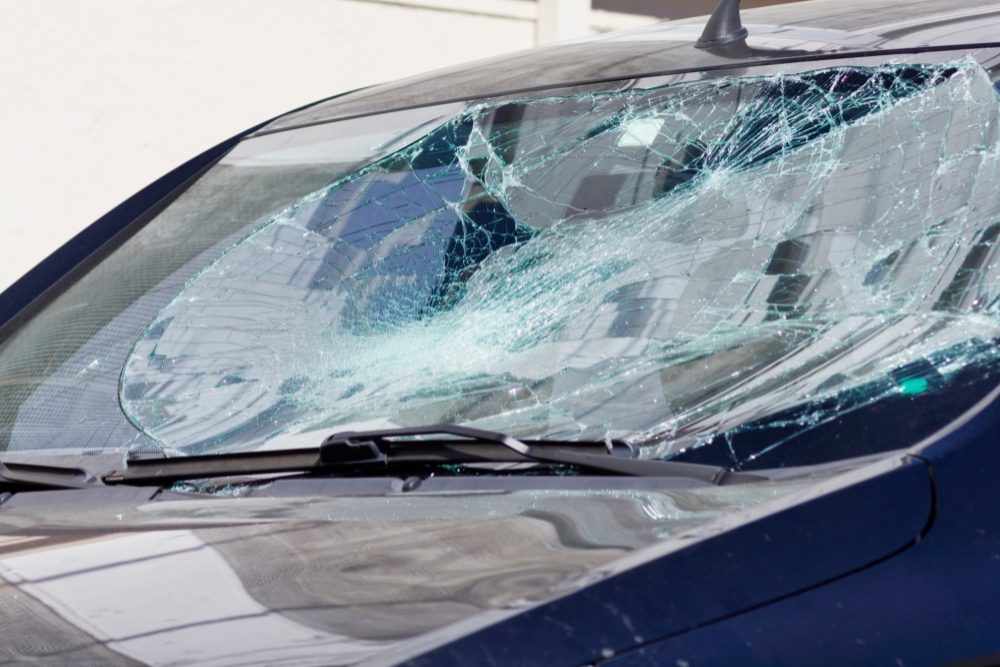
Falling Branches and Microfractures
Even small branches can deal significant damage to a new windshield. When a gust of wind knocks a twig onto freshly installed glass, it doesn’t always leave an obvious crack. Instead, it causes microscopic fractures that spread gradually with vibration and temperature shifts. These tiny stress points weaken structural integrity, leading to full cracks over time. In the critical curing stage, your windshield is especially fragile, its molecular structure still adjusting. One unexpected fall from above can undo hours of careful installation. That’s why professionals consistently advise open parking spaces for at least a few days post-replacement. Trees are unpredictable—today’s calm shade could become tomorrow’s source of falling debris. Keeping distance from potential impact zones ensures your windshield matures without interference, staying as strong and seamless as it was meant to be.
Sap, Dust, and Pollens Impact on Clarity
Nature doesn’t rest. Pollen grains, tiny and almost invisible, drift constantly and cling to sticky sap or dust that trees shed. Together, they create a cloudy film that’s hard to remove without streaking. On a brand-new windshield, this residue collects faster because static charges attract particles to the smooth, unconditioned surface. As sunlight hits, it amplifies visibility distortion, creating glare and a faint haze. This subtle degradation isn’t just aesthetic—it alters light refraction, straining your eyes during daytime drives. Regular cleaning helps, but until your windshield’s coating fully stabilizes, even gentle wiping can drag contaminants across and create fine scratches. Parking in open spaces minimizes these deposits and keeps the curing process smooth. The fewer airborne irritants land on the surface, the clearer and longer-lasting your glass remains.
How Tree Shade Delays Adhesive Curing
After replacement, your windshield’s adhesive needs warmth and ventilation to solidify properly. Parking under trees interrupts both. Shade cools the surface too quickly, especially during cooler nights, while the trapped humidity halts chemical curing. The result is a soft, semi-bonded layer that can shift subtly under vibration. This weakens the grip between glass and frame, making it vulnerable to leaks or rattles. What’s worse, falling organic matter—like leaves and pollen—can adhere to the seal, contaminating it before it’s stable. Technicians always recommend open parking not just for visibility but for proper air exchange. Direct sunlight, in moderation, helps accelerate curing evenly across the glass. Trees, while comforting, create an environment of delayed bonding that shortens the lifespan of your windshield’s installation.
The Illusion of Safe Shade
Shade is often mistaken for safety, especially in hot climates. Drivers think trees protect interiors from heat damage, forgetting that post-replacement, the windshield itself needs controlled exposure. Shade hides risks—falling sap, acid droppings, condensed moisture, and trapped debris. Even insects drawn to tree resin can leave residues that distort clarity. Beneath that peaceful canopy, a chain of microscopic reactions may already be weakening your new windshield’s adhesive. What feels like a cooler parking spot might actually be a chemical minefield. For the first week after replacement, prioritize wide, open parking zones that let sunlight and air circulate freely. Your vehicle may feel warmer, but the glass will cure stronger and cleaner. The illusion of tree shade’s safety fades quickly when you discover the long-term damage it quietly encourages.
Better Alternatives to Tree Parking
When avoiding trees, seek locations with balanced exposure—areas where sunlight can reach without extreme glare and airflow is steady. Covered carports or open garages work best, shielding from direct rainfall yet keeping humidity low. If you must park outdoors, choose spots near low walls or open spaces where branches and debris pose no risk. You can even use breathable car covers made from soft, non-abrasive material; they prevent dust buildup while allowing ventilation. The goal isn’t just avoiding damage but nurturing your windshield’s settling period in a controlled microclimate. Think of it as giving your glass time to adapt before facing everyday stress. By planning where you park, you’re extending its lifespan before trouble ever begins. Simple choices make lasting differences when it comes to automotive glass care.
Conclusion
In those first few days after a windshield replacement, where you park matters more than most drivers realize. Trees, though beautiful and inviting, carry hidden risks—sap that bonds permanently, branches that bruise glass, and moisture that quietly weakens seals. A new windshield needs consistency: stable air, sunlight balance, and distance from unpredictable elements. The safest route to long-term clarity is mindfulness. Choose open parking, give your adhesive time, and let the glass cure in peace. For expert care and professional installation that keeps your windshield resilient from day one, reach out to Vista Glass Marana in Marana at 520-999-2659 or email CSR@vistaglass.com for assistance.