
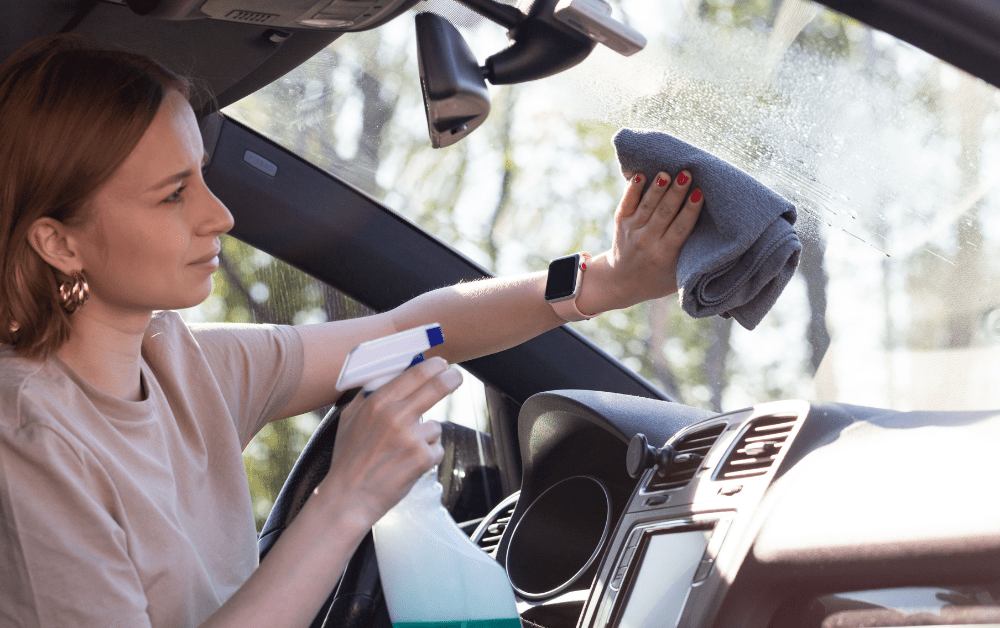
When a technician tells you your windshield can’t be repaired, it’s easy to feel frustrated or even skeptical. After all, replacing an entire windshield sounds expensive, and many assume a quick fix is always possible. Yet, some damages go beyond the reach of resin or patchwork. Understanding what to do next can help you make a smart, safe, and cost-effective decision. From assessing the damage to choosing a trustworthy replacement service, every step matters. The clarity of your windshield isn’t just cosmetic—it’s a safety barrier between you and the open road. Acting quickly and choosing the right professionals can mean the difference between a temporary fix and lasting protection.
When a Crack Becomes Too Deep to Repair
Not every crack tells the same story. A small chip might seem harmless, but if it reaches deep into the glass layers, it compromises the structure’s integrity. Windshields are built with laminated layers that distribute impact, but once these layers separate or weaken, repair becomes impossible. A deep fracture doesn’t just distort vision—it transforms the windshield into a hazard waiting to fail.
The next move isn’t about patching what’s broken but restoring what’s lost. Professional glass specialists evaluate the depth, spread, and location of the damage to determine whether replacement is mandatory. At this stage, safety over savings should guide your decision. A full replacement ensures structural strength, clarity, and compliance with vehicle safety standards—restoring your car’s original protection instead of masking the problem.
The Role of Modern Windshield Technology
Today’s windshields are more than transparent barriers; they’re technological components. Advanced driver-assistance systems (ADAS) rely on precise calibration between sensors and glass surfaces. When cracks interfere with these systems, repairs alone can’t restore accuracy. Even a millimeter of distortion can cause errors in lane departure alerts or automatic braking responses.
Replacing your windshield in these cases isn’t an upsell—it’s a necessity for safety. Technicians trained in ADAS recalibration ensure your replacement matches factory specifications. This process includes sensor alignment, camera adjustment, and glass fitting that preserves your vehicle’s original performance. It’s not just about seeing clearly; it’s about your car seeing clearly too.
Why Quick Fixes Can Lead to Bigger Problems
DIY repair kits may look like a simple solution for a cracked windshield, but beneath their convenience lies risk. The resin might fill the gap temporarily, yet it never fully restores the glass’s original strength or structure. The pressure of wind resistance, temperature shifts, and road vibrations gradually reopens those repaired lines, allowing moisture and dirt to creep inside. What begins as a faint chip can evolve into a sprawling fracture overnight, leaving drivers facing more serious—and costly—damage. Beneath the illusion of savings, the glass is still vulnerable, waiting for one jolt too many.
Delaying proper repair doesn’t just affect aesthetics—it compromises the safety framework of your vehicle. A weakened windshield loses its ability to support airbag deployment or absorb impact during collisions. Professionals use diagnostic tools to identify stress patterns invisible to the naked eye, ensuring no crack escapes attention. While a repair kit offers a fleeting sense of control, only trained specialists can restore the balance between durability and transparency. Acting early, before the glass’s stability deteriorates, means preserving more than clarity—it protects the safety of everyone inside your vehicle.
How to Verify a Technician’s Assessment
Hearing that your windshield can’t be repaired might leave you uncertain, but you don’t have to take that conclusion at face value. Getting a second opinion is an intelligent move that separates genuine expertise from convenience-driven advice. Credible auto glass specialists invite scrutiny—they’re confident in their diagnosis because it’s grounded in precision. Multiple evaluations often lead to the same result when replacement is unavoidable, giving you the reassurance that the decision isn’t driven by sales tactics but by genuine concern for safety.
A trusted technician doesn’t hide behind jargon. They’ll explain how the damage interacts with your windshield’s layers, and they’ll use tools like polarized light or imaging scanners to reveal stress fractures invisible to the eye. This level of transparency builds confidence. Certified professionals also follow industry repair limits to ensure every recommendation aligns with manufacturer safety standards. By verifying the findings, you’re not just protecting your investment—you’re ensuring the work performed on your car honors both safety and integrity.
Understanding the Insurance Aspect
Insurance often decides whether windshield replacement feels like a burden or a relief. Many comprehensive auto policies cover glass repair and replacement, sometimes even waiving deductibles. Yet, coverage terms vary—some insurers restrict which providers you can use or require pre-approval. Before committing, a quick conversation with your insurance representative can clarify how much you’ll actually pay out-of-pocket and whether you’re free to choose your preferred technician. Clarity prevents surprise expenses later.
Reliable glass companies work hand-in-hand with insurance carriers to simplify the process. They help with claim filing, documentation, and even direct communication with adjusters, saving you the hassle of paperwork. This collaboration speeds up approval and ensures the service meets policy standards. When a shop demonstrates insurance fluency, it’s more than convenience—it’s proof they operate with professionalism and accountability. Understanding this side of the process helps you navigate replacement confidently, knowing both your vehicle and finances remain protected.
Why Size and Location of Damage Matter
Windshield damage isn’t a one-size-fits-all issue. The decision to repair or replace depends heavily on where the crack appears and how far it spreads. A chip smaller than a coin may be fixable, but a fracture over six inches or one that reaches the glass’s edge undermines the entire windshield’s strength. The outer boundary of the windshield anchors it to the vehicle frame, and when that bond weakens, even minor collisions can cause complete failure.
Placement influences visibility too. A crack within your direct line of sight, however small, can distort depth perception and glare, increasing the risk of accidents. Professionals use laser calibration and precise measurement tools to assess these factors before deciding on replacement. By focusing on structural integrity and driver visibility, certified installers ensure your vehicle’s safety systems function as designed. Replacing the windshield at the right time restores the perfect balance between clear vision and uncompromised protection.
Choosing the Right Glass Replacement Service
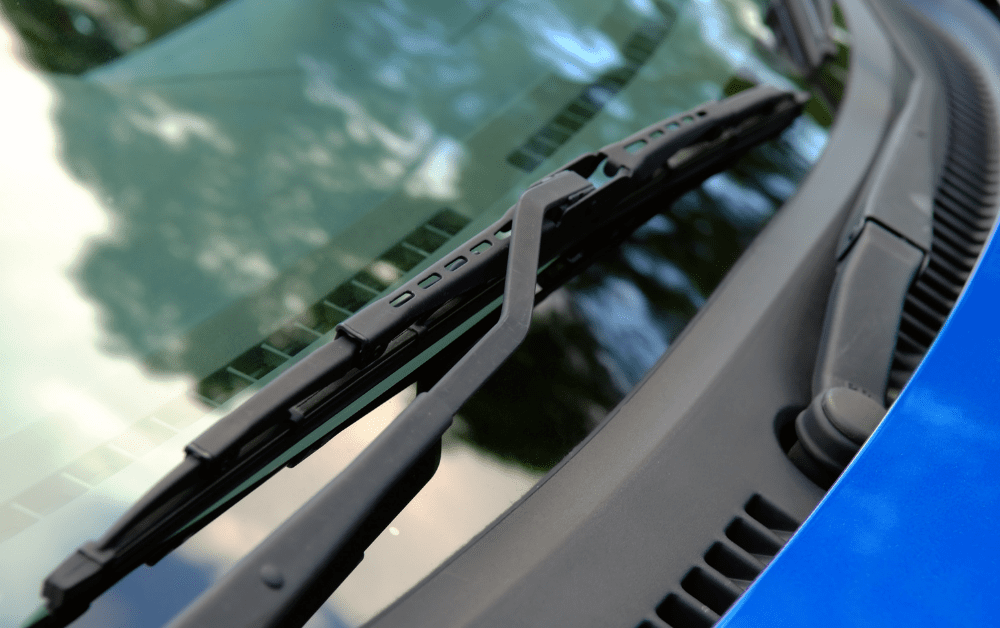
When it comes to windshield replacement, choosing the right service provider is as critical as the work itself. Many low-cost options cut corners with poor-quality adhesives or misaligned fittings that seem fine initially but deteriorate under pressure. A reputable company takes the extra time to match glass type, curvature, and fit exactly to your vehicle’s make and model. This precision eliminates rattling, leaks, and stress points that could compromise your windshield over time.
True professionals merge craftsmanship with modern technology. They use OEM or certified equivalent glass that meets all safety regulations, applying adhesives designed to endure extreme conditions. Experienced installers don’t rush the curing process—they allow full bonding strength before your vehicle leaves the bay. Post-installation inspections verify that seals hold and safety systems remain calibrated. Selecting an expert isn’t just about quality—it’s about securing your vehicle’s integrity for the miles ahead.
Preparing for Windshield Replacement Day
Preparation can transform a routine windshield replacement into a seamless experience. Before technicians arrive, remove clutter from your dashboard, disconnect dash cameras, and take down hanging items like parking passes or air fresheners. This gives them unobstructed access and reduces installation time. If your vehicle is parked outdoors, find a shaded or covered space to protect adhesives from temperature fluctuations during curing.
After installation, patience becomes part of the process. The adhesive used to secure the glass requires several hours to fully bond with the frame. Driving too soon can weaken the seal, causing leaks or alignment issues. Technicians often recommend avoiding high-pressure car washes or slamming doors for the first two days. Treating the new windshield with care during this period allows it to set perfectly—ensuring your investment holds strong for years to come.
Environmental Factors That Influence Repairability
Nature has its own say in whether a windshield can be repaired. Temperature changes create expansion and contraction, pushing existing cracks to grow faster than expected. In humid climates, trapped moisture inside the crack prevents repair resin from bonding properly, rendering the fix unreliable. A cold morning followed by intense sunlight can make a small blemish split across the glass in a matter of hours.
Glass specialists account for these variables when assessing damage. Indoor facilities with controlled climates are ideal for performing repairs safely and effectively. But once cracks spread due to thermal stress, replacement becomes the only path to restoring full integrity. Environmental awareness helps you act early—before natural forces worsen the damage. Understanding that timing and temperature can decide between repair and replacement empowers you to make decisions that preserve your windshield and prevent unnecessary costs.
Restoring Safety and Clarity After Replacement
A new windshield transforms the way your vehicle feels on the road. Beyond the crystal-clear view, it reinstates the vehicle’s original rigidity, ensuring proper airbag deployment and structural strength during collisions. The glass also reduces cabin noise and filters UV rays, improving comfort while driving. Each drive feels smoother, quieter, and safer when your windshield is correctly fitted and calibrated.
Maintaining that condition requires simple habits. Use non-abrasive cleaners to avoid damaging coatings and schedule inspections every few months to catch new chips early. Regular upkeep preserves both clarity and safety for years to come. What once seemed like an inconvenience becomes reassurance—every time you look through your new windshield, you’re reminded that safety and precision are worth the investment.
Conclusion
Being told your windshield can’t be repaired might sound discouraging, but it’s often the first step toward long-term safety. Replacement restores both the look and the strength of your vehicle, ensuring it performs as designed during every mile of travel. A flawless windshield supports airbag deployment, shields against debris, and safeguards the people inside. The decision to replace isn’t just maintenance—it’s an act of prevention and protection.
For reliable and expertly handled windshield replacement, reach out to Vista Glass Marana in Marana. Their technicians combine technical precision with care, guaranteeing installations that last. Whether you’re navigating insurance coverage or scheduling an immediate replacement, their team will guide you through every step. Call 520-999-2659 or email CSR@vistaglass.com to schedule your appointment and restore safety and clarity to every drive.