
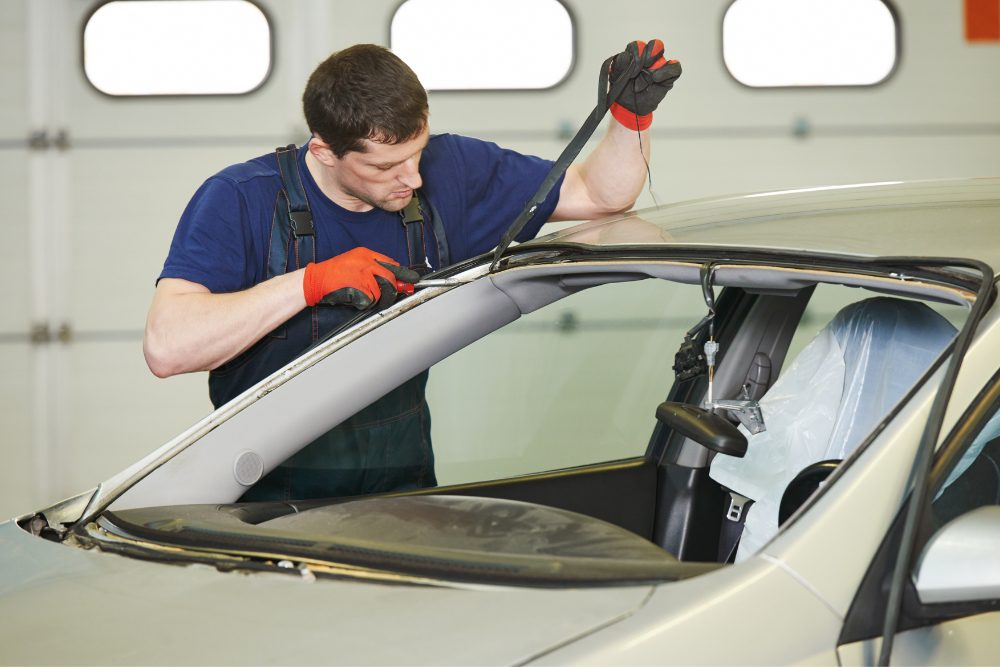
Bad weather has a way of revealing weaknesses—especially in your vehicle. A small crack across your windshield might seem like an inconvenience during sunny days, but when heavy rain or snow hits, it quickly becomes a genuine safety concern. Every droplet, every gust of wind, and every sudden temperature change puts pressure on the damaged glass. What was once a faint line begins to widen, distorting visibility and threatening the structural integrity of your car.
Driving with a cracked windshield in severe conditions isn’t just about discomfort—it’s about risk. Rainwater can seep through microscopic gaps, expanding the fracture, while cold temperatures make the glass brittle. The combination of stress, vibration, and moisture transforms a repairable blemish into a hazard. Understanding these dangers and taking timely action ensures that your view—and your safety—stay clear no matter what the weather decides to bring.
When Moisture Meets Weakness
Rain doesn’t simply wash away dirt—it seeks entry wherever it can. A cracked windshield becomes the perfect invitation for water to infiltrate the inner layers of laminated glass. Once moisture seeps inside, it compromises the adhesive that holds everything together. Over time, this weakens the bond between layers and encourages further spreading of the crack.
When temperatures drop, that trapped water freezes and expands, pushing against the fracture lines like wedges of ice. The once minor imperfection transforms into a spiderweb pattern that can suddenly burst outward with road vibration. In this stage, even gentle wiper movement or defrost heat can accelerate damage. That’s why experts recommend inspection or replacement before the next storm makes its appearance.
The Hidden Effects of Temperature Shifts
Windshields expand and contract with temperature changes, a natural reaction intensified by existing cracks. Imagine driving on a chilly morning followed by a sudden blast of defroster heat—one side of the glass warms and stretches while the other remains cold and rigid. That imbalance causes stress lines to shoot outward like lightning bolts.
During extreme heat, the adhesive sealant softens, and in freezing weather, it stiffens. The cycle of expansion and contraction amplifies the crack each time the weather shifts. Drivers often underestimate how quickly small fractures can escalate when nature plays tug-of-war with the glass. Acting early isn’t about vanity; it’s about preventing a costly and potentially dangerous outcome.
Visibility Challenges During Rain and Snow
Water doesn’t just fall—it refracts light, distorts images, and magnifies flaws. A cracked windshield multiplies these effects, scattering reflections and glare from headlights. In snowstorms, frost can cling unevenly to the damaged surface, further obscuring your vision.
Wiper blades often skip over cracks, leaving streaks and reducing clarity at the very moment you need it most. Driving blind through fog or sleet becomes a real possibility. The danger isn’t limited to you—other drivers, pedestrians, and even roadside objects become harder to spot. When visibility drops to seconds, reaction time shortens, and accidents become inevitable. Replacing that compromised glass restores clear vision and peace of mind before the clouds gather again.
Wind Pressure and Structural Instability
Your windshield is more than a viewing pane—it’s part of your car’s safety framework. It supports the roof and prevents it from collapsing during a rollover. When cracked, that support weakens dramatically. In heavy wind or stormy conditions, air pressure hits the damaged area unevenly, causing additional flexing.
Every bump in the road becomes a test of endurance for already stressed glass. Even if the crack seems stable, structural instability can cause it to shatter under pressure from high-speed gusts or debris impact. A strong windshield deflects forces; a cracked one absorbs them until it fails. Weather amplifies that risk, turning a neglected repair into a roadside emergency.
The Role of Wipers and Defrosters
Bad weather brings wipers into constant motion, scraping across every flaw. Those tiny impacts vibrate through the damaged glass, widening the crack little by little. If grit or ice gets caught under the wiper blade, the friction becomes even worse. Defrosters, meanwhile, apply direct heat to one part of the windshield—often the same side where cracks originate.
This uneven stress speeds up fracture spreading and can cause the entire panel to warp slightly, affecting sensor calibration for modern driver-assistance systems. When your vehicle relies on cameras behind the glass, even subtle distortion can lead to false readings. A professional replacement ensures not just visual clarity, but also the proper alignment of advanced safety features.
Electrical and Sensor Complications
Many newer vehicles integrate rain sensors, lane-keeping cameras, and heads-up displays directly into the windshield. A cracked surface can interfere with these systems, especially when moisture sneaks in during wet weather. Electrical signals may misread conditions, causing sensors to malfunction just when visibility is poorest.
If condensation forms between layers of glass, those embedded systems lose calibration, sometimes shutting off completely. Repairing or replacing a windshield in such vehicles isn’t just about patching glass—it’s about protecting technology designed to protect you. Ignoring cracks means risking both visibility and the precision of safety electronics that depend on it.
Insurance and Cost Implications
Bad weather doesn’t just threaten your safety—it threatens your wallet. Cracks left unattended often lead to full replacements that could have been avoided with timely repair. Many insurance policies offer separate glass coverage, allowing replacement without affecting your overall deductible.
By addressing damage early, you minimize costs and prevent secondary issues like water leaks or corrosion on your car’s frame. Some insurers even partner with certified auto glass centers, streamlining the claim process. Acting before another storm season saves time, reduces paperwork headaches, and ensures your vehicle remains fully protected on every drive.
Why DIY Repairs Can Backfire
At first glance, those do-it-yourself windshield repair kits seem like a quick solution—just squeeze in the resin, wait for the sun, and the crack disappears. The reality, however, is more complex. Windshields are multi-layered safety components, designed to absorb impact and maintain cabin structure. Most store-bought kits can’t reach deep into those inner layers where moisture and microscopic fractures hide. As the weather shifts, that trapped water expands and contracts, re-opening the crack from within. What looked like a repair on the surface is often just a temporary cover-up.
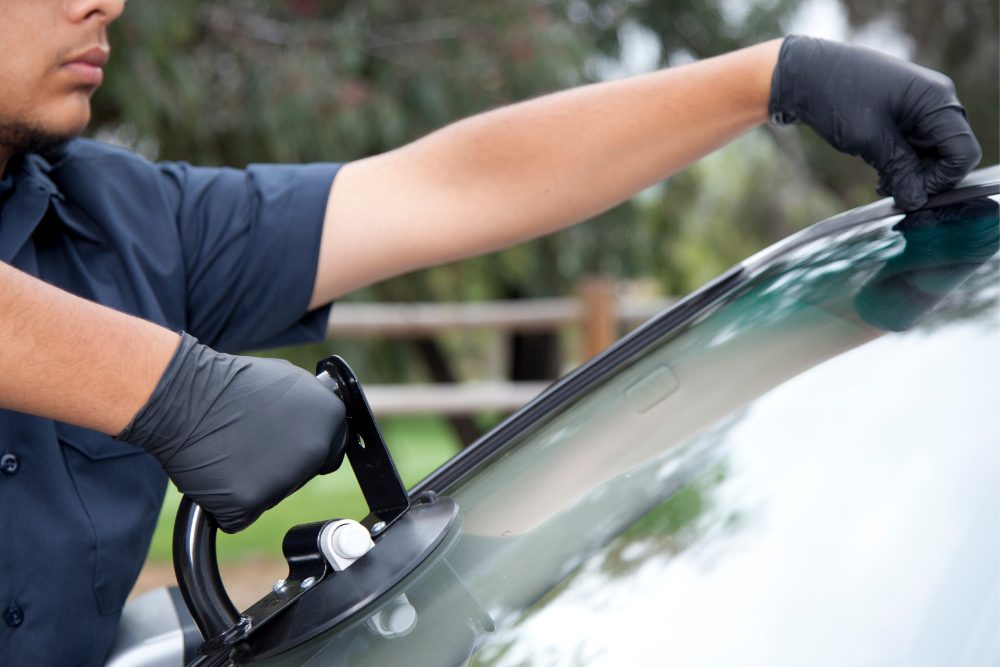
Professional technicians use calibrated equipment, UV-curing systems, and vacuum tools that create a consistent seal through every layer of the glass. They understand how to balance temperature, pressure, and curing time to ensure the repair bonds perfectly. A seemingly harmless DIY attempt can actually interfere with later professional repairs, leaving residues that prevent proper adhesion. What begins as an effort to save money often ends with higher costs once the damage spreads beyond recovery. In matters of safety, precision beats improvisation—every single time.
The Safety Factor During Emergencies
When rain hammers down or hail begins to fall, your windshield transforms from a transparent shield into a crucial barrier between you and danger. It deflects debris, wind pressure, and moisture while helping your car maintain its structural form. A crack weakens that barrier, turning what should be a safety asset into a potential point of failure. During emergencies such as collisions or abrupt stops, the windshield channels the force of an airbag toward passengers. If compromised, it might fail under impact, reducing the airbag’s effectiveness and allowing external pressure to distort the frame.
Now imagine driving through a nighttime downpour—headlights flickering, reflections bouncing off the cracked glass. Every flash creates glare, distorting your vision when you can least afford distraction. That split second of blindness can be the difference between control and collision. A damaged windshield doesn’t just block your view—it alters how light behaves, amplifying confusion in chaotic moments. Replacing it before disaster strikes isn’t an indulgence; it’s preparation. In unpredictable weather, a sturdy windshield is your first defense, not your last thought.
Professional Installation in Adverse Conditions
Replacing a windshield isn’t as simple as pulling out old glass and fitting a new one. Weather plays a subtle but powerful role in how adhesives cure and how frames align. In humid or windy conditions, even a small miscalculation can create air pockets or uneven seals that lead to future leaks. Certified technicians are trained to adjust curing times, control temperature exposure, and work within environmental limits to ensure the bond sets perfectly. They understand that adhesives behave differently in heat, cold, or high moisture, and tailor their methods to suit each situation.
Professional installers also use UV-resistant and water-repelling materials that stand firm through Arizona’s scorching days and sudden storms. Their precision ensures not only a tight seal but also the correct fit for modern sensor-equipped windshields. Proper alignment means your safety systems, from lane detection to rain sensors, continue working flawlessly. A rushed or unskilled job can compromise both comfort and technology, leading to recurring issues with visibility or frame vibration. Choosing an expert installation is an investment in long-term security—one that holds firm no matter what the sky delivers.
The Long-Term Value of Preventive Action
It’s human nature to delay repairs until problems become impossible to ignore. Yet when it comes to windshields, hesitation is what turns affordable fixes into costly replacements. A small chip today can become a long, branching crack tomorrow, especially once bad weather rolls in. Rain, frost, and fluctuating heat place constant stress on compromised glass, pushing it beyond its designed threshold. Waiting too long invites leaks, distortions, and even total failure during heavy storms or emergency stops. Addressing the issue early restores the windshield’s full integrity before it becomes a liability.
Preventive action doesn’t just protect glass—it safeguards everything connected to it. A new windshield reduces tension on the car’s frame, maintains proper airbag deployment paths, and prevents water from corroding electrical components near the dashboard. It also enhances clarity, keeping visibility crisp through glare, fog, or rainfall. Beyond practicality, there’s a psychological ease in knowing your car is ready for anything. Instead of dreading the next storm or temperature drop, you drive with confidence, comfort, and control. In the long run, prevention isn’t merely cheaper—it’s smarter.
Conclusion
Driving with a cracked windshield during bad weather transforms an ordinary trip into a gamble. Moisture seeps in, temperature swings widen fractures, and visibility fades precisely when clarity matters most. Every delay in repair risks compounding the damage—both structurally and financially. Whether it’s a faint line or a sprawling fracture, professional replacement is the surest way to restore safety and stability.
For expert service and dependable craftsmanship, contact Vista Glass Marana in Marana. Their skilled technicians understand how Arizona’s shifting weather impacts your windshield and provide solutions that last. Reach them at 520-999-2659 or email CSR@vistaglass.com to schedule your inspection or replacement today. Stay clear, stay safe, and keep every mile ahead visible.