
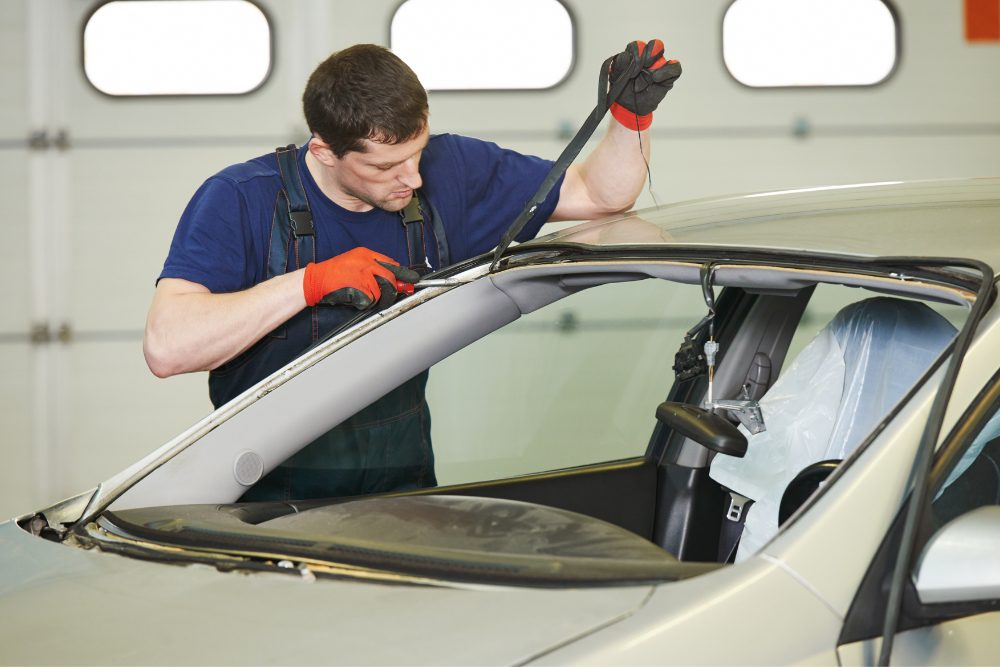
The world of windshield replacement is evolving faster than ever, merging precision craftsmanship with technological sophistication. What was once a simple glass swap has transformed into a field driven by innovation, sustainability, and enhanced driver safety. Modern vehicles now depend on complex sensor systems, calibration tools, and smart materials that elevate both performance and protection. As manufacturers and auto glass specialists push boundaries, drivers benefit from replacements that are not only seamless but smarter. The fusion of artificial intelligence, augmented reality, and eco-friendly materials marks a new era where windshields are more than barriers—they’re intelligent shields. For vehicle owners, staying informed about these breakthroughs isn’t just fascinating; it’s practical. Understanding what’s next in windshield replacement helps you make better choices, ensuring your vehicle remains future-ready, safer on the road, and aligned with cutting-edge automotive standards.
Smart Windshield Materials Shaping the Future
Automotive glass has come a long way from being a passive component to becoming a dynamic player in vehicle performance. Modern replacements are now crafted using smart materials that can respond to environmental changes. Self-tinting glass, for instance, adjusts automatically to sunlight intensity, reducing glare without driver intervention. Some experimental versions even integrate nanotechnology, enabling the glass to self-heal from minor scratches and chips through molecular restructuring triggered by heat or light.
These developments mean drivers no longer need to worry about visual discomfort or minor imperfections escalating into major cracks. In regions with fluctuating temperatures, such innovation also minimizes thermal stress on the windshield. As more manufacturers adopt these materials, the future of auto glass will rely on adaptability—glass that reacts intelligently to its surroundings. It’s a quiet revolution, but one that will soon redefine what it means to have a “clear view” on the road.
The Rise of Augmented Reality Displays in Auto Glass
Windshields are now more than transparent shields; they’re turning into digital dashboards. Augmented reality (AR) displays project navigation cues, hazard alerts, and real-time driving data directly onto the glass, allowing drivers to keep their eyes forward. The integration of AR technology transforms a standard windshield into a safety-enhancing display that bridges information and environment.
In upcoming models, this technology may sync with vehicle cameras and GPS systems, identifying road conditions, highlighting pedestrians, or even signaling when a lane departure occurs. For auto glass technicians, replacements now require precision calibration to ensure proper projection alignment. This evolution demands specialized skills and advanced diagnostic tools—something professional service providers are quickly mastering. As AR integration spreads, drivers will experience a fusion of visibility and data unlike anything before. What once required glancing at multiple screens will soon appear directly within one’s field of view.
Sensor Integration and Advanced Driver Assistance Systems
Windshields today serve as the foundation for vehicle safety technologies. Embedded sensors for lane-keeping, collision avoidance, and adaptive cruise control all rely on flawless glass calibration. Even a slight misalignment can throw off radar accuracy or cause sensor errors. Modern windshield replacements, therefore, go beyond adhesive curing—they require digital recalibration to maintain system integrity.
Technicians trained in ADAS (Advanced Driver Assistance Systems) understand the importance of millimeter precision. They use specialized alignment tools and manufacturer-specific protocols to synchronize the new glass with onboard systems. As vehicles become smarter, the partnership between glass specialists and technology becomes crucial. What used to be a routine repair now resembles a form of engineering. The integration of ADAS represents a bridge between craftsmanship and computation—ensuring that a perfectly installed windshield also translates into a perfectly responsive vehicle.
Eco-Friendly Glass Production and Recycling Efforts
Sustainability has become a key focus in the auto glass industry. Manufacturers are developing production methods that reduce energy consumption and environmental waste. Modern glass sheets are made thinner yet stronger, cutting down raw material use while maintaining durability. Some factories now utilize recycled glass cullet in their production cycles, minimizing landfill waste and reducing carbon emissions.
When a windshield reaches the end of its life, recycling processes are evolving to separate glass from polyurethane layers efficiently. This innovation allows components to be repurposed into new windshields or industrial materials. For drivers conscious about their ecological footprint, choosing an auto glass company that follows green protocols adds extra value. As these efforts gain momentum, sustainability will no longer be a trend—it will be the new industry standard. The future of windshield replacement aligns both clarity on the road and care for the planet.
Precision Calibration Technology After Installation
Once a new windshield is installed, it’s no longer enough to visually inspect its placement. Advanced calibration systems ensure the vehicle’s sensors, cameras, and alignment points interact flawlessly with the glass surface. Using high-definition imaging and laser-guided systems, technicians now achieve a level of precision that older techniques couldn’t match.
This calibration not only restores original manufacturer settings but also enhances responsiveness in safety systems like lane departure warnings and adaptive lighting. For customers, that translates into smoother driving experiences and reduced risks of malfunction. As glass and technology converge, calibration is becoming as vital as installation itself. What happens after the glass is fitted determines the reliability of everything that depends on it. Precision, once seen as an added service, has become the defining element of a professional windshield replacement.
Enhanced Safety Through Impact-Resistant Glass
Impact-resistant glass is no longer limited to luxury or armored vehicles—it’s entering the mainstream market. Laminated layers combined with chemical strengthening make modern windshields capable of withstanding greater force without shattering. These enhancements reduce the likelihood of ejection during accidents and maintain cabin integrity under extreme stress.
In collision scenarios, the windshield acts as a secondary airbag, absorbing kinetic energy and preventing intrusion. New formulas of polyvinyl butyral (PVB) and advanced resins improve flexibility while maintaining transparency. As research progresses, upcoming designs may even feature shock-absorbing zones that redirect impact forces. For drivers, this means safer journeys and lower repair frequency. The evolution of impact-resistant glass isn’t just about toughness—it’s about transforming the windshield into an active safety component that protects lives beyond visibility.
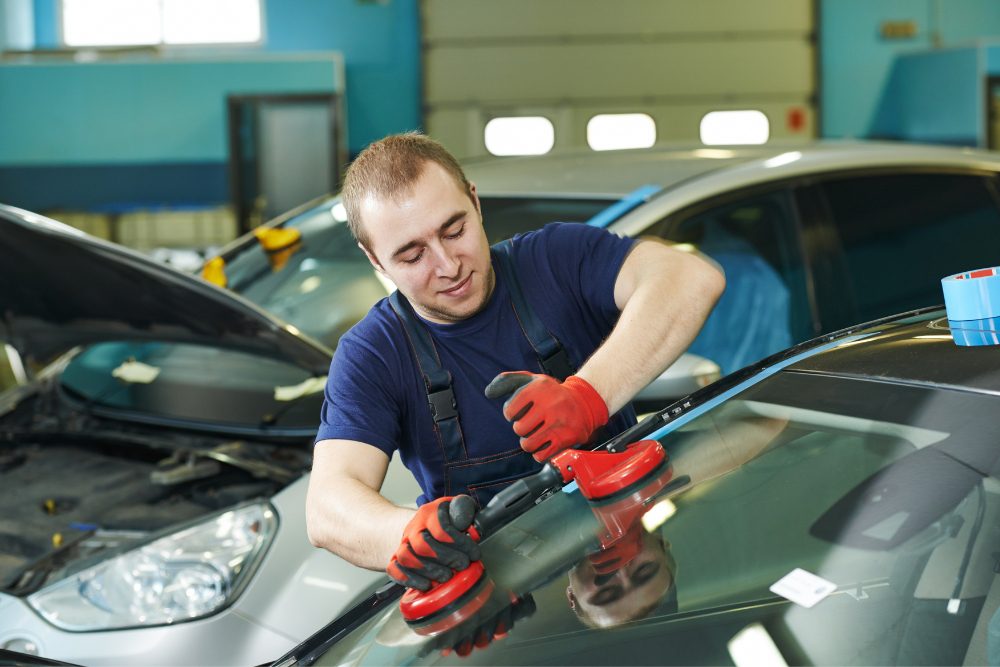
The Role of Artificial Intelligence in Damage Detection
Artificial intelligence is quietly reshaping how windshield assessments are performed. Mobile diagnostic tools now use AI-powered image recognition to detect cracks, distortions, and bonding issues within seconds. These systems analyze data far more accurately than human observation, pinpointing weaknesses invisible to the naked eye.
This predictive technology allows technicians to recommend timely replacements or repairs before minor damage spreads. Combined with cloud-based analytics, it builds a digital history of the windshield’s condition, helping vehicle owners track wear patterns. Soon, AI will assist not just in detection but in predictive maintenance—alerting drivers of structural stress before failure occurs. In a world where precision and prevention define value, AI’s presence in auto glass care isn’t optional; it’s the logical next step toward proactive safety and smarter vehicle management.
Ultraviolet Protection and Heat-Control Coatings
Beyond visibility, modern windshields now prioritize comfort and interior preservation. Advanced coatings infused within the glass filter out harmful UV rays and regulate cabin temperature. This dual protection shields both passengers and upholstery from prolonged exposure and fading.
Infrared-reflective layers also contribute to energy efficiency, reducing air conditioning strain during hot climates. Drivers notice the difference instantly—cooler cabins, clearer views, and reduced glare during long commutes. As automotive technology evolves, coatings will become more customized to climate zones and vehicle types. These innovations elevate the windshield’s function beyond mere transparency; it becomes a thermal barrier, a sunshield, and a guardian of comfort. For those seeking more than basic replacement, UV and heat-control advancements make every journey feel refined, efficient, and remarkably protected.
Predictive Maintenance and Real-Time Monitoring Systems
Imagine a windshield that can communicate its condition to your phone. Emerging smart glass technologies are bringing this idea closer to reality. Embedded micro-sensors track temperature shifts, vibration impact, and stress distribution across the surface. If a small chip forms or adhesive tension weakens, the system sends an alert before visible damage occurs.
These real-time diagnostics reduce the likelihood of sudden cracks and help technicians act promptly. Fleet operators especially benefit from predictive maintenance, cutting downtime and repair costs. For individual drivers, it means peace of mind—knowing the windshield is constantly monitored for integrity. As digital vehicle management expands, predictive maintenance will transform windshield care from reactive to intelligent. It’s the future of auto glass service: prevention powered by precision and data.
Seamless Integration With Electric and Autonomous Vehicles
Electric and self-driving vehicles demand windshields that do more than provide a view—they must interact with sensors, lidar systems, and communication networks. Modern glass now incorporates conductive layers to support these connections without interference. In autonomous models, the windshield becomes a sensory hub, interpreting external data and projecting relevant information to passengers.
This integration requires advanced installation protocols to preserve both transparency and connectivity. Any distortion in alignment can disrupt crucial data transfer between the vehicle’s vision systems and control units. As EV and autonomous adoption grows, windshield replacement will move deeper into the technological realm, blending mechanical precision with digital architecture. What used to be simple glass fitting now represents the intersection of design, science, and artificial intelligence—a space where clarity meets computation.
Conclusion
The evolution of windshield replacement is more than technological progress—it’s a redefinition of safety, sustainability, and innovation. From adaptive glass that adjusts to sunlight to AI-driven diagnostics predicting future wear, every advancement points toward smarter mobility. As vehicles become extensions of digital intelligence, the windshield stands at the forefront, merging vision with protection.
For expert service grounded in these innovations, reach out to Vista Glass Marana in Marana. Their skilled team ensures your windshield not only meets current standards but is ready for the next generation of automotive excellence. Call 520-999-2659 or email CSR@vistaglass.com to schedule a consultation and experience where modern craftsmanship meets forward-thinking design.