
A windshield isn’t just a transparent barrier; it’s a structural pillar of your vehicle’s safety. When it’s cracked, chipped, or weakened, the entire framework of your car subtly shifts. The glass supports the roof during collisions, stabilizes airbags, and keeps the cabin from collapsing under force. A replacement isn’t just about clarity—it’s about restoring the invisible shield that holds your car together. During installation, the adhesive bonds the windshield to the frame, reinforcing rigidity and balance. Many underestimate this role until a small fracture becomes a dangerous compromise. Replacing your windshield on time doesn’t just improve visibility—it renews the strength your car silently relies on.
The Hidden Backbone of Your Car’s Strength
The windshield acts as an anchor, quietly connecting the upper and lower halves of your car’s body. A properly installed one carries up to 45 percent of the cabin’s structural support in a front-end collision. When it’s damaged, the frame loses tension, and energy from an impact disperses unevenly. This imbalance can twist the vehicle’s skeleton, causing alignment issues and unsafe airbag deployment. New glass, installed with precision adhesives, restores that lost equilibrium. Every contour, every seal, locks back into place like vertebrae aligning in a spine. It’s not just a piece of glass—it’s a core component holding everything in harmony.
Why Cracks Compromise More Than Vision
A small crack may appear trivial at first glance, yet it functions like a fracture in bone—harmless until stress magnifies it. Every drive introduces subtle tremors: the hum of tires, the shock of potholes, the shift of temperature between morning chill and midday heat. Each of these movements encourages the crack to stretch farther, allowing moisture and debris to creep in. Over time, the glass loses its bond with the metal frame, and the vehicle’s carefully engineered balance begins to waver. It’s not just about seeing clearly—it’s about maintaining the inner stability that holds your car together.
Replacing your windshield stops this silent decline before it spreads. New glass restores the tight seal between metal and laminate, re-establishing the original harmony of structure and safety. Engineers design windshields as part of the vehicle’s skeletal network; when that chain is broken, even the strongest frame feels weaker. By addressing cracks immediately, you preserve your car’s strength from the inside out. Each replacement is less of a repair and more of a renewal—returning your vehicle to its intended resilience, ready to absorb shocks and resist external stress the way it was first designed to.
How Windshield Replacement Reinforces Safety Systems
Modern cars rely on precision, and nowhere is that more apparent than in how windshields interact with safety systems. The glass is not simply a viewing surface—it’s a housing for sensors that control lane departure, collision alerts, and adaptive cruise control. Even a slight misalignment throws these delicate systems off balance, causing delays or false readings. When replaced properly, the windshield restores those calibrations, ensuring that each warning, each correction, and each braking response performs in sync with real-time conditions. Safety begins where precision meets stability.
Beyond sensors, the windshield itself acts as a shield for passengers during airbag deployment. It provides a supportive surface that guides the airbag toward its intended cushion zone. A cracked or unstable windshield can shatter upon impact, causing the airbag to deploy outward rather than inward—compromising the protection it’s meant to provide. Replacing your windshield ensures every mechanism functions exactly as designed. It’s not merely maintenance; it’s a restoration of the trust built into your car’s design. With a new, properly seated windshield, your vehicle becomes a synchronized network of protection once again.
The Engineering Behind Proper Adhesion
Behind every solid windshield lies an invisible layer of technology—its adhesive. More than glue, it’s an engineered compound designed to fuse metal and glass into one cohesive structure. Under the extremes of Arizona’s desert heat or sudden nighttime coolness, this urethane adhesive flexes without fracturing, adapting to pressure and temperature shifts. Poorly applied or aged adhesive fails under such conditions, creating leaks, rattles, or dangerous detachment. Proper replacement isn’t just about installing new glass—it’s about renewing that molecular bond that keeps your vehicle unified and sound.
Professional technicians follow a sequence of preparation, curing, and alignment to ensure perfect adhesion. The process demands patience and exactness; even humidity and curing time affect the outcome. Once complete, your car’s structure becomes whole again—quiet, rigid, and durable. You’ll feel the difference in every drive: fewer vibrations, no whistling wind, and renewed steadiness through every turn. Proper adhesion is a science of silence, a union between chemistry and engineering that ensures your windshield remains a load-bearing element rather than a fragile pane of glass. It’s what keeps your car firm, focused, and free of subtle structural fatigue.
The Ripple Effect of Ignoring Glass Damage
A cracked windshield doesn’t stay still—it spreads like a slow-moving fault line. Each vibration on the road sends unseen stress through the glass, radiating outward until the damage touches the frame itself. Once this bond weakens, the entire structural integrity of your car begins to falter. The windshield’s job is to distribute impact evenly across the body, but when compromised, that force travels unpredictably through the roof and pillars. The effect isn’t immediate, but it’s cumulative. What starts as a blemish becomes a liability.
Replacing your windshield halts this progression. It’s a reset button that reestablishes balance before unseen damage worsens. By restoring the glass, you restore the way your car manages force—maintaining the safety bubble that protects everyone inside. It’s more than replacing what’s broken; it’s a form of preventive architecture. Ignoring damage means risking invisible weaknesses that surface only when it’s too late. A small crack can become the fault line that defines an accident’s outcome. Replacing early ensures your vehicle remains not just operational, but resilient—designed to absorb chaos, not collapse under it.
Why Precision Matters During Installation
Replacing a windshield isn’t guesswork—it’s an operation requiring millimeter accuracy. The glass must align perfectly with the frame for sensors, aerodynamics, and weight distribution to function properly. Even a slight tilt affects airflow, visibility, and the way pressure moves through the vehicle during high-speed travel. Professional installers rely on calibrated tools, lasers, and exact measurements to ensure every corner fits snugly, every seal cures at the right temperature. The difference between precision and approximation is the difference between safety and instability.
When precision is achieved, the car regains its intended harmony. Air flows smoothly across the hood, noise levels drop, and the structure feels factory-perfect once again. The adhesive cures like armor, transforming glass and metal into a single rigid system. This careful alignment means that airbags deploy properly, sensors read correctly, and stress is evenly distributed throughout the frame. A misaligned windshield might still look fine—but only precise installation restores what the manufacturer originally designed: a vehicle that responds to impact, speed, and motion exactly as it should.
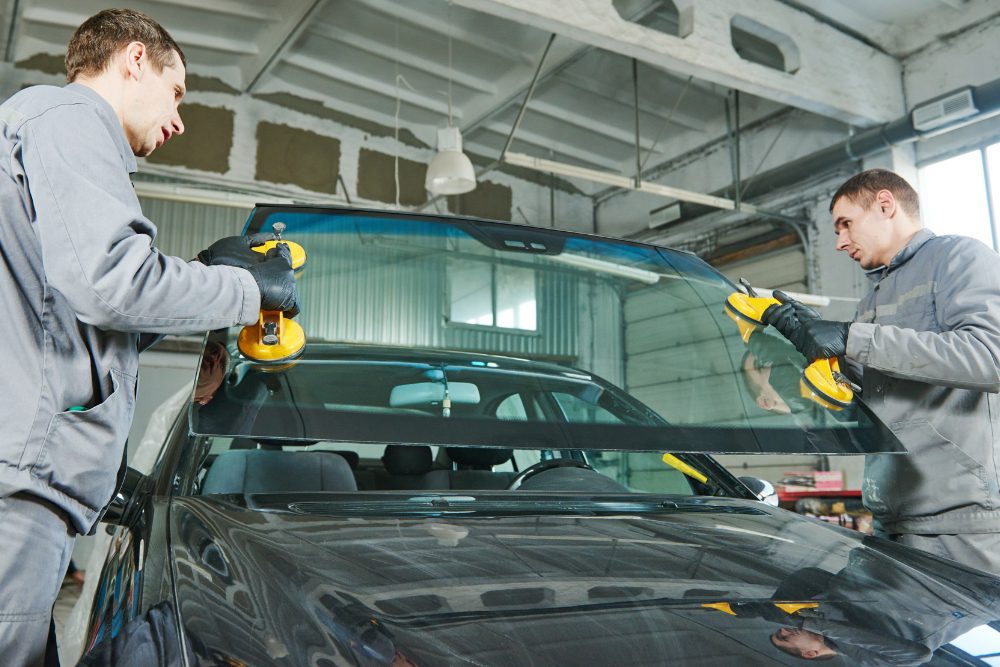
The Role of the Windshield in Rollover Protection
When a vehicle rolls over, the windshield becomes a vital pillar of protection. It anchors the roof to the frame, preventing collapse during those critical seconds when gravity and force fight for control. A compromised windshield can shatter, allowing the roof to cave in and crushing the cabin’s protective space. That’s why timely replacement matters—it restores the unseen tension that holds the vehicle’s architecture together. Strength isn’t only about metal; it’s about how glass and adhesive distribute energy to resist collapse.
During professional replacement, technicians use multi-layered laminated glass engineered to flex without breaking. This resilience gives passengers an extra line of defense during violent impacts. Think of the windshield as the gatekeeper between chaos and safety—it keeps debris out, maintains the car’s shape, and ensures seatbelts and airbags perform their roles effectively. When the glass is strong, the vehicle acts as a shell of resistance, redistributing energy instead of yielding to it. A properly replaced windshield transforms from simple transparency into a lifeline in moments that test the limits of survival.
The Science of Structural Symmetry
Vehicles are built like living organisms—balanced, interconnected, and reliant on symmetry for proper function. The windshield is a key part of that symmetry, holding the framework in tension between roof and chassis. When it cracks, the tension shifts. The result can be subtle: doors may close unevenly, vibrations become more noticeable, and handling feels slightly off. These are signs of structural imbalance. Replacement brings the vehicle back into alignment, restoring that equilibrium between glass and steel that defines both performance and comfort.
Professional installation restores this symmetry through exact bonding and proper alignment. The windshield acts like a stabilizer bar—silent but essential. When its integrity returns, every component—from door seals to suspension—works in harmony again. The driving experience becomes smoother, soundproofing improves, and your car feels renewed. A cracked windshield isn’t just visual damage; it’s a disruption in your car’s geometry. Restoring it is more than repair—it’s the restoration of balance itself, returning every contour and curve to its designed purpose.
Environmental Factors That Weaken Structural Integrity
Nature constantly challenges your windshield’s durability. The Arizona sun bakes the glass, weakening its molecular structure over time. Sudden temperature changes—like running cold air on a hot windshield—create internal stress lines. Rain, dust, and moisture infiltrate microscopic gaps, corroding the edges where glass meets metal. Left unchecked, these elements erode the adhesive and compromise the windshield’s connection to the frame. The result isn’t always visible—but the integrity beneath the surface begins to fail silently.
Replacing the windshield renews the bond that nature tries to break down. Modern sealants resist ultraviolet radiation and moisture intrusion, creating a fresh barrier against environmental wear. Think of it as replacing a weathered foundation—fortifying your vehicle against heat, water, and time. The replacement doesn’t just restore clarity; it reinstates the protective seal that keeps your car rigid and weatherproof. Environmental damage doesn’t happen overnight, but neither does recovery unless the glass is replaced. Timely maintenance ensures your vehicle stays strong against every seasonal assault it faces.
The Long-Term Value of Timely Replacement
A windshield replacement is an investment in longevity, not just repair. When left cracked, structural stress transfers to other parts of the vehicle—loosening seals, warping panels, and creating rattles that diminish comfort and resale value. Timely replacement prevents these subtle degradations, preserving the car’s original performance. Over time, that attention to structure means fewer repairs, better fuel efficiency, and a vehicle that retains its integrity even under pressure. Maintenance today becomes savings tomorrow.
Beyond financial value, there’s the quiet reward of confidence. Driving with a flawless windshield means driving without distraction or worry. It’s a small change that transforms the overall driving experience. The car feels solid again, its silence restored, its handling smooth. Every replacement extends your car’s lifespan in ways you can’t always see but can certainly feel. Replacing your windshield is more than fixing what’s broken—it’s reinforcing what’s built to last. Strength, after all, begins with the things we often overlook.
Conclusion
Your windshield isn’t just glass—it’s a structural safeguard that upholds your vehicle’s integrity. Each replacement restores that strength, ensuring every drive remains stable, balanced, and secure. When damage appears, swift action prevents deeper structural harm, protecting both passengers and performance. For expert windshield replacement that prioritizes precision and durability, contact Vista Glass Marana in Marana. Reach them at 520-999-2659 or email CSR@vistaglass.com for professional service that merges clarity with strength—restoring not just your view of the road, but the very framework that keeps you safe upon it.