
Weather doesn’t simply wash over your vehicle—it interacts with it, reshaping how each component performs under stress. Your windshield, often overlooked, endures the full force of every droplet and snowflake that meets its surface. Rain can hide cracks beneath reflective light, while freezing temperatures magnify even the tiniest chips into dangerous fissures. Over time, what starts as a hairline imperfection may evolve into a safety hazard. The constant cycle of wetness, cold, and temperature changes slowly weakens the glass structure, affecting clarity and stability. Understanding how natural elements influence your windshield helps drivers appreciate why early intervention isn’t optional—it’s essential. Acting before damage worsens not only safeguards visibility but also prevents unexpected expenses. The more you know about how rain and snow shape the condition of your windshield, the easier it becomes to protect your investment, your passengers, and yourself on every journey.
Rainfall and the Hidden Strain on Windshield Glass
Heavy rain doesn’t just make driving difficult; it subjects your windshield to relentless pressure variations. As raindrops strike the glass, they carry tiny particles of debris, which over time create micro-abrasions. These minuscule imperfections can compromise the glass structure, especially when existing chips already lurk beneath the surface. Water can seep into those small fractures, expanding with vibration and temperature changes until cracks begin to spread outward.
Even after the storm clears, moisture trapped beneath the surface can lead to optical distortion. Drivers may notice foggy spots or reduced clarity, especially at night when light refracts unevenly. When neglected, what seems like harmless wear can escalate into serious damage during another downpour. Keeping your windshield sealed and intact helps maintain optical precision and strengthens the bond between glass and frame. Regular inspections ensure that rain enhances visibility—not jeopardizes it—and that your vehicle remains prepared for sudden shifts in weather conditions.
How Snow Intensifies Small Cracks into Serious Damage
Snow’s beauty hides its quiet aggression. When it settles on your windshield, the combination of moisture and weight begins to test the glass’s endurance. Once the temperature drops, trapped water inside minor chips freezes and expands, widening those gaps from within. This freeze–thaw cycle creates stress lines that grow longer with every cold snap, compromising both the integrity and the safety of your windshield.
As drivers scrape away frost or use defrosters to clear their view, the quick temperature changes between cold glass and warm air accelerate fracture spread. Each thermal shift acts like a tug on weakened edges. Even careful snow removal can add pressure if uneven force is applied. The cumulative effect is subtle but relentless. Over time, a once-small blemish can extend across the entire panel. The smartest approach is replacement before winter deepens its grip—because once cracks evolve, repairs often lose their effectiveness.
Temperature Fluctuations and Glass Expansion Effects
Your windshield is constantly adjusting to temperature swings, even when you don’t notice it. Glass expands in the heat and contracts in the cold, a natural process that can quietly amplify hidden weaknesses. During rainy or snowy conditions, sudden shifts—such as blasting a heater on a frozen windshield—cause uneven stress across the glass surface. That imbalance encourages cracks to spider outward, sometimes overnight.
Even mild fluctuations take a toll over time. A hairline crack that survives summer might splinter during the first frost. When that happens, your vehicle loses not just aesthetic value but also structural reliability. The windshield is a crucial part of your car’s overall frame, helping distribute impact in a collision. Once damaged, that strength fades. Consistent maintenance, such as sealing small chips before seasonal extremes hit, can prevent expansion stress from turning a repairable flaw into an urgent replacement scenario.
Moisture Intrusion and Interior Fogging Risks
A compromised windshield doesn’t just stay on the surface—water intrusion can quietly invade your cabin environment. When rain or melting snow seeps through small edge cracks, it can settle within the sealant or beneath the dashboard area. That moisture creates fog buildup inside your car, clouding the windshield and side windows from within. Visibility diminishes just when you need it most—during storms or cold mornings.
Beyond visibility, persistent dampness breeds mold, corrodes internal components, and interferes with defrosting systems. Drivers might notice recurring condensation that never fully clears. This isn’t merely inconvenient—it signals that your windshield’s bond to the vehicle frame has weakened. A proper replacement restores that airtight seal, keeping interior climates stable and preventing further water intrusion. Protecting your car’s cabin starts with protecting the glass barrier that shields it from the elements. The line between outside weather and inside comfort is thinner than most realize.
Reduced Optical Clarity During Rain and Snowfall
When rain or snow streaks across a compromised windshield, visibility can deteriorate faster than expected. Cracks scatter light unevenly, and even small distortions in curvature change how drivers perceive the road. Streetlights and headlights may appear doubled or refracted, creating visual confusion during night driving. This isn’t simply aesthetic—it’s a safety issue that affects depth perception and reaction time.
During snowfall, these distortions worsen. Accumulated frost along fracture lines can refract incoming light into blinding glimmers. Wipers may struggle to glide smoothly across roughened surfaces, leaving behind streaks or missed spots. Such inconsistencies turn each drive into a visual challenge. Addressing these issues through timely replacement restores transparency and precision. A clear windshield isn’t only about comfort; it’s about accuracy. Drivers depend on an unbroken field of vision to make split-second decisions, especially when nature throws unpredictable obstacles their way.
The Role of Wiper Blades in Accelerating Wear
It’s easy to underestimate how wiper blades contribute to windshield damage, especially during wet or icy weather. When rubber edges become hardened or gritty, each pass scrapes at the glass like fine sandpaper. Combined with the weight of snow or frozen rain, this friction can deepen existing flaws. Even the best blades can’t protect a compromised surface once cracks start spreading underneath their path.
In rainy seasons, wipers work overtime, sweeping away water that can carry fine dust and mineral residue. Over months of continuous motion, this creates subtle grooves that distort reflections. For windshields already weakened by temperature or impact, this extra wear accelerates deterioration. Regular blade replacement and inspection are simple yet vital steps. But when surface roughness or line fractures become visible, a full glass replacement becomes the wiser option. Prevention begins with maintenance, but true safety begins with restoration.
The Safety Hazard of Delayed Windshield Replacement
A small crack may seem harmless until the unexpected happens. During a collision or sudden impact, your windshield plays a structural role in maintaining cabin integrity. Once compromised, it’s less capable of distributing force evenly, leaving passengers more vulnerable. Rain and snow only worsen the condition by eroding sealants and hiding deeper fractures beneath moisture and dirt.
A delayed replacement not only weakens your protection—it also risks legal and insurance complications. In many states, heavily cracked windshields fail safety inspections. Visibility issues during storms increase accident probability, and insurers may deny claims for neglecting obvious damage. Acting swiftly ensures compliance, safety, and peace of mind. A replacement isn’t just about restoring aesthetics—it’s about reinstating the invisible shield that guards you every time you drive. When glass fails under pressure, seconds matter. Don’t wait for that moment to discover its limits.
Modern Windshield Technology for Harsh Weather
Today’s windshields aren’t merely sheets of glass—they’re engineered layers designed to resist the climate’s toughest moods. Hydrophobic coatings repel rainwater, helping droplets slide off before they obscure vision. In snowy regions, heated glass options melt frost and prevent icy buildup without manual scraping. Laminated safety glass technology ensures that even if cracked, shards remain contained, reducing risk during sudden temperature drops.
These innovations aren’t reserved for luxury cars anymore. Replacement services now offer advanced glass types compatible with most modern vehicles. Opting for these upgrades enhances safety and durability through every season. They maintain optical clarity, reduce maintenance, and extend windshield lifespan. For drivers constantly navigating rain, sleet, or snow, investing in improved materials pays back in reliability. Weather resilience isn’t a luxury—it’s a necessity for anyone who values uninterrupted visibility, no matter the storm’s intensity or the season’s unpredictability.
Preventive Care Tips Before Storm Season Arrives
Preparing your windshield before the storm season is like reinforcing a fortress before battle. Begin with a professional inspection to detect micro-cracks invisible to the eye. Sealants and protective coatings can prevent moisture penetration, minimizing stress during freezing conditions. Always clean the glass with ammonia-free products to maintain clarity without stripping away protective layers.
Replace wiper blades regularly, especially before heavy rain or snow periods begin. Avoid pouring hot water on icy windshields—it can cause sudden temperature fractures. Park in sheltered spaces whenever possible to reduce exposure to harsh precipitation and temperature fluctuations. Simple habits, when done consistently, prevent expensive replacements later on. Remember, windshields aren’t invincible shields; they’re engineered surfaces requiring upkeep. Staying ahead of the weather curve means fewer emergencies, clearer drives, and a more secure ride through every unpredictable season. Prevention is the calm before the storm.
Why Professional Replacement Ensures Long-Term Protection
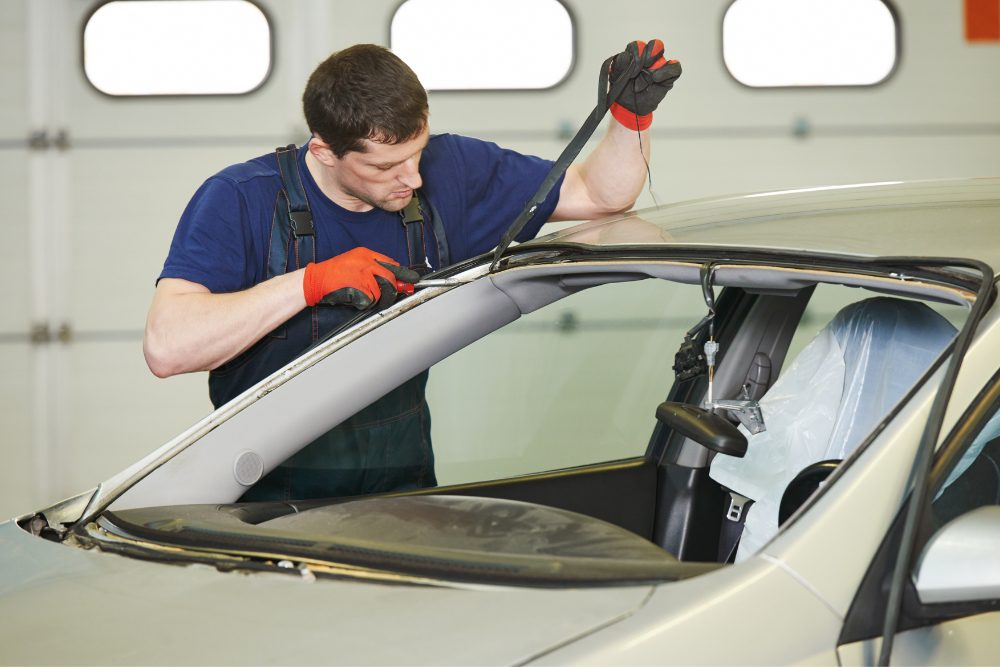
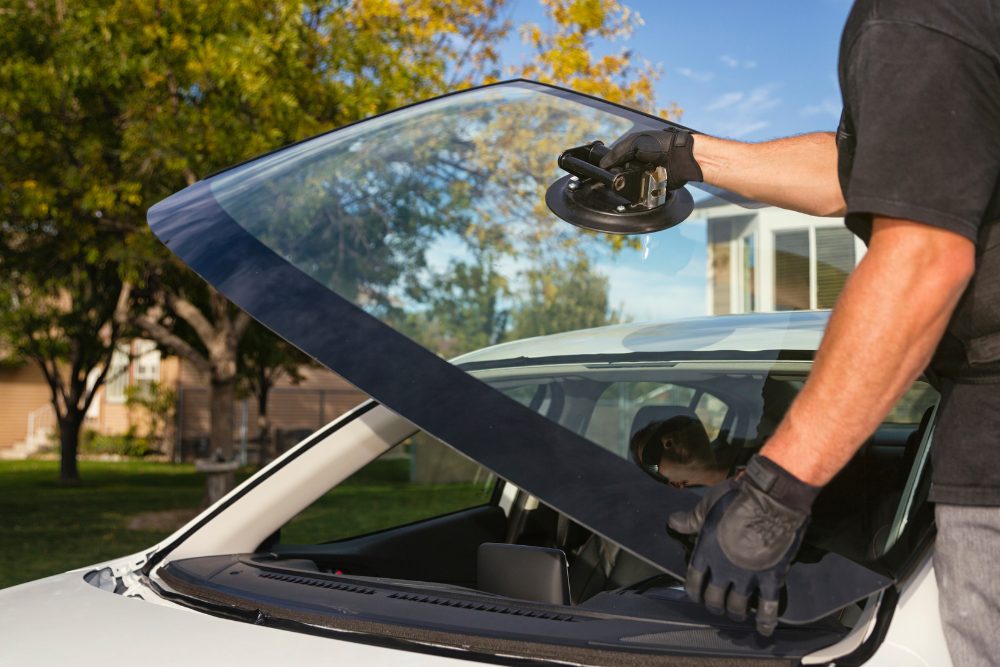
While DIY solutions may appear tempting, windshield replacement requires precision beyond what standard tools can provide. Professional technicians use specialized adhesives and calibration systems that align your glass perfectly with safety sensors and structural mounts. This exactness guarantees that the new installation restores not just appearance but full impact resistance.
Poorly installed windshields often leak, creak, or misalign under stress. During rain or snow, that means fogging, noise, or eventual detachment—issues that compromise both comfort and safety. Expert installers ensure that edges are sealed to manufacturer standards, creating a watertight, temperature-resistant bond. The peace of mind that follows professional service outweighs any short-term savings from DIY attempts. True quality lies in precision, and precision ensures endurance. When weather becomes the ultimate test, professional craftsmanship stands as your first defense.
Conclusion
Rain and snow are relentless teachers. They reveal every weakness in your windshield’s structure, every delay in care, and every shortcut taken in maintenance. Acting swiftly on cracks and replacements protects visibility, structural strength, and long-term value. For expert guidance and dependable glass solutions, contact Vista Glass Marana, proudly serving Marana and nearby areas. Call 520-999-2659 or email CSR@vistaglass.com for professional assistance that keeps your windshield—and your safety—clear through every season.