
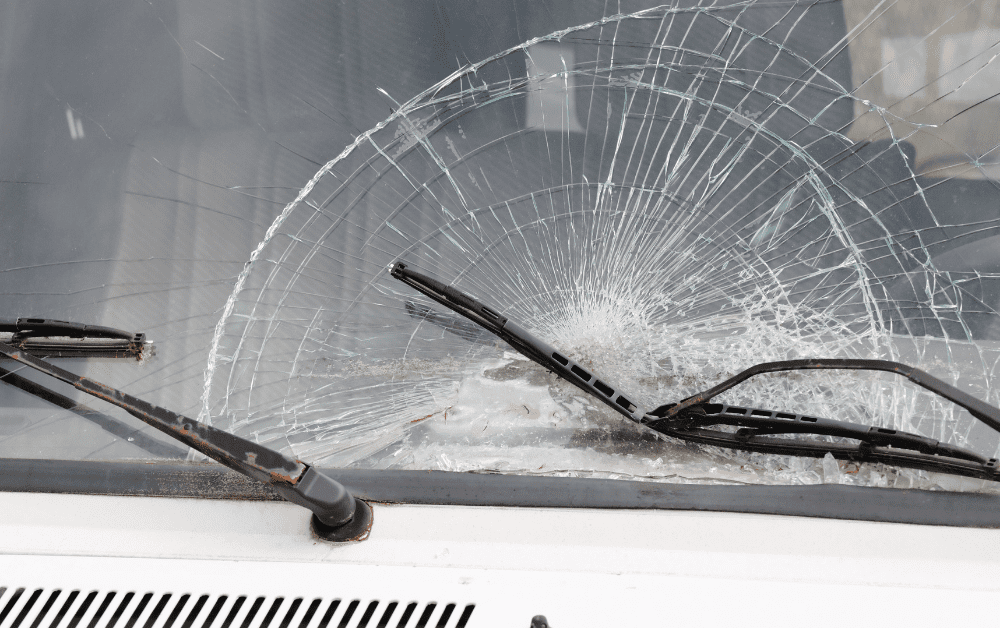
When a windshield cracks, time seems to pause. You might wonder—should you repair it now or replace the entire glass? The decision isn’t always as clear as it looks. A small chip might seem harmless today, yet turn into a spreading fracture overnight. On the other hand, replacing a windshield too early could mean unnecessary costs. The key lies in understanding the nature, depth, and location of the damage. Both options serve their purpose depending on how severe the issue is and how quickly it’s addressed. In this guide, we’ll explore what makes glass repair practical and when replacement becomes the smarter long-term choice. Whether it’s a minor chip or a full crack across the pane, knowing where to draw the line can save you money, time, and—most importantly—your safety on the road.
Understanding the Difference Between Repair and Replacement
The difference between glass repair and replacement goes far beyond terminology—it defines the scope, cost, and outcome of the service. When a windshield suffers minor damage, repair offers a quick and efficient fix. Using specialized resins, professionals seal the chip or crack, restoring both visibility and strength. This method works best when the damage is contained, typically no larger than a quarter and located away from the driver’s direct line of sight. Repairs not only save time and money but also help maintain the original factory seal of the glass, which contributes to the vehicle’s integrity. It’s a practical solution that minimizes disruption without sacrificing safety, making it a top choice for minor surface imperfections.
Replacement, on the other hand, steps in when damage exceeds repairable limits. Cracks that spread across multiple areas, reach the edges, or penetrate the inner layer compromise the windshield’s structural role. In such cases, the entire pane must be removed and replaced with a new one that meets OEM standards. This process ensures the car retains its safety performance during collisions or rollovers. A professional technician evaluates the damage, considering depth, size, and placement, to determine which path preserves safety and efficiency best.
When Repair Makes More Sense
Repair becomes the smarter path when the damage is contained, shallow, and away from critical sightlines. Modern resin technology has revolutionized the process, enabling technicians to restore transparency and prevent cracks from expanding. A well-executed repair can reinforce the glass’s strength almost to its original condition, saving car owners both time and expense. Moreover, the environmental benefit is undeniable—by repairing instead of replacing, you prevent large amounts of non-biodegradable glass from ending up in landfills. For quick, eco-friendly restoration, repair often stands out as the more practical and responsible choice.
However, timing is crucial. Delaying repair can lead to worsening damage, especially under temperature changes or road vibrations. What starts as a small blemish can expand into an irreparable fracture overnight. Acting swiftly not only preserves safety but also prevents the inconvenience of full replacement. Many drivers fail to realize how rapidly a small chip can evolve under daily stress. Repair, when done promptly by skilled professionals, ensures your windshield remains clear, strong, and dependable—helping you stay safe without unnecessary costs or downtime.
When Replacement Becomes Inevitable
There are times when replacement is not just advisable—it’s essential. Once a crack extends beyond six inches, reaches the edge of the glass, or distorts the driver’s vision, repair is no longer a reliable solution. Windshields are a fundamental part of a vehicle’s structural system, responsible for supporting airbags and maintaining cabin rigidity. A damaged one jeopardizes these safety features. Replacing the windshield ensures your vehicle returns to its original strength, capable of withstanding road impact and collision forces. It also provides an opportunity to recalibrate modern sensor systems integrated into today’s glass, such as lane-assist cameras and rain detectors, ensuring they function precisely as intended.
Though more costly upfront, replacement prevents future complications like leaks, whistling noises, or reduced crash protection. Ignoring a damaged windshield can also lead to inspection failures or legal issues, depending on your location’s safety regulations. Professional installers use high-grade adhesives and advanced tools to create a perfect seal, restoring both clarity and protection. In the long run, replacement is an investment in safety, visibility, and peace of mind—eliminating the uncertainty of whether your glass can still protect you when it matters most.
The Role of Safety in Your Decision
Safety is the invisible line that separates a good decision from a risky one. A windshield isn’t merely a viewing window—it’s a structural pillar that keeps the cabin intact during an accident. Even a small crack in the wrong location can compromise the windshield’s ability to absorb impact or support airbag deployment. This is why experts prioritize safety evaluations before recommending repair or replacement. They assess the size, depth, and position of the damage to ensure that your vehicle’s protection isn’t compromised. If the damage distorts vision or weakens the glass’s support function, replacement becomes the non-negotiable option.
Cost savings might tempt some drivers to choose repair, but the long-term implications of ignoring safety can be severe. The windshield’s adhesive seal also contributes to the car’s structural cohesion during a rollover. If it fails, passengers lose a critical layer of defense. Certified technicians understand these technical details and follow manufacturer standards to maintain safety integrity. Choosing professional evaluation over guesswork ensures that your windshield continues to perform as a barrier, a shield, and a safety mechanism—exactly what it was designed to do.
The Cost Equation of Repair vs. Replacement
Financially, repair wins on speed and affordability. A quick repair may cost only a fraction of a replacement, and many insurance providers even cover it fully with no deductible. But the equation shifts if the damage spreads. A neglected crack can turn into a full replacement cost, which ranges much higher. Additionally, newer vehicles equipped with ADAS systems require sensor recalibration after replacement—adding to the bill. On the flip side, a well-timed replacement can be more economical in the long run if it prevents repeated issues or failed repairs. Viewing cost as an investment in safety rather than a short-term expense provides clarity. Think of it as protecting both your wallet and your peace of mind.
Environmental Impact of Both Options
Sustainability has entered the conversation in auto glass care. Repairs minimize material waste and reduce landfill accumulation. Each successful repair keeps a large pane of glass and adhesive materials from disposal. On the other hand, replacements contribute to a larger carbon footprint due to manufacturing and disposal processes. Yet, some eco-conscious shops recycle broken windshields, turning old glass into usable materials. When choosing between repair and replacement, considering environmental responsibility can tip the scales. Opting for repair when suitable means supporting waste reduction and sustainable craftsmanship. But when safety demands replacement, partnering with a service that practices responsible recycling ensures your decision aligns with both eco-values and vehicle integrity.
Technology’s Role in Modern Windshields
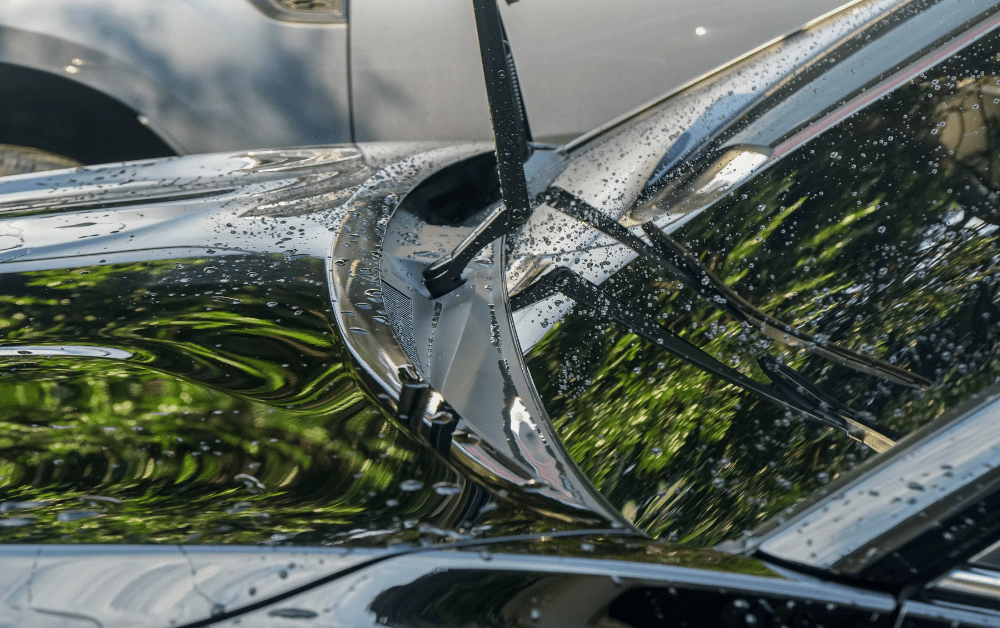
Today’s windshields are more than simple glass barriers. Many contain embedded sensors, rain detectors, and heads-up displays. These technologies complicate the decision between repair and replacement. Minor chips might interfere with sensor accuracy, and repairing them incorrectly could distort readings. In cases where the glass integrates advanced driver-assistance systems, replacement ensures full calibration and performance. Skilled technicians use specialized tools to sync sensors post-installation, ensuring your car’s safety systems work seamlessly. While older models might handle repair without issue, newer ones often require professional evaluation to maintain factory settings. As cars evolve, so does the complexity of their glass, turning this decision into one that balances innovation and practicality.
Common Myths About Auto Glass Damage
One of the most common myths is that small chips can be ignored. In reality, even minor imperfections weaken the glass over time. Another misconception is that DIY repair kits are sufficient. While they seem convenient, improper resin use can trap air bubbles or worsen the crack’s visibility. Some also believe replacement is always expensive or unnecessary. However, professional services often provide affordable solutions backed by warranties. Finally, many assume all cracks require immediate replacement, but experts can often restore structural integrity through high-quality resin techniques. Dispelling these myths helps car owners make informed, realistic decisions based on expert evaluation rather than popular assumptions or internet advice.
Choosing a Trusted Glass Service Provider
Not all glass repair and replacement services are equal. The difference lies in precision, materials, and installation standards. A reputable provider assesses the damage, explains your options transparently, and ensures your car meets safety regulations after service. They use OEM-quality glass and certified adhesives, offering durability that matches manufacturer expectations. Choosing a local, professional shop also means faster turnaround times and personal accountability. Skilled technicians combine craftsmanship with technology, guaranteeing your windshield’s clarity and strength. When selecting a service, prioritize experience, certification, and customer care. A trustworthy glass company doesn’t just fix cracks—it restores confidence behind the wheel.
Deciding What’s Best for You
Ultimately, the decision between glass repair and replacement depends on urgency, safety, and practicality. If the damage is minimal and doesn’t compromise visibility, repair is ideal. But if cracks deepen, extend, or affect critical areas, replacement ensures peace of mind and compliance with safety standards. Balancing cost, time, and environmental impact also shapes your choice. Consulting an experienced auto glass technician simplifies the process—they’ll provide an honest assessment and recommend the best course for your situation. Remember, your windshield isn’t just part of your car; it’s part of your protection system. Treat it with the care it deserves, and your vehicle will reward you with safety, clarity, and reliability.
Conclusion
When faced with windshield damage, understanding the fine line between repair and replacement can save you from unnecessary costs and risks. Evaluate the severity, act promptly, and trust professionals who value your safety as much as your satisfaction. For expert auto glass services, contact Vista Glass Marana, serving Marana and nearby areas. Call 520-999-2659 or email CSR@vistaglass.com to schedule your assessment today. Your vehicle deserves clarity—make sure it gets it from the right hands.