
Window replacement might seem like one of those straightforward home improvement projects that simply involves swapping out old panes for something fresher, clearer, and more energy-efficient. Yet, once you start digging into the details, a strange web of rules, local guidelines, and property considerations begins to appear, making the process feel less like a simple upgrade and more like navigating a miniature labyrinth. Homeowners often find themselves asking whether planning permission is required, especially when they live in a community with specific regulations or homes that fall under unique architectural categories. Suddenly, something as ordinary as windows becomes a surprisingly delicate matter.
Because every home carries its own little story, the journey toward replacing windows can shift depending on where the property is located, the type of structure involved, and the style you choose to install. It’s easy to assume you can simply go ahead and start the work, but this isn’t always the case. There are settings where you must consider local guidelines, safety aspects, and even neighborhood aesthetics. The short answer is that most standard window replacements don’t require extensive permission, yet the long answer offers more nuance, and understanding that distinction can save you time, money, and a maze of frustration.
Understanding Planning Permission for Window Replacement
When homeowners begin exploring the possibility of replacing their windows, they often bump into the question of whether any kind of formal permission is necessary before the work begins. While it may sound like a dry bureaucratic detail, the truth is that window replacement interacts with multiple layers of building standards, safety codes, and occasionally community requirements. The fascinating part is that the outcome can vary dramatically depending on the particular characteristics of a home. Some locations impose strict rules on exterior changes, especially when the building’s façade plays a role in preserving the area’s style. Other areas allow much more freedom, granting homeowners the ability to proceed without much red tape.
Those who live in older homes or properties identified as historically significant may find the rules a bit tighter. Even changes that seem minimal could be scrutinized, with authorities focusing on whether the new window design alters the overall essence of the building. On the other hand, modern neighborhoods tend to be more flexible, and the emphasis typically lands on safety, structural integrity, and compliance with general building codes. This variation can make the planning process feel inconsistent, but the key is understanding the specifics of your location and working with experienced professionals who recognize how to navigate these requirements efficiently.
Why Window Replacement Rules Change by Location
Anyone who has replaced windows in one city and then moves to another quickly discovers that the rules are not universal. It can be startling to realize that a project that required no special approvals in one region might demand extra steps somewhere else. These variations often come from how local governments view the relationship between homes and the wider community. Some areas treat consistent architectural appearances as a vital part of their identity, believing that even subtle changes can influence the overall look of a neighborhood. That’s why certain municipalities issue guidelines that homeowners must follow before making exterior modifications.
The opposite experience is equally common. Many regions adopt a hands-off approach, focusing only on safety or structural concerns. In these places, replacing windows is viewed as a necessary improvement, not something to be restricted. There may be guidelines regarding energy efficiency or accessibility, yet rarely do they require homeowners to chase after complex permissions. The constant across all environments is that working with trained professionals who know their way around local expectations makes the journey far more streamlined and avoids unexpected complications.
How Window Design Choices Affect Permission Requirements
One detail that often surprises people is that permission requirements can sometimes depend on the style and function of the windows themselves. Changes that significantly alter the building’s exterior appearance—such as enlarging an opening or switching to a radically different design—can attract the attention of local authorities. This becomes especially important for homes that adhere to a particular architectural pattern or sit within a district where uniform aesthetics are upheld. The shift from an older, traditional frame to a modern sleek design may spark concerns about how it blends with the rest of the structure.
On the other hand, replacing existing windows with newer, similarly styled versions typically avoids triggering extensive reviews. Most local guidelines treat like-for-like replacements as routine maintenance rather than structural changes. For homeowners, understanding this distinction helps them plan their project strategically. When you choose designs that maintain harmony with your home’s original look, the process tends to move smoothly. And if you explore bolder designs or updated structural changes, it’s smart to gather all the necessary information ahead of time to avoid delays.
What Happens When You Replace Windows in Older Homes
Older homes carry an undeniable charm, but with that charm often comes a layered history of building regulations, preservation expectations, and architectural quirks. When tackling window replacement in a home with decades—sometimes a century—behind it, the process can become less predictable. Certain windows might have historical significance, especially if they feature unique molding, stained glass, or handcrafted elements. Replacing these requires care, and in some areas, that care extends into legal guidelines requiring homeowners to preserve the original aesthetic as closely as possible.
This does not mean that modern improvements are off the table. Instead, the focus tends to be on blending technology and tradition—creating a bridge between upgraded performance and historical charm. Many professionals who specialize in older homes understand how to navigate these complexities, ensuring that updated windows deliver energy efficiency and reliability without erasing the character that defines the building. While the process may require an extra step or two, the outcome can be deeply rewarding, transforming an aging structure into something beautifully protected and enhanced.
Preparing for Window Replacement Without Oversights
One of the most underrated steps in planning a window replacement project is reviewing all the details before any work begins. Homeowners often assume the process is straightforward, but unexpected issues can appear, quickly complicating the timeline. It’s helpful to consider local guidelines, structural conditions, and even the potential impact on ventilation and natural light. A little bit of preparation goes a long way, and talking to experts who understand the ins and outs of window replacement can simplify the experience tremendously.
Careful planning ensures that you have the right window type, correct measurements, and clarity about whether permission is needed. This preparation reduces delays and prevents the need for last-minute adjustments. It also allows you to explore your options creatively, whether you want something energy-efficient, visually striking, or durable enough to handle changing weather conditions. When you view planning as part of the process rather than an obstacle, the entire project becomes more seamless and satisfying.
Choosing Professionals Who Understand Local Rules
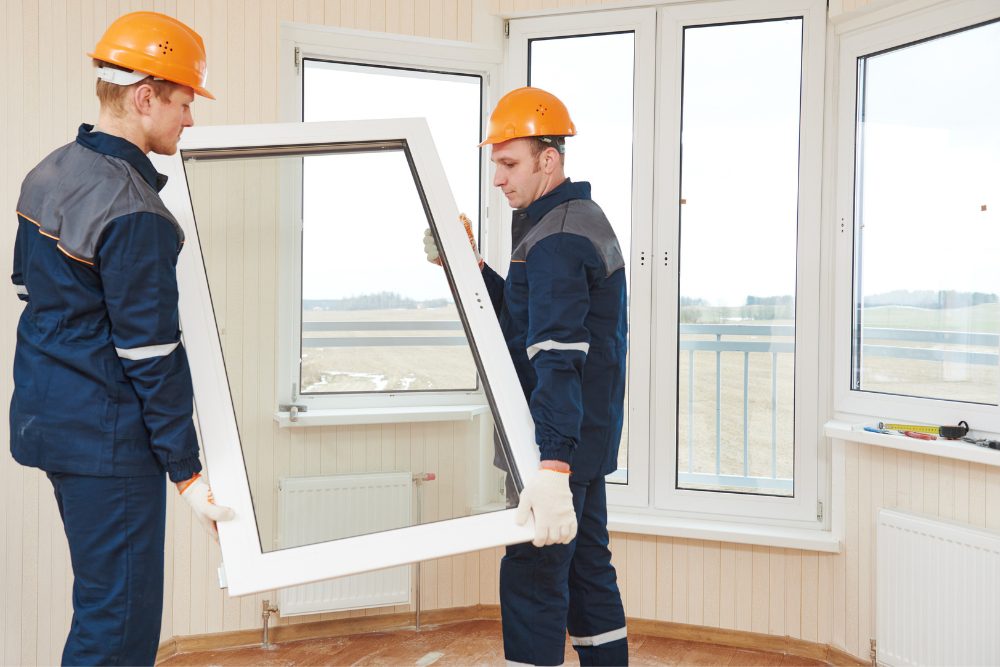
Window replacement requires more than just selecting a window and installing it. Skilled professionals bring knowledge of local guidelines, building codes, and structural considerations that enhance your project’s success. When you partner with experts who have hands-on experience in your region, you benefit from their familiarity with the area’s unique rules. They can help you understand which upgrades require approval, how to navigate local restrictions, and whether your preferred window style aligns with neighborhood expectations.
Local professionals also tend to understand climate patterns, making recommendations that suit your home’s needs beyond simple aesthetics. They can guide you toward designs that handle heat, insulation, and durability, all while ensuring the installation meets structural safety standards. Their insight often prevents delays and helps you avoid costly mistakes, making their involvement a valuable asset from start to finish.
The Benefits of Replacing Windows Responsibly
There’s a particular satisfaction that comes from taking a responsible and informed approach to home improvements. When it comes to window replacement, understanding your obligations—whether or not permission is needed—makes the experience smoother and helps you protect your investment. Responsible planning ensures your project aligns with building regulations and enhances your home’s performance without triggering unnecessary complications. It also supports long-term functionality by ensuring that the windows are securely installed and built to endure.
Another benefit is peace of mind. Knowing your project is structurally sound and compliant frees you to enjoy your home upgrades without lingering concerns. Responsible replacement also enhances your comfort, improves energy efficiency, and boosts the property’s appearance. In many cases, it even adds value, making it a smart choice whether you plan to stay or eventually sell.
Navigating Window Replacement in Unique Property Types
Some properties are more complex than others, and their unique nature can influence the permission process. Split-level homes, multi-story structures, or houses built with unconventional materials might require extra consideration. The structure of the building may limit how windows can be replaced or mandate specific installation techniques to maintain integrity. In rare cases, local authorities might want to ensure that any adjustments preserve safety standards for both residents and the community.
These variables can feel overwhelming for homeowners, but experts familiar with these scenarios can help simplify the journey. They know how to assess specific architectural features and match them with window solutions that maintain balance, safety, and aesthetic appeal. By understanding these variables, homeowners can approach window replacement with clarity and confidence, adjusting their plans as needed to accommodate the building’s structure.
Balancing Creativity and Compliance in Window Replacement
Window replacement offers a chance to refresh your home’s character, shape its visual identity, and improve its livability. Many homeowners enjoy the creative freedom that comes with choosing window designs, colors, and materials. Yet creativity must also be balanced with compliance, especially when local guidelines influence what changes are acceptable. The key is striking a harmony between imaginative choices and practical realities.
When that balance is achieved, window replacement becomes transformative rather than complicated. You can elevate your home’s exterior, enhance natural light, and improve energy performance while still respecting the framework that governs your area. Working with professionals ensures that the creative process stays grounded in technical expertise, helping you choose styles that fit your taste without risking noncompliance or delays.
Conclusion
If you’re planning to replace windows and want expert guidance from a trusted local team, reach out to Vista Glass Marana in Marana. You can contact them at 520-999-2659 or send an email to CSR@vistaglass.com for professional assistance that ensures your project is handled with precision and care.