
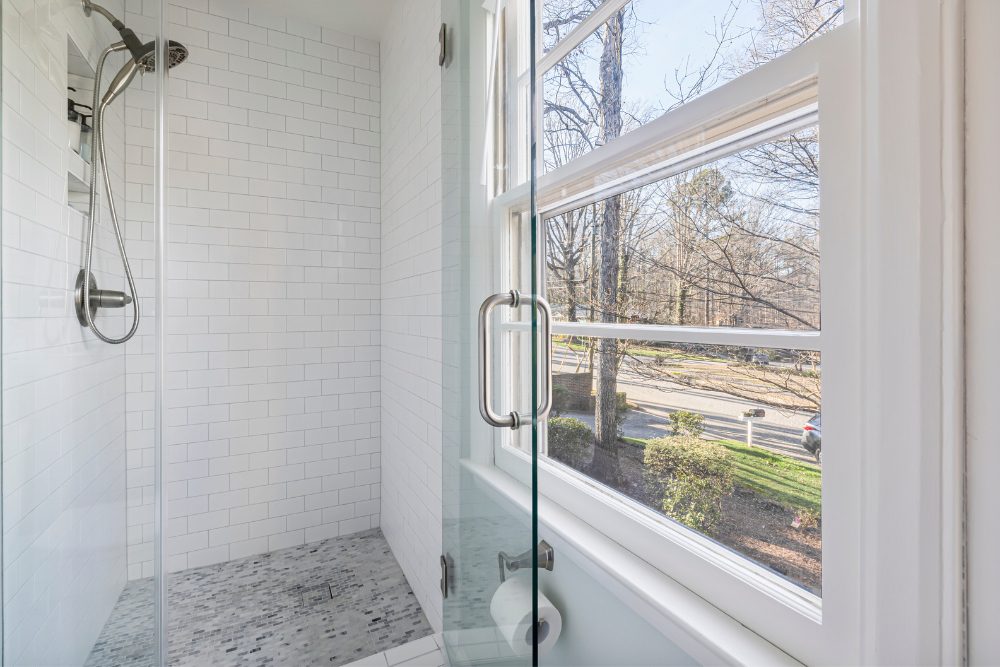
Smart glass technology is quietly transforming how homeowners and businesses think about window replacements. No longer limited to simple glass panes, these intelligent materials can shift from transparent to opaque, block heat, or even adjust to sunlight automatically. They promise not only comfort and energy savings but also a fresh sense of control over light and privacy. The shift isn’t just technical—it’s cultural. The window, once a static barrier, is now an active participant in a building’s ecosystem. This innovation has rippled across the window replacement industry, driving new expectations for sustainability and performance. With advanced sensors, responsive coatings, and customizable options, smart glass is setting a new benchmark for what modern window systems can achieve. The future of window replacement is no longer just about clarity—it’s about intelligence built directly into the glass itself.
The Evolution of Window Replacement with Smart Glass
Windows used to be simple—glass framed in wood or metal, offering light and a view. But as cities grew warmer and energy costs rose, the demand for smarter, more efficient solutions became urgent. Smart glass emerged as a solution that doesn’t just sit passively in a wall but interacts with the environment. Using technologies like electrochromic and thermochromic coatings, these windows adjust tint levels to manage glare and temperature.
For the window replacement industry, this evolution changes everything. Installation techniques have become more specialized, as technicians must handle electrical integrations and control systems alongside traditional sealing. The result is a market where craftsmanship meets cutting-edge science. Homeowners replacing windows are no longer asking for simple transparency—they’re asking for performance, adaptability, and long-term savings. The glass has become an intelligent interface, reflecting both light and progress.
Energy Efficiency Becomes the New Standard
Smart glass doesn’t just look impressive—it performs with measurable efficiency. By dynamically controlling solar gain and glare, it reduces reliance on air conditioning systems during hot months. In winter, the same glass can retain heat, optimizing indoor comfort and lowering energy bills. The balance it offers between visibility and insulation is a remarkable leap forward.
For replacement specialists, this means every project carries the promise of greener living. As building codes lean toward sustainability, homeowners are finding smart glass to be a forward-thinking investment rather than a luxury. The technology integrates seamlessly into modern architecture, offering both environmental responsibility and sleek design. Smart glass represents a shift from consumption to conservation, from waste to wisdom. It’s the kind of evolution that makes energy efficiency feel effortless—baked into the very structure of the home.
Privacy Without Compromise
Privacy and openness have long been at odds. Curtains block light, blinds interrupt views, and tinted windows limit clarity. Smart glass dissolves this old tension with a simple electric pulse. With the flick of a switch, the surface turns opaque, granting instant seclusion without dimming a room’s elegance. This duality—open yet private—makes it an architectural revelation.
In window replacement, this redefines what homeowners expect from glass. It’s not just a boundary between inside and outside; it’s an adaptive skin that responds to mood, time, or purpose. Offices use it for confidential meetings, while homes use it for bathrooms and bedrooms without the clutter of drapes. The subtle control feels futuristic yet deeply human, giving people power over their space with quiet precision. Smart glass is privacy that breathes, privacy without walls.
Redefining Aesthetics and Design Possibilities
Architects and designers are embracing smart glass for more than its function—it’s a creative tool. Transparent facades that darken at sunset, skylights that filter sunlight automatically, and partitions that fade into walls redefine how buildings communicate with light. For window replacement professionals, this means moving from uniform installations to customized art forms.
Each replacement becomes an opportunity to reshape the character of a home or office. The seamless appearance of smart glass enhances minimalist spaces, while its dynamic transitions add intrigue. Builders are no longer constrained by fixed tints or coatings; they can program light as if it were a living element. This merging of art and engineering signals a deeper shift in design philosophy. Glass is no longer a backdrop—it’s a participant in the visual story of every structure it adorns.
Automation and Smart Home Integration
The rise of smart homes has brought new expectations to every corner of living spaces, and smart glass fits right in. It syncs effortlessly with home automation systems, responding to voice commands or adjusting automatically based on sensor input. Imagine waking up to sunlight gradually brightening as the glass clears, or windows dimming themselves during a scorching afternoon—all without lifting a finger.
For window replacement experts, integration is now part of the installation process. Electrical connections and smart controls sit alongside seals and frames. This fusion of digital and physical craftsmanship elevates the value of replacements beyond aesthetics. Homeowners gain windows that think for themselves, optimizing comfort while reducing energy waste. Smart glass doesn’t just modernize a home—it connects it to a responsive ecosystem where convenience meets sustainability in perfect balance.
Safety and Durability at a Higher Level
Beyond aesthetics and energy efficiency, smart glass technology delivers impressive resilience. Layers of laminated glass and conductive films make these windows far stronger than traditional options. They resist impact, reduce the risk of shattering, and enhance security for homes and businesses.
In the replacement industry, durability means reliability. Technicians no longer focus solely on sealing gaps—they ensure electrical elements and coatings remain secure over years of use. These windows are built to last, even under the pressure of temperature shifts or heavy winds. Smart glass not only protects from environmental forces but also from the vulnerabilities of conventional glass systems. It’s a shield that combines intelligence with endurance, offering beauty that’s not fragile but fortified—a remarkable step forward for modern construction and home safety.
Commercial Spaces Discover the Benefits
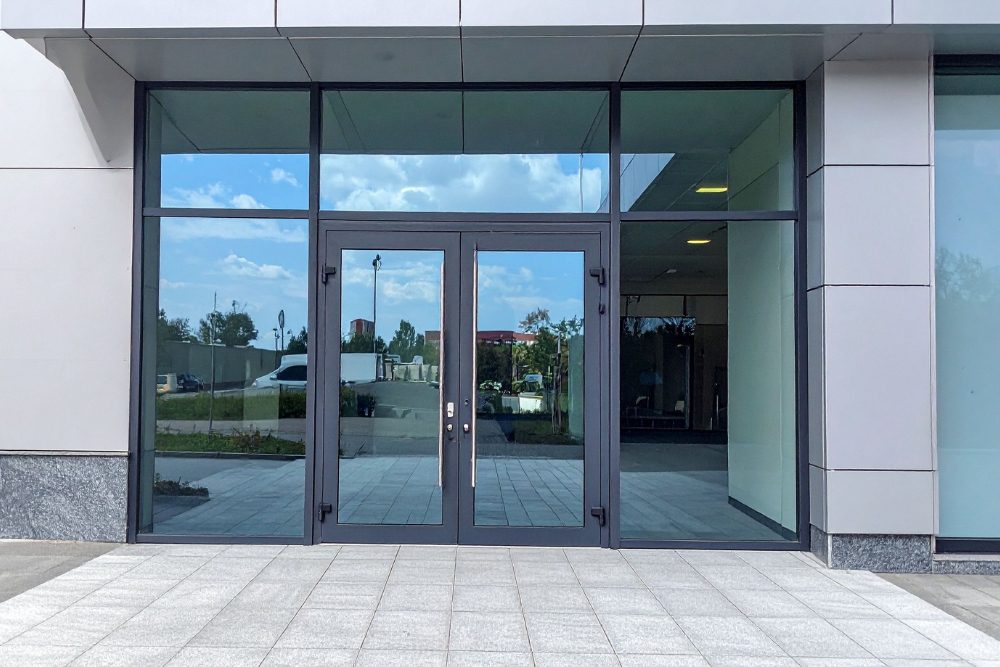
In the world of commercial design, smart glass has evolved from a novelty to a necessity. It transforms offices, hotels, hospitals, and retail spaces into dynamic environments that balance transparency and privacy. By controlling natural light through responsive tinting, businesses can reduce glare, stabilize indoor temperatures, and create atmospheres that enhance productivity. In offices, this technology fosters focus and comfort; in hospitality, it elevates guest experiences through privacy on demand. Hospitals benefit from hygienic partitions that replace curtains, allowing light to flow freely while maintaining sanitary conditions. Smart glass doesn’t just beautify commercial structures—it refines how they function.
For window replacement professionals, this evolution opens lucrative opportunities. Commercial clients increasingly demand systems that align with environmental and corporate values. Smart glass satisfies both, offering energy savings and a sleek, modern aesthetic. Beyond function, it signals innovation—an architectural statement that speaks volumes about a brand’s forward-thinking approach. The installation of smart glass becomes more than a project; it’s an investment in sustainability, efficiency, and identity. Every panel installed reflects a company’s commitment to progress and comfort, quietly turning buildings into living, responsive entities that adapt to people rather than the other way around.
Environmental Impact and Sustainable Building Goals
Every construction project affects the planet, but smart glass technology helps rewrite that story. By regulating light and temperature, it reduces the dependency on artificial lighting and mechanical cooling systems, thereby cutting energy use and emissions. This balance between design and efficiency has made smart glass a cornerstone of green architecture. Its adaptive features allow buildings to maintain comfort with minimal energy waste, easing the burden on urban power grids. The reduction in HVAC strain alone translates into significant carbon savings, which ripple through the building’s lifetime.
For the window replacement industry, this environmental alignment is redefining priorities. Each installation becomes a conscious act toward a sustainable future. Smart glass helps cities combat heat islands, improves indoor air quality, and supports the global transition toward low-energy buildings. Homeowners and businesses alike are realizing that choosing smart glass is not merely a design decision but a contribution to climate resilience. The combination of innovation and ecological responsibility demonstrates how technology can restore balance rather than disrupt it. As the demand for sustainable solutions grows, smart glass stands as a symbol of how beauty and responsibility can coexist in perfect harmony.
Cost and Long-Term Value
At first glance, smart glass appears to carry a premium price tag, but its benefits extend far beyond the initial investment. The dynamic control of sunlight translates to lower energy costs year-round—air conditioning in summer and heating in winter both see measurable reductions. This efficiency adds up, often allowing the technology to pay for itself within a few years. Homeowners also enjoy enhanced comfort and a noticeable improvement in the overall ambiance of their living space. Over time, these upgrades can raise property values, appealing to eco-conscious buyers who appreciate long-term functionality and innovation.
From the perspective of window replacement specialists, the conversation around cost is shifting. Clients are beginning to see replacements not as maintenance but as modernization. Smart glass eliminates the need for external shading devices and offers built-in privacy, reducing additional material and labor costs. It’s a system that optimizes convenience while saving money over decades of use. The durability of smart glass means fewer replacements and lower maintenance, reinforcing its long-term value. It’s not just about saving on utility bills—it’s about redefining investment in home comfort and sustainability, proving that modern efficiency and financial wisdom can coexist seamlessly.
The Future of Window Replacement
The trajectory of smart glass technology is racing forward, setting the stage for a future where windows are no longer passive elements but intelligent interfaces. Researchers are developing next-generation glass capable of self-cleaning, solar energy generation, and automatic tinting without electrical input. Imagine windows that absorb sunlight to power their own systems or even contribute to a home’s energy supply. This self-sustaining innovation blurs the line between structure and smart device. As these technologies mature, they promise to reshape the landscape of window replacement entirely, merging function, form, and futuristic adaptability.
For professionals in the replacement field, the challenge—and the opportunity—lies in evolving with these advancements. Training will increasingly involve integrating glass systems with digital controls, sensors, and smart home platforms. Homeowners will expect more than clarity and strength; they’ll demand intelligence and environmental sensitivity. The window industry is entering a renaissance where glass becomes an active participant in sustainability and automation. Smart glass symbolizes that future—a fusion of elegance and engineering that brings buildings to life. The coming decade will not just see windows replaced but reimagined, reflecting the human desire for innovation, efficiency, and harmony with the natural world.
Conclusion
Smart glass technology has redefined what windows can do, reshaping expectations across design, comfort, and sustainability. From energy efficiency to privacy on demand, it represents the next chapter in the evolution of modern living and architecture. For homeowners and businesses seeking to enhance performance and aesthetics, embracing smart glass isn’t just a choice—it’s a commitment to the future.
For professional assistance and expert installation, contact Vista Glass Marana in Marana at 520-999-2659 or email CSR@vistaglass.com for more information on window replacement solutions that blend innovation with craftsmanship.