
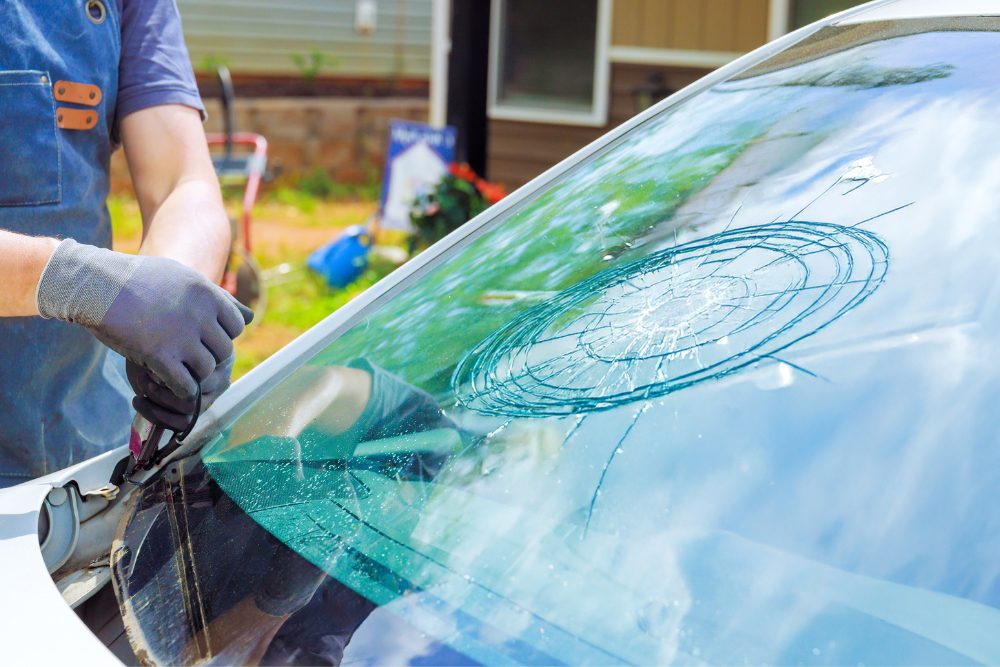
When winter sweeps in, your car’s glass becomes more than a surface to see through—it becomes a barrier against the season’s unpredictable temperament. Cold air contracts the molecules within the windshield, tightening its structure while making it more vulnerable to stress. Even a tiny chip can grow overnight when the temperature plummets, transforming what once seemed harmless into a dangerous fracture. Frost, road salt, and constant heating cycles inside the cabin all play their part in weakening the bond between glass and frame. Understanding how this process unfolds helps drivers recognize the urgency of early replacement. Professional installers know that cold weather doesn’t just test the durability of materials—it tests precision, patience, and technique. A windscreen fitted properly in winter isn’t merely restored; it’s reinforced to face a season where every drive becomes a quiet contest between glass and ice.
Cracks that Expand with the Cold
Cold air doesn’t just chill the surface—it seeps into the molecular structure of your glass. When temperatures drop suddenly, the outer layer of the windshield contracts faster than the inner one, creating internal tension. That’s when small imperfections, which seemed stable during warmer days, begin to creep and widen. These expanding cracks are not random; they follow paths of least resistance shaped by the stress points within the glass. Drivers often notice them after defrosting, when the heat inside contrasts sharply with the freezing exterior. This thermal tug-of-war weakens the glass even more. Ignoring a growing crack in winter means gambling with structural integrity, as each frost-and-thaw cycle deepens the fracture. Acting quickly by scheduling a professional replacement prevents these subtle forces from escalating into costly damage, ensuring your windshield maintains its strength when it’s needed most—right as the temperature plunges again.
The Hidden Strain of Temperature Swings
Winter rarely stays consistent. One morning may bring frost, the next a surprising thaw. This back-and-forth movement between extremes places enormous strain on a windshield’s layered composition. The glass expands slightly under heat and contracts when cold returns, creating micro-movements invisible to the eye. Over time, these repeated motions compromise the bond between the glass layers and the sealant holding it in place. Drivers often attribute a spreading crack to road debris, unaware that temperature swings might be the true culprit. The glass becomes fatigued, much like metal that bends once too often. Skilled technicians understand this silent wear and use materials designed to adapt to fluctuating temperatures. By replacing a windshield before these shifts take their toll, you’re not simply repairing a break—you’re preserving the vehicle’s safety envelope. Winter tests resilience, and your glass must be ready for every sudden change the season brings.
Why Defrosting Too Fast Can Backfire
It’s tempting to blast the heater on a freezing morning, but that rapid burst of warmth is often your windshield’s undoing. The outer glass, brittle from the cold, struggles to expand evenly as the inner layer heats up. This imbalance can cause sudden cracking, especially if the surface already has a minor chip. The glass essentially fractures from the inside out. The right approach is gradual defrosting—letting the temperature equalize without forcing expansion. Professional installers know that even during replacement, controlling heat exposure is crucial. Adhesives and bonding materials must cure at balanced temperatures to avoid future stress fractures. So the next time frost paints your windshield white, patience is more than a virtue—it’s protection. Treating glass gently during winter’s extremes can mean the difference between a clear morning commute and an emergency call for a new windscreen installation.
Adhesive Challenges in Freezing Weather
Installing glass in cold conditions is an art of precision. Adhesives used to bond the windshield to the car frame react differently when exposed to low temperatures. If the environment is too cold, the curing process slows down or even halts, leaving the glass insecure. Skilled technicians compensate by warming both the adhesive and the vehicle frame before installation. They might use specialized UV-resistant sealants or controlled curing environments to ensure proper bonding. DIY replacements often overlook this delicate balance, resulting in leaks or weak seals that fail when temperatures drop further. A professional replacement service understands that glass work in winter isn’t about rushing—it’s about respecting chemistry. The process must be timed perfectly so the adhesive sets with strength, not haste. When done correctly, your windshield can withstand both freezing nights and sunlit days without shifting or loosening under pressure.
Road Salt and Chemical Corrosion
Winter roads glisten not with ice alone but with salt and de-icing chemicals designed to keep drivers safe. Unfortunately, those same substances can erode the lower edges of your windshield and compromise its seals. Salt particles mix with moisture and creep into microscopic openings around the frame, accelerating corrosion. Over weeks, the adhesive can degrade, allowing drafts, leaks, or rattling vibrations to emerge. Even newly replaced glass can suffer if not sealed properly against this chemical intrusion. Regular cleaning with appropriate glass-safe solutions helps remove residue, but prevention begins with professional installation. Experts ensure that every contour of the windshield fits snugly, leaving no path for salt or grit to collect. When winter maintenance meets skilled craftsmanship, your glass doesn’t just stay clear—it stays defended against the silent corrosive forces coating every frozen highway.
Visibility Risks During Winter Driving
Snowstorms don’t only block the road; they cloud perception. A damaged windshield magnifies that hazard, refracting light from headlights, streetlamps, and oncoming vehicles into blinding streaks. Cracks and chips scatter reflections, reducing clarity just when visibility matters most. Drivers often underestimate how small imperfections distort the line of sight during night or snowfall. Professional replacement restores more than transparency—it restores precision to your vision. Modern windshields are designed with optical clarity standards that support safety systems like lane detection or rain sensors. When glass loses this integrity, those systems can misread their environment. Replacing a compromised windshield before the next storm ensures that light, water, and wiper motion interact as intended. In winter, clarity isn’t luxury—it’s survival. Each new pane becomes not just protection from the elements but the difference between reaction and collision.
Structural Safety and Cabin Pressure
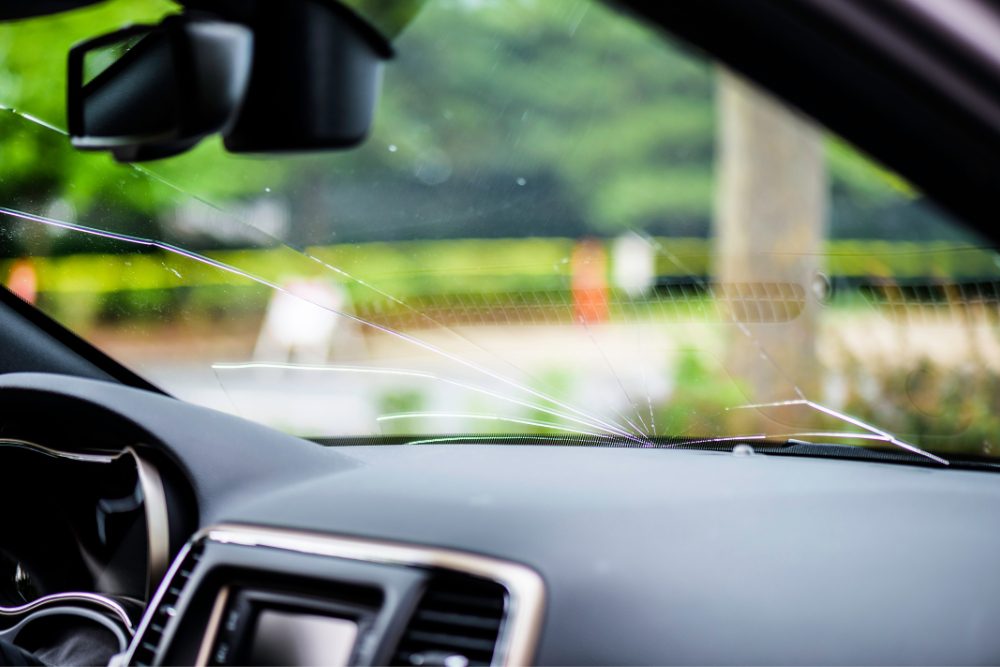
A windshield does more than block wind—it anchors the vehicle’s entire frame. During a rollover, it helps support the roof, preventing collapse. In cold temperatures, the glass becomes stiffer, and if it’s already weakened by cracks, the structure’s overall strength diminishes. Cabin pressure fluctuates when heaters and defrosters run, adding subtle stress to the glass edges. Over time, these combined factors can cause even minor chips to spread unpredictably. Professional replacement restores not only visibility but also the original pressure balance within the cabin. Each seal, each layer of adhesive, contributes to the car’s designed rigidity. Neglecting this during winter months means risking more than cosmetic damage. A properly installed windshield maintains alignment and distributes impact energy correctly, even under extreme cold. That integrity is what separates a secure cabin from a vulnerable one when roads turn slippery and unpredictable.
The Myth of “Temporary Fixes”
DIY kits promise quick solutions for winter cracks, but they often disguise deeper damage rather than repair it. Resin fillers may seem to halt the spread, yet under freezing conditions, these materials shrink and separate, exposing the crack again. What starts as a minor fix becomes an invitation for moisture to seep in and refreeze. This expansion cycle can split the glass faster than before. Professional services use specialized resins formulated to resist temperature contraction, applied under controlled conditions to prevent trapped air. A temporary patch might hold for a day, but true restoration demands technique and equipment suited to the season. Choosing replacement over repeated patchwork avoids future failures, ensuring your glass performs reliably throughout winter’s unpredictability. The difference lies in durability—not just how it looks today, but how it survives tomorrow’s frost.
Cost Efficiency Through Preventive Replacement
Waiting until a crack becomes catastrophic isn’t economical—it’s expensive. Each day of delay invites further stress, spreading damage across layers that were once repairable. Winter accelerates this process through rapid temperature shifts and hidden moisture expansion. The cost of a full replacement remains lower than the potential expense of structural compromise or failed safety inspection. Drivers often assume postponing saves money, but preventive replacement eliminates recurring repair fees and reduces insurance complications. Reputable glass specialists offer warranties that ensure the job withstands seasonal extremes. Choosing timely service means paying once for long-term assurance rather than multiple times for short-term relief. Winter’s unpredictability rewards preparation; acting early preserves both vehicle value and driver peace of mind. In the arithmetic of glass care, prevention isn’t optional—it’s financial intelligence disguised as foresight.
The Value of Professional Precision
Windshield replacement in winter isn’t a task for improvisation. Professionals combine temperature control, calibrated tools, and meticulous cleaning to ensure every contour aligns perfectly. This precision determines not only the seal’s strength but also the way air flows around your car at high speed. An uneven fit can create drag, noise, or minor leaks that worsen in freezing rain. Skilled technicians adapt materials to seasonal conditions, guaranteeing that adhesives cure evenly and sensors recalibrate correctly. While it’s easy to underestimate such craftsmanship, every adjustment safeguards your driving comfort and safety. Replacing glass isn’t just a technical service—it’s a restoration of harmony between structure and environment. In winter, that harmony is fragile, and only precision can preserve it through storms, frost, and temperature swings. The mark of a true professional lies in glass that disappears from awareness—because it’s fitted flawlessly.
Conclusion
Winter exposes the unseen weaknesses in every windshield—the expanding cracks, the strained seals, and the hurried fixes that never last. Timely replacement restores strength, clarity, and peace of mind when the temperature drops and the road turns unpredictable. For dependable craftsmanship and seasonal expertise, contact Vista Glass Marana in Marana at 520-999-2659 or email CSR@vistaglass.com. Their specialists understand that cold weather demands more than repair—it demands precision designed to last through every storm that winter has in store.