
When summer heat grips your car, your windshield bears more stress than you might imagine. Glass, though seemingly solid, expands under intense temperatures. When the sun beats down, the outer surface of your windshield heats faster than the inner layer, creating tension between them. Over time, this pressure can turn a barely visible chip into a spreading crack. Parking directly under the sun or using cold water to cool your car can make the problem worse, as abrupt temperature changes shock the glass. The result—unwanted fractures and a costly replacement. Understanding how heat interacts with your windshield is key to prevention. With the right habits, such as parking in shaded areas or applying protective sunshades, you can avoid premature damage and keep your windshield clear, strong, and safe for the long drives ahead.
Hidden Pressure Beneath the Sun
Heat doesn’t just make your car interior unbearable; it transforms your windshield into a battlefield of expanding molecules. The glass stretches microscopically under high temperatures, creating invisible tension that can turn even a tiny chip into a dangerous fracture. The dark tint strip at the top of your windshield absorbs more sunlight, intensifying heat concentration and uneven expansion. When the day cools at night, that same glass contracts, creating a cycle of stress. Over weeks, this back-and-forth pressure weakens structural integrity, leaving your windshield vulnerable to cracks.
To prevent these microscopic battles from escalating, drivers should minimize direct sun exposure. Parking under trees or using a reflective sunshade slows down temperature spikes. Avoid washing your hot windshield with cold water—a thermal shock that can cause sudden splitting. Protecting your glass from heat isn’t complicated, but it does require consistent care. Your windshield’s clarity depends on small habits that make a big difference.
Why Sudden Temperature Changes Break Glass
Your windshield doesn’t appreciate surprises. When blazing heat meets a splash of cold water, the temperature difference causes rapid contraction and expansion across the glass layers. This uneven reaction can send cracks racing across your windshield like lightning. The outer surface cools faster, while the inner layer remains hot, producing uneven tension that weakens its structure. Even a small preexisting chip becomes a weak point where the stress concentrates, and that’s where the break begins.
Instead of cooling your car abruptly, let it breathe. Crack your windows slightly when parked and let the heat escape before blasting the air conditioning. Wash your car in the early morning or late evening when temperatures are balanced. These small adjustments can help preserve your windshield’s stability, saving you the trouble of sudden replacements caused by extreme shifts between hot and cold.
The Role of Windshield Tints in Heat Protection
Window tints aren’t just aesthetic—they act as shields against relentless sunlight. Quality tints block a significant portion of UV rays, keeping your car interior cooler while reducing thermal stress on the glass. When less heat penetrates the surface, your windshield experiences a gentler expansion pattern, lowering the risk of cracks. However, not all tints are created equal; cheap films may bubble, peel, or trap heat unevenly, doing more harm than good.
Investing in a professional-grade tint designed to reflect infrared light can extend your windshield’s lifespan. It helps maintain temperature consistency across the glass, which is crucial during scorching afternoons. For desert climates, such protection becomes less of a luxury and more of a necessity. By reducing direct exposure, you create a buffer between your windshield and the aggressive heat that often leads to spontaneous cracking.
Parking Choices That Save Your Windshield
Every parking decision in summer is a silent battle against heat damage. Leaving your car under the blazing sun for hours transforms the windshield into a heat trap. The surface temperature can soar high enough to distort adhesive layers or compromise the bond between the glass and the frame. Shade isn’t just about comfort—it’s a protective measure. Parking under trees, near buildings, or in garages limits direct exposure and helps maintain even temperature distribution.
If shade isn’t available, use reflective windshield covers. They bounce sunlight away before it can be absorbed into the glass, significantly lowering surface heat. The fewer temperature spikes your windshield endures, the longer it will resist cracking. Consistency is key; even small habits, like repositioning your vehicle during the day, can spare your windshield from the damaging cycle of thermal expansion.
The Science of Expansion and Contraction
Windshield glass isn’t static—it breathes with the weather. On hot days, molecules within the laminated layers stretch, pushing outward. When evening arrives, the temperature drop forces them to contract. Though this cycle seems harmless, repetition weakens molecular bonds over time. Areas with existing chips or imperfections become the first to fail, transforming what once was a minor flaw into a major crack.
Understanding this expansion-contraction cycle helps you anticipate problems before they occur. Preventive maintenance, such as repairing chips early and keeping your windshield clean, maintains uniform stress distribution. Dirt and debris can trap heat, intensifying localized tension. A clean, clear surface cools evenly, reducing the likelihood of sudden fractures. In essence, maintenance isn’t just about appearance—it’s about preserving the strength of your vehicle’s most vulnerable shield.
Simple Habits That Prevent Summer Cracks
Caring for your windshield in summer doesn’t require grand gestures—just simple consistency. The most effective habits often seem too small to matter, yet they quietly protect your glass from heat-related stress. Parking in shaded areas, applying reflective windshield covers, and using mild cleaning solutions can all make a noticeable difference. These small steps prevent the glass from absorbing too much heat, reducing the strain that leads to cracking. The same principle applies inside your vehicle—avoid sudden temperature drops by gradually cooling your car instead of blasting cold air immediately. Even slight moderation helps the glass maintain its balance and prevents thermal shock.
Another often-overlooked habit is addressing minor chips early. Heat amplifies weaknesses, and what starts as a dot can spread like a web once the temperature climbs. Professional chip repair is quick and affordable compared to a full replacement. It’s not just about maintaining clarity—it’s about preserving your windshield’s role in structural safety. Treat it as part of your vehicle’s frame, not just a transparent barrier. Consistent attention and gentle care ensure your windshield survives the harshest heat without giving in to invisible tension or spreading cracks.
When It’s Too Late for Repairs
There comes a point when prevention can’t undo the damage. Once a crack stretches too far, the integrity of your windshield is compromised. At that stage, repair becomes impossible, and replacement is the only safe choice. Continuing to drive with a damaged windshield doesn’t just obstruct vision—it weakens the vehicle’s structure. The windshield provides essential support during airbag deployment and rollover accidents. In hot weather, the adhesive softens, loosening the glass’s grip and raising the risk of total detachment under stress. Ignoring this reality can lead to dangerous situations that compromise both safety and visibility.
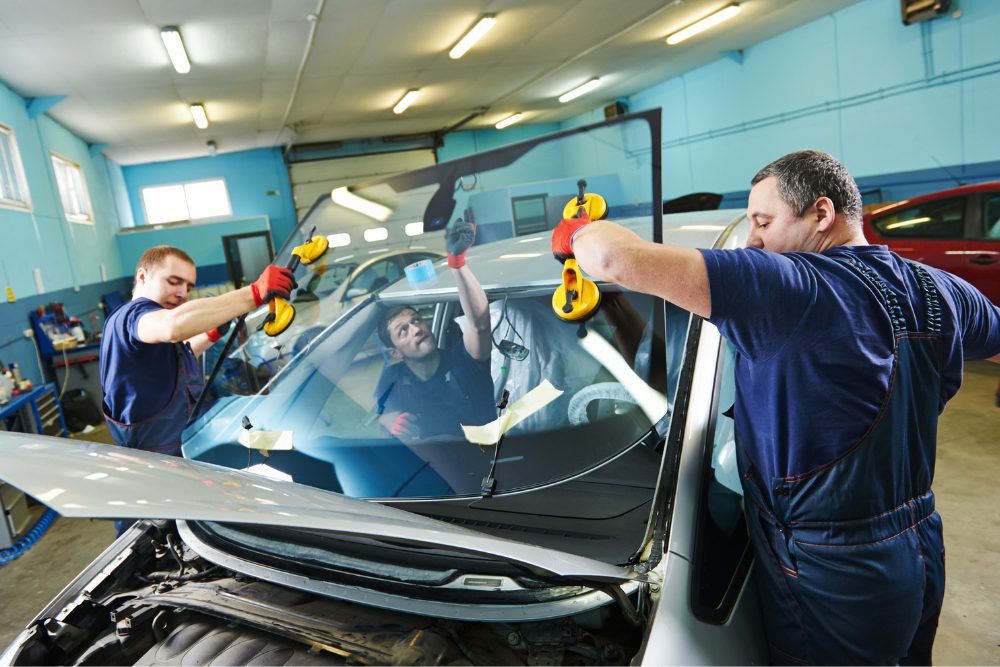
Acting quickly when replacement becomes necessary protects both you and your car. Professional installers use specialized adhesives designed to withstand high temperatures, ensuring the glass bonds correctly to the frame. This precision ensures your windshield functions as intended in collisions and against harsh weather conditions. Delaying replacement gives heat more time to widen cracks and distort your view. Once the damage spreads, it’s no longer a surface issue—it’s a matter of structural security. Replacing your windshield promptly restores strength, safety, and clarity before the summer sun turns a minor inconvenience into a serious hazard.
Choosing Quality Windshield Replacement Services
When your windshield reaches the point of no return, the quality of replacement determines how long your new glass will endure. True professionals don’t just swap panels—they follow meticulous steps that match original manufacturer standards. Using OEM-quality glass ensures precision in fit and durability. The adhesives they use matter just as much; they must cure correctly, especially in high temperatures, to prevent future loosening or leaks. A windshield that isn’t bonded properly may warp under heat or separate during impact, turning what should protect you into a vulnerability. Quality installation is about craftsmanship, not just convenience.
Choosing a service provider who understands local climate conditions makes all the difference. In hot regions, installers must work with heat-resistant adhesives and allow sufficient curing time before the vehicle is exposed to sunlight. Rushed jobs may look fine at first but fail under thermal pressure later. Certified technicians prioritize safety over speed, ensuring your windshield integrates seamlessly with your vehicle’s frame. With skilled hands and proper materials, a new windshield restores both confidence and protection. Quality service transforms your car’s weakest point back into a reliable shield against heat and impact alike.
The Cost of Ignoring Heat Damage
It’s easy to dismiss a small crack as harmless, but in hot weather, that tiny flaw can become a costly mistake. Sunlight magnifies stress across the glass, and even a small imperfection can quickly expand into multiple fractures. As cracks spread, repair becomes impossible, forcing a full replacement that could have been avoided with early intervention. The financial burden of replacement is significantly higher than a simple fix, and waiting too long often means losing your chance at a cheaper, quicker solution. The heat doesn’t just stress the glass—it accelerates the problem beyond control.
But the cost goes beyond your wallet. A damaged windshield jeopardizes the car’s frame strength, especially during collisions or rollovers. Airbags depend on a stable windshield to deploy correctly. Once cracks appear, that stability fades, and so does your protection. Even if the damage looks minor, it can interfere with visibility, turning bright sunlight into a web of glare. Treating heat damage as trivial invites both safety risks and higher costs later. The smartest move is early attention—fix small issues before they grow, and you’ll save money, maintain safety, and extend the life of your windshield.
The Final Shield Between You and the Road
Your windshield is more than a clear pane—it’s your silent guardian against debris, sunlight, and sudden impact. It supports your vehicle’s structure while keeping you shielded from the outside world. During summer, its role becomes even more vital as heat tests the limits of both glass and adhesive. Maintaining your windshield isn’t about luxury; it’s about ensuring that the barrier between you and the road remains unbroken. Taking preventive steps like using sunshades, parking wisely, and fixing chips early keeps that barrier strong and your visibility sharp, no matter how hot the day gets.
When the Arizona sun becomes relentless, proper maintenance and professional care are your best defenses. For dependable help with windshield repair or replacement, reach out to Vista Glass Marana in Marana. Their expert technicians understand how heat affects glass and use premium materials to ensure long-lasting protection. Whether you’re dealing with a growing crack or seeking preventive care, they provide precise solutions that stand up to the heat. Call 520-999-2659 or email CSR@vistaglass.com to schedule a service that keeps your windshield safe, sturdy, and crystal clear through every mile.