
Understanding the Challenge of Cold-Weather Glass Replacement
Winter can be harsh on your vehicle, and your windshield takes the brunt of it. Freezing temperatures, road salt, and sudden temperature changes can all contribute to small cracks expanding into major fractures. When this happens, replacement isn’t just about restoring a clear view—it’s about safety and maintaining your vehicle’s structure. Unlike summer repairs, winter windshield replacements demand extra precision because adhesives cure slower in the cold. Technicians often use temperature-controlled environments and specialized materials designed to withstand low temperatures. This careful process ensures that your new glass bonds securely to your car’s frame, maintaining the strength and visibility you rely on during icy conditions.
How Cold Affects Windshield Adhesion and Durability
In cold weather, adhesives used for windshield replacement don’t cure as quickly as they do in warmer months. The lower the temperature, the longer it takes for the materials to set completely, which can compromise the seal if not handled properly. Professional installers adjust their techniques by using heated garages or fast-curing adhesives specifically made for winter use. This ensures the glass bonds tightly to the frame, preventing leaks and fogging once you hit the road. The key is timing—rushing the process can lead to weak adhesion and future cracks. That’s why winter windshield replacements require not just technical skill but also patience and experience from trained specialists who understand how temperature impacts the materials involved.
The Hidden Risks of Driving with a Damaged Windshield in Winter
A damaged windshield might seem like a minor issue, but in winter, it can quickly become a serious hazard. The combination of freezing temperatures and moisture allows cracks to expand faster, distorting your visibility. Even small chips can refract light from oncoming headlights or street lamps, creating glare that reduces your reaction time. Additionally, a cracked windshield compromises the structural integrity of your vehicle—especially important in accidents where the glass supports airbag deployment. Replacing a damaged windshield before winter storms hit ensures your car’s safety systems function as intended. Professionals can detect underlying stress points invisible to the naked eye and replace your glass before it becomes a bigger risk on icy roads.
Why Early Replacement Can Save You Money and Stress
Waiting until the coldest months to replace a damaged windshield often leads to more expensive repairs. The rapid expansion and contraction caused by freezing and thawing cycles can turn a small crack into a full-blown fracture, requiring complete replacement. Scheduling your replacement early—before the first frost—helps avoid emergency services that typically cost more. Plus, early replacement allows the adhesive to set properly in mild conditions, ensuring a secure seal that won’t loosen later. Preventive action now can spare you from unexpected downtime and dangerous visibility issues when driving in winter storms. Investing in timely maintenance not only protects your wallet but also ensures peace of mind throughout the cold season.
Preparing Your Vehicle for a Winter Windshield Replacement
Before your winter windshield replacement appointment, a few simple steps can make the process smoother and more efficient. Start by clearing all snow, ice, and debris from the windshield and surrounding areas. This prevents contaminants from interfering with the adhesive and ensures a clean surface for installation. Inspect your vehicle’s defroster and heating system, as these will play a vital role after the replacement is complete. Technicians often test these features post-installation to confirm that airflow and heat distribution are working properly. Keeping your car warm before arrival, if possible, helps speed up the curing process and ensures a more durable seal.
Professional installers typically use heat guns or controlled air systems during replacement to maintain the right temperature for the adhesive to bond securely. These small details make a big difference in the final result. Preparing your car in advance not only saves time but also ensures your new windshield performs at its best under winter conditions. A well-prepared vehicle allows technicians to work efficiently, minimizing exposure to freezing air that can disrupt curing. Once installation is complete, your car will be ready to handle frosty mornings and slippery roads with a perfectly fitted, weather-resistant windshield.
Choosing the Right Professionals for the Job
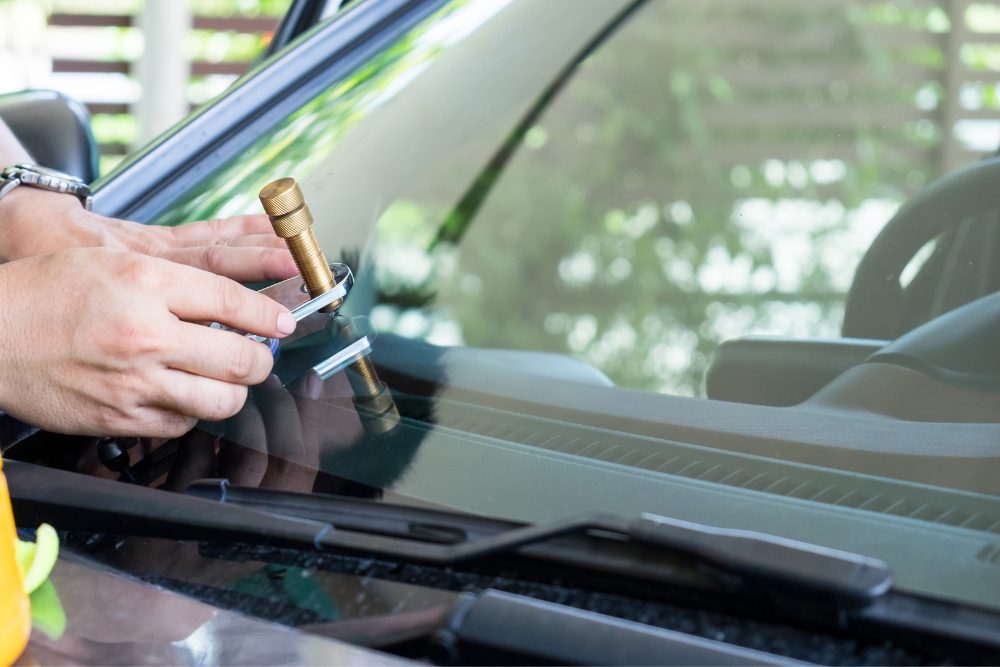
Selecting the right auto glass experts during winter can mean the difference between a flawless replacement and a future problem. Not all repair shops are equipped to handle the cold, as winter installation requires precision tools, temperature-sensitive adhesives, and experience with low-temperature bonding. Skilled technicians adjust their approach depending on outdoor conditions, using fast-curing sealants and controlled heat to ensure a perfect fit. Certified professionals also follow manufacturer guidelines to prevent sensor misalignment and water leaks, both of which are common when inexperienced hands handle cold-weather jobs.
A reputable shop will also use OEM-quality glass designed specifically for your vehicle’s make and model. This ensures optimal clarity and structural strength once installed. Local experts are especially valuable because they understand regional weather patterns and how they affect glass durability. When evaluating a service provider, look for credentials, warranty options, and customer-focused processes. Choosing qualified professionals doesn’t just protect your investment—it guarantees your windshield will withstand the toughest winter conditions while maintaining safety and visibility. Trusted specialists blend technical skill with environmental awareness, providing an installation that lasts through every freeze and thaw cycle of the season.
Common Mistakes to Avoid During Winter Windshield Replacement
After replacing your windshield in winter, one of the most critical things to remember is patience. The adhesive used to secure your new glass needs proper curing time and stable temperatures to bond effectively. Many drivers make the mistake of driving too soon, not realizing that the seal hasn’t fully set. This can lead to air leaks, moisture intrusion, and even a weakened installation. Another common error is turning the defroster on at maximum heat immediately after installation. The sudden temperature difference between the glass and surrounding air can create thermal stress, leading to small fractures or fogging.
Equally important is performing a quick check for leaks once the curing process is complete. Even a small gap can allow cold air or moisture to enter, reducing visibility and creating fog inside the vehicle. Some drivers also forget to avoid slamming doors too soon after installation—a sudden air pressure change can disturb the curing adhesive. To ensure a long-lasting replacement, follow the installer’s care instructions carefully and allow the glass to settle properly. Avoiding these small but significant mistakes ensures your new windshield remains secure, clear, and resilient against the challenges of winter driving.
The Role of Technology in Modern Windshield Replacement
Windshield replacement has evolved dramatically in recent years, particularly for vehicles equipped with advanced driver-assistance systems (ADAS). These systems include lane-keeping sensors, automatic braking cameras, and rain detection units—all often integrated into the windshield. Replacing glass in winter introduces added complexity, as precise recalibration is required even in cold environments. Professional technicians use digital alignment systems and calibration tools to ensure that sensors continue to function accurately after the new glass is installed. Cold weather can slow the curing process, but advanced adhesives and infrared curing technology now allow for faster, safer installations.
Modern adhesives are designed with temperature flexibility in mind, meaning they maintain bonding strength even in freezing conditions. This innovation ensures structural integrity regardless of weather. A properly calibrated windshield not only supports the vehicle’s safety systems but also enhances your control and awareness while driving in snow or ice. The blend of craftsmanship and technology is what sets skilled professionals apart. They balance digital precision with hands-on expertise to deliver flawless results. As vehicles become smarter, the importance of correct installation grows—especially in winter, when reliability and visibility are essential to safety.
The Environmental Impact of Proper Windshield Disposal
Behind every professional windshield replacement lies an often-overlooked process: responsible disposal. Old windshields can contribute to significant waste if not recycled properly. Many modern glass service centers have adopted sustainable methods, ensuring that replaced windshields are collected, processed, and repurposed. During winter, when windshield damage is more frequent, the environmental footprint of these replacements grows. By recycling glass, technicians prevent unnecessary landfill buildup and give new life to the materials in other forms—such as construction aggregates, glass bottles, or even new automotive parts.
This eco-conscious approach not only benefits the planet but also reflects a shop’s commitment to ethical service. Vista-area professionals often separate glass from non-recyclable materials, ensuring clean, reusable components. Supporting businesses that prioritize sustainability allows you to contribute to a cleaner community without sacrificing quality. Proper disposal also reduces the energy costs of producing new glass from raw materials. Choosing a shop that values green practices means your replacement contributes to both safer roads and a healthier environment—a small but powerful step in preserving resources for future generations.
Keeping Your New Windshield Protected All Winter
Your new windshield is built to endure harsh weather, but proper care ensures it remains crystal clear and structurally strong all winter long. Start by avoiding extreme temperature changes—never pour hot water on frozen glass, as the rapid expansion can cause cracks. Instead, use approved de-icing sprays and soft tools to remove frost. Replacing worn-out wiper blades is also essential; stiff or cracked rubber can scratch the surface and weaken its clarity. Consistent cleaning helps remove salt residue and grime that accumulate during winter drives, keeping your visibility unobstructed.
Parking habits also play a role in protection. Whenever possible, keep your vehicle in a covered area or shaded spot to prevent direct exposure to freezing rain or snow. Avoid slamming car doors, as the air pressure can stress newly installed glass. Gentle care after installation extends your windshield’s lifespan and ensures a secure seal throughout the season. These habits may seem small, but they collectively preserve the integrity of the installation and maintain driving safety. When paired with professional craftsmanship, thoughtful maintenance keeps your view clear and your vehicle safe even in the harshest winter storms.
Conclusion
Replacing your windshield during winter doesn’t have to be stressful—it simply requires attention to timing, technique, and expert service. A properly installed windshield keeps your vehicle insulated, structurally sound, and visually clear when it matters most. For dependable winter windshield replacements handled with precision and care, contact Vista Glass Marana in Marana. You can reach them at 520-999-2659 or email CSR@vistaglass.com to schedule your appointment and ensure your vehicle stays safe this winter.