
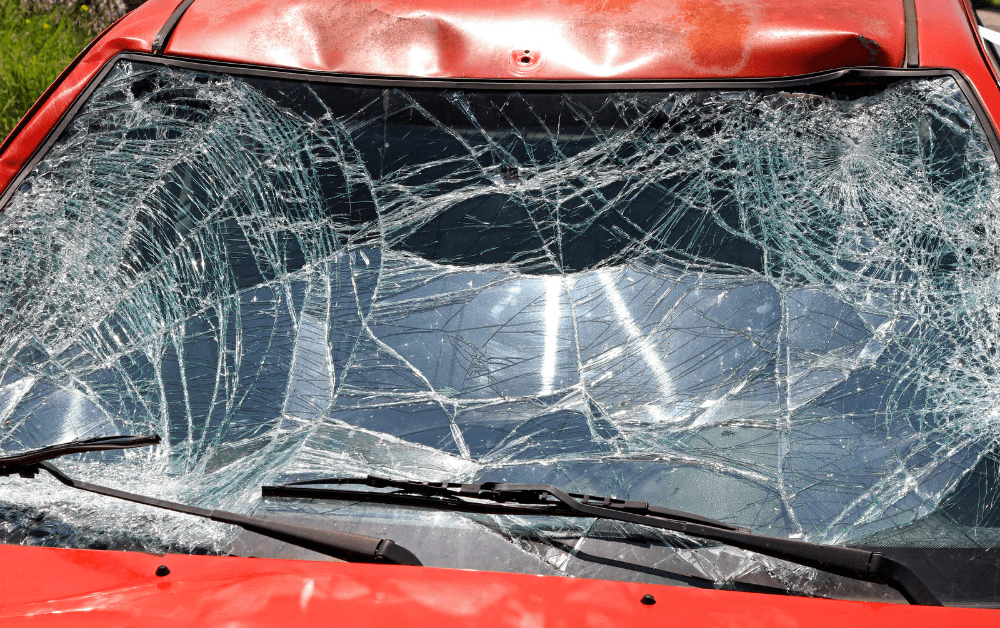
Replacing a cracked or shattered windshield can feel like an unexpected financial setback. Yet, most drivers don’t realize their insurance could step in to cover much or even all of the expense. Auto glass damage often happens without warning—a stray rock on the highway, storm debris, or a sudden temperature shift—and the cost of replacement can vary widely depending on the vehicle type and the extent of damage. Understanding how insurance works in these situations can save you time, stress, and money. It’s not just about filing a claim; it’s about knowing when and how to use your coverage to your advantage. This guide explores how insurance can offset windshield replacement costs, what factors affect eligibility, and how choosing the right auto glass professionals can ensure your vehicle remains safe and road-ready without draining your wallet.
Understanding What Auto Insurance Covers for Windshields
Auto insurance doesn’t always function the same way for every type of glass damage. Some policies offer comprehensive coverage that pays for windshield repair or replacement, while others may require you to cover part of the cost. Comprehensive insurance typically includes protection from non-collision events—like hail, theft, vandalism, or flying debris. However, the specifics of how much is covered can differ dramatically between insurers and states. It’s essential to review your policy carefully or talk to your insurance agent before making assumptions about coverage.
When your windshield gets cracked, the last thing you want is confusion about cost. A reputable auto glass company can often help verify your insurance details, submit claims on your behalf, and ensure the repair process aligns with your policy’s requirements. By knowing your coverage upfront, you’ll avoid unnecessary expenses and ensure your vehicle remains compliant with safety standards.
Why Comprehensive Coverage Is Worth Having
Many drivers question whether comprehensive coverage is worth the extra monthly cost. The answer often becomes clear after the first windshield replacement bill. Modern vehicles use advanced sensors, cameras, and heating elements embedded in the glass, dramatically raising replacement costs. A simple chip in an older model might cost under $200, but for newer vehicles, a replacement could exceed $1,000. With comprehensive coverage, that expense could be fully or partially covered, making it a valuable financial safeguard.
Beyond the immediate cost savings, comprehensive coverage also provides peace of mind. It protects against unpredictable incidents like falling branches or sudden temperature-related cracks. Without it, even a minor chip can turn into a costly repair if left untreated. So while it’s easy to skip optional coverage when tightening your budget, it often pays for itself when the unexpected happens. Understanding this coverage helps drivers make smarter insurance decisions before they face a cracked windshield.
When a Repair Becomes a Replacement
A small chip may seem harmless at first, but under the right (or wrong) conditions—heat, vibration, or cold—it can expand quickly into a full crack. At that point, a replacement becomes necessary. Insurance companies typically prefer repairs when possible because they cost less. However, if the damage obstructs your line of sight or extends beyond a few inches, a full replacement is usually required. Knowing the threshold between repairable and replaceable damage is essential when you’re filing a claim.
Professional glass technicians can evaluate the severity and recommend the best course of action. They’ll document the damage and help you submit that evidence to your insurer if needed. Most insurance providers have clear guidelines that determine eligibility for repair versus replacement. By acting quickly, you avoid complications and keep your coverage straightforward, ensuring your safety and maintaining your vehicle’s structural integrity.
The Claim Process Explained
Filing an insurance claim for a windshield replacement may sound intimidating, but it’s actually quite manageable. Start by contacting your insurance company and reporting the damage. They’ll guide you through whether your policy includes a deductible and how much of the cost will be covered. Many insurers work directly with auto glass shops to simplify the process, so you might not even have to handle the paperwork yourself. Once the claim is approved, you can schedule a replacement appointment.
The key is choosing a shop experienced in handling insurance claims. They can confirm your coverage, communicate with the insurer, and ensure all documentation meets policy requirements. This minimizes your out-of-pocket expense and speeds up the repair process. A well-handled claim not only gets you back on the road faster but also preserves your insurance benefits for future needs.
How Choosing the Right Auto Glass Shop Makes a Difference
Not all auto glass companies handle insurance claims equally. Some may require you to pay upfront, while others, particularly reputable providers, bill the insurance company directly. Choosing a trusted local business ensures transparency and smoother coordination with your insurer. Experienced technicians not only replace your windshield but also recalibrate any built-in sensors or driver-assistance systems your vehicle relies on.
A professional glass shop prioritizes safety over speed, ensuring that installation aligns with manufacturer specifications. They use top-quality materials, advanced equipment, and industry-approved adhesives to maintain the car’s integrity. More importantly, they can guide you through your coverage options, helping you understand whether your replacement is fully covered or if a deductible applies. Partnering with an experienced shop transforms what could be a stressful experience into a straightforward, worry-free process.
The Hidden Safety Role of Windshields
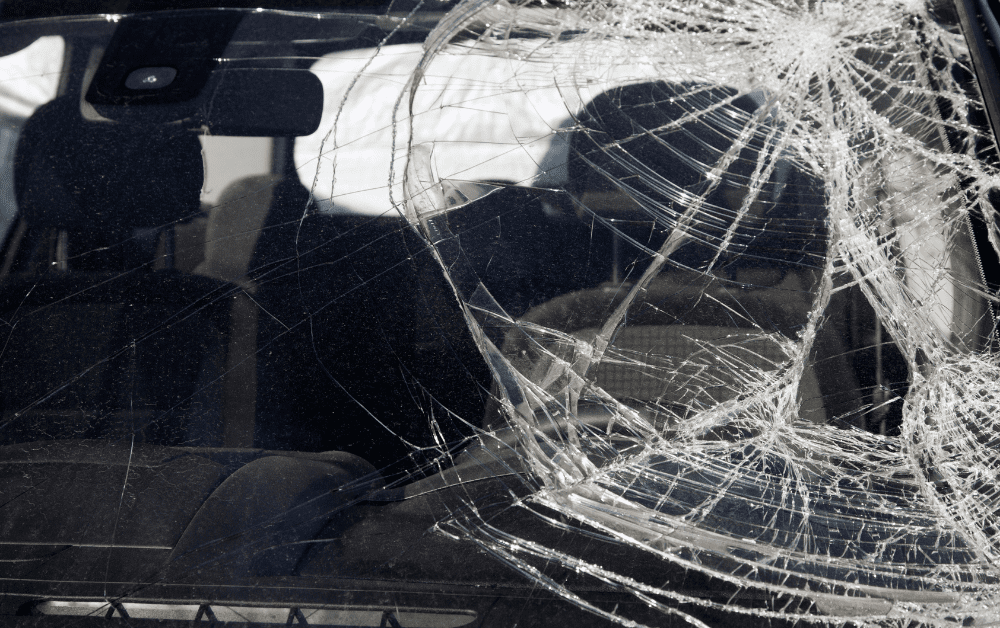
Many drivers underestimate the role a windshield plays beyond shielding you from wind and bugs. It’s a structural component that supports airbags and strengthens the roof in a rollover. A damaged or poorly installed windshield can compromise both functions. That’s why insurance companies often cover replacement—they recognize it as a safety feature, not a luxury. Ensuring your windshield is intact helps protect you, your passengers, and even your vehicle’s value.
If your windshield is cracked or chipped, it’s not just a cosmetic issue. The longer you wait, the more likely the damage will worsen. Insurance coverage encourages timely replacements by reducing the financial burden. A properly replaced windshield restores your vehicle’s factory-level safety, keeping every drive secure. Understanding its importance turns what seems like a minor inconvenience into an essential investment in your well-being.
Understanding Deductibles and Out-of-Pocket Costs
Even with insurance, some drivers are surprised by their deductible amount—the portion they must pay before insurance kicks in. Depending on your policy, this could range from zero to several hundred dollars. In many cases, insurance providers waive the deductible for windshield repairs because it’s more cost-effective than a full replacement. However, if replacement is unavoidable, you might be responsible for that deductible before coverage applies.
It’s wise to review your insurance terms before you need them. Ask your provider if they offer full glass coverage or deductible waivers for specific claims. This foresight helps you make informed financial decisions and prevents unpleasant surprises. A knowledgeable glass shop can also explain your deductible’s impact, ensuring you understand every step. Knowing how deductibles work gives you control over the process, turning confusion into confidence when you need assistance most.
The Long-Term Value of Maintaining Clear Coverage
Keeping your auto insurance policy active and well-tailored to your needs protects you from future out-of-pocket windshield expenses. Many people only think about coverage after a crack appears, but proactive maintenance of your policy can prevent last-minute financial stress. Regularly reviewing your insurance ensures you’re not overpaying for coverage you don’t use or missing essential protections you’ll regret later.
Some insurers even offer perks like no-cost glass repair or mobile service options when partnered with approved repair centers. Staying informed about these benefits saves time and money. Remember, insurance is not just a backup plan—it’s a tool that, when used wisely, enhances your overall driving experience. Understanding your coverage today prepares you for tomorrow’s unexpected chips and cracks, ensuring your safety and financial peace of mind.
Common Myths About Windshield Insurance Coverage
A few misconceptions often discourage drivers from using their insurance for glass replacement. One myth is that filing a claim will automatically raise your premium. In most cases, comprehensive claims, like windshield replacements, don’t affect your rates because they’re unrelated to driver fault. Another false belief is that all glass damage is fully covered—this depends entirely on your policy type and deductible.
There’s also the assumption that you must use your insurer’s preferred vendor, but you have the right to choose your own repair shop. Reputable glass companies handle the insurance coordination for you, regardless of who your provider is. Clearing up these misunderstandings empowers you to use your benefits confidently. When you understand what’s fact versus fiction, you can make choices that protect both your wallet and your vehicle’s safety.
Preparing for the Unexpected on the Road
No one plans to replace their windshield, but being prepared can make all the difference. Keep your insurance information accessible, know your coverage limits, and familiarize yourself with your preferred glass repair provider. Quick action after a crack appears often determines whether it’s a minor inconvenience or a major cost. Preventive care—such as parking in shaded areas or avoiding tailgating large trucks—can also reduce the risk of windshield damage.
Ultimately, preparation is about awareness and action. By knowing your insurance options and the best local glass replacement professionals, you’ll be ready when an accident or environmental damage strikes. Instead of stress, you’ll face the situation with clarity and control, ensuring your car remains safe and functional without delay.
Conclusion
Windshield damage can happen in a blink, but knowing your insurance coverage can turn an unexpected expense into a manageable fix. Comprehensive policies often include glass replacement, saving you from hefty repair costs and unnecessary stress. The right auto glass specialists can guide you through every step—from verifying coverage to handling paperwork—ensuring safety, speed, and quality in every replacement. When handled properly, insurance isn’t just a safety net; it’s a pathway to confidence on the road.
For expert windshield replacement services and insurance claim assistance, contact Vista Glass Marana in Marana. Call 520-999-2659 or email CSR@vistaglass.com to schedule your appointment today.