
Windshields are more than just glass barriers against wind and dust—they’re vital to your car’s safety structure. Yet when cracks appear, many drivers rush to repair them, thinking it’s the cheaper route. The truth is, that assumption can be misleading. A repair may look like a bargain upfront, but small fractures often spread silently, compromising visibility and strength. When that happens, the initial “savings” vanish under recurring costs or, worse, a full replacement that could’ve been done right the first time. Considering factors like structural integrity, warranty coverage, and long-term durability, replacement often proves more practical. By investing once in a high-quality installation, you avoid repeated fixes, improve safety, and ensure your vehicle meets safety standards. Understanding this difference can save not just money—but the confidence of knowing your car is fully protected every mile of the way.
The Hidden Costs Behind Quick Repairs
At first glance, a quick windshield repair seems like a reasonable choice. It’s cheaper, faster, and promises to make that spider crack vanish. But beneath that convenience lies a quiet risk: most repairs only address the surface problem. The internal stress lines, often invisible to the naked eye, continue to grow with vibration, heat, and cold. A repaired chip can turn into a sprawling fracture after one rough drive or a temperature shift, leaving you with another costly service not long after.
Replacing your windshield may cost more initially, but it’s a one-time investment that restores your vehicle’s full strength and clarity. Repairs might only mask the issue, while a new windshield resets your safety baseline. Over time, those “small savings” from repairs stack up into more than the price of replacement. Choosing replacement early helps prevent surprise costs, extended downtime, and recurring frustration down the road.
Safety Isn’t Something to Patch
Your windshield supports up to 45% of your vehicle’s cabin strength during a rollover. A crack, even if sealed, can reduce that critical reinforcement. Repairs are useful for minimal chips, but once damage spreads near the edges or within the driver’s line of sight, the glass loses its designed strength. That means in an accident, the windshield might not support airbags properly or protect you from impact.
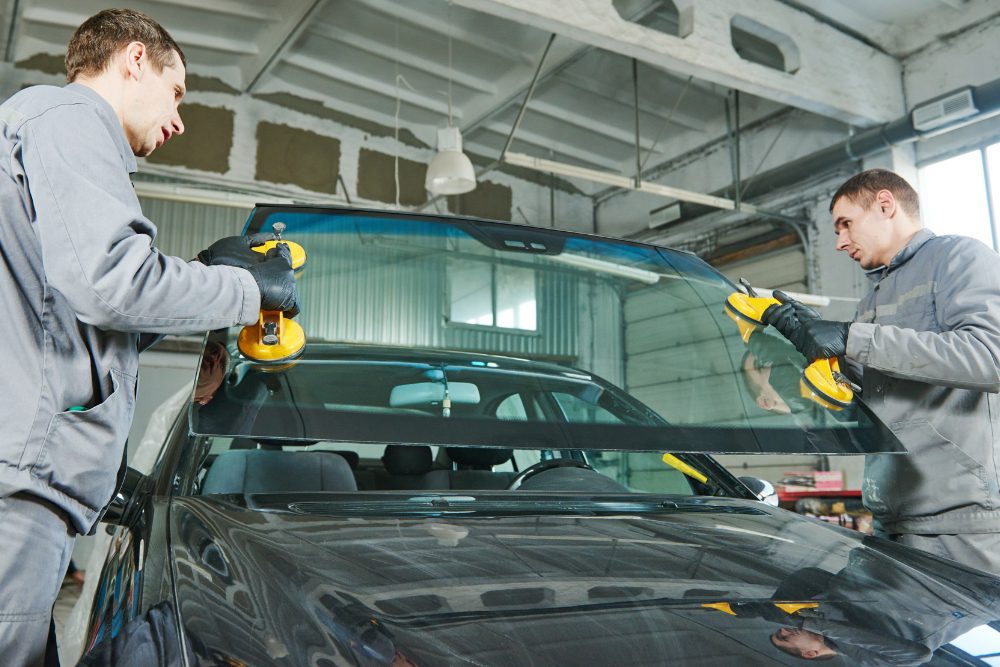
Replacement reinstates that original engineering integrity. It ensures every seal, curve, and lamination functions as intended. A repaired windshield might look fine—but looks can deceive. A replacement returns your car to factory-level safety, not a patched compromise. It’s not about aesthetics; it’s about assurance. When your view of the road is clear and your structure solid, you’re investing in the invisible protection that saves lives when it matters most.
Long-Term Savings Through Smart Decisions
It’s easy to mistake a low repair quote for financial wisdom. But consider this: repairs often need touch-ups, while replacements rarely do. Over months or years, those small repair bills accumulate, not to mention the time and inconvenience spent rebooking services. With a full replacement, you pay once and enjoy years of uninterrupted use without worrying about expanding cracks or distorted light reflections.
Additionally, replacement enhances your vehicle’s resale value. Prospective buyers notice imperfections—even professionally repaired glass can raise doubts about prior damage. A flawless windshield, however, signals proper upkeep and reliability. Financially, it’s the difference between temporary relief and lasting value. Thinking ahead isn’t about spending more—it’s about spending once and spending wisely. Replacement gives you both peace of mind and the long-term financial advantage.
Visibility Defines Driving Confidence
Even the most precise repair can leave slight distortions in the glass, especially under bright sunlight or night glare. Those imperfections might seem harmless, but they affect depth perception and reaction time—subtle yet significant differences that alter driving safety. Replacement restores optical clarity completely, offering an unobstructed field of vision that helps drivers react faster and feel more confident on the road.
When your windshield is new, light refracts evenly, eliminating glare and reflection inconsistencies. You’ll notice smoother transitions between lighting conditions and a sharper view of the road ahead. This clarity translates to fewer visual distractions and more controlled driving behavior. Beyond comfort, it’s a safety edge worth every dollar. In the long run, replacing your windshield isn’t just about fixing glass—it’s about restoring how you see the world beyond it.
The Role of Modern Technology in Windshields
Windshields today are more advanced than ever. Many vehicles feature built-in sensors, lane assist cameras, and defrosting elements embedded in the glass. A repair might fix the visible damage but can’t always restore those delicate features to full functionality. Replacement, performed by certified technicians, ensures all sensors are recalibrated and functioning exactly as the manufacturer intended.
This precision is vital for modern cars that depend on windshield accuracy for driver-assist systems. A misaligned camera or disrupted sensor could mean incorrect alerts—or no alert at all—during critical driving moments. Replacement guarantees that technology isn’t compromised. It’s not just new glass being installed; it’s the restoration of your car’s intelligent safety systems. Skipping this process could lead to future malfunctions far more costly than a proper replacement.
Preventing Moisture and Seal Failure
Even when a repair appears flawless, the reality is that it can never fully restore a windshield’s original airtight seal. Over time, temperature fluctuations and vibration create micro-gaps along the repaired section, inviting moisture to creep in. Once moisture seeps between the glass layers, it can cause fogging, delamination, and even mold formation around the edges—issues that silently deteriorate visibility and interior air quality. These subtle damages often go unnoticed until the glass begins to cloud or peel, requiring a full replacement anyway. By choosing a new windshield from the start, you eliminate this vulnerability. The fresh factory seal prevents dust, humidity, and unwanted noise from seeping in, preserving clarity and insulation for years.
Arizona’s climate adds a punishing layer of pressure. The region’s hot, arid days and cool desert nights force the glass to expand and contract repeatedly, testing even the best repair work. Eventually, that tension causes repaired cracks to reopen or spread, undermining both the seal and the structure. A full replacement provides a clean slate—a renewed installation that’s engineered to endure local weather extremes. It’s not merely about fixing glass; it’s about restoring your windshield’s full resilience against time, temperature, and terrain.
Environmental Considerations Few Think About
Replacing a windshield might seem wasteful at first glance, but the environmental math tells a different story. Repairs rely heavily on synthetic resins and chemical compounds that often end up as non-recyclable waste. Each additional repair increases material use and generates emissions through technician travel and repeated processes. In contrast, modern windshield replacements are increasingly eco-conscious, using recyclable glass and advanced coatings that reduce glare and enhance energy efficiency. These innovations help regulate your car’s interior temperature, meaning less strain on air conditioning systems and, ultimately, lower carbon emissions over time.
In Marana’s climate, temperature control isn’t a luxury—it’s a necessity. A properly replaced windshield improves insulation, cutting energy consumption and fuel use during extreme heat. Over multiple repair cycles, the supposed “green” option of fixing rather than replacing actually compounds waste and inefficiency. Opting for a single, high-quality replacement reduces the long-term environmental footprint while improving performance. Sustainability isn’t just about using less—it’s about using wisely. When a new windshield enhances both safety and energy conservation, it’s a decision that benefits you, your car, and the planet in one measured choice.
Insurance and Warranty Advantages
Insurance coverage is another factor that often tilts the balance toward replacement. Many insurers now recommend or fully cover windshield replacement when cracks affect safety systems or visibility. Repairs, while cheaper initially, can complicate claims—especially if the job doesn’t meet manufacturer or policy standards. By choosing an approved installer for full replacement, drivers maintain compliance with their insurance terms and preserve the validity of factory warranties. This not only protects against immediate damage but also secures coverage for any potential issues in the future.
A professionally installed replacement typically comes with a comprehensive warranty covering leaks, material defects, and installation faults. That assurance extends far beyond the glass itself—it’s a promise that your investment remains protected for years. Instead of chasing small claims for recurring issues, you gain lasting peace of mind through one dependable service. Replacement simplifies the process, ensuring you get a clear, protected, and fully warranted windshield in one visit. The financial security that comes from knowing your coverage and glass are both solid is worth far more than the modest savings of a temporary repair.
How Climate Influences Glass Longevity
Arizona’s environment is a crucible for auto glass. Constant UV exposure, airborne grit, and radical temperature swings all wear down windshield strength. Even expertly repaired cracks can’t withstand these extremes for long. Heat expands the glass while the cooler nights contract it, and these cycles eventually reopen repaired areas, turning small imperfections into long fissures. Replacement glass, designed with modern laminations and UV resistance, withstands this stress better, maintaining clarity and strength even in harsh conditions. It’s an investment tailored for survival under the desert sun.
In Marana, choosing replacement isn’t just about appearance—it’s about adaptation. The region’s relentless temperature fluctuations test every seal and material bond. A full replacement provides even tension across the frame, preventing uneven expansion and premature failure. By upgrading to a high-quality windshield built for regional climates, drivers protect both visibility and safety performance. The desert doesn’t forgive shortcuts, and glass is no exception. Replacement ensures endurance—through the heatwaves, the cold snaps, and every rugged road in between. When you drive in Arizona, longevity isn’t optional; it’s engineered.
The Conclusion: Where Smart Safety Meets Lasting Value
Windshield replacement isn’t simply about swapping glass; it’s about restoring safety, visibility, and long-term performance. Repairs may appear economical, but they often trade future stability for temporary savings. A full replacement reestablishes your car’s integrity and protects you from recurring issues, unexpected expenses, and reduced safety standards.
For drivers ready to make the switch with expert craftsmanship and reliable materials, contact Vista Glass Marana. Their team understands the desert’s demands and delivers precision installations tailored to local conditions. Reach them at 520-999-2659 or email CSR@vistaglass.com to schedule your windshield replacement today. Located right in Marana, they combine local expertise with professional excellence—so you can drive with confidence knowing your vehicle is protected by glass built to last.