
A crack in your windshield can turn a simple drive into a question of safety and cost. Some damages look small but hide deeper structural weaknesses, while others demand full replacement to restore visibility and integrity. Deciding between repair and replacement isn’t just about appearances—it’s about knowing how far damage extends and how it affects your vehicle’s strength. The right choice can save money, prevent accidents, and extend the lifespan of your glass. Local experts know that Marana’s roads and weather patterns—hot sun, blowing sand, sudden debris—can stress even minor chips. Understanding when a quick fix is enough and when full replacement is necessary is key to driving confidently and safely. This guide breaks down everything from impact points to hidden fractures, helping you choose the most practical, lasting solution for your windshield.
When a Chip Is More Than a Chip
A small chip might look harmless at first glance, but it’s the start of a slow spread. The heat from Arizona’s sun expands glass molecules, while cooler nights cause contraction. Over time, this temperature dance transforms a tiny blemish into a crawling web of cracks. What began as a speck can end up obscuring your entire line of sight. Many drivers delay repairs, thinking it’s too minor to matter—but that delay can double the cost later.
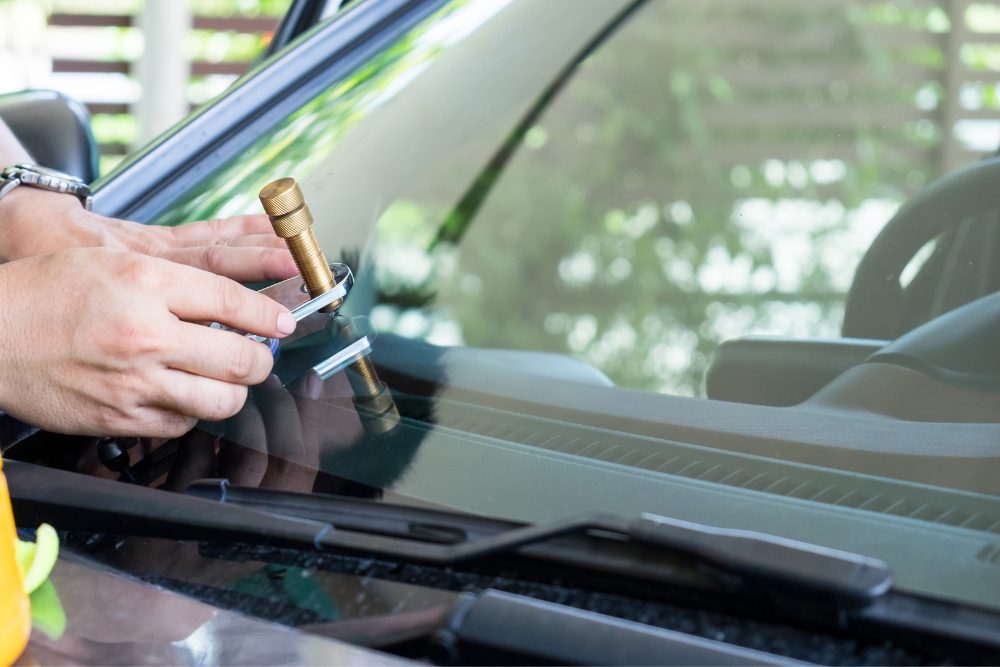
Professional technicians can determine whether a chip is surface-deep or if it’s penetrated multiple glass layers. If the damage lies outside your direct field of vision and hasn’t breached the inner laminate, repair is often possible. Resin injection technology restores clarity and strengthens the glass, preventing further spread. However, once the crack touches the edges or sits directly in the driver’s view, repair becomes risky—then, replacement is the wiser path.
How Crack Length Changes Everything
Crack length isn’t just a measurement—it’s a sign of how compromised your windshield truly is. A crack under six inches can often be repaired, especially if caught early and away from edges. But once it stretches past that point, glass stability begins to weaken dramatically. Air pressure, vibration, and wind resistance amplify each drive’s stress on the fracture, turning a fixable mark into a fragile fault line.
Long cracks are deceptive. Some run clean and thin, others spread like veins, branching invisibly beneath the surface. Only a trained specialist can tell which type you’re dealing with. If left unchecked, even a hairline fracture can disrupt the structural balance between the windshield and car frame—especially in modern vehicles where the glass supports airbag deployment. So while repair might sound appealing, replacement can be the only way to keep your vehicle’s safety systems performing as designed.
The Role of Damage Location in Your Decision
Where the impact lands makes as much difference as how big it looks. A chip near the center might be fixable, while the same damage near the edges could mean trouble. The windshield’s edges carry structural tension—damage there can spread unpredictably. Once those stress zones are compromised, replacement is the safer call.
Technicians also assess whether cracks obstruct the driver’s direct sightline. Even the best repairs can leave faint distortions that interfere with clarity. In a sun-drenched place like Marana, that slight refraction can cause glare or visual distraction during driving. Repair works best when damage sits away from critical vision zones. Otherwise, replacement isn’t just about aesthetics—it’s about preserving visibility and ensuring reaction time on the road remains uncompromised.
Why Modern Windshield Technology Changes the Equation
Today’s windshields do more than block wind—they integrate sensors, cameras, and heating elements. A crack might interfere with lane-assist systems, rain detection, or even automatic braking calibration. Older cars could get away with a quick patch; newer models demand precision recalibration after any glass work. That changes how you decide between repair and replacement.
If a crack disrupts an area with embedded sensors, full replacement becomes mandatory. Repairs may restore surface clarity but not the functionality of built-in technology. Recalibration after replacement ensures every sensor aligns correctly with the vehicle’s frame. In modern driving, where safety tech depends on visibility and angle precision, overlooking a seemingly minor issue can have serious consequences. Choosing full replacement isn’t just about restoring the glass—it’s about restoring your car’s digital safety network.
The Cost Factor and Long-Term Value
Repair might look like the cheaper route, but value lies in what lasts. A low-cost fix can stretch your budget, yet if the glass fails later, you pay twice—once for repair, again for replacement. Evaluating cost involves more than the invoice; it’s about preventing future expense and ensuring safety.
Windshield repair usually costs less because it requires minimal materials and time. But it only works if the damage is contained. Replacement, on the other hand, guarantees a fresh start. It eliminates the risk of spreading cracks and restores full structural strength. For drivers planning to keep their cars for years, that investment pays back through durability and peace of mind. The smartest financial decision often depends on how long you intend to drive the vehicle and how much risk you’re willing to take on the road.
How Weather in Marana Impacts Windshield Damage
Marana’s desert climate is as beautiful as it is harsh on auto glass. The sun heats windshields to extreme temperatures, and when cool night air arrives, the rapid contraction can deepen existing cracks. Dust and debris from strong winds also act like sandpaper, scuffing weakened areas and worsening chips. What starts as a small blemish can expand overnight in the shifting desert heat.
Local technicians understand how regional conditions influence glass performance. They know which resins withstand UV exposure and which sealants resist dust intrusion. A repair performed with the wrong materials won’t last through the Arizona sun. That’s why choosing local specialists—those familiar with the area’s climate patterns—can mean the difference between a fix that fails and one that holds. Environmental awareness isn’t just good practice here—it’s survival for your windshield.
Safety Considerations That Should Never Be Ignored
Windshields contribute up to 30% of a vehicle’s structural strength. When damaged, that percentage drops significantly. In a collision, a weakened windshield can fail to support airbags or prevent roof collapse. A small crack might seem cosmetic, but it’s tied directly to your car’s crash performance. Ignoring that connection is risky.
Repair restores appearance but doesn’t always return full structural integrity. Replacement, while more involved, guarantees the windshield meets manufacturer standards again. Professionals use adhesives designed for impact resistance, ensuring the glass bonds correctly with the frame. This precision matters during emergencies—especially when milliseconds determine safety outcomes. If the crack interferes with airbag zones or the driver’s field of view, replacement isn’t optional; it’s the only responsible decision.
Timing Is Everything: Why Quick Action Matters
Delaying windshield repair is like letting a small leak erode a foundation. Every bump, every temperature change, every gust of air through a weak spot multiplies the damage. Within days, what was once an easy fix becomes an irreversible spread.
Acting fast can save hundreds of dollars and prevent deeper problems. Repair resin bonds best when damage is fresh, before moisture or dirt enters. Once contaminants settle, full replacement becomes inevitable. The sooner you consult a professional, the more options you retain. In Marana’s climate, where sudden heat spikes are common, even waiting a weekend can turn a repairable chip into a network of cracks. Swift response protects not just your glass, but also your wallet.
The Environmental Impact of Repair vs. Replacement
Glass replacement contributes to waste and manufacturing emissions, while repair minimizes material use. For environmentally conscious drivers, repairing when possible supports sustainability. However, when cracks compromise safety, replacement is unavoidable—and modern glass recycling programs help offset the impact.
Many auto glass professionals now recycle old windshields, separating laminates and reprocessing materials into new products. So even if your windshield must be replaced, it doesn’t automatically add to landfill waste. Repair should always come first when feasible, but replacement done responsibly aligns with eco-friendly practices. Knowing your technician’s recycling approach helps you make a decision that balances safety with environmental care—a choice that protects both you and the planet.
Working with Professionals Who Know the Difference
Not all technicians approach glass repair with the same level of skill. A qualified specialist reads every fracture like a map—knowing where it starts, where it could go, and how to stop it. Experience matters more than speed in this line of work.
Professionals trained in windshield diagnostics use light reflection, magnification, and structural mapping to judge damage depth. They don’t guess—they calculate. That precision ensures you’re not replacing glass unnecessarily, but also not risking safety through incomplete repair. Local experts familiar with Marana’s terrain and temperature cycles offer a level of insight that national chains often overlook. Their knowledge turns a simple service into long-term assurance.
The Final Decision: Repair or Replace
The decision isn’t always clear-cut—it’s a balance between damage severity, location, and your vehicle’s needs. Repair works best for small, isolated chips away from vision zones and edges. Replacement is ideal when cracks spread, sensors are affected, or the structure is compromised. Trusting a professional to make that call is the surest way to avoid costly mistakes.
Each windshield tells its own story—a record of journeys, weather, and time. Choosing whether to mend or renew it isn’t just about saving money; it’s about preserving safety, clarity, and confidence every time you drive. For those in Marana seeking guidance or service, reach out to Vista Glass Marana at 520-999-2659 or email CSR@vistaglass.com. Their expertise in local conditions and commitment to quality make them a trusted choice for both windshield repair and replacement.