
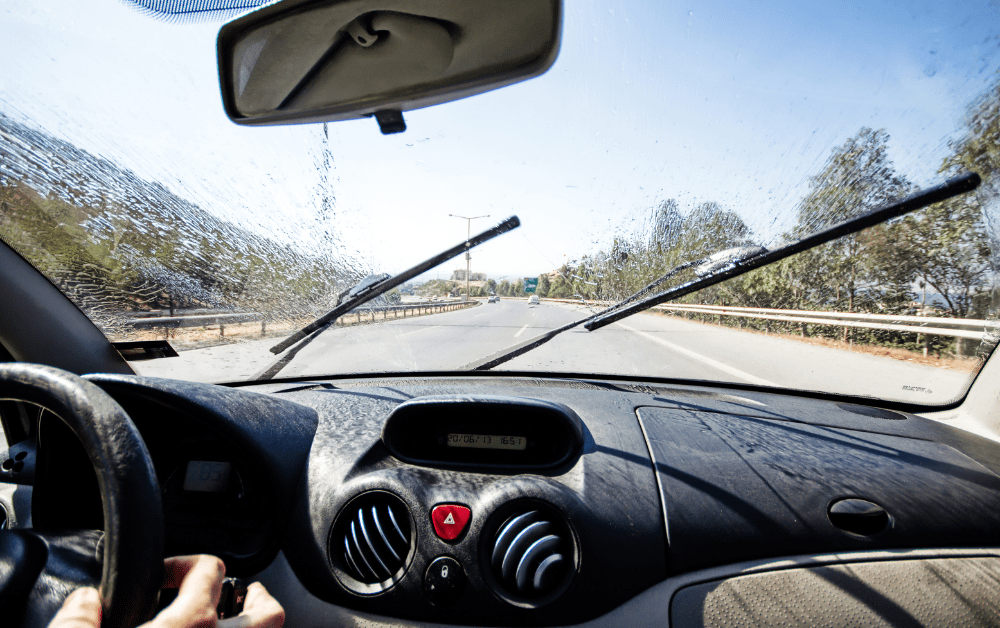
Replacing the windshield on a large vehicle, like an RV, isn’t quite the same as swapping glass on a compact sedan. These massive panes of reinforced glass demand special tools, skilled technicians, and a level of precision that only experienced auto glass experts can deliver. The cost can vary wildly, depending on factors like vehicle size, glass type, and the repair shop’s expertise. For RV owners, understanding these variables can prevent unexpected bills and ensure safer travels on the open road. In a place like Arizona, where highways stretch endlessly under the sun, that clarity and protection matter more than ever. RV windshield replacement is not just a service—it’s a safeguard against nature’s unpredictability. What follows dives deep into every detail behind the price, revealing what truly shapes the cost and why choosing the right provider makes all the difference.
The Hidden Variables Behind RV Windshield Costs
The cost of replacing a windshield on a recreational vehicle isn’t a single, straightforward number. Unlike passenger cars, RVs feature a wider range of glass dimensions, curvature, and framing systems that dramatically influence both the materials and labor involved. Many owners are surprised to discover that the windshield type alone—whether it’s a one-piece panoramic design or a split two-piece configuration—can alter the total cost by hundreds of dollars. Specialty adhesives and reinforced seals also add to the expense, especially when ensuring a perfect, leak-free fit.
Another major contributor is accessibility. Large RVs often require additional setup time for technicians to safely reach and remove the old glass. Add in travel expenses for mobile service units, and it becomes clear why RV windshield replacement tends to sit in a higher price tier. When quality meets complexity, precision becomes priceless—and that’s exactly what makes professional installation worth every cent.
The Role of Vehicle Type in Pricing
Not all RVs are created equal, and neither are their windshields. A compact camper van might carry a single, slightly curved windshield, while a luxury Class A motorhome could demand a massive, custom-cut glass panel that stretches several feet across. The distinction between these models often defines the entire pricing structure. Larger vehicles need heavier lifting equipment, multiple technicians, and extended labor hours, all of which raise the overall cost.
Material type matters too. Some RVs use laminated safety glass similar to standard vehicles, while others require advanced UV-filtering or acoustic-grade panels. The availability of the specific glass can dictate turnaround time and influence price. Ultimately, what you drive—and how it’s built—sets the tone for your repair budget. Understanding your vehicle’s make and model ensures you’re comparing accurate quotes rather than chasing unrealistic numbers.
Why Location Impacts the Final Price
Where you live can quietly decide how much you’ll spend. In regions like Arizona, with its relentless sun and frequent dust exposure, glass specialists must use high-quality materials designed to endure the elements. Temperature extremes and long stretches of open desert highway demand durable adhesives and expert sealing to prevent stress cracks or air leaks over time.
Local market conditions also come into play. In high-demand areas, service costs reflect technician availability and overhead expenses. Remote RV parks or travel routes may involve extra service fees for on-site replacements. Those hidden logistical costs—fuel, travel time, setup—can nudge your total upward. The best strategy? Work with a trusted regional provider familiar with the terrain, climate, and vehicle demands unique to your area.
Glass Quality and Material Options
The glass itself can be the single largest cost variable in an RV windshield replacement. Manufacturers produce a range of windshield materials that vary by thickness, tint, and performance features. Standard laminated glass remains the most common choice, offering solid protection at a moderate price point. However, many modern RVs now use advanced composite glass that includes UV protection, glare reduction, and acoustic insulation layers.
Premium glass may add hundreds to the invoice, yet it also enhances driving comfort and long-term durability. The clarity and optical precision of higher-grade materials reduce driver fatigue and distortion—an important safety factor for long trips. Choosing the right glass means balancing cost with comfort, ensuring that every mile ahead remains crystal clear.
Labor and Installation Complexity
Replacing a large RV windshield is far more intricate than most people expect—it’s an operation that blends art, engineering, and raw precision. Unlike compact vehicles that can be serviced in an hour, RVs demand strategic staging, teamwork, and heavy-duty equipment. Technicians must coordinate each movement, using suction lifts or mechanical arms to handle enormous glass panels safely. The curvature of the windshield and the vehicle’s body alignment are measured down to the millimeter. A slight misalignment can compromise the seal, leading to water leaks, wind noise, or even structural imbalance that worsens over time. Every angle, every adjustment matters when you’re dealing with something this massive.
Then comes the delicate dance of sealing and curing. The adhesive used in RV windshields is sensitive to temperature, humidity, and time—it requires steady conditions and expert timing. Rushed or uneven application can lead to weak bonding and long-term issues, making patience an essential part of the process. Professional technicians understand how to manage environmental factors to achieve a flawless finish. Their training, specialized tools, and methodical process ensure your new windshield doesn’t just look perfect—it performs perfectly for the long haul, protecting both your investment and your safety.
Insurance and Coverage Factors
Insurance coverage for RV windshield replacement often sits in a gray area that many owners overlook until it’s too late. Comprehensive insurance can cover glass damage, but the degree of coverage depends heavily on policy terms, deductibles, and insurer partnerships. Some companies classify RVs differently than standard vehicles, which can alter eligibility or reimbursement limits. If your deductible is higher than the repair cost, you might end up paying out-of-pocket. Understanding your policy’s fine print before scheduling service can prevent costly surprises and delays. It’s worth contacting your provider directly to confirm whether they cover full replacements or just repairs for minor chips and cracks.
Even when coverage exists, the repair shop you choose can influence claim efficiency. Many insurers prefer certified vendors who meet quality and safety standards, ensuring consistent workmanship. Working with an approved shop can simplify the process—some even handle claim submissions for you. For RV owners, this coordination can mean the difference between waiting weeks for approval and having your glass replaced promptly. The smartest approach combines proactive communication with reputable technicians who understand both the technical and administrative sides of the job, saving you time, stress, and unnecessary expenses.
Timing and Seasonality in Repairs
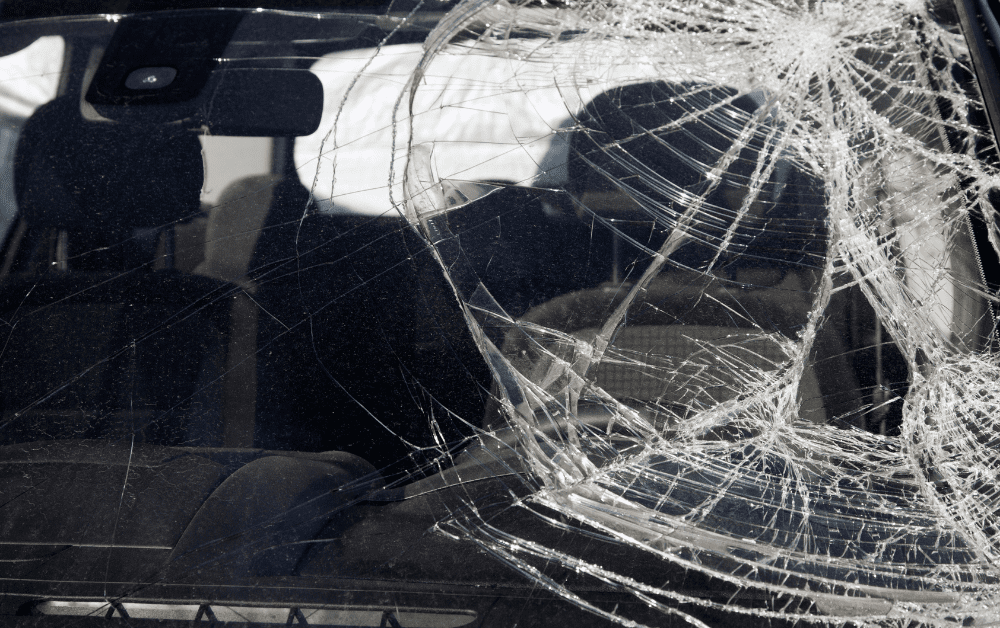
The timing of your RV windshield replacement can have a surprising impact on both the cost and quality of the job. During peak travel seasons—especially spring and summer—demand for RV maintenance skyrockets. Technicians are booked solid, prices rise slightly, and scheduling flexibility becomes limited. That surge can translate to longer waiting periods or premium charges for faster service. Conversely, the off-season brings slower business for repair shops, which often leads to promotional pricing and quicker turnarounds. For owners planning long trips, handling windshield repairs before the rush ensures both a lower bill and peace of mind on the road.
Weather plays a subtle yet powerful role too. Extreme heat can cause adhesives to cure too quickly, while cold slows down the process, risking incomplete bonding. These seasonal factors can dictate when a replacement can be performed safely. Planning your repair during moderate weather conditions, or in climate-controlled facilities, guarantees optimal curing and longevity. The earlier you act, the better—addressing cracks before temperature shifts or long drives can prevent them from spreading and turning into a full-blown replacement emergency. Timing isn’t just a logistical detail—it’s a cost-saving strategy that keeps your RV adventure-ready year-round.
The Value of Certified Technicians
When it comes to RV windshield replacement, the skill of the technician determines everything—from safety to longevity. Certified technicians bring specialized knowledge that general auto glass installers simply don’t have. They understand the physics of large vehicles: how body flex, vibration, and air pressure affect glass alignment. This expertise ensures the windshield fits perfectly and maintains the vehicle’s structural integrity. Certified installers also follow manufacturer-specific installation protocols that protect warranties and guarantee compliance with safety regulations. Their work isn’t guesswork; it’s precision guided by training and experience.
Beyond installation, certified professionals can identify issues that others might overlook—like subtle frame warping, seal degradation, or corrosion hidden beneath the surface. These small findings can prevent future damage and unnecessary expenses. Having your windshield handled by an expert means confidence in every mile ahead. It’s not just about a flawless fit; it’s about ensuring the bond between your RV and its environment is safe, durable, and road-tested. Choosing a certified technician isn’t an optional luxury—it’s the smartest investment you can make in your vehicle’s longevity, safety, and overall value.
Comparing Shop vs Mobile Replacement Services
Some RV owners prefer visiting a dedicated repair facility, while others opt for mobile technicians who come directly to their campsite or storage lot. Each choice has its perks. In-shop replacements allow for controlled conditions and access to specialized lifting equipment, ensuring a flawless finish. On the other hand, mobile service delivers unbeatable convenience for travelers or those with limited mobility options.
However, mobile replacements may involve additional travel or setup fees depending on distance and accessibility. The key lies in balancing convenience with quality. A well-equipped mobile service that brings professional tools and experience to your location can provide exceptional results—without the stress of moving a massive vehicle across town.
Long-Term Maintenance and Prevention Tips
After investing in a new RV windshield, a few proactive habits can extend its lifespan and performance. Regularly cleaning with non-abrasive solutions prevents micro-scratches that can weaken the glass over time. Inspect seals and edges for early signs of deterioration, especially after exposure to intense heat or heavy rain.
Parking in shaded areas helps minimize UV stress, while protective covers can shield against flying debris during storage. Finally, schedule periodic inspections to catch small chips before they expand. Preventive maintenance doesn’t just save money—it preserves the clarity and safety that make RV travel so rewarding.
Conclusion
Replacing a windshield on a larger vehicle like an RV isn’t just another auto service—it’s a careful balance of precision, expertise, and long-term value. From material quality to labor complexity, every detail contributes to the final cost. But when done correctly, the result is more than just new glass—it’s renewed confidence on every stretch of open road.For dependable RV windshield replacement and expert service in Marana, contact Vista Glass Marana. Their skilled technicians combine precision craftsmanship with local expertise to deliver exceptional results every time. To schedule a service or request a quote, reach out at 520-999-2659 or email CSR@vistaglass.com.