
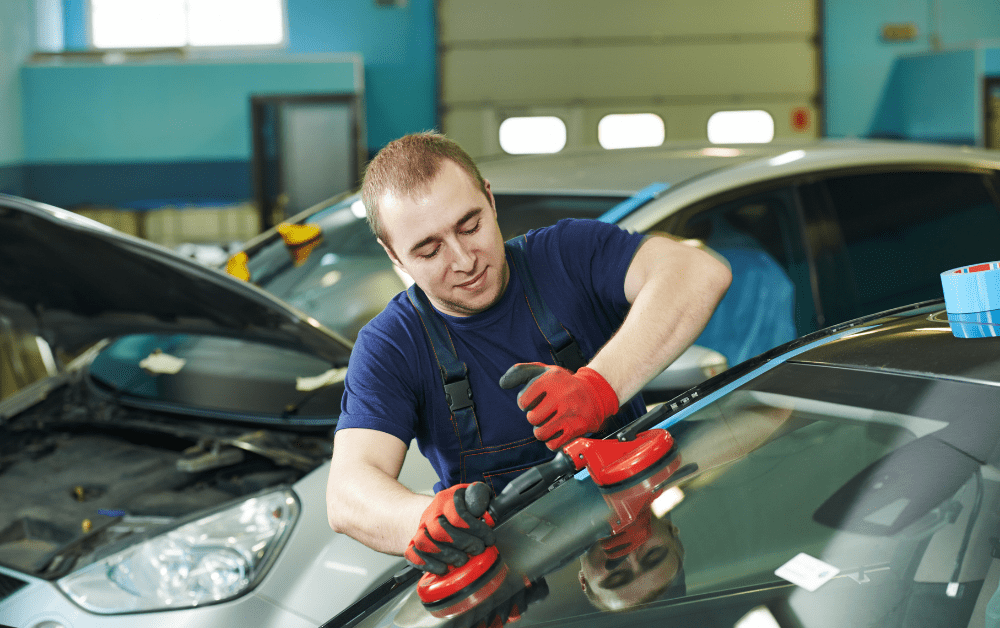
Choosing the right glass for your replacement isn’t just about aesthetics—it’s about protection, visibility, and precision. Every windshield or window has a story woven into its design, crafted to withstand pressure, temperature shifts, and road debris. When cracks or chips form, it’s not enough to patch them up; the integrity of the entire surface may be compromised. Selecting the wrong glass can affect safety systems, visibility, and even the structural stability of your vehicle. For those who drive daily under the Arizona sun, the wrong tint or coating can also mean higher heat inside the cabin. A proper replacement restores both clarity and confidence, ensuring that every drive feels smooth and secure. The right glass doesn’t just fit—it works with your car’s technology, shields against UV rays, and blends seamlessly with its original design.
The Hidden Layers of Modern Windshield Technology
Modern auto glass isn’t just a sheet of clear material—it’s a multi-layered barrier that merges strength with intelligence. Beneath the smooth surface lies laminated glass, a sandwich of tempered panels bound by a clear, resilient film. This design keeps shards from scattering during impact, maintaining visibility even in the face of damage. Some windshields are embedded with rain sensors, heads-up display systems, and even acoustic insulation layers that mute road noise. Replacing them requires more than swapping glass—it demands recalibration to sync every sensor back into harmony. If the installation skips precision alignment, advanced driver assistance systems may falter. The right replacement matches not just the curve of your glass but also the brain of your vehicle, preserving both safety and smart functionality in perfect rhythm.
OEM Glass Versus Aftermarket Options
Not all glass is born equal. Original Equipment Manufacturer (OEM) glass mirrors your car’s factory specifications—its contour, tint, and thickness align perfectly. Aftermarket glass, while more affordable, can slightly differ in shape or clarity, affecting how wipers contact the surface or how sensors read the environment. Some drivers swear by OEM for its seamless match and uncompromised performance, while others prefer high-quality aftermarket glass that meets federal safety standards at a lower cost. The decision often comes down to purpose and budget. If your vehicle features advanced technologies like lane departure warning or automatic braking, OEM is the safer bet. But for older models or fleet vehicles, well-rated aftermarket glass provides dependable protection without breaking the bank. The secret lies in consulting experts who understand how each piece interacts with your vehicle’s structure.
Safety Standards That Should Never Be Overlooked
Auto glass replacement is more than a cosmetic fix—it’s a matter of safety. The windshield, for instance, supports up to 60% of your car’s cabin strength during rollovers. Using substandard glass can weaken that protection. Certified auto glass must comply with Federal Motor Vehicle Safety Standards (FMVSS), ensuring it can endure impact and temperature stress without distortion. Proper bonding between the glass and the vehicle frame is equally vital. A weak seal risks leaks, vibrations, or worse—detachment during collision. Choosing certified technicians guarantees that the replacement process meets all required safety benchmarks. This isn’t an area for shortcuts or guesswork. Every adhesive, curve, and calibration contributes to a shield designed to protect life, not just restore appearance. Quality assurance should be the foundation of every glass replacement, not an afterthought.
The Role of Tint, Coating, and UV Protection
Glass is more than transparency—it’s a filter that shapes how you experience the world from behind the wheel. UV-protective coatings shield your skin and interior materials from fading. Infrared-reflective layers help manage cabin heat, especially under Arizona’s relentless sun. Tint levels vary depending on state regulations, but a well-selected shade balances privacy with visibility. Beyond aesthetics, tint and coating can even affect how sensors perceive light. Too dark or reflective, and your vehicle’s cameras may misread their surroundings. The best replacements integrate optical clarity with practical protection, ensuring that every ray passing through your windshield is filtered just right. A well-chosen coating turns glass into armor—quietly working to keep the cabin cool, the driver alert, and the car’s technology operating smoothly.
Professional Installation and Precision Calibration
Replacing auto glass is far from a routine task—it’s a precise art that blends mechanical accuracy with expert craftsmanship. Even a minor misalignment during installation can distort the curvature of the glass, interfere with the car’s sensors, or create stress points that later evolve into cracks. Today’s vehicles are more advanced than ever, equipped with cameras, lane departure alerts, and rain detection systems that all rely on proper windshield calibration. After replacement, these systems must be fine-tuned to match the manufacturer’s specifications. Technicians use laser-guided alignment tools and digital scanners to ensure every sensor communicates flawlessly, maintaining the safety and functionality you expect from your vehicle.
But precision doesn’t end with fitting and alignment—it extends into the curing process. The adhesive used to bond the windshield to the frame must set under the right temperature and timing. Cutting corners here can lead to leaks, wind noise, or even structural failure in a collision. A professional installation ensures the adhesive cures perfectly and the windshield integrates seamlessly into the car’s frame. Skilled technicians treat every vehicle as unique, crafting a result that blends science and finesse. The payoff is a crystal-clear finish, airtight seal, and absolute confidence behind the wheel.
Environmental Impact and Sustainable Choices
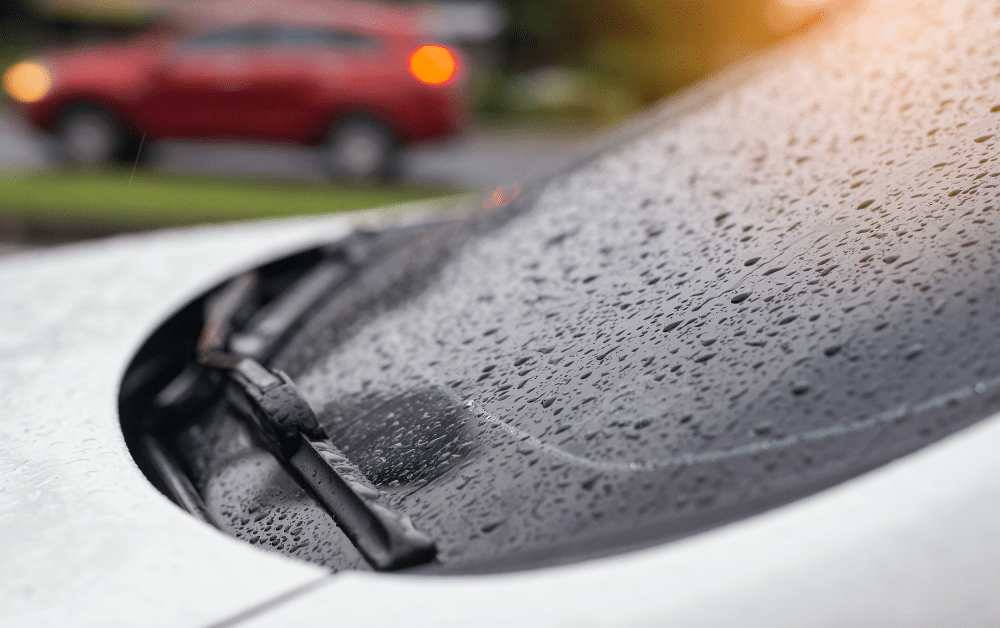
As sustainability takes center stage, glass replacement services are evolving toward greener practices. Many manufacturers now produce laminated glass using partially recycled materials that meet the same safety standards as new glass. This eco-conscious shift reduces landfill waste and minimizes the carbon footprint associated with production. Proper recycling or disposal of shattered windshields is equally important—responsible facilities prevent microglass fragments from contaminating soil and waterways. Even the transportation chain contributes; selecting a local glass provider shortens shipping distances, cutting down on fuel emissions. Each thoughtful decision turns a simple replacement into a contribution to a cleaner planet.
Today’s adhesives and sealants are also being redesigned with the environment in mind. Low-VOC products limit harmful emissions, improving air quality during installation and afterward. The move toward sustainability doesn’t just protect nature—it enhances safety and indoor air health for both technicians and vehicle owners. Some shops even employ energy-efficient curing systems that consume less electricity while maintaining perfect bond strength. Opting for environmentally responsible glass replacement shows that progress and protection can coexist. A sustainable windshield not only defends you on the road but also stands as a quiet symbol of responsible craftsmanship and mindful innovation.
How Weather and Temperature Affect Glass Selection
Temperature isn’t just a background condition—it directly influences how glass performs over time. In hot climates like Marana’s desert landscape, extreme heat can cause glass to expand and contract, stressing the edges and weakening seals. Selecting thermally stable laminated glass helps minimize these effects, maintaining clarity even when the sun is unforgiving. UV-protective coatings act as an invisible barrier, reducing glare and shielding adhesives from deterioration caused by continuous exposure to sunlight. For drivers who frequently navigate under bright conditions, tinted glass provides added comfort and visibility while preserving the car’s interior.
Meanwhile, in colder regions, glass faces an entirely different challenge—frost and contraction. Choosing a type that resists freezing stress ensures the windshield won’t crack during temperature drops or defrosting cycles. High-quality materials maintain elasticity in their bonding agents, keeping seals tight despite fluctuations. The right glass isn’t a one-size-fits-all solution—it adapts to your local environment, reflecting both practicality and foresight. Whether braving summer’s heat or winter’s chill, a properly selected windshield provides year-round durability and clear sightlines. The harmony between environment and engineering determines how long your replacement lasts and how well it performs under nature’s extremes.
Cost, Value, and Long-Term Investment
Price often shapes decisions, but in the world of glass replacement, the cheapest choice can become the costliest mistake. Budget glass may distort vision, loosen over time, or develop leaks from weak bonding. By contrast, investing in high-grade materials ensures enduring performance, acoustic insulation, and resilience against temperature changes. Quality installations typically come with warranties that safeguard against manufacturing defects or premature wear. That protection extends beyond the glass—it secures the structure of your vehicle and your safety inside it. Smart spending means choosing materials and professionals who deliver consistency, not shortcuts.
Long-term value reveals itself quietly. Premium glass reduces road noise, keeps interiors cooler, and maintains optical accuracy that enhances driver comfort. It’s a safeguard against future repairs, saving time and frustration down the road. Reliable providers offer transparent pricing, explaining the materials used and the reasons behind their recommendations. This honesty transforms a necessary repair into an informed investment. Every extra dollar spent now protects your peace of mind for miles to come. True value lies not in the initial bill but in the clarity, safety, and durability your glass continues to deliver year after year.
Finding Trusted Experts for Glass Replacement
Behind every smooth installation is a professional who understands the science of precision. Not all auto glass shops possess the tools or expertise needed for modern vehicles equipped with cameras, sensors, and embedded technologies. The best providers assess the make and model of your vehicle, recommend compatible glass types, and perform post-installation calibration with accuracy. Certifications, specialized training, and advanced diagnostic equipment distinguish experts from amateurs. A dependable technician ensures your windshield doesn’t just fit—it functions exactly as intended by your car’s manufacturer. Trust begins where technical excellence meets integrity.
Reputable glass specialists also prioritize clear communication. They explain the replacement process, discuss material quality, and stand behind their work with warranties that reinforce confidence. These professionals treat your car as more than just another job; they see it as a system that demands precision from start to finish. When you hand over your vehicle, you’re entrusting both safety and craftsmanship. True experts deliver invisible perfection—glass that vanishes into the vehicle’s design while fortifying it structurally. A trusted service provider transforms routine maintenance into restoration, sending you back on the road with renewed visibility, safety, and trust in every mile.
Conclusion
Every piece of glass carries purpose—protecting, connecting, and enhancing your driving experience. The choice you make today determines how safely and comfortably you’ll travel tomorrow. From tint and sensor calibration to environmental impact and craftsmanship, the right selection transforms necessity into assurance. If you’re in Marana and need expert guidance, reach out to Vista Glass Marana. Their team specializes in precision glass replacement that prioritizes safety, clarity, and longevity. You can contact them at 520-999-2659 or email CSR@vistaglass.com for assistance.