
Glass replacement seems simple at first glance, yet many homeowners in Marana discover that one wrong step can turn a straightforward upgrade into an expensive, time-consuming ordeal. Between rapid temperature swings, dust-heavy winds, and homes built in various eras with their own quirks, local conditions often magnify small oversights. As a result, what starts as a quick improvement can spiral into recurring repairs, rattling window frames, or energy bills that refuse to shrink. Many residents don’t realize that skipping proper measurements or choosing the wrong glass type can sabotage both the comfort and value of their home.
This introduction aims to reveal the most common missteps people make when pursuing glass replacement projects in the area. Using insight inspired by service patterns and real-world trends highlighted across the Vista Glass Marana website, this guide blends informational, commercial, transactional, and navigational content in a way that flows naturally. Expect a mix of practical advice, unexpected descriptions, and clear explanations that help you navigate the process with confidence. Once you understand these pitfalls, choosing the right materials, timing, and installation approach becomes far easier, ultimately guiding you toward a better long-term investment.
Avoiding Incorrect Measurements During Glass Replacement
Precise measurements are the backbone of any glass replacement project, yet this step is where many homeowners unknowingly sabotage their results. A slight misread or a rushed tape measurement can cause a chain reaction of hassles, leading to glass pieces that do not sit correctly in the frame or create gaps where dust and heat sneak through. The challenge becomes even more noticeable in Marana, where sunlight intensity and shifting temperatures expose every installation flaw. When a window does not align properly, the home feels warmer, the AC works harder, and the replacement loses its intended purpose almost immediately.
To avoid this mistake, measurements must account not only for the visible frame but also for the pocket where the glass actually rests. Many windows are not perfectly square, particularly in older properties or homes that have settled gradually over the years. This means height, width, and diagonal checks need to be compared, not assumed. Using information from local professionals helps homeowners understand how to interpret these numbers. When done right, proper measurement ensures a tight, stable fit that supports the glass and increases performance, ensuring the replacement lasts much longer and functions the way it should.
Overlooking the Importance of Glass Type Selection
Choosing the wrong type of glass is one of the sneakiest mistakes residents make, mainly because the options seem interchangeable at first glance. Different glass types respond uniquely to heat, UV exposure, and external noise. Marana’s harsh sunlight and desert winds demand more than simple clear panes, yet many homeowners default to the basic choice because it appears cheaper or more familiar. Unfortunately, this approach often results in rooms that heat up too quickly or glass that fails prematurely under constant thermal pressure. A mismatch between the home’s needs and the selected glass can erase the benefits of replacement entirely.
Exploring the options makes an immediate difference. Tempered glass, laminated glass, Low-E coated glass, and dual panes each interact with the environment in specific ways. For example, homes facing west often benefit from heat-reducing coatings, while homes near busy streets need enhanced sound insulation. Understanding local weather conditions and the way different materials behave helps homeowners avoid costly future upgrades. By aligning glass type with the property’s layout and daily use, residents create a more efficient living environment that supports comfort without demanding additional fixes later on. The right choice becomes a long-term investment rather than a quick patch.
Failing to Account for Marana’s Climate Challenges
The desert climate introduces unique demands, and overlooking these conditions is a common miscalculation. High heat and strong UV exposure affect not only the glass itself but also the sealants, frame materials, and internal pressure between panes. When homeowners choose products not designed for such intensity, they often notice fogging, cracking, or rapid wear long before they expect to. Even the most visually appealing window loses value when it cannot withstand the seasonal temperature shifts characteristic of the region. This leads to wasted time and resources, turning what should have been an upgrade into a source of frustration.
Considering the climate early changes the entire strategy. Glass coatings, pane thickness, insulation features, and even edge spacers play a role in resisting Marana’s extremes. Windows must balance heat reduction with visibility, interior comfort, and long-term durability. Those who take the climate into account tend to see significant improvements in energy efficiency, particularly during long summer months when the cooling system is at full capacity. By planning around the weather rather than reacting to its effects, homeowners protect their investment and enjoy a more stable indoor environment with fewer maintenance concerns and better performance throughout the year.
Ignoring Frame Condition Before Glass Installation
Replacing glass without checking the frame is one of the most overlooked yet impactful mistakes. A damaged, warped, or deteriorating frame will not support new glass properly, regardless of how well the replacement is crafted. In some cases, frames that look fine from the outside hide internal issues caused by moisture, age, or construction settling. Installing new glass into a compromised frame often leads to rattling, uneven pressure points, or constant drafts. The home’s efficiency and structural stability depend heavily on how well the frame anchors the glass, making this step too important to ignore.
A thorough inspection reveals whether the frame can be used as-is or if repairs are needed first. Checking for soft spots, cracks, rust, or gaps helps identify weaknesses early. Homeowners who address these concerns before inserting new glass experience smoother installations and better long-term outcomes. The upgraded pane fits more securely, operates as intended, and maintains clear insulation benefits without battling hidden structural problems. This forward-thinking approach ensures the entire window system functions harmoniously, rather than forcing new glass to compensate for old damage that could have been fixed earlier with proper evaluation and preparation.
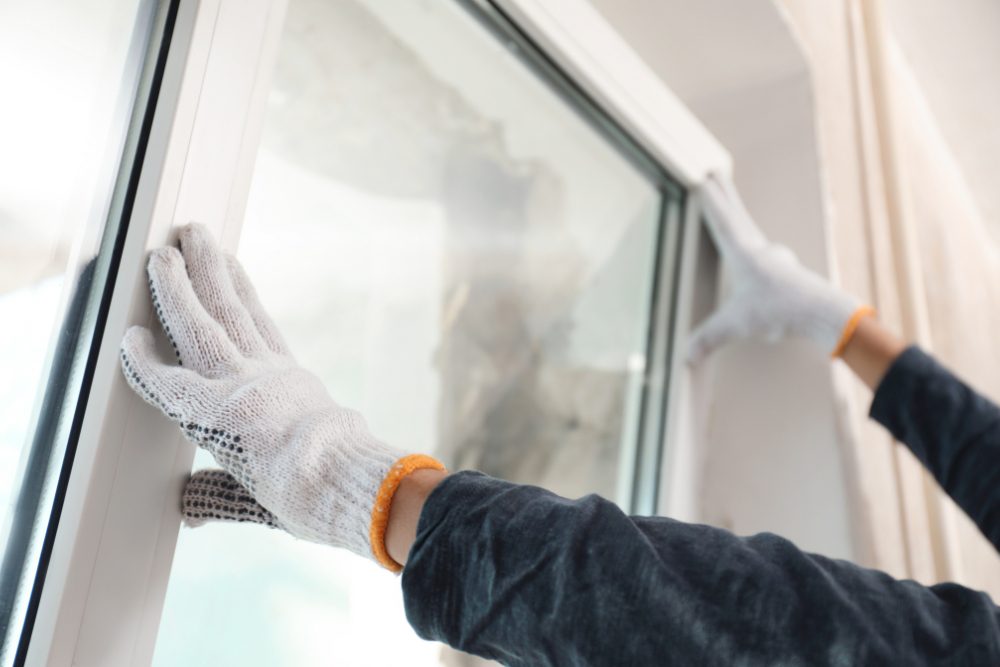
Attempting DIY Glass Replacement Without Proper Tools
A do-it-yourself approach seems appealing, especially for those looking to save money or enjoy hands-on projects. However, glass replacement requires specific tools and professional-grade equipment that most homeowners do not have readily available. Attempting the process with improvised tools increases the risk of injury, uneven installation, or accidental frame damage. Glass is far less forgiving than wood or metal, and even a small slip can cause cracks, chips, or shattered edges. Many residents discover too late that the cost of fixing a DIY mistake exceeds what a professional installation would have originally required.
Tools such as glazing points, precision cutters, sealant guns, and safety equipment ensure the replacement is not only secure but also built to perform under Marana’s climate demands. Without these resources, achieving a tight seal or perfect alignment becomes extremely difficult. Professionals use industry-tested methods that minimize air leaks and prevent long-term issues like moisture infiltration or pressure imbalances. Homeowners who choose expert installation benefit from smoother operation, cleaner finishes, and improved durability that withstands environmental stress. Even those comfortable with home projects often find that glass replacement is best left in trained hands.
Neglecting UV and Heat Protection Features
One of the most subtle mistakes arises when homeowners underestimate how much the desert sun affects indoor spaces. Glass replacement without UV or heat-reducing features leads to overly warm rooms, faded furniture, and higher utility costs. While a fresh pane may look crystal clear and pristine, it does little to block infrared or ultraviolet rays unless designed to do so. This oversight is especially prevalent in Marana homes with large windows or sliding glass doors facing the southern or western skies, where afternoon heat intensifies dramatically.
Incorporating protective coatings or dual-pane structures helps regulate temperature and shield interiors from sun exposure. These features create a more comfortable environment by filtering harsh rays while maintaining visibility and natural lighting. The benefits extend beyond comfort: they reduce strain on cooling systems, preserving both energy and equipment lifespan. Homeowners who choose glass with built-in protection notice more stable indoor temperatures and fewer fluctuations throughout the day. By treating UV and heat control as essential rather than optional, residents create a home environment that is more resilient, efficient, and enjoyable year-round.
Choosing the Cheapest Option Instead of the Best Value
Cost is a natural consideration, but selecting the lowest-priced glass often leads to long-term disappointment. Cheaper options typically lack insulation, durability, or protective coatings that improve performance in Marana’s demanding climate. While the initial expense may seem appealing, homeowners frequently encounter issues such as repeated fogging, cracking, or inefficient energy performance. Over time, these problems add up, requiring repairs or replacements that ultimately cost more than choosing a higher-quality option from the start.
Evaluating long-term value paints a very different picture. Better materials offer enhanced clarity, resistance to heat, and improved structural integrity. The upfront cost is offset by lower cooling bills, fewer repairs, and longer service life. Quality glass contributes to a more comfortable home experience, especially during peak summer temperatures. Many residents find that investing in a slightly higher-end product pays for itself in both comfort and savings. When glass is chosen for long-term performance rather than initial price, homeowners enjoy stronger protection, better temperature control, and fewer disruptions throughout the lifespan of the window.
Not Prioritizing Professional Installation
Even when the right glass is selected, the installation process can determine whether the upgrade succeeds or fails. Improper handling, uneven sealing, or poorly applied glazing compounds can create small yet significant vulnerabilities. These flaws may not be obvious at first but often reveal themselves when summer heat expands the frames or dust storms push fine particles into small gaps. Many residents assume that new glass automatically means better performance, yet the installation quality ultimately dictates how well the window functions.
Professional installers understand how to adjust glass placement based on frame condition, climate factors, and architectural style. Their techniques help stabilize the pane, reinforce insulation, and maintain long-term clarity. Proper installation also reduces the risk of condensation or pressure imbalances that shorten the window’s lifespan. Homeowners who rely on certified professionals experience fewer issues and greater efficiency. When installation is treated with the same importance as glass selection, the entire system works together to deliver strong, reliable results tailored to Marana’s unique environment.
Using Outdated or Ineffective Sealants
A window is only as strong as the sealant holding it in place, yet many homeowners neglect this detail during replacement. Older sealants often dry out, crack, or lose adhesion, especially under intense desert sun. Installing new glass without upgrading the sealant can create hidden vulnerabilities that allow air leaks or moisture intrusion. These issues may not be visible immediately but gradually impact comfort and energy performance. Using low-quality sealants further weakens the system, reducing the lifespan of the window and placing strain on heating and cooling equipment.
Modern sealants offer stronger adhesion and greater flexibility, allowing them to withstand temperature swings without breaking down. They help maintain a tight, consistent barrier that prevents dust, heat, and humidity from slipping through. Replacing sealants during glass installation ensures that the window functions at full capacity. This step also supports long-term clarity and reduces the chance of fogging between panes. When homeowners treat sealants as a critical component rather than an afterthought, they gain a more resilient window system capable of holding up against Marana’s harsh outdoor conditions.
Delaying Glass Replacement After Damage Occurs
Procrastination often leads to bigger problems, especially when dealing with damaged glass. Cracks, chips, and weakened seals may seem minor at first, but they compromise the entire window system over time. Heat intensifies existing flaws, causing cracks to spread or seals to loosen further. Dust and wind amplify the issue, pushing debris into openings and degrading insulation. Many homeowners wait until damage becomes visually disruptive, not realizing that energy loss and structural weakness begin much earlier.
Addressing damage promptly prevents complications and protects both the interior and exterior of the home. Early replacement ensures better temperature control and minimizes the risk of moisture collecting inside the frame. It also protects the home from additional wear, especially during long, hot months when compromised windows struggle to maintain performance. Acting quickly allows homeowners to restore clarity, strength, and energy efficiency before the problem escalates. Timely replacement becomes a form of preventive care, safeguarding the home and reducing unnecessary expenses associated with delayed repair.
Conclusion
When homeowners understand the most common glass replacement mistakes, they gain the clarity needed to choose materials, methods, and installation approaches that truly serve their home’s long-term wellbeing. Careful planning, climate-appropriate choices, and professional guidance help avoid frustration and wasted resources. For expert support, residents in the area can reach out to Vista Glass Marana, located in Marana. Contact number 520-999-2659 and email CSR@vistaglass.com.