
Choosing durable glass for window replacement in Marana isn’t as simple as picking something that looks clear and sturdy. The desert sun, seasonal wind bursts, and demanding daily use all shape what makes one type of glass stronger than another. Homeowners often find themselves sorting through laminated panels, energy-efficient coatings, or impact-rated options, wondering which one genuinely lasts. And while some choices appear similar on the surface, small construction details—like how panes bond or the way heat influences their structure—can shift long-term performance dramatically. This guide brings those elements into focus with a mix of practical insight and creative perspective, helping you navigate each option with confidence. Drawing inspiration from local glass expertise, it weaves together the technical and the everyday, creating a path that feels steady rather than overwhelming. By the end, choosing long-lasting glass becomes less of a gamble and more of a smart, well-informed step.
Understanding What Makes Window Glass Durable
Durability in glass is rarely about thickness alone; instead, it’s shaped by how the material performs when the desert climate pushes its limits. Heat build-up in Marana often leads to expansion and contraction cycles, a process that stresses weaker glass and accelerates wear. More advanced glass types incorporate layers or temperatures during their manufacturing process that make them better suited for extreme exposures. A pane that resists thermal shock, for instance, lasts far longer than one that simply meets basic building standards. The real trick is understanding how those features combine to create lasting strength.
Another factor that often slips under the radar is the way a window interacts with its frame. Even the toughest glass can fail when paired with a poorly constructed or worn-out frame, so the compatibility between the two becomes its own form of durability. With the right match, windows can resist vibration, sudden impact, and shifting temperatures gracefully. Over time, this compatibility reduces the risk of stress cracks, seal failures, and unnecessary replacements. When evaluating replacement windows, thinking beyond the glass itself creates a more complete picture of long-term resilience.
Exploring Tempered Glass for High-Traffic Areas
Tempered glass is known for its ability to endure sudden force, making it a dependable choice in areas where activity tends to spike. It undergoes a heating and rapid cooling process that alters its internal structure, transforming what would be ordinary glass into something far more resilient. This treatment changes how it breaks as well; instead of sharp shards, it forms small fragments that are far less hazardous. For homes with active children, pets, or frequent gatherings, tempered glass often becomes the quiet backbone of safer, stronger window installations. The surface may look the same, but its behavior under strain tells a different story.
In Marana’s environment, tempered glass serves another purpose many homeowners appreciate—its ability to handle abrupt temperature swings. Even on a cool day, desert sunlight can heat a panel dramatically, increasing the risk of stress fractures in untreated glass. Tempered glass absorbs and disperses that thermal movement more effectively, allowing it to survive harsh and unexpected shifts. While it isn’t the only durable option available, its balanced performance across safety, temperature tolerance, and impact resistance makes it one of the most well-rounded choices for busy residential settings.
Why Laminated Glass Offers Long-Term Reliability
Laminated glass brings a distinct advantage to window replacement because of its layered construction. Two panes bonded by a resilient interlayer create a structure that bends under pressure rather than shattering outright. The result is a window that not only resists breakage but also maintains its form if impacted. This elasticity gives laminated glass a long life span, even when exposed to regular vibrations or minor collisions. It’s especially valuable in locations where small accidents—a kicked soccer ball, a rough storm gust, or shifting furniture—are always a possibility.
Beyond its physical strength, laminated glass offers consistent performance against the desert’s intense sunlight. Over time, ultraviolet exposure can weaken certain materials, but laminated glass is specifically designed to resist these long-term effects. The interlayer helps preserve clarity, reduce fading, and maintain structural integrity through years of exposure. This blend of toughness and stability makes it an appealing choice for homeowners who want fewer replacements and more peace of mind. Whether installed in ground-level windows, balconies, or street-facing areas, laminated glass brings a dependable mix of endurance and adaptability.
Considering Double-Pane Glass for Energy and Longevity
Double-pane windows don’t just help with insulating a home; they also offer a durability advantage that many homeowners overlook. The sealed air space between the panes acts as a cushion, absorbing certain types of impact and reducing the stress placed on each layer. This gives double-pane glass a quieter, more stable performance over time. When installed properly, it manages both temperature fluctuations and acoustic disturbances with ease. The design extends a window’s life by minimizing the types of subtle damage that accumulate through daily use.
The durability of double-pane windows is especially noticeable during Marana’s warm seasons, when solar heat can be intense. By slowing down the heat transfer, these windows reduce the strain on interior climate control systems and help stabilize the glass temperature. This balance decreases the likelihood of thermal shock, which is a hidden cause of cracking in many older window installations. The sealed structure also resists moisture intrusion, a common culprit behind fogging and seal failure. For homeowners looking for a long-term solution that blends reliability with functional comfort, double-pane units can be a strong contender.
When Impact-Resistant Glass Makes Sense
Impact-resistant glass goes beyond standard strength by incorporating specialized layers designed to hold together even under significant force. These windows are frequently chosen in regions where storms or strong winds can send debris flying, but they also serve well in places where exterior hazards vary. Their multi-layer composition absorbs energy in a way typical glass simply cannot. Even if the outer surface is compromised, the window remains intact enough to continue protecting the home. This makes impact-resistant glass not just durable but highly dependable in unexpected circumstances.
For Marana homeowners, this type of glass may seem like more protection than necessary, yet the desert environment carries its own surprises. Sudden gusts can push objects against windows, and occasional construction activity can create vibrations or airborne particles that strike the home. Impact-resistant glass minimizes the risk of sudden breakage in these conditions. It also reduces the need for emergency repairs, especially in homes that face open desert or busy roadways. This kind of long-term predictability makes the investment worthwhile for those seeking durability aligned with safety and preparedness.
Evaluating Solar-Control Glass for Heat and Wear
Solar-control glass is engineered to manage the intense sunlight that defines much of Marana’s climate. It uses specialized coatings to reduce heat gain while still allowing daylight to flow through the home. These coatings play a surprising role in durability; by limiting heat absorption, they reduce the thermal stress placed on the glass. Without the constant cycle of overheating and rapid cooling, the window maintains its structural integrity for a longer period. This makes solar-control glass a particularly useful option for large windows or west-facing areas.
Performance longevity also comes from the way the coating interacts with ultraviolet rays. UV exposure can break down certain materials over time, affecting both the window and items inside the home. Solar-control coatings slow this process, preserving clarity and surface condition. Though these coatings are thin, they create a noticeable improvement in how well the window holds up over years of exposure. For homeowners seeking a balance of comfort, reduced energy strain, and dependable durability, solar-control glass provides a dynamic solution designed for intense sunlight environments.
The Role of Professional Installation in Glass Durability
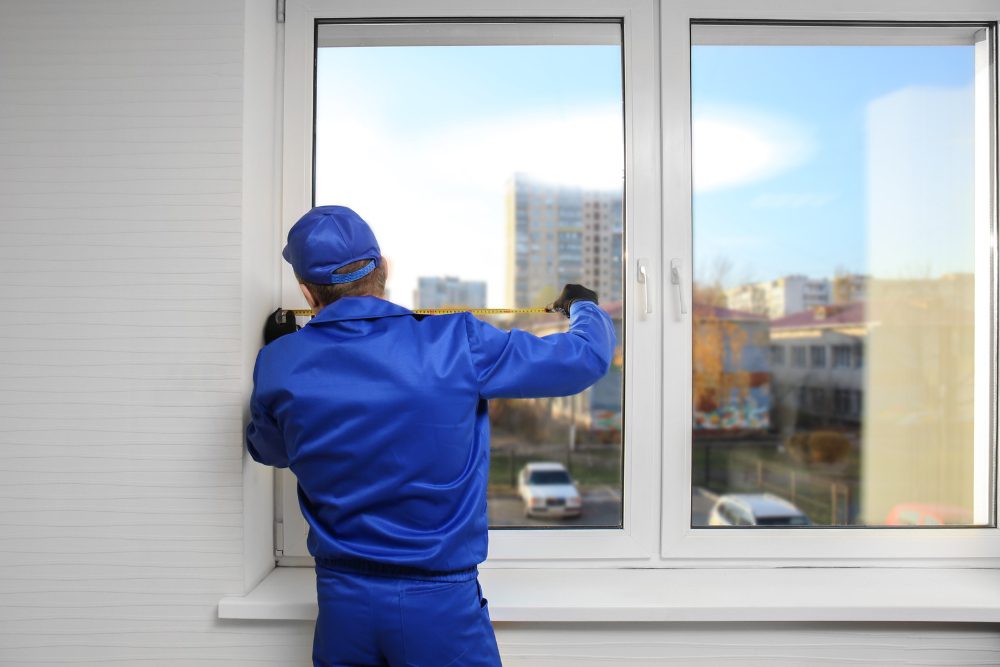
No matter how advanced or resilient a glass type may be, improper installation can reduce its lifespan dramatically. A window must be seated correctly, sealed thoroughly, and supported evenly across its frame. If any of these steps are rushed or misaligned, the glass may experience unusual pressure points or vibrations that lead to premature failure. Even the most durable panels cannot compensate for an installation that lacks precision. This is why choosing experienced window professionals becomes an essential part of ensuring long-term performance.
A skilled installation also protects against air leaks, moisture intrusion, and warping. Each of these issues can affect the glass indirectly by weakening the frame or seal that holds it in place. Over time, these small failures create conditions that stress the window continuously, even without a direct impact. When done correctly, however, the window sits in harmony with the structure, allowing each component to support the other. For homeowners who want their investment to deliver the durability they paid for, professional installation is as important as the glass choice itself.
Matching Glass Types With Marana Climate Demands
Marana’s environment creates unique challenges for windows, starting with the intense sunlight that dominates much of the year. Glass that handles heat gracefully tends to last longer, while those that overheat frequently face higher rates of stress cracking. Matching the right glass to these demands ensures the window doesn’t just survive the climate but performs reliably through each season. Climate-aware selection reduces the sorts of minor damage that add up over time, leaving homeowners with a more stable, long-lasting installation.
Dust and wind also come into play. Fine desert particles can accumulate on window surfaces, gradually wearing on untreated glass. Choosing a surface that resists abrasion or incorporates protective coatings helps slow this process. Meanwhile, windows in open or exposed areas may benefit from stronger or layered glass varieties that can handle sudden gusts without flexing excessively. When homeowners think about climate factors as a primary guide rather than an afterthought, the glass selection naturally becomes more aligned with long-term strength and reduced maintenance.
Comparing Cost Versus Lifespan in Glass Selection
The price difference between basic window glass and more durable varieties can be noticeable, but lifespan often tells a clearer story. Lower-cost glass may seem appealing initially, yet its shorter longevity can lead to repeated repairs or replacements. When homeowners consider the full picture—installation costs, future maintenance, and performance under desert heat—the value of higher-quality glass becomes easier to understand. In many cases, spending more upfront creates savings over the long term.
Durable glass also protects a home more effectively, reducing the risks associated with breakage or thermal damage. These benefits compound over the years, especially in climates with environmental extremes. Instead of treating the purchase solely as a short-term fix, viewing it as an investment helps clarify which option truly delivers the best return. For Marana properties, where heat, dust, and sudden temperature swings add stress to every window, choosing glass with extended longevity provides a balance of financial sense and lasting performance.
Enhancing Home Value Through Durable Window Choices
Replacing windows isn’t only about functionality; it also has a subtle effect on a home’s overall appeal. Durable glass options add a sense of stability that potential buyers and appraisers notice, even if they don’t comment on it directly. A home with sturdy, energy-efficient, and long-lasting windows reflects care and foresight. This impression helps reinforce value, especially in regions where climate challenges are well understood. When homeowners choose glass that stands the test of time, they’re indirectly boosting their property’s long-term desirability.
Durable glass also influences daily living, creating a comfortable environment that homeowners experience immediately. Reduced heat transfer, quieter interiors, and stable performance through changing seasons all contribute to a more enjoyable space. Over time, these qualities become part of the home’s character, shaping how it feels to live in and how others perceive it. For those thinking ahead, selecting durable window glass becomes both a practical upgrade and a subtle enhancement that supports the property’s lasting worth.
Conclusion
For dependable, long-lasting window replacements tailored to the Marana climate, homeowners can reach out to Vista Glass Marana. Located in Marana and available at 520-999-2659 or through email at CSR@vistaglass.com, they provide expert guidance and quality service for all glass needs.