
The process of windshield replacement in Marana can feel mysterious until you’re the one watching technicians glide between tools, adhesives, and glass with almost choreographed precision. Yet, behind that smooth motion is a method that blends technical skill with practical decision-making rooted in real local driving conditions. Scenic drives, sun-faded highways, and unexpected flying debris all play their part in why residents here sometimes need a fresh windshield. Instead of a cold, impersonal service, replacement becomes a step-by-step experience where clear communication, careful prep work, and quality materials matter more than you might expect. Whether you’re managing an urgent crack or planning ahead before damage spreads, understanding the flow of the replacement process empowers you to choose wisely. And while the work itself may look quick, each stage is deliberately calculated to protect both you and your vehicle.
Assessing the Damage Before Replacement
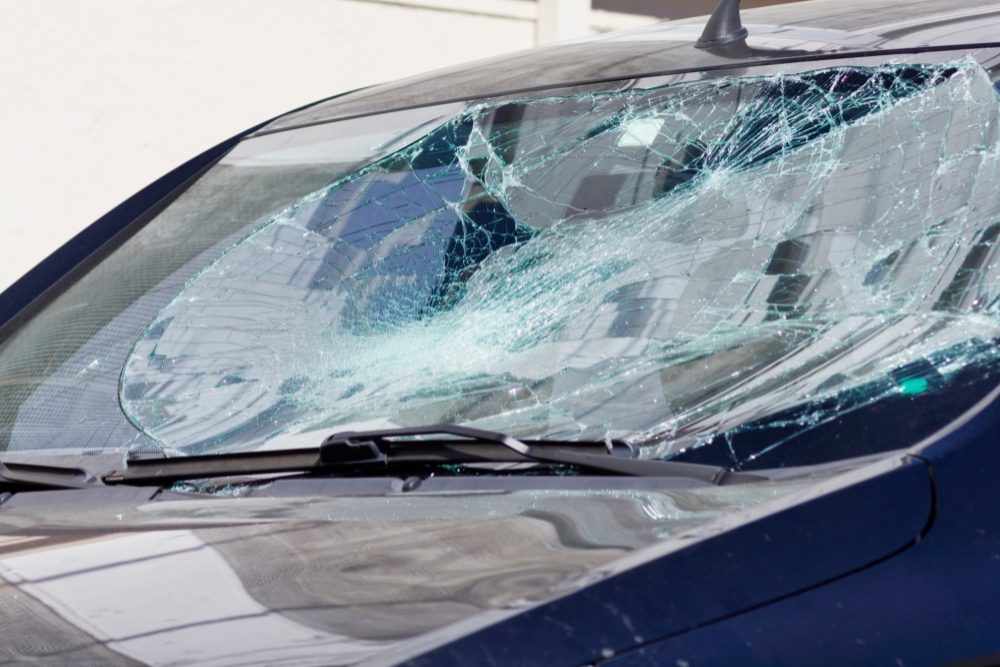
Before any glass is lifted or adhesive is applied, technicians begin by studying the windshield like a detective decoding the origins of a crack. Instead of rushing straight into removal, they explore the shape, depth, pattern, and placement of the damage. Tiny star fractures, sneaky edge cracks, and sudden impacts all tell a different story. The first task is determining whether replacement is truly necessary or if repair could work safely. This evaluation minimizes unnecessary expenses and also protects structural integrity. In Marana, where rapid temperature shifts occur between sunny afternoons and cool desert nights, even a tiny crack can expand suddenly, which is why evaluation is more than a formality—it’s crucial.
Once the assessment is complete, technicians explain the reasoning behind their recommendation. They don’t simply point to the crack; they outline how your specific driving patterns or local road conditions might affect your glass in the coming weeks. This personalized approach prevents customers from feeling rushed or confused. It also ensures that the replacement process begins only when the technician is fully confident that it’s the safest choice. Every step from here on is built on that initial understanding of the problem, setting the stage for a seamless experience.
Removing the Damaged Windshield
The removal stage looks simple to the untrained eye, yet it’s one of the most delicate portions of the process. Technicians start by stripping away trim pieces and weather seals that surround the glass. A specialized cutting tool glides along the vehicle’s frame, loosening the adhesive that has been holding the windshield firmly in place. This adhesive—toughened over years of sun exposure—requires steady handling to avoid bending the frame or damaging the paint. Each move is calculated, and every cut is guided with intention because even a slight mistake can complicate the installation that follows.
Once the damaged windshield is lifted away, the interior is shielded from dust, debris, and elements. A gentle brushing clears away leftover adhesive chunks, while a deeper inspection ensures that nothing has compromised the metal frame beneath. This cleanup phase is critical; it prevents air leaks, moisture seepage, or alignment issues. Customers often underestimate how much behind-the-scenes preparation is needed before new glass touches the frame. The removal process forms the foundation for everything that comes afterward, making precision the real star of this stage.
Preparing the Vehicle for New Glass
After the damaged windshield is removed, technicians begin treating the exposed frame like a blank canvas. Any lingering adhesive is shaved off until the surface becomes smooth and uniform, allowing the new windshield to fit flawlessly. This preparation must be meticulous because even a tiny bump or leftover ridge can create uneven pressure once the new glass is installed. Dust is blown away, and surfaces are wiped clean to avoid interference with bonding materials. In Marana, dust is an unavoidable companion, but technicians anticipate this and account for it in their prep routine.
Next comes the primer application, a step that often goes unnoticed but makes a world of difference. The primer fortifies the bond between urethane adhesive and the vehicle frame, preventing corrosion and enhancing durability. This quiet layer of protective chemistry plays a huge role in ensuring that your windshield can withstand desert roads, highway winds, and sudden temperature swings. Once the primer dries, the stage is set for installation. With the surface properly prepared, the new glass is ready to take its place without resistance or structural compromise.
Applying High Quality Adhesive
Adhesive is not just glue; it’s the unsung hero of the entire replacement process. Technicians select specialized automotive urethane designed to create an unbreakable bond between vehicle and windshield. This adhesive must meet strict safety standards because it contributes directly to the car’s structural integrity during accidents. In Marana’s hot climate, lower-grade materials can soften or deteriorate, but quality adhesive is engineered to withstand extreme heat and sudden cold nights. As technicians apply the adhesive, they lay it in an even, continuous bead to avoid gaps that might later cause air leaks.
Once the bead is perfectly shaped, timing becomes essential. Many adhesives have a specific open working time before they begin to cure, so every movement must be synchronized. The adhesive line must meet the prepared surfaces without smudging or air pockets. Even slight inconsistencies could create uneven pressure points, potentially compromising safety. The precision in this step ensures that when your windshield is installed, it will hold firm and align correctly with surrounding panels. The adhesive’s strength becomes the invisible backbone of your vehicle’s protection.
Setting the New Windshield in Place
Installing the new windshield requires a combination of careful lifting and exact positioning. Technicians use guided placement tools to hold the glass at just the right angle before lowering it onto the adhesive bead. This eliminates guesswork and ensures that the windshield lands perfectly within its designated boundaries. The alignment must be flawless because even a slight misplacement can cause leaks, whistling noises, or distorted visibility. Once the windshield is lowered into position, light pressure is applied across its surface to help it settle.
After alignment, technicians inspect the perimeter to confirm that the adhesive has made clean contact with the glass. This step ensures no air pockets or gaps have formed along the edges. The windshield becomes an integrated part of the vehicle’s design rather than an isolated component. Once satisfied, technicians reinstall trim pieces and weather seals, ensuring everything looks seamless. The installation may appear effortless, but it represents a culmination of precision built across earlier stages. You drive away with a windshield that enhances safety, clarity, and overall comfort.
Ensuring Proper Curing Time
Curing time is often overlooked by customers, but it’s one of the most critical safety requirements after installation. The specialized adhesive used in windshield replacement reaches full strength only after it has cured properly. During these hours, the adhesive bonds firmly to both the frame and the glass, creating an airtight and watertight seal. If the vehicle is moved too quickly or bumped hard during this period, the bond may weaken. Technicians typically advise waiting the recommended time before driving, giving the adhesive the stability it needs.
Curing time also varies depending on climate. Marana’s warm weather can speed up certain adhesives, but that doesn’t eliminate the need for caution. During this waiting period, technicians may recommend avoiding slamming doors or driving over bumpy roads. These small precautions protect the integrity of the bond, ensuring longevity and safety. Once curing is complete, your windshield achieves full structural performance, ready to withstand all the variations the desert throws your way.
Post Installation Inspection
After the adhesive has begun its curing process, technicians perform a detailed inspection that ensures every component is functioning exactly as intended. They examine the edges, checking for visible gaps or inconsistencies. Trim pieces must sit flush, weather seals must hug the perimeter, and no signs of uneven pressure should appear. This stage confirms that every previous step has aligned perfectly. Even the smallest irregularity could create long-term issues, so inspections are carried out methodically.
Technicians then evaluate interior visibility to ensure that no smudges or adhesive marks obstruct your view. Mirrors and sensors are checked, particularly on modern vehicles equipped with advanced driver assistance systems. If recalibration is needed, it is performed with specialized equipment to ensure sensors read accurately. This inspection is not a formality; it’s a final layer of assurance that everything functions just as it should. Once complete, you receive guidance on how to care for your new windshield in the days ahead.
Maintaining Your New Windshield
Once the replacement is complete, care becomes your responsibility. For the first few days, avoiding stress on the frame helps the adhesive cure completely. Gentle driving and gradually exposing the vehicle to environmental changes protect the bond forming beneath the surface. Technicians often recommend skipping high-pressure washes for at least 48 hours. The last thing you want is water or forceful pressure interfering with the adhesive before it solidifies fully.
After the initial period, maintenance becomes part of routine care. Cleaning with the right products prevents scratches and buildup, especially in dusty areas. Keep an eye on seal conditions to ensure they remain snug and protective. Avoid using ammonia-based cleaners, and instead opt for products designed for automotive glass. In Marana’s intense sunlight, parking in the shade when possible can also help preserve clarity and reduce stress on the glass. A little proactive attention keeps your windshield in optimal shape for years.
When to Seek Replacement Again
Even after a flawless installation, windshields remain vulnerable to the unexpected. The desert environment in Marana is known for sudden debris propelled by wind gusts, rough road surfaces, and unexpected changes in temperature. Eventually, a new crack might appear. When that happens, early detection is key. A small chip can be repaired quickly before it expands across your field of vision. Replacement should only be considered when cracks become too large, reach the edges, or compromise visibility.
Drivers should remain alert to subtle signs like new vibrations, unusual sounds, or moisture buildup around edges. These symptoms may indicate that the windshield’s bond has been disrupted. Seeking professional evaluation at the first sign of trouble can save money and protect vehicle integrity. While no windshield lasts forever, attentive care extends its life. When the time comes for another replacement, recognizing the signs early ensures safety remains uncompromised.
Conclusion
For expert guidance and dependable service during every stage of windshield replacement, contact Vista Glass Marana in Marana at 520-999-2659 or email CSR@vistaglass.com.