
Choosing between windshield repair and full replacement can feel a bit like standing in the desert wind, unsure which direction the gust is pushing you. Every crack and chip has its own character, and in Marana’s wide-open landscape, even a tiny blemish can evolve into something that demands urgent attention. When drivers stare through glass marked with web-like fractures or stubborn star-shaped chips, the decision rarely feels straightforward. Temperature swings, sudden monsoon gusts, and rugged roads all influence what happens next, leaving many drivers eager for guidance that isn’t packaged in stiff, predictable wording.
Marana residents know that windshield clarity isn’t just about aesthetics; it’s about maintaining a safe, uncompromised view of fast-changing surroundings. That’s why understanding the fine line between repair and replacement becomes essential. You’re not simply patching a piece of glass—you’re deciding how well your vehicle will face the unexpected. Repair might seem simple enough, yet certain conditions demand a full transformation. Replacement, on the other hand, comes with its own considerations, from workmanship to timing. When handled correctly, the right decision helps every mile feel smoother, steadier, and aligned with the unique demands of life here in the Southwest.
Subtle Cracks That Tell a Bigger Story
Small cracks can arrive without fanfare, catching drivers off guard after a long drive across Marana’s sun-baked roads. What begins as a faint line can spread with surprising speed, stretching across the glass as the desert heat pushes it outward. These first signs often whisper warnings, and understanding when a crack can be restored rather than replaced requires an eye for subtle shifts. The local climate adds pressure, forcing chips to deepen and widen, especially during temperature swings at dawn and dusk. Repairs may restore clarity when damage remains small and shallow, but ignoring early indicators allows nature to take control.
When evaluating damage, it helps to observe how the crack behaves under everyday conditions. Does it shift shape as you turn into shaded streets? Does it scatter light during sunrise? These behaviors determine whether restoration is viable or short-lived. If the glass carries multiple fractures, stretching toward the edges, or if the damage obscures even a corner of your vision, replacement becomes the safer route. The goal is to weigh practicality and safety with the unique patterns created by each crack, ensuring the decision supports long-term visibility rather than temporary relief.
When Repairs Become the Responsible Choice
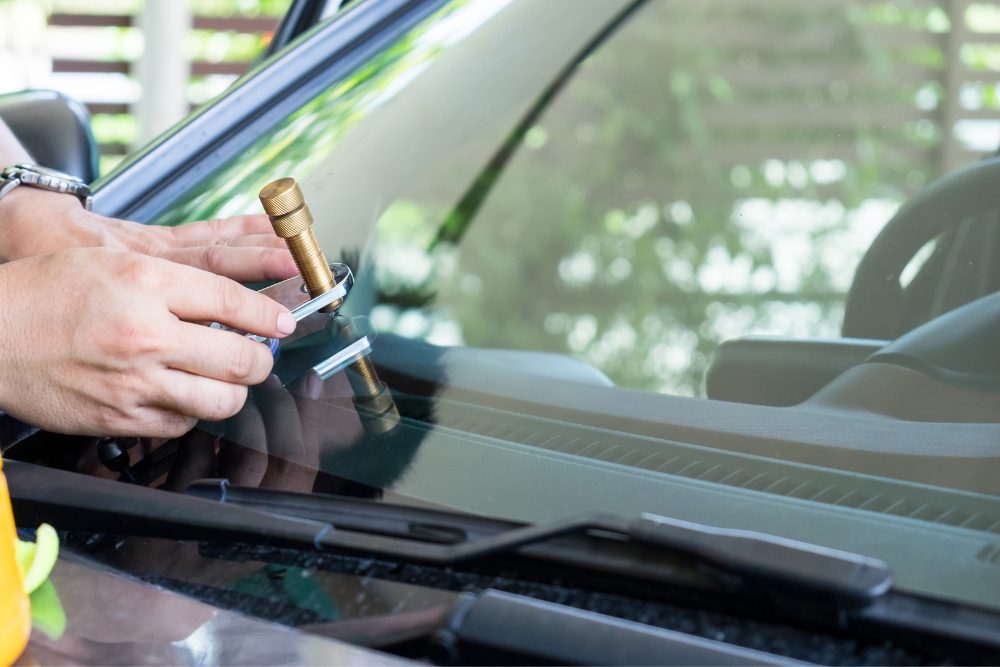
There’s a certain satisfaction in choosing repair over replacement, especially when the damage is contained and the glass remains structurally sound. In Marana, drivers often face chips caused by loose roadside debris, tiny stones flicked upward in the blur of traffic. If the blemish is smaller than a coin and hasn’t burrowed deep into the surface, a skilled technician can restore the area before the wound spreads further. Repairs bring immediate benefits by preventing additional cracking and preserving the original glass seal that supports camera-based safety features common in modern vehicles.
Still, repair shouldn’t be approached with a carefree attitude. Timing matters. Delaying service makes small imperfections harder to treat, and once a crack grows beyond repairable limits, the window of opportunity closes quickly. A timely repair limits disruption, safeguards visibility, and keeps replacement costs at bay. Drivers who monitor changes closely and respond quickly ensure that minor issues don’t evolve into costly complications. In this way, a repair becomes not just a convenient option but a responsible decision that honors the balance between practicality and long-term safety.
Road Conditions That Influence the Decision
The character of Marana’s roads plays a surprisingly large role in windshield health. Long stretches of open highway can scatter pebbles across traffic lanes, creating an unpredictable dance of debris. Sudden impacts leave marks that may look insignificant at first glance, but cumulative damage from repetitive exposure shapes the final outcome. When cracks appear in clusters, or when chips sit too close together, repair options narrow, and replacement becomes a more dependable path. Surrounding conditions tug at the glass, pushing at every weak point until the structure begins to distort.
Marana’s unpredictable weather also contributes to damage shifts. During intense heat, glass expands. When the air cools quickly — perhaps after a summer storm — it contracts with equal urgency. These opposing forces stress every flaw, amplifying damage in ways that repairs cannot fully counteract. While minor chips can survive with careful handling, larger fractures or edge-aligned cracks invite risk. Replacement becomes essential to maintain the structural integrity required for safe driving. Road factors and environmental influences work together, forming a clear picture: the decision between repair and replacement isn’t simply about assessing size. It’s about understanding the pressures that act on every imperfection.
The Safety Features Hidden Behind the Glass
Modern vehicles hide a surprising number of essential technologies behind the windshield. Sensors tucked into corners, cameras perched behind the glass, and driver-assist systems working quietly in the background all rely on precise alignment. When a crack creeps into the area where these sensors operate, repair may not restore the accuracy needed for safe operation. Systems like lane tracking and collision warning depend on perfect calibration, and even small distortions can interfere with their performance. In these situations, replacement becomes the wiser move, ensuring the technology that protects you stays reliable.
Repair does serve a vital purpose when the damage avoids critical sensor zones. If the flaw sits outside the calibration area and hasn’t warped the surrounding glass, restoration can preserve the necessary clarity without impacting safety features. Still, each case demands careful inspection. Overlooking even a minor shift in alignment can affect how your vehicle reads the road. When choosing between repair and replacement, understanding the invisible technology behind the glass offers clarity that goes beyond what the eye can see. Safety isn’t just about what’s visible—it’s about what works quietly behind the surface.
How Damage Location Changes Everything
Location matters more than most drivers realize. A chip resting safely away from your primary line of sight can often be repaired without affecting your view. But when the crack lies directly in your focal path, even a professional repair may leave subtle distortions. In those cases, replacement becomes the clearer, safer option. Driving with distorted glass can shift depth perception, bend reflections, or scatter incoming headlights in ways that distract and overwhelm. Clarity matters most when you least expect it, and small anomalies can become large problems in fast-moving traffic.
The edges of the windshield also hold unique importance. Damage near the perimeter weakens structural support, making repair less reliable. Edge cracks tend to spread, influenced by vibrations, door slams, and natural pressure points. Once the edges are compromised, replacement ensures your vehicle maintains its original protective strength. Considering location helps drivers interpret the difference between short-term fixes and solutions built to withstand everyday wear. By evaluating where the damage sits rather than just how large it is, you safeguard both stability and clarity in ways quick judgment alone cannot accomplish.
Time Sensitivity in Repair Versus Replacement
The clock starts ticking the moment damage appears. Marana’s climate fluctuations accelerate crack growth, pushing small chips into long fissures faster than many expect. Repair is most effective when performed promptly, offering a chance to stabilize the area before expansion begins. Drivers who act quickly benefit from minimized disruption and lower costs, eliminating the need for more extensive work. Time becomes an ally when decisions are made early, preserving both visibility and structural integrity.
However, when that initial window closes, replacement sometimes becomes unavoidable. Once cracks expand beyond a certain threshold or stretch toward the edges, repairs lose their capacity to reinforce the compromised glass. Waiting too long invites risk, turning once-manageable chips into serious safety concerns. Replacement restores the full strength and clarity required for everyday driving, eliminating uncertainty caused by spreading fractures. Acting with awareness ensures that time works in your favor rather than against you, making the path forward clearer and more controlled.
When Replacement Offers Long-Term Value
Replacement may seem like a bigger commitment, but in many cases, it delivers stronger long-term value for Marana drivers. A new windshield restores structural support, allows proper calibration of safety systems, and removes any lingering distortions left behind by repaired cracks. This complete reset ensures that the glass functions exactly as intended, unaffected by past damage. Drivers also gain peace of mind knowing that their vehicle is protected from failures that could arise from older repaired areas.
Beyond functionality, replacement prepares your vehicle to face Marana’s rugged conditions with renewed strength. A fresh pane of glass withstands temperature swings and road vibrations more effectively than weakened, repaired surfaces. It also maintains a tighter seal against dust and debris, preserving interior comfort and sensor accuracy. While repair is beneficial for minor imperfections, replacement becomes the smarter investment when cracks spread, multiply, or interfere with visibility. Long-term reliability outweighs the initial convenience of patching, especially in a climate known for testing every inch of your vehicle.
What Technicians Look for During Evaluation
Experienced technicians don’t simply glance at damaged glass; they study the patterns, depth, and texture of each crack. They measure how far the damage has traveled, identify stress points, and map out the glass’s structural condition. Evaluation becomes an art form influenced by expertise and precision. They look for signs of pressure spreading through the pane—tiny fractures branching outward or faint distortions signaling underlying weakness. In cases where damage remains contained, repair becomes a viable solution.
But evaluation also reveals when replacement is the safer and more durable option. Technicians inspect the glass’s bond with the vehicle frame, ensuring it hasn’t been compromised. If the internal layers show signs of separation or the cracks have reached the edges, replacement offers a more dependable remedy. Their assessment blends practical knowledge with careful observation, allowing drivers to understand why one option may be better than another. Proper evaluation ensures your decision isn’t based on guesswork but on informed judgment shaped by experience.
Practical Considerations for Everyday Drivers
When drivers decide between repair and replacement, practical factors often guide the final choice. Schedule flexibility, cost, weather conditions, and convenience all blend into the decision-making process. For many Marana residents, mobile service becomes an important advantage, allowing technicians to restore or replace glass at home or work without disrupting their day. Repairs typically take less time, making them attractive when damage remains manageable and schedules feel tight.
Replacement, however, brings a different level of security. It restores full clarity and strength, making it a wise option for those planning long trips or driving frequently in high-speed areas where visibility matters most. Practicality extends beyond finances; it includes planning for future demands on your vehicle. Evaluating your driving habits, expected mileage, and exposure to environmental stressors helps determine whether a repair will hold up or whether replacement ensures long-term reliability. By choosing the option that suits your lifestyle, you maintain control over how your vehicle performs on every road you travel.
Conclusion
For expert help in choosing between repair and replacement, contact Vista Glass Marana in Marana at 520-999-2659 or send your inquiries to CSR@vistaglass.com.