
Windshield replacement often feels like wandering through a maze of mixed advice, insurance rumors, and half-remembered stories from friends who once patched a crack with tape and optimism. Some people swear that insurance companies automatically deny claims, while others believe a tiny chip means bargaining with sky-high costs and inconvenient scheduling. In reality, most of these worries stem from misunderstandings that swirl around auto glass repairs and coverage requirements. When inaccurate information circulates long enough, it becomes difficult to separate truth from guesswork.
As the industry evolves and safety standards rise, navigating windshield replacement has become more accessible than many drivers realize. Instead of bracing for financial hassle or bureaucratic hurdles, car owners benefit from learning how coverage works, why modern glass matters, and where professional services fit into the process. Shedding light on these myths opens the door to clearer decisions and a smoother path from damage to a dependable repair.
Understanding Insurance Myths About Windshield Replacement
Many drivers carry long-standing beliefs about how insurance interacts with windshield repairs, and some of these ideas float around unchallenged for years. People often assume that filing a claim means their premiums will skyrocket, even when the damage occurred through normal driving hazards. Instead of exploring policy details, they rely on secondhand stories that are rarely accurate. Misperceptions spread quickly, especially when a single negative incident is repeated as universal truth. This confusion leaves car owners hesitant, waiting longer than necessary to address cracked or chipped glass.
Insurance coverage can be surprisingly practical when handled correctly. Drivers who review their policies often discover specific provisions that cover glass without punitive increases in cost. Some providers even simplify the process by streamlining submissions and eliminating deductibles for certain types of repairs. Clarity emerges when car owners align their expectations with established industry guidance rather than vague assumptions. Understanding where insurance fits helps connect customers to professional services that know how to navigate the paperwork with ease, minimizing delays while ensuring safe and reliable windshield replacement.
How Windshield Damage Affects Safety and Insurance Choices
A cracked windshield may seem like a minor blemish, but its implications run deeper than aesthetics. The structural integrity of a vehicle depends heavily on the strength and positioning of the glass, particularly during collisions or airbag deployment. When that barrier is compromised, the risk of injury increases, yet some drivers still wait until small cracks stretch into spiderweb patterns. Myths about cost or coverage discourage timely repairing, even though prompt action prevents the damage from escalating. These misconceptions often leave people believing they must choose between safety and affordability.
Insurance options exist to support responsible decision-making, not complicate it. Many policies prioritize windshield safety by including dedicated provisions for repairs, allowing drivers to handle damage before it becomes a major hazard. The smoother the process feels, the more likely car owners will take immediate action. Learning how safety and insurance intersect helps break the cycle of procrastination and misinformation. Once drivers realize they can resolve damage efficiently, they open themselves to informed choices guided by accurate expectations.
Why Windshield Replacement Costs Are Not Always What People Expect
People often brace themselves for sticker shock when they hear the word replacement, but costs fluctuate based on location, vehicle type, glass technology, and coverage. The old narrative that every replacement drains a savings account persists, even though modern service providers often deliver competitive pricing and transparent estimates. Material advancements also influence costs, and while some models require specialized glass, many standard replacements are more affordable than expected. Fear of hidden fees or unpredictable invoices pushes drivers to postpone repairs unnecessarily.
Insurance coverage plays a major role in reducing those expenses. Some policies include glass replacement provisions that significantly offset or eliminate out-of-pocket costs. The trick is understanding what the policy states, not relying on assumptions passed around parking lots and car forums. When customers gain clarity on expected expenses, they approach replacements with confidence rather than hesitation. Pricing becomes less intimidating, and solutions become easier to access as specialized teams streamline every step of the process.
The Truth About Deductibles and Windshield Repairs
One of the most persistent myths is the belief that every windshield replacement requires meeting a hefty deductible. Drivers who assume this often avoid filing claims, believing they will shoulder the entire burden. The reality is that many insurance providers offer coverage options where glass replacement carries a different structure than collision repairs. The deductibles vary across policies, and in some cases, repairs may even be fully covered without the customer paying anything out-of-pocket. Misunderstanding these details creates unnecessary stress and delays.
With accurate information, drivers gain the freedom to evaluate deductible thresholds strategically. Some providers emphasize repair over replacement, recognizing that smaller costs now prevent larger ones later. Customers who take the time to review their policies often realize that deductibles are not the barrier they once believed. With clear communication and proper guidance, windshield repairs become manageable rather than daunting. A closer look at coverage reveals opportunities to resolve damage quickly and efficiently.
Why Ignoring Windshield Damage Can Increase Insurance Costs
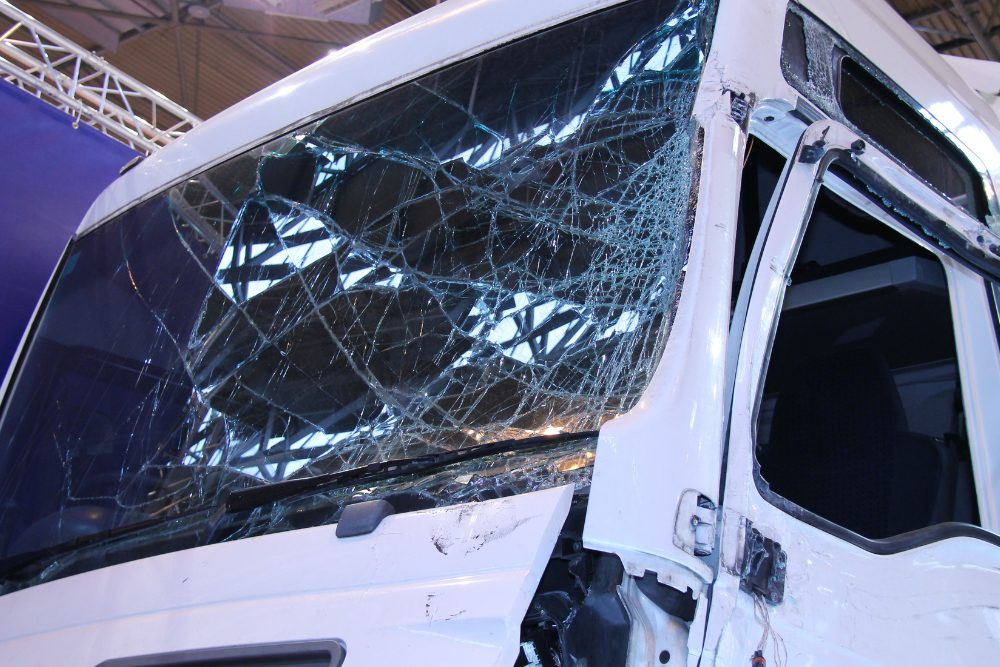
Damage that goes untreated often becomes larger, sometimes spreading across the entire glass surface. What might begin as a hairline crack can evolve into a full-blown fracture, rendering the windshield unsafe. Insurance companies recognize that preventable deterioration ultimately leads to more expensive claims. By ignoring the issue, drivers risk turning a simple fix into a costlier situation that may affect coverage or lead to more involved repairs. The longer the damage sits, the greater the chance external factors worsen the condition.
Addressing damage early reflects proactive responsibility, which aligns with insurance expectations. Providers prefer that drivers take immediate action, minimizing future risks and expenses. Many encourage quick repairs by covering small fixes and making the process straightforward. With timely intervention, drivers avoid major costs and limit financial exposure. Understanding the relationship between early repairs and long-term coverage costs helps drivers appreciate the benefits of swift action. Proper attention prevents simple cracks from evolving into burdensome replacements.
Navigating Insurance Claims for Windshield Replacement
Handling insurance claims can seem intimidating, especially for people who have never filed for glass damage before. Myths circulate about overwhelming paperwork, delayed communication, and approvals that take forever. These outdated perceptions linger, giving drivers the impression that filing a claim is more stressful than living with a cracked windshield. Practical guidance dispels these fears. Modern insurance systems often support digital submissions, simplifying the experience with intuitive steps and quick updates.
Working with professional auto glass specialists also streamlines the process. Many shops coordinate directly with insurance providers, ensuring the claim progresses smoothly. Drivers benefit from organized communication and clear documentation, allowing them to focus on safety instead of administrative details. Claim procedures vary, but the overarching goal remains consistent: efficient service that returns the vehicle to safe condition. Understanding these steps removes uncertainty and encourages drivers to address windshield issues promptly.
Why Professional Replacement Matters More Than Insurance Myths
Relying on myths rather than accurate information leads some drivers to consider shortcuts, temporary fixes, or unlicensed repair attempts. While the intention may be to save time or money, these decisions often create additional problems. Windshield replacement requires precision, proper calibration, and safe installation methods that meet regulated standards. Specialized tools and advanced glass materials demand expertise. Without professional care, the structural integrity of the vehicle may be compromised.
Insurance myths contribute to hesitation, but professional service centers exist specifically to eliminate doubt. Experienced technicians follow proven procedures that ensure durability and compliance. When customers learn the truth about their coverage, the path to qualified service becomes clearer. Quality workmanship reduces the risk of future damage and protects both the vehicle and its occupants. Drivers benefit from transparency, efficiency, and thoughtful communication that simplifies every step.
Modern Glass Technology and Insurance Coverage
Today’s windshields often feature integrated sensors, camera systems, and enhanced safety components that support driver-assistance technologies. These advancements require specialized expertise for proper installation and calibration. Some drivers mistakenly believe that insurance will not cover these high-tech features, but many providers include provisions tailored to modern vehicles. Misunderstanding coverage details leads to missed opportunities for repairs.
Understanding how advanced glass interacts with coverage helps drivers make informed decisions. Technicians familiar with modern materials can guide customers through procedures and communicate with providers to ensure accurate claim handling. The combination of innovative technology and insurance support creates a balanced approach that prioritizes both safety and value. Drivers who embrace these advancements benefit from smooth replacements and reliable performance.
Debunking the Idea That All Windshield Damage Requires Full Replacement
Not all glass damage demands removing the entire windshield, yet many drivers assume replacement is the only option. Chips and minor cracks sometimes qualify for repairs that preserve the original glass while restoring visibility and safety. This misconception leads to expectations of higher costs and unnecessary disruptions. Accurate assessment helps determine the right course of action rather than relying on assumptions.
Insurance policies often differentiate between repair and replacement, offering coverage that favors repairing when possible. When drivers understand the criteria that guide these decisions, they approach damage with a clearer perspective. In many cases, a simple repair addresses the issue quickly and economically, allowing the driver to return to the road with confidence. Recognizing the difference between repairable damage and replacement needs eliminates needless stress.
Conclusion
When windshield damage occurs, separating fact from fiction brings clarity to what could otherwise feel like a stressful situation. Accurate information empowers drivers to make sound financial and safety-focused decisions instead of relying on outdated misconceptions. With industry-aligned practices and clear communication, resolving windshield issues becomes straightforward and dependable. For reliable assistance with auto glass services in Marana, contact Vista Glass Marana at 520-999-2659 or email CSR@vistaglass.com.