
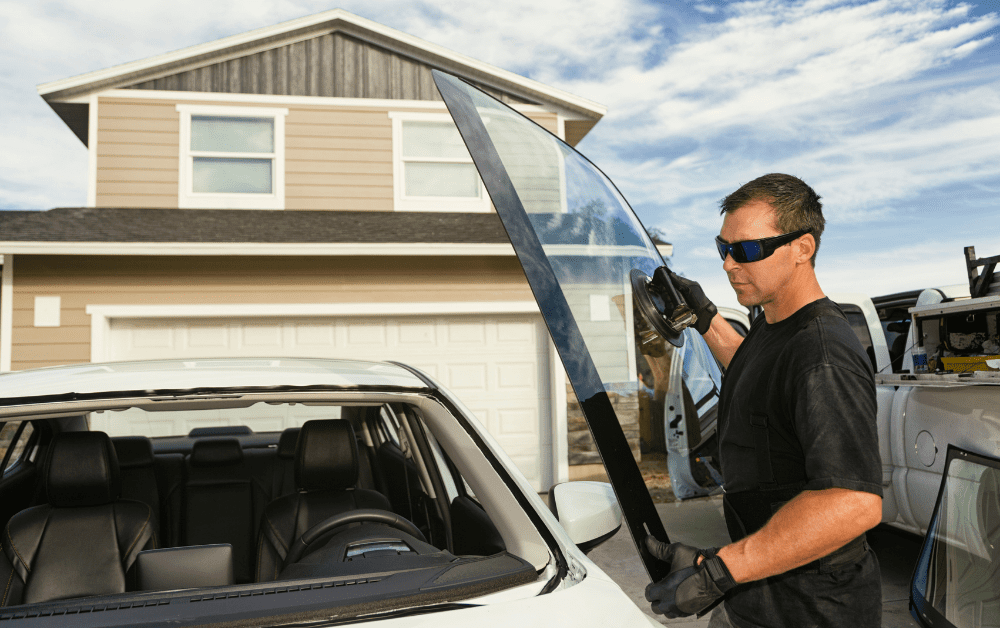
When the windshield of a commercial vehicle cracks or shatters, it’s more than a cosmetic issue—it’s a business disruption. Between managing driver schedules, delivery routes, and downtime, navigating the insurance process can feel like one task too many. Yet understanding how to handle claims effectively can save both time and unnecessary expense. Many fleet managers overlook the nuances of insurance coverage, missing opportunities for smoother reimbursement and faster service. A well-managed claim can make the difference between an extended vehicle outage and a same-day return to the road. In this guide, we’ll uncover the key steps to take when dealing with commercial windshield replacements through insurance. The process may seem routine, but with a clear understanding and reliable glass service support, it becomes surprisingly manageable—almost effortless. Let’s explore how to turn what could be a hassle into a streamlined, predictable business operation.
Understanding the Basics of Windshield Insurance for Commercial Fleets
Insurance coverage for fleet windshields often works differently than for personal vehicles. While personal policies usually include a straightforward glass repair clause, commercial policies can involve specific conditions tied to fleet size, coverage limits, and deductible thresholds. Some policies even offer zero-deductible options, which help reduce upfront costs.
However, one must read beyond the surface of the policy. Fleet managers should verify if their coverage extends to both repair and full replacement, as some policies distinguish between the two. It’s also essential to confirm whether mobile service is included. Choosing a provider who understands these nuances ensures every claim is optimized for the best outcome. Understanding these basics can prevent claim rejections and speed up the replacement process, allowing vehicles to stay productive rather than sidelined by paperwork.
Gathering the Right Documentation Before Filing
Filing an insurance claim without proper documentation can delay approval by days or even weeks. The process begins the moment damage is noticed. Fleet operators should photograph the windshield from multiple angles, capturing both the extent and location of the crack. It’s also wise to document the vehicle’s identification number, license plate, and mileage at the time of the incident.
Accurate documentation not only validates the claim but also helps technicians match the correct glass model and installation method. Incomplete information often leads to back-and-forth communication that prolongs downtime. Having everything ready before contacting your provider makes the process smoother. A clear set of records, combined with a detailed invoice from your glass company, builds an airtight claim that insurers can process without hesitation.
Choosing a Provider Familiar with Insurance Procedures
Not all glass replacement providers handle insurance claims efficiently. Working with a team experienced in managing commercial fleet coverage ensures fewer headaches and faster resolutions. Providers that regularly collaborate with insurance companies know how to submit claim forms, verify coverage, and communicate directly with adjusters to finalize approvals.
When selecting a service, ask whether they assist in filing claims or if you’re expected to handle it yourself. A reliable company will often guide clients through every step, from verifying policy details to final billing. This partnership minimizes administrative stress and ensures the replacement meets both insurer and safety standards. Providers well-versed in insurance communication can often turn what seems complex into a routine process, keeping your fleet operational and your focus where it belongs—on business logistics.
The Importance of Immediate Damage Reporting
Delaying a claim can lead to complications. Insurance companies prefer to assess damage as soon as possible after it occurs. Waiting too long might result in questions about the cause or timing of the incident. Early reporting helps confirm the damage’s legitimacy and secures quick authorization for repairs or replacement.
In a commercial setting, prompt action prevents small chips from turning into larger cracks that compromise safety and visibility. Early notification also aligns with policy timelines—some insurers have strict reporting windows. The sooner the incident is documented and submitted, the faster the vehicle can get back to work. This proactive approach demonstrates responsibility and reduces the risk of partial coverage or denied claims due to delayed filing.
How Mobile Replacement Services Simplify Insurance Claims
Mobile windshield replacement has revolutionized how fleet operators handle insurance claims. Instead of sending vehicles to a shop and losing valuable hours, mobile teams travel directly to your site—whether it’s a warehouse, parking lot, or delivery hub. This convenience fits perfectly with insurance-approved services, especially when providers are already listed as preferred vendors.
During mobile replacements, the technician can capture photos, complete inspection reports, and help submit them directly to insurers. This hands-on assistance eliminates redundant steps and ensures accuracy in every claim. It’s a seamless blend of technology and service that allows businesses to maintain efficiency even while dealing with unexpected windshield damage.
Managing Deductibles and Cost Coverage
Deductibles can often create confusion when it comes to fleet windshield claims. Some business owners assume they must pay large sums before coverage applies, but that isn’t always the case. Many insurance companies now offer zero-deductible glass coverage to encourage quick and safe replacements. For fleets, this is a major advantage—repairs happen faster, and financial strain is reduced.
Still, it’s important to confirm deductible terms in advance. Understanding your out-of-pocket costs ensures no surprises during reimbursement. A reputable glass company will review your coverage and clearly explain what portion of the expense falls under the policy. This transparency allows for smarter budget planning and more predictable maintenance costs across the entire fleet.
Avoiding Common Mistakes in Claim Filing
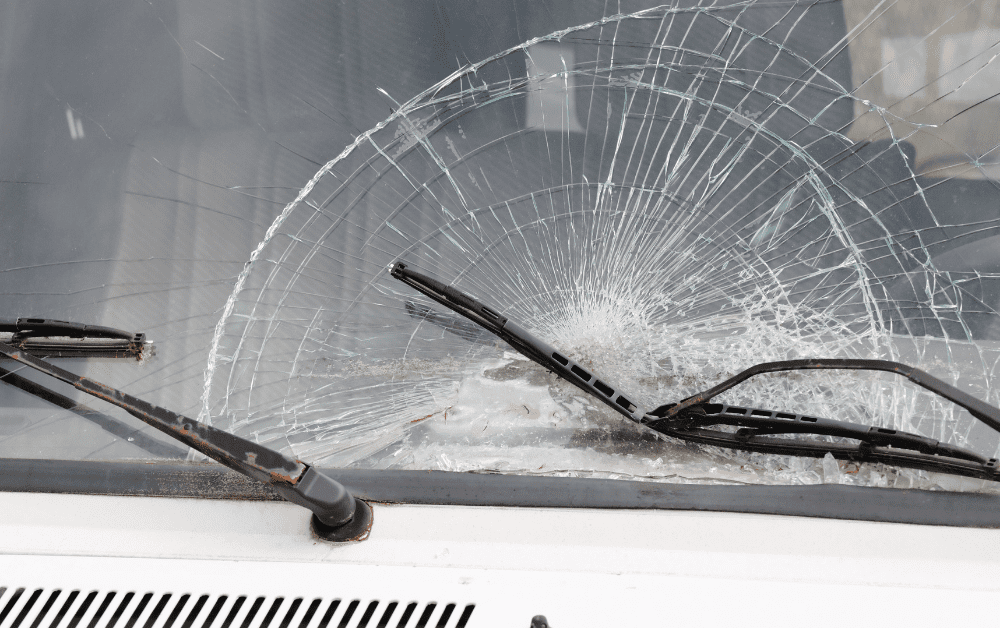
Mistakes in filing insurance claims for windshield replacements can cost businesses time, money, and patience. Many fleet managers unintentionally overlook simple yet critical details such as submitting incomplete claim forms, missing key documentation, or failing to report the incident within the insurer’s designated time frame. Another common oversight involves proceeding with repairs before the claim is officially approved. While this may seem efficient, insurers often view unauthorized repairs as violations of policy terms, leading to denied reimbursements or partial payments. Verifying the policy’s coverage type—whether it includes repair, replacement, or both—is essential to prevent confusion when claims are processed.
To avoid these setbacks, it’s wise for fleet operators to maintain an organized record system that includes incident photos, vehicle identification details, and communication logs with insurers. Reviewing claim procedures at least once a year ensures the process aligns with any policy updates or coverage changes. Additionally, partnering with a glass replacement provider who understands the intricate requirements of commercial insurance can make all the difference. These professionals guide clients through every step of filing, ensuring each document meets insurer standards. With proper planning and coordination, claims can move from submission to approval without unnecessary delays or rejections.
Working Directly with Insurance Adjusters
Collaborating effectively with insurance adjusters is one of the most efficient ways to accelerate windshield replacement claims. Adjusters serve as the bridge between the insured business and the insurance company, ensuring that every detail of the claim matches policy terms. They review documentation, validate repair estimates, and verify service quality before approving reimbursement. When fleet managers maintain open, cooperative communication with adjusters, the entire process becomes smoother. Adjusters appreciate when all evidence—such as photographs, repair invoices, and detailed reports—is organized and readily available. This transparency builds trust and prevents disputes over repair legitimacy or costs.
A professional glass service that routinely handles insurance work can act as a helpful liaison in these interactions. They often prepare claim documentation in a format tailored to the insurer’s system, reducing the time adjusters spend verifying details. Moreover, skilled providers understand how to articulate technical repair terms clearly, preventing miscommunication that could slow down approval. The key is collaboration—by maintaining professionalism and consistency in communication, businesses foster positive relationships with adjusters. This not only shortens the approval timeline but also sets the stage for smoother claims in the future.
Ensuring Fleet Compliance After Replacement
Fleet safety doesn’t end once the windshield is replaced—it extends to ensuring that the vehicle complies with both manufacturer standards and insurance requirements. After installation, it’s vital to verify that the replacement glass meets OEM (Original Equipment Manufacturer) specifications and that adhesives used align with safety standards. Many insurance companies require certified documentation proving that qualified technicians performed the job using approved materials. Providers experienced in commercial-grade installations automatically adhere to these expectations, ensuring every replacement satisfies compliance criteria.
Post-service documentation is more than a formality—it’s protection for your business. Records detailing technician certifications, adhesive curing times, and quality checks confirm that the work meets safety regulations and insurer expectations. These details strengthen the legitimacy of future claims and safeguard against liability if questions arise later. By maintaining meticulous records, fleet managers create a foundation of accountability. This proactive approach reassures insurers of your reliability and ensures faster claim approvals down the line. Ultimately, compliance isn’t just about regulations—it’s about operational integrity and the long-term safety of every vehicle in your fleet.
Streamlining Claims with Technology Integration
Digital innovation has reshaped how commercial windshield insurance claims are handled. Modern glass replacement providers now use cloud-based systems and mobile apps that allow direct submission of claims, photos, and signatures. This real-time data exchange eliminates the lag of manual paperwork and long email threads. Fleet managers can now upload incident reports instantly, receive automated claim tracking updates, and communicate with insurers through secure portals. This digital convenience not only accelerates approvals but also reduces the margin for human error. The result is faster service turnaround and improved operational efficiency.
For large fleets managing multiple vehicles, technology integration offers an invaluable advantage. Digital claim platforms centralize records, making it easy to retrieve past repair data or reference previous incidents for insurance audits. Providers that adopt these systems can synchronize updates directly with insurers, ensuring every stage of the process—from inspection to replacement—is traceable and verified. This level of transparency fosters trust, minimizes disputes, and helps companies maintain a consistent maintenance rhythm. In a fast-paced business environment, embracing digital solutions transforms a once time-consuming process into a seamless, data-driven workflow that keeps vehicles moving and operations running smoothly.
ChatGPT can make mistakes. Check important info.
Conclusion
Navigating insurance claims for commercial windshield replacement doesn’t have to be stressful. With the right documentation, timely reporting, and collaboration with experienced providers, the process becomes a smooth extension of daily fleet operations. Quick claims, precise paperwork, and professional replacements help businesses maintain safety and minimize downtime. For trusted and efficient service in Marana, contact Vista Glass Marana at 520-999-2659 or email CSR@vistaglass.com for expert assistance that simplifies the entire process.