
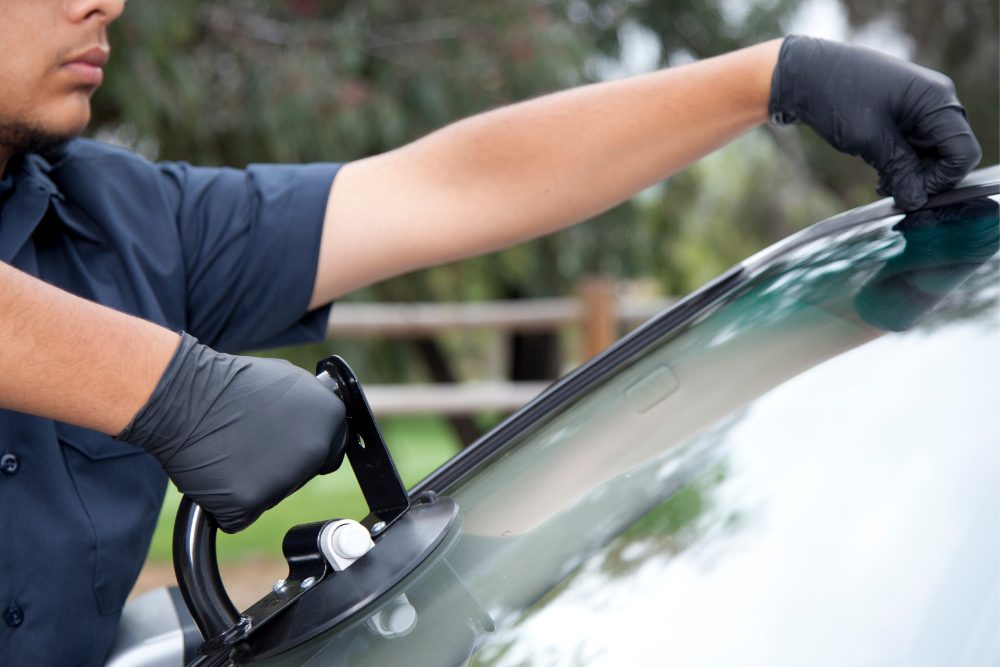
A newly installed windshield is more than just glass; it’s a structural guardian that supports your vehicle’s integrity and shields you from the elements. Yet, many drivers assume that once the replacement is done, the job is over. In reality, routine inspections after installation are vital. Subtle shifts, temperature fluctuations, and even minor seal stress can weaken the adhesive over time, reducing visibility or compromising safety during impact. Periodic checks ensure that everything—from the bonding to the fit—remains stable and secure. A careful look today prevents costly replacements tomorrow. Regular attention to your windshield’s health isn’t merely maintenance; it’s assurance that your car continues to perform as designed. And with professional glass specialists offering inspection expertise, these routine evaluations are both accessible and essential for long-term clarity and protection.
The Hidden Strength Behind Routine Windshield Inspections
Many car owners underestimate how much a windshield contributes to their safety until a problem appears. After replacement, tiny imperfections can form as adhesives settle, particularly when exposed to temperature changes or vibrations. Regular inspections detect those silent shifts before they evolve into visible cracks or leaks. It’s a way to confirm that the integrity of the glass—and its bond to the frame—remains intact long after installation day.
These inspections also preserve your investment. A windshield replacement is no small expense, and catching early adhesive fatigue prevents costly rework. Certified technicians can identify signs of stress invisible to the naked eye. Through professional care, you’re not just maintaining clarity; you’re ensuring the vehicle retains its factory-level protection. Think of these visits as the health checkups your car’s most important safety shield deserves.
When Temperature Plays Tricks on Your New Windshield
Arizona’s dramatic temperature swings can quietly challenge your windshield’s stability. Hot afternoons followed by cool nights create expansion and contraction cycles that push the glass and its sealant to their limits. Without periodic inspection, these subtle thermal changes may loosen edges or introduce hairline stress fractures that spread across the surface over time.
Routine checks spot these early signs before damage worsens. Inspectors often look for small distortions, hazy edges, or pressure bubbles along the perimeter—all indicators that environmental stress is at play. By identifying these temperature-induced shifts early, drivers avoid sudden cracking and ensure their replacement investment holds strong. Routine inspection isn’t about fear; it’s about foresight, preserving both safety and clarity in every mile you drive.
Detecting Seal Weakness Before It Becomes a Problem
The bonding seal is your windshield’s silent defender. If compromised, it can invite moisture, dust, or even air leaks into the cabin. Over time, that tiny breach leads to foggy glass, weakened adhesive, or mold beneath the trim. Regular inspections uncover these invisible vulnerabilities before they affect driving comfort or visibility.
Technicians use light reflection and moisture tests to locate seal inconsistencies that typical cleaning might hide. It’s a simple act of prevention that can save drivers from costly repair cycles later. Seal degradation often happens gradually, so routine checks offer peace of mind that the new glass remains weatherproof and structurally sound. Maintaining that perfect seal means preserving your car’s original safety performance and keeping every drive quiet, dry, and secure.
Why Post-Replacement Vibrations Deserve Attention
Your vehicle’s windshield faces constant vibration—from road texture, wind pressure, and even the bass from your sound system. After replacement, the fresh adhesive layer is still adjusting to these forces. Without timely inspection, these vibrations can cause micro-separation between glass and frame, weakening the hold.
Technicians look for subtle rattles, edge gaps, or flutter sounds while driving—early indicators of bonding issues. Identifying these minor movements early ensures stability and avoids full detachment later. Every vibration tells a story, and a professional eye can interpret it before it becomes a structural concern. Regular inspection transforms potential weakness into reinforced confidence, ensuring your windshield remains a silent, steadfast barrier against every road’s rumble.
Understanding How Pressure Affects Windshield Longevity
The cabin of a car is a pressure capsule. Every door slam, window adjustment, or air-conditioning shift exerts a small but measurable force against the windshield. Right after replacement, when the adhesive is still curing, these pressures can distort or misalign the glass. That’s why early inspections are critical—they ensure those interior dynamics haven’t compromised the set.
Routine inspections detect subtle pressure stress lines that develop near edges or defrost zones. These faint distortions, though nearly invisible, can grow under daily use. By identifying and correcting early shifts, technicians help the glass maintain its structural bond and alignment. Proper inspection ensures that internal air pressure, however frequent, never shortens the lifespan of your newly installed windshield.
The Role of Routine Inspections in Warranty Protection
Most windshield replacements include a warranty—but few realize that skipping inspections can void it. Many glass warranties depend on consistent maintenance and timely checkups to validate coverage. A missed inspection could mean losing protection against leaks, cracks, or adhesive failure. Regular visits document proper upkeep and preserve that safety net.
In practice, this means more than paperwork—it’s about safeguarding value. When a professional confirms your windshield’s continued stability, it strengthens your claim should future issues arise. Think of it as insurance for your investment. Maintaining your warranty through scheduled inspections not only reinforces manufacturer trust but also guarantees lasting clarity, safety, and accountability in every drive.
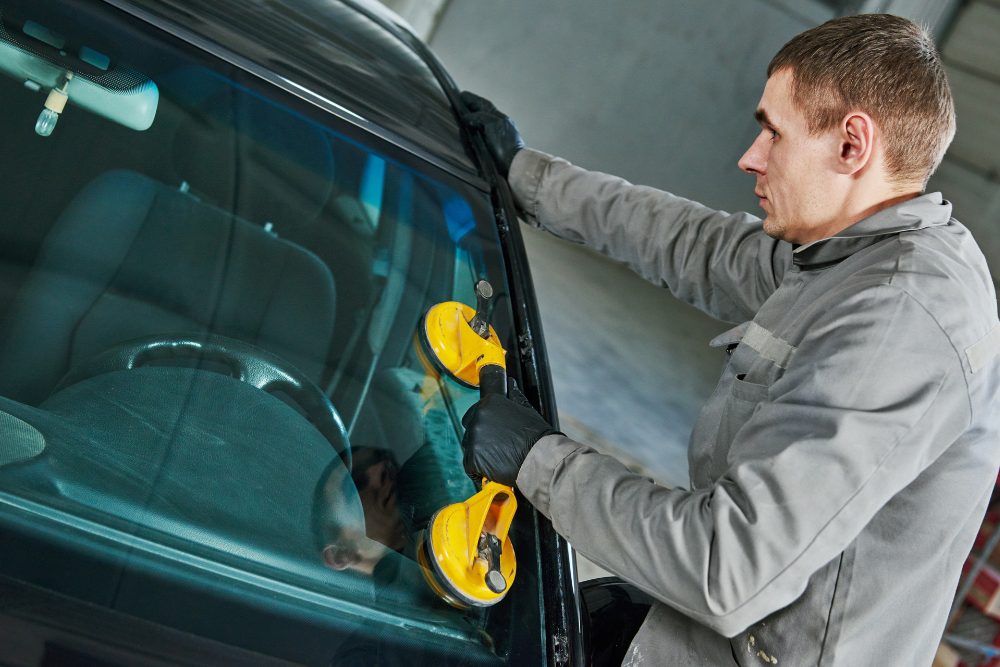
Spotting Early Adhesive Fatigue Before It Spreads
Adhesive fatigue is a slow, silent process that often escapes the driver’s notice until it’s too late. What begins as microscopic separations between the glass and frame can gradually evolve into dangerous instability. Factors like extreme sunlight, road debris, and moisture accelerate this breakdown, especially when a windshield has recently been replaced. Over time, these stressors weaken the adhesive’s elasticity, causing slight shifting or a faint clicking sound near the corners—both subtle red flags of bonding fatigue. A regular inspection is the only reliable way to uncover these invisible fractures before they compromise the glass’s hold.
Professional technicians are trained to identify the earliest hints of separation through tactile pressure tests and optical assessments. If discovered, they can reseal or reinforce those areas before damage multiplies. It’s a minimal investment that protects against full windshield detachment or costly reinstallation. The key lies in timing: catching adhesive fatigue early keeps your glass secure, your car quieter, and your ride safer. A short inspection visit now spares you from major inconvenience later, ensuring that the windshield you depend on continues to perform flawlessly long after installation day.
Protecting Clarity and Visibility Through Inspections
Crystal-clear visibility isn’t simply about aesthetics—it’s a matter of safety. Over time, airborne debris, wiper friction, and road chemicals can dull the surface of even a new windshield. These imperfections scatter light and reduce clarity, especially during rain or night driving. Inspections allow experts to identify early signs of wear that routine cleaning misses. They assess glass smoothness, detect hairline scratches, and check for optical distortion that might affect your depth perception. Regular attention ensures your field of vision stays unclouded, preventing distractions that could compromise your reaction time.
During inspections, technicians often use specialized lights or magnifiers to reveal micro-abrasions invisible under normal daylight. These marks can be polished or treated before they expand, preserving not only the windshield’s shine but also its optical precision. Maintaining clarity is about driving confidence—when your view is sharp and streak-free, every detail of the road becomes easier to read. By keeping visibility at its peak, inspections protect both performance and peace of mind. Your windshield should always act as an invisible shield, not a visual obstacle, and consistent professional checks guarantee exactly that.
Why Regular Inspections Support Structural Integrity
Your windshield isn’t just a transparent surface; it’s a crucial part of your car’s skeletal system. It provides up to 30% of a vehicle’s structural strength during a rollover and directs airbag deployment with precision. However, even slight adhesive shifts or unnoticed edge cracks can weaken this critical framework. Regular inspections verify that the windshield’s bond remains strong, preserving the integrity designed by the manufacturer. Skipping these checks can mean losing the hidden layer of protection that saves lives during collisions.
Technicians inspect pillar corners, roof seams, and bonding lines to confirm that everything aligns as it should. They also test for flex resistance to ensure the glass responds properly to pressure. When these components remain stable, your vehicle maintains its engineered balance, which is vital in emergencies. Beyond safety, these inspections prevent gradual warping that can lead to leaks or vibration issues. The result is a vehicle that not only drives smoother but withstands impact with unwavering resilience. Simply put, maintaining your windshield’s structure through inspections keeps your car’s foundation unshakable—and that security is priceless.
The Long-Term Savings of Consistent Windshield Care
Financial wisdom often begins with small habits, and windshield inspections are one of them. A single neglected chip can evolve into a crack that stretches across your entire windshield, forcing a full replacement that could have been avoided. Regular inspections catch these flaws when they’re easy—and inexpensive—to repair. Instead of paying hundreds for replacement, a few preventive checkups each year keep your glass in top shape while protecting the adhesive’s bond and your warranty coverage. It’s a classic case of paying a little now to avoid paying a lot later.
Beyond cost, these inspections deliver consistent performance benefits. A well-maintained windshield enhances aerodynamics, reduces cabin noise, and keeps temperature control efficient. Drivers who commit to inspection routines experience fewer leaks, fogging issues, and visibility problems—each translating to time saved and stress reduced. Over years of ownership, that reliability compounds into real savings. Every inspection reinforces your vehicle’s durability and your own peace of mind. In the long run, this simple habit becomes an investment that rewards you with safety, clarity, and financial sense every mile you drive.
Conclusion
Routine windshield inspections are the unsung heroes of long-term vehicle safety and performance. From maintaining adhesive strength to detecting environmental wear, each checkup protects not just your glass but your peace of mind. When done consistently, these inspections extend the life of your replacement and preserve your investment’s integrity.For expert inspection and replacement services, contact Vista Glass Marana in Marana at 520-999-2659 or email CSR@vistaglass.com for professional guidance and care that ensures your windshield stays as strong as the day it was installed.