
The next decade is poised to redefine the glass replacement industry, bringing in a wave of technologies that merge efficiency with sustainability. As consumer needs evolve, so will the demand for smarter, safer, and more eco-conscious glass solutions. Traditional installations are giving way to intelligent materials that respond dynamically to light, heat, and energy consumption. With rapid advances in automation, nanotechnology, and environmentally friendly manufacturing, the industry is moving toward a future that prioritizes precision and long-term performance. Companies will increasingly combine craftsmanship with digital innovation, ensuring every pane or windshield does more than just protect—it enhances living and driving experiences. What lies ahead is a landscape shaped by ingenuity, where sustainability isn’t just an afterthought but the foundation of design. The coming years will redefine transparency, efficiency, and the very meaning of durability in glass replacement.
The Rise of Smart Glass Technology
Smart glass is transforming the way consumers view transparency. These adaptive materials adjust automatically to changes in sunlight, improving comfort while reducing energy waste. Instead of static barriers, they act as intelligent filters, blocking heat when needed and allowing natural light to flow when conditions are ideal. Over time, this innovation will become standard in vehicles and buildings alike. Manufacturers are investing heavily in research that blends aesthetics with environmental responsibility, making smart glass not just a luxury but an expectation.
In the coming decade, smart glass will continue to merge with connected systems, integrating with digital assistants and energy management software. Homeowners and drivers will control tint, glare, and privacy with voice commands or mobile apps. The beauty of this technology lies in its subtlety—it works quietly in the background, reducing energy costs while elevating comfort. The glass replacement industry will rely on specialists trained in these systems, creating opportunities for advanced installation services.
Sustainability as the Core of Modern Glass Design
Environmental awareness is no longer a trend—it’s a standard that defines the future of every industry, including glass replacement. The materials used in modern panes are shifting toward recyclable compositions that limit carbon footprints while enhancing energy retention. Green manufacturing processes will become non-negotiable, pushing companies to adopt cleaner production methods that reduce emissions and waste. This change is more than regulatory compliance; it’s about aligning with a global commitment to sustainability.
In practice, this evolution means glass replacement will focus on thermal efficiency and lifecycle longevity. Instead of frequent replacements, the industry will move toward materials engineered for endurance, minimizing landfill waste. Companies that invest early in eco-friendly fabrication will gain the trust of environmentally conscious consumers. As sustainability takes center stage, innovation will follow, leading to glass that performs multiple functions—conserving energy, blocking UV radiation, and supporting renewable construction goals all at once.
Automated Precision and Robotic Installation
As technology continues to shape craftsmanship, robotics will become central to glass installation and replacement. Automated tools already assist technicians in achieving perfect alignment and sealant application. In the next ten years, these systems will evolve into fully integrated robotic setups capable of handling complex installations with flawless accuracy. This shift won’t replace human expertise but rather refine it, enabling faster, safer, and more consistent results across projects.
With automation, the risk of human error decreases while productivity soars. Technicians will operate alongside smart machines that analyze temperature, pressure, and adhesive performance in real-time. This will make even large-scale glass projects smoother and more reliable. The new era of glass replacement will combine precision engineering with the intuition of skilled professionals, turning each installation into a seamless blend of technology and craftsmanship. As efficiency improves, clients benefit from quicker service and longer-lasting results.
Expanding Roles of Data and Artificial Intelligence
Artificial intelligence is carving out a niche in every industry, and glass replacement is no exception. Predictive data systems are beginning to analyze environmental stress, usage patterns, and material fatigue to determine optimal replacement timing. Over the next decade, AI will help technicians identify vulnerabilities before they escalate into costly damage. The result: fewer emergencies and better maintenance planning.
Incorporating AI also improves customization. With machine learning, glass solutions can be tailored based on local climate, exposure levels, and even customer preferences. For businesses, this means faster service recommendations and more accurate cost estimates. The collaboration between human insight and digital analytics will redefine efficiency standards. By the end of the decade, glass replacement companies will use AI not just as a tool, but as a trusted partner that transforms how safety, sustainability, and longevity are approached in every installation.
The Shift Toward Circular Economy Practices
The concept of a circular economy is gaining traction across industries, and glass replacement is aligning with this vision. Instead of discarding old materials, companies are finding ways to repurpose, recycle, and reintroduce them into production. This reduces waste while creating new value chains for sustainable materials. The next ten years will witness recycling plants and replacement shops working hand-in-hand to ensure that every removed pane has a second life.
In this model, discarded glass can become raw input for new panels, decorative products, or construction materials. These initiatives not only conserve resources but also lower operational costs for manufacturers. Consumers will appreciate businesses that participate in this looped approach, choosing brands that embody both efficiency and responsibility. The shift toward a circular model positions glass replacement as a key player in sustainable infrastructure, paving the way for a more resource-conscious future.
Advancements in Safety and Durability Standards
As glass becomes smarter, it must also become stronger. The next decade will emphasize materials that go beyond mere resistance—they will absorb impact, flex under pressure, and self-heal minor cracks. Laminated composites and nanotech-infused coatings will dominate the market, ensuring that glass remains dependable even under extreme conditions. These innovations will redefine safety standards, offering unmatched protection for both homes and vehicles.
Durability will also become a selling point that aligns with long-term value. The cost of replacement will decline as longevity increases, benefiting consumers and reducing environmental strain. Technicians will be trained to handle advanced materials that require specialized tools and adhesives. As safety features evolve, they will blend into everyday convenience—windshields that detect cracks early, windows that strengthen under tension, and glass that resists environmental erosion. This evolution transforms protection into performance.
The Integration of Augmented Reality in Vehicle Glass
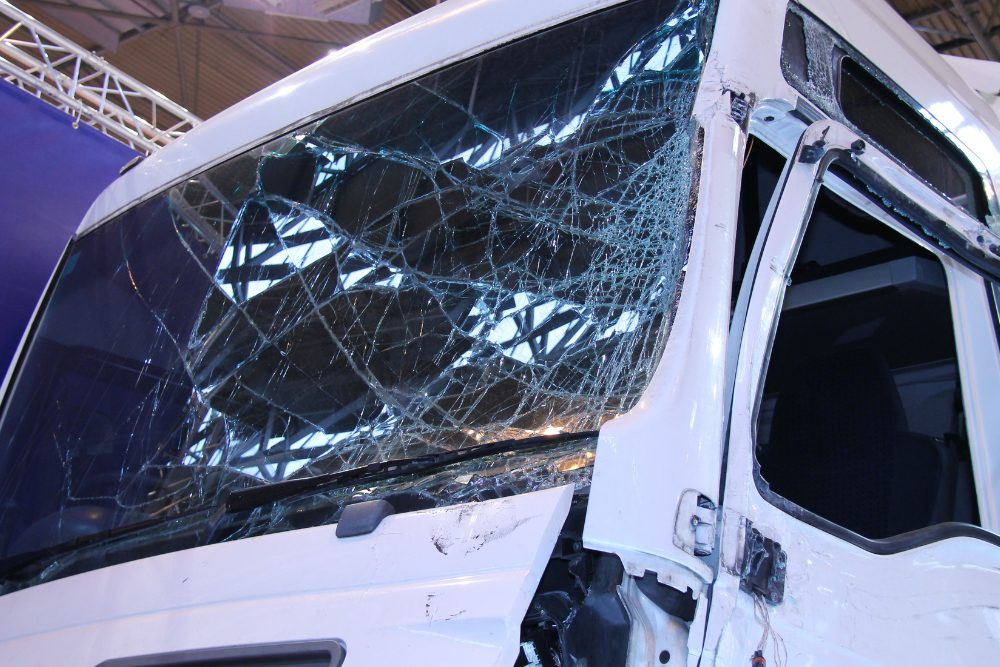
Automotive glass is undergoing a radical transformation with the integration of augmented reality. Future windshields will display navigation cues, traffic alerts, and performance metrics directly on the glass, eliminating distractions and improving road safety. This convergence of glass and digital display creates a seamless driving experience where information becomes part of the view itself. Over time, these technologies will become standard in both personal and commercial fleets.
As this innovation spreads, replacement technicians will need new skills in software calibration and sensor alignment. Replacing a windshield will no longer be just about physical installation—it will also involve syncing digital components. This merging of technology and transparency pushes the glass replacement industry into a new dimension of connectivity. With vehicles evolving into data-rich environments, the glass itself will become an active participant in navigation and safety.
Personalized Design and Aesthetic Customization
Customization is reshaping how consumers think about glass. Beyond performance, people now seek design that reflects personal taste and architectural harmony. From color gradients to etched finishes and smart tinting, the future of glass replacement will balance functionality with creative expression. Each installation will be as much about identity as it is about protection. This evolution opens opportunities for artisans and specialists who understand both beauty and performance.
Residential and commercial clients will request tailored solutions that integrate seamlessly into their spaces. Smart films that shift opacity, energy-efficient coatings with elegant tones, and frameless designs that emphasize minimalism will define the coming era. Glass will no longer be invisible—it will be an active design element shaping mood and light. Replacement services will expand into consultancy, guiding clients through choices that blend art, science, and sustainability.
The Growing Importance of Local Expertise
While global trends push innovation, local expertise remains vital. Communities depend on technicians who understand their specific climate, architecture, and infrastructure challenges. Over the next decade, local service providers will serve as anchors of reliability, offering quick responses and tailored solutions. Their value lies in human connection and on-the-ground knowledge that even the most advanced systems cannot replicate.
These experts will be the interpreters of new technology—translating complex advancements into practical applications for homeowners and drivers. Their hands-on approach ensures installations meet both global standards and local expectations. As technology expands, the relationship between client and technician becomes more collaborative. People will rely on trusted professionals not just for repairs but for ongoing maintenance and modernization. The glass replacement industry’s strength will rest on its ability to blend high-tech capability with genuine, localized service.
Preparing for a Hyperconnected Industry
Connectivity will drive the future of the glass replacement industry. Sensors embedded within glass panels will transmit performance data, temperature fluctuations, and integrity reports in real time. Technicians will receive alerts before problems arise, allowing preemptive maintenance and faster service. This interconnected framework will redefine responsiveness, turning traditional repairs into predictive care.
As these systems evolve, companies that adopt digital integration will gain a significant edge. Mobile scheduling, virtual consultations, and automated diagnostics will streamline operations while improving customer satisfaction. The industry will function within a networked ecosystem where transparency applies not just to glass, but to service itself. The outcome is a smoother, smarter, and more proactive industry that values information as much as craftsmanship.
Conclusion
The glass replacement industry is on the brink of a profound transformation. From sustainable production and smart materials to automation and augmented reality, innovation is rewriting every layer of transparency. The next decade won’t just improve how glass performs—it will redefine how it interacts with people and the environment. Each shift will bring opportunities for creativity, sustainability, and technical mastery, shaping a sector that mirrors progress in every reflection. For expert guidance, professional installation, and future-ready glass solutions, contact Vista Glass Marana in Marana at 520-999-2659 or email CSR@vistaglass.com for reliable, innovative service that reflects tomorrow’s standards today.