
When the summer sun turns relentless, your windshield faces an invisible enemy—heat stress. Under the surface, that sleek pane of glass begins to expand and contract, responding to the sharp temperature shifts between day and night. Over time, this thermal tension weakens its structural integrity, transforming tiny chips into creeping cracks. While many car owners dismiss this as a minor cosmetic flaw, the truth is far more serious: your windshield’s strength directly affects your safety. In the Southwest’s dry climate, where sunlight feels like fire on metal, windshields endure far more punishment than most drivers realize. This makes understanding the impact of heat not just a matter of maintenance—but protection.
The Hidden Damage Caused by Extreme Heat
Blazing temperatures can turn your windshield into a fragile barrier. When glass expands in direct sunlight and contracts as the evening cools, microscopic fractures begin to form. These tiny imperfections grow quickly, especially when the vehicle is exposed to repeated thermal cycles. The heat also weakens the adhesive bond that keeps the glass securely attached to the frame, increasing the risk of loosening or detachment.
Drivers might not notice the damage right away. A faint line in the corner or a shimmer under light can be the first sign of deeper stress. If left untreated, these subtle cracks can compromise airbag deployment and overall cabin stability in case of impact. Understanding how heat interacts with laminated glass helps you anticipate problems early, saving you from costlier replacements down the road.
Why Windshield Cracks Spread Faster in Summer
There’s something deceptively dangerous about warm weather—it accelerates what’s already fragile. When you park under the glaring sun, the upper glass layer expands, but the inner layer, insulated by your car’s interior, stays cooler. This uneven expansion creates internal pressure, forcing cracks to lengthen even when they seem dormant.
Air conditioning compounds the issue. Blasting cool air on a hot windshield triggers thermal shock—a sudden change that can cause an existing chip to web across the glass in seconds. What begins as a repairable imperfection quickly transforms into a replacement-level fracture. That’s why technicians often recommend shading, gradual cooling, and timely inspections during peak summer. The sooner these heat-induced fractures are detected, the more manageable—and affordable—the solution becomes.
How UV Rays Degrade Windshield Integrity
Sunlight does more than heat up glass—it alters it chemically. Over prolonged exposure, ultraviolet radiation degrades the plastic interlayer that binds the windshield’s glass sheets together. This can cause discoloration, hazing, or a subtle distortion that affects visibility, especially at sunrise or sunset.
As this UV fatigue sets in, your windshield becomes more vulnerable to cracking. The once-flexible interlayer stiffens, reducing its shock absorption capability. This means even minor road debris or sudden temperature changes can trigger larger breaks. Regularly applying UV-resistant glass coatings or parking in shaded areas can slow this deterioration, but once the inner lamination begins to separate, replacement becomes the only safe option. Heat and UV damage often progress hand in hand, quietly undermining one of your car’s most critical safety components.
Thermal Shock and the Science of Sudden Cracks
Thermal shock sounds technical but is surprisingly common. Picture this: your car bakes in 105-degree heat, then you start the engine and blast icy air from the vents. The outer surface of the glass remains scorching while the inner layer cools rapidly, creating instant tension between them. That stress releases through cracks—thin at first, then branching outward.
The science behind this is simple yet unforgiving. Glass doesn’t expand uniformly. Even a 10-degree differential between inner and outer surfaces can strain its molecular bonds. Once a crack forms, it weakens the surrounding area, allowing future stresses to spread more easily. Understanding thermal shock helps explain why cautious temperature control—cracking the windows slightly or starting your A/C gradually—can preserve your windshield’s lifespan.
Why Replacing Damaged Glass Is Safer Than Repairing It
A small chip may seem harmless, but once exposed to summer heat, it transforms into a fault line. Repair resins can only stabilize minor damage; they cannot reverse heat-weakened bonds. When cracks spread across multiple layers, replacement is the only way to restore structural integrity.
More importantly, your windshield serves as a critical support for your car’s frame. In a collision, it helps prevent roof collapse and ensures airbags deploy correctly. A compromised windshield may shatter or detach during impact, drastically increasing injury risk. By choosing timely replacement, you’re not just restoring clarity—you’re reinstating protection. Professional installers use precision adhesives that cure properly even in high temperatures, ensuring the new glass integrates seamlessly with your vehicle’s safety design.
Preventive Steps to Protect Your Windshield from Heat
Preventing damage starts with small, mindful habits. Whenever possible, park in shaded areas or use reflective sunshades to deflect radiant heat. Avoid slamming doors when the cabin is hot—sudden vibrations can exacerbate existing microfractures. And never shock the glass by blasting cold air immediately after entering a hot vehicle.
Routine inspection is equally vital. Examine your windshield monthly for faint lines or cloudy patches, especially after long exposure to desert sun. Modern technicians use thermal imaging and microcrack detectors to identify weaknesses invisible to the naked eye. Scheduling preventive maintenance saves you from costly emergency replacements later, while preserving the optical quality that keeps your vision sharp and unobstructed.
The Role of Professional Installation in Hot Climates
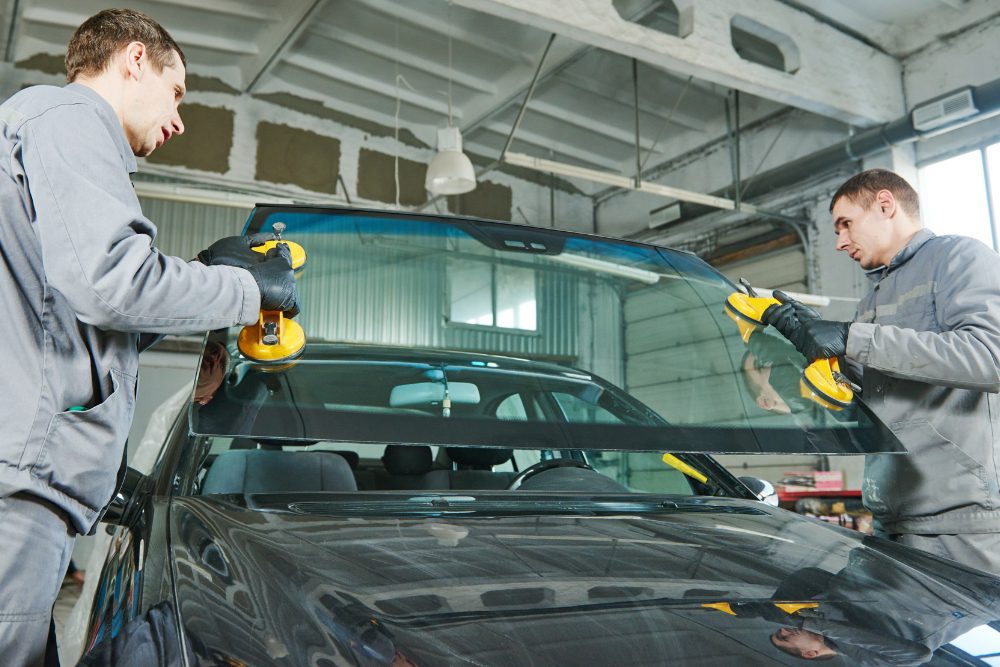
Installing a windshield in high temperatures is an intricate process that requires not just technical skill but also an understanding of how heat manipulates glass and adhesive behavior. Professional installers approach the task with precision—monitoring temperature, humidity, and even sunlight exposure during the curing stage. In scorching climates, adhesives may harden too rapidly, leading to poor bonding and microscopic air pockets that weaken the structure. Conversely, slow-setting sealants risk contamination from dust or moisture, especially in arid or windy environments. A well-trained technician compensates for these variables, ensuring every contour aligns perfectly before the glass settles into place.
In areas where heat dominates the seasons, experts use UV-resistant sealants and specialized curing lamps that maintain consistency regardless of outdoor temperature. This delicate balance ensures the new windshield can endure constant expansion and contraction cycles without losing grip. Beyond functionality, professional installation also preserves visual accuracy, preventing distortion and maintaining sensor alignment in modern vehicles. Every seal, joint, and edge works together to form a seamless, heat-resistant barrier between you and the elements. When the sun becomes a daily test, precision installation ensures your windshield’s strength endures long after lesser materials have failed.
How Heat Affects Modern Windshield Sensors and Coatings
Modern vehicles rely on advanced windshields equipped with sensors and coatings designed to enhance visibility and safety. These components—rain detectors, light sensors, lane-assist cameras—operate with microscopic precision. However, excessive heat can compromise their effectiveness in ways that are difficult to detect. Prolonged exposure to ultraviolet rays or high interior temperatures can cause sensor misalignment or introduce distortions in the optical coating. Once these layers warp or bubble, cameras may misinterpret road markings, and sensor accuracy can drop dramatically, jeopardizing features like automatic braking or adaptive cruise control.
The heat’s effect on coatings is equally significant. Anti-glare and hydrophobic films can deteriorate, producing uneven reflection and streaking that interfere with sensor readings. Once delamination begins, recalibration often can’t fully restore the system’s accuracy. Replacement becomes the only solution that guarantees full synchronization between your vehicle’s safety systems and its glass components. Professional installers not only replace the glass but also recalibrate each sensor, restoring harmony between machine vision and physical clarity. In regions where heat pushes materials to their limits, timely windshield replacement ensures that both your eyes and your car’s digital senses remain sharp, dependable, and perfectly aligned under the brightest skies.
The Economic Advantage of Early Windshield Replacement
Heat transforms small windshield chips into costly fractures faster than many drivers realize. What starts as a minor blemish can expand into a sprawling network of cracks once the glass endures repeated cycles of expansion and contraction. Repairing such damage becomes impossible once the inner lamination is compromised, leaving replacement as the only option. While many hesitate to replace early, thinking it saves money, the economics tell a different story. The longer you delay, the more extensive the damage becomes, often exceeding insurance coverage limits or affecting vehicle inspection standards. A quick fix, in the beginning, prevents a chain reaction of expenses later.
Insurance providers frequently support proactive replacement because it minimizes long-term costs. Many policies even cover full replacement when safety is at stake, recognizing that a damaged windshield compromises airbag function and roof stability. Early replacement also preserves your vehicle’s resale value and aesthetic appeal, signaling responsible maintenance to future buyers. More than just a financial decision, it’s an investment in safety and durability. Acting before cracks spread ensures that your windshield remains strong enough to withstand both physical impacts and the relentless pressure of summer heat—a decision that always pays off in peace of mind.
Preparing Your Vehicle for the Next Heatwave
When the first wave of summer heat looms on the horizon, your windshield deserves special attention. Extreme temperatures can quickly expose hidden weaknesses, turning small chips into deep fissures. Preparing early means inspecting for existing cracks, ensuring defrosters and air conditioning vents operate evenly, and applying protective coatings that reduce UV exposure. Even a small effort—like using reflective shades or parking under partial cover—can lower the internal temperature enough to prevent expansion stress. These steps may seem simple, but they collectively prolong the life of your glass and improve visibility during the brightest hours of the day.
Professional maintenance before peak heat is equally crucial. Technicians can detect flaws invisible to the naked eye, apply advanced films that reflect sunlight, or replace vulnerable glass before failure occurs. It’s a proactive approach, like weatherproofing your safety. Once the heatwave hits, it’s too late for quick fixes; preparation ensures your windshield remains a steady ally against the desert sun. Regular care, gentle cooling habits, and professional intervention create a durable balance that helps your vehicle adapt to even the harshest seasons. When properly maintained, your windshield doesn’t just protect you—it works with you, reflecting resilience under every fiery mile.
Conclusion
Hot weather silently strains every windshield, testing its resilience day after day. Each degree of heat, every blast of cool air, and every ray of UV light contributes to the gradual decline of your glass’s integrity. Recognizing the signs early—and acting before cracks spread—is the simplest way to preserve both clarity and safety.For trusted service, expert installation, and durable glass replacements built to endure Arizona’s heat, contact Vista Glass Marana in Marana. Their specialists understand how climate influences performance and safety. To schedule an appointment or consultation, call 520-999-2659 or email CSR@vistaglass.com for assistance.