
Glass windows, though elegant and essential, often stand as the most vulnerable elements of a building. Their beauty is matched only by their fragility, and a single moment of neglect can lead to cracks, chips, or complete breakage. Preventing damage isn’t just about avoiding accidents; it’s about understanding how glass responds to temperature shifts, pressure, and impact over time. Homeowners and business owners alike can extend their window lifespan with thoughtful care, smart maintenance, and a few protective upgrades. Whether your space faces harsh Arizona heat or the occasional desert storm, prevention begins long before damage appears. By recognizing weak points and reinforcing them through proper installation and maintenance, you transform fragile panes into resilient surfaces. The following sections will reveal practical, creative ways to keep your glass windows strong, clear, and beautiful for years to come.
Understanding the Hidden Weakness in Glass
Every glass pane has its own personality, defined by how it was made and how it’s treated over time. Tiny imperfections invisible to the eye can slowly expand when exposed to stress, moisture, or temperature swings. Even the way light hits your windows can affect their strength, particularly in areas where sunlight is intense. Homeowners sometimes underestimate how much routine maintenance and mindful design can influence durability. Preventing cracks means recognizing that glass isn’t indestructible, yet it can be remarkably resilient with proper care. Start by ensuring your windows have adequate sealing and insulation. Uneven pressure from poor installation can cause gradual warping or micro-fractures that later become visible cracks. Check the frame for any shifting or separation, as the slightest misalignment can lead to breakage under pressure. Understanding these hidden weaknesses helps you act before damage spreads.
The Role of Temperature Fluctuations
Few realize how much temperature changes test the strength of glass. Rapid heating during the day followed by cool nighttime air causes expansion and contraction that stress the surface. Over time, these invisible shifts can lead to tiny fissures that grow with each passing season. The solution isn’t to control the weather but to control your environment. Installing insulated or double-pane glass reduces stress from external temperatures, while thermal coatings help regulate heat absorption. Curtains and blinds aren’t just decorative; they act as shields, moderating how sunlight interacts with your windows. Even slight changes, such as avoiding sudden exposure to cold water during cleaning, can prevent thermal shock. By respecting how glass responds to the elements, you can preserve both its clarity and its integrity for years to come.
How Pressure and Impact Cause Damage
Pressure is an invisible force that often goes unnoticed until a crack appears. From strong winds pressing against large glass surfaces to the occasional bump from furniture or debris, impact doesn’t always need to be dramatic to cause harm. Glass may flex slightly, but its tolerance has limits. Consistent low-level pressure weakens the material structure, leaving it more susceptible to sudden fractures later on. Regularly inspecting the areas around window frames helps detect if mounting brackets or screws have loosened, creating uneven pressure points. If you live in regions prone to high winds or storms, consider adding protective films or reinforced safety glass. These solutions distribute pressure evenly, reducing the risk of shattering. Awareness of these subtle forces allows you to create a balanced environment where beauty and durability coexist.
The Importance of Proper Installation
Many window problems trace back to their first day — the installation. Even the finest glass can fail when installed incorrectly. Misaligned frames, poor sealing, or improper support can stress the glass long before you notice any visible signs. Professional installation ensures that pressure is distributed evenly across the entire pane, minimizing potential weak spots. For homeowners replacing older windows, upgrading to newer, energy-efficient designs adds both safety and long-term savings. If you suspect poor installation, watch for warning signs such as drafts, condensation at the edges, or faint popping noises when temperatures change. These signals often mean the frame isn’t seated correctly. Investing in expert installation now can save you the frustration and cost of premature replacement later. When done right, proper setup transforms fragile glass into a long-lasting architectural feature.
Using Protective Films for Strength and Safety
Protective films act as invisible armor for your windows. These thin, transparent layers bond to the glass surface and help absorb shock from impact or pressure. More than just physical protection, some films also block harmful UV rays, reducing heat buildup inside your home while preventing discoloration of furniture. The installation process is straightforward but best handled by professionals who ensure the film adheres evenly without bubbles. Once applied, the difference is subtle but powerful — your windows gain resilience without sacrificing clarity. In storm-prone or high-traffic areas, these films become a practical safeguard against accidental damage. Think of them as the unseen defenders of your comfort and safety, enhancing both aesthetics and peace of mind.
Maintenance Habits that Prevent Cracks
Routine maintenance is the quiet hero in preventing glass damage. Simple actions, like wiping dust with a soft microfiber cloth or using gentle cleaning agents, can make a big difference. Harsh chemicals or abrasive materials weaken protective coatings and leave micro-scratches that invite cracks over time. It’s also important to clean your windows during mild weather — washing glass under direct sunlight or extreme cold can trigger thermal stress. Check window seals and frames quarterly to ensure no gaps allow moisture or pressure imbalances. Keeping vegetation trimmed and away from the glass prevents accidental scratches from branches swaying in the wind. With consistent attention and small preventive measures, your windows can retain both their clarity and structural strength far longer than expected.
Reinforcing Glass with Modern Technology
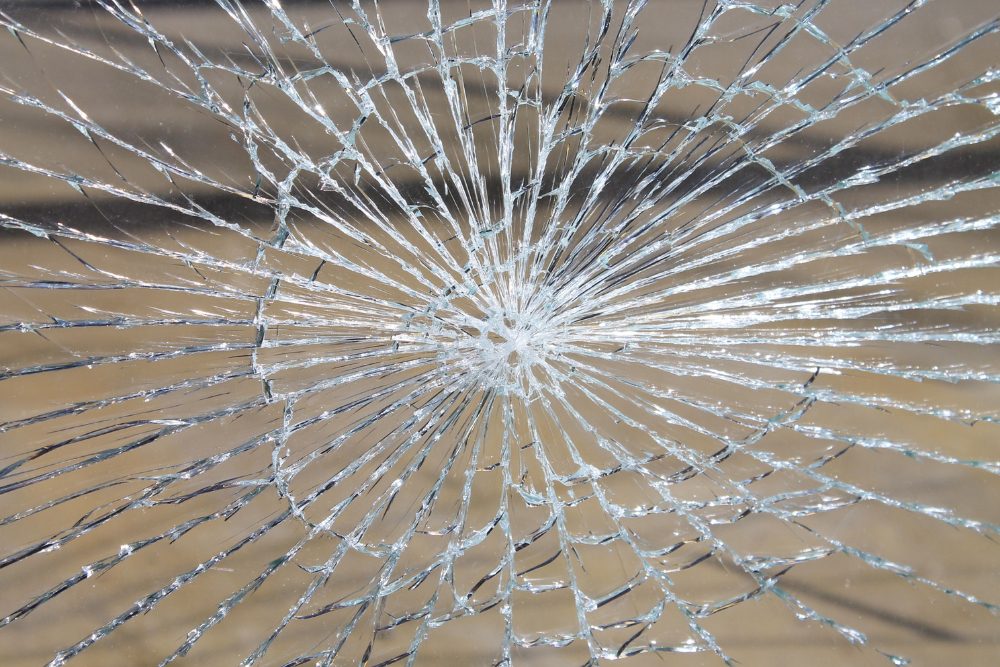
Glass innovation has transformed from mere transparency to engineered resilience. Modern advancements like tempered and laminated glass redefine what it means to protect your home or business. Tempered glass is strengthened through a precise process of heating and rapid cooling, making it several times more durable than standard panes. When broken, it shatters into small, dull pieces instead of sharp shards, minimizing injury risks. Laminated glass, on the other hand, is composed of multiple bonded layers that hold together even when cracked. This design prevents full breakage, improving security and reducing noise infiltration. Both technologies offer superior protection against impact, making them ideal for homes in areas prone to storms or high winds.
Beyond physical durability, newer glass technologies incorporate coatings that boost energy efficiency and comfort. Low-emissivity (Low-E) glass, for instance, reflects infrared light while allowing natural daylight to pass through, maintaining a balanced indoor climate. Retrofitting older windows with these modern options enhances resilience without compromising visual appeal. These innovations also shield interiors from harmful UV rays, preserving furniture and flooring from fading. By integrating these smart materials, homeowners gain not just strength but sophistication — a seamless blend of safety, sustainability, and style.
Recognizing Warning Signs Early
A cracked window rarely appears overnight; it’s a gradual process that often begins with subtle cues. The first indicators are small — a faint scratch, a fine fracture line, or unusual fogging between double panes. These signals may seem harmless, but they hint at stress points that can worsen with temperature changes or pressure fluctuations. Regularly inspecting your windows in natural light helps you spot distortions or weak areas before they evolve into costly problems. The corners and edges, where most tension builds, deserve particular attention. Neglecting these early signs allows moisture to creep in, expanding the fracture and compromising insulation.
Even small irregularities can trigger a chain reaction. A pane that rattles or shifts slightly within its frame often suggests misalignment, and once pressure distributes unevenly, cracks become inevitable. Listening to subtle sounds — faint creaks or pops during cold nights — can also help identify structural stress. Addressing issues promptly through minor repairs, such as sealing or reinforcing edges, prevents full replacements later. Early action is not just maintenance; it’s prevention in its smartest form. Recognizing your glass’s “whispers” ensures longevity, safety, and clarity, keeping your space bright and structurally sound for years.
Choosing Professional Glass Services
There comes a point when even the most diligent homeowner must turn to professional expertise. While DIY repairs may handle surface-level issues, trained specialists offer precision and insight that ensure long-term safety. These experts possess specialized tools to assess stress points, measure frame alignment, and identify hidden fractures invisible to the eye. Using professional-grade materials like structural sealants and resin fillers, they can restore strength to compromised glass without altering its clarity. Their skill doesn’t just fix problems — it anticipates them, reinforcing areas prone to damage before failure occurs. This proactive approach reduces costs and extends your windows’ life span significantly.
Professional services are also vital for compliance and safety assurance, especially in commercial properties or multi-story buildings. Certified glass technicians understand building codes, energy standards, and local weather conditions, tailoring solutions accordingly. Whether upgrading to tempered glass or replacing older installations, their work ensures optimal durability and insulation. More importantly, professionals can pinpoint recurring damage patterns — perhaps due to frame stress, structural settling, or environmental exposure. Entrusting your glass care to skilled hands provides both peace of mind and lasting value. It’s not just about repairs; it’s about maintaining a standard of excellence that reflects security and craftsmanship.
Building a Long-Term Prevention Plan
The most effective protection for your glass windows comes from planning ahead. Preventive maintenance is more than a routine; it’s a strategy rooted in consistency and care. Start by scheduling inspections twice a year — once before extreme summer heat and again before colder months. These checkups reveal early signs of seal damage, frame distortion, or pressure buildup. Incorporate preventive solutions like UV-protective films, impact-resistant glass, and reinforced frames that distribute stress evenly. Even your cleaning habits play a role: use mild, non-abrasive solutions and soft cloths to preserve the surface integrity. This ongoing attention ensures your glass remains strong, clear, and safe through every season.
For businesses and homeowners alike, prevention becomes a form of long-term investment. Documenting maintenance schedules and setting reminders can help track wear patterns, allowing for timely upgrades. Integrating ventilation systems also minimizes condensation that can weaken seals. Consider pairing professional inspections with minor DIY upkeep to achieve complete protection. Over time, these consistent habits save money and extend window life. By viewing maintenance as preservation rather than repair, you cultivate a resilient, energy-efficient environment that endures. A solid prevention plan transforms fragility into strength — a reflection of foresight, reliability, and enduring beauty.
Conclusion
Protecting glass windows from cracking or breaking is not just about reacting to problems but about designing a smarter, stronger environment. From choosing the right materials to maintaining balance between temperature and pressure, every step contributes to lasting durability. By understanding the hidden forces that threaten glass, you ensure it remains both functional and elegant for years. For those seeking expert guidance or installation, Vista Glass Marana stands ready to help. Located in Marana, they can be reached at 520-999-2659 or through CSR@vistaglass.com. Their professional team understands that quality glasswork is more than aesthetics — it’s about safety, precision, and reliability. Strengthen your windows today, and let your space reflect the clarity and confidence that comes from true protection.