
A windshield does more than shield passengers from wind and debris—it’s an unseen guardian that holds the vehicle’s structure together during impact. When a collision happens, the glass works in tandem with airbags and the car’s frame to protect every passenger inside. High-quality windshields are engineered for resilience; they resist shattering, distribute pressure evenly, and maintain clear visibility in changing conditions. In contrast, inferior or poorly installed glass compromises both the safety system and driving comfort. Understanding its deeper role reshapes how we view auto glass—not as a replaceable panel, but as a core safety feature essential to every journey. This article explores the unseen power of quality glass, its engineering secrets, and why trusting professionals for installation is a decision that safeguards lives.
The Hidden Strength Behind Laminated Glass
Every windshield starts with layers of laminated glass—a fusion of strength and flexibility. This structure acts like a silent shield during accidents, absorbing shock instead of fracturing. The plastic layer sandwiched between glass sheets prevents shards from scattering, a design that turns potential chaos into controlled protection. Yet, its value extends beyond crash resistance. Laminated glass helps maintain cabin silence, filters harmful UV rays, and supports advanced sensor systems that guide driver assistance technologies.
When this craftsmanship meets precision installation, your vehicle gains more than transparency—it gains integrity. A single imperfection, however small, weakens the bond between the glass and the frame. Over time, stress cracks or sealant erosion can compromise that security. That’s why professionals emphasize meticulous fitting and high-grade materials. Quality begins with design, but it’s completed through skilled hands that understand how every curve, edge, and adhesive interacts under pressure.
How Proper Installation Affects Collision Survival
A windshield’s placement is not just aesthetic—it defines structural resistance during impact. In high-speed collisions, your windshield acts as an anchor for airbag deployment. If installed poorly, the airbag can dislodge the glass or fail to protect passengers altogether. Even the roof’s stability depends on the windshield’s secure bond. In rollover accidents, the glass helps prevent roof collapse, preserving the cabin’s survival space.
The adhesive used matters as much as the glass itself. Professional installers rely on urethane compounds engineered to bond tightly under heat, vibration, and moisture. Cheap substitutes dry unevenly, leaving invisible gaps that widen over time. The precision of curing time, surface preparation, and temperature control—all dictate the outcome. When every variable aligns, your windshield transforms from a visual barrier into a structural defender. It’s not merely installed; it’s integrated into the safety framework of the car.
When Vision Meets Protection
Clarity and protection share an intimate connection through your windshield. A high-quality windshield ensures optical precision, preventing distortion that can mislead your perception of distance or speed. This clarity matters most during night drives or in rain, where glare and refraction could cause momentary blindness.
But clarity is more than visibility—it’s communication. Sensors behind the glass read lane markings, detect obstacles, and manage adaptive cruise systems. Inferior glass or misalignment can throw these readings off, leading to unreliable driver-assistance performance. Even wiper operation depends on surface tension and smooth coating. In essence, your windshield doesn’t just protect—it interprets the environment for your vehicle. Every clean sweep, every unbroken reflection, every accurate camera reading traces back to one thing: glass quality. When the windshield works flawlessly, safety becomes invisible—precisely as it should be.
The Science of Impact Absorption
When forces collide, your windshield acts as a kinetic translator—absorbing and redistributing energy away from passengers. Laminated layers, adhesive tension, and curvature all contribute to this balancing act. In a severe impact, instead of breaking into dangerous shards, the windshield bends inward slightly, holding fragments in place and lessening the blow.
This controlled flexibility is not random. Engineers fine-tune glass thickness, resin quality, and interlayer elasticity to achieve millisecond-level responses during a crash. The balance is delicate: too rigid, and it shatters; too soft, and it buckles under pressure. What you see as simple transparency is, in reality, a calculated safety matrix. When combined with precision bonding, the windshield forms part of the vehicle’s energy-absorption path—a vital link between outer force and inner protection. A cheap alternative might look identical, but in the moment of truth, it tells a far less forgiving story.
Preventing Roof Collapse During Rollovers
One of the least understood roles of a windshield is its contribution to roof integrity. During a rollover, the windshield works like a crossbeam, distributing force across the frame and keeping the roof from folding inward. Without this reinforcement, even minor rollovers can cause catastrophic collapse, trapping passengers and reducing escape chances.
This strength depends on two things: glass composition and bonding integrity. A properly cured adhesive forms a seal that behaves almost like steel under pressure. But shortcuts—improper primers, poor surface prep, or rushed curing—break that chain of protection. In testing conditions, vehicles with quality glass show up to 60% greater roof resistance compared to those with substandard replacements. When viewed this way, replacing your windshield isn’t cosmetic—it’s structural maintenance. Every adhesive line and contour placement carries a direct consequence for passenger survival.
The Connection Between Windshield and Airbag Function
Airbags rely on the windshield’s strength to deploy correctly. When an accident occurs, the passenger-side airbag bounces off the windshield to create a cushioned barrier. If the glass is loose or improperly sealed, that split-second deployment can fail catastrophically. The airbag might push the glass out instead of protecting the occupant, nullifying one of the car’s most vital safety systems.
High-quality windshields are built with precise rigidity and mounting points to withstand that sudden airbag force. Their laminated core ensures elasticity without detachment. Professional installation ensures alignment within millimeters—anything less can alter the airbag trajectory. Every safety test conducted by automakers assumes factory-level windshield performance. Replacements that don’t meet those standards, even by small degrees, disrupt the chain of protection. What looks like a simple pane of glass is actually a life-saving surface engineered for timing, traction, and controlled impact.
The Role of Windshield Calibration in Modern Cars
Today’s vehicles rely heavily on windshield-mounted technology—cameras, sensors, radar units—all of which require precise calibration after glass replacement. A high-quality windshield ensures these instruments function exactly as designed. Poor calibration can misread lane boundaries, fail to detect pedestrians, or trigger false braking alerts.
The calibration process isn’t mechanical—it’s digital precision. Professionals use specialized equipment to sync your new glass with the car’s onboard systems. Even a few degrees of distortion in the glass curvature can affect how cameras perceive distance. Quality glass manufacturers follow strict optical clarity standards to prevent image warping. When paired with expert calibration, your car’s safety suite regains full function. Neglecting this step, however, means driving with compromised technology—a silent risk hidden behind a clear surface. Safety today extends beyond strength; it thrives in synchronization between glass and intelligence.
How Weather Resistance Enhances Long-Term Safety
Weather doesn’t just test your windshield—it defines its lifespan. Intense heat, frost, and UV exposure cause expansion and contraction that weaken ordinary glass over time. High-quality windshields resist these cycles through enhanced lamination and UV-blocking interlayers. These details may seem small, but they maintain structural consistency under temperature extremes.
A secure bond keeps moisture from seeping into the adhesive, preventing corrosion around the frame. In cold climates, poor seals freeze and crack, widening gaps that destabilize the entire assembly. In desert conditions, thermal stress can distort cheaper glass. Quality materials adapt—they flex within safe limits without delamination. This endurance ensures not just clarity, but safety retention through the years. A windshield that weathers the elements gracefully preserves the invisible promise of protection every time you drive.
The Unseen Cost of Cheap Windshield Replacements
Low-cost replacements may seem like quick fixes, but they often come at a high safety cost. Inferior materials can distort vision, fail to bond securely, or degrade under sunlight. What’s worse, many budget installers cut corners in curing and calibration—steps that make the difference between life-saving strength and silent vulnerability.
A windshield’s quality isn’t just about aesthetics; it’s about consistency under pressure. The adhesive bond must handle thousands of micro-vibrations daily, and the glass must retain its structure even when chipped. Cheap replacements often skip rigorous testing for pressure resistance or sensor clarity. As time passes, those shortcuts manifest as leaks, stress cracks, or sensor failures. Safety is not an accessory; it’s a system. And that system collapses when one part—your windshield—falls short of its promise.
The Professional Touch That Guarantees Safety
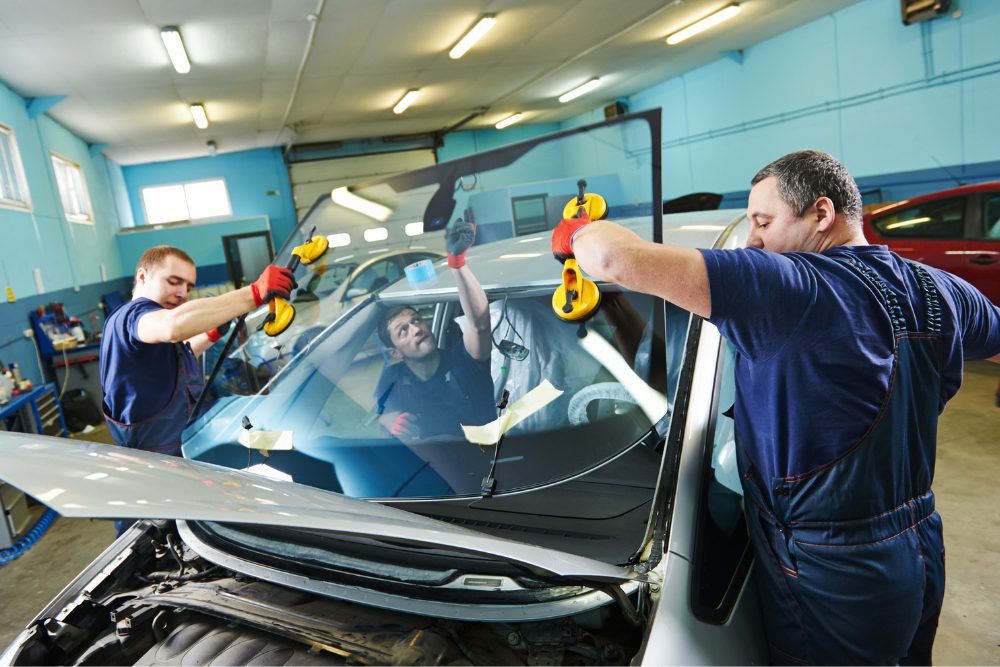
Professional installers understand windshields not as mere glass, but as engineering components. They measure, align, and seal with the precision of technicians assembling protective armor. Each installation considers adhesive chemistry, climate conditions, and even vehicle design curvature. A professional replacement isn’t just a task—it’s a craft that balances science and safety.
Technicians trained in modern standards follow manufacturer-approved curing times, ensuring the glass achieves full strength before the car hits the road. They also verify calibration, water resistance, and visual accuracy, guaranteeing the replacement functions as a seamless extension of your vehicle’s body. This attention to detail transforms an ordinary job into a safeguard for lives. The professional difference lies not in price, but in the unseen perfection of execution—a balance of skill and responsibility that every safe journey depends on.
Conclusion
Every inch of a windshield carries a purpose—structural, visual, and protective. Its role in passenger safety extends far beyond the surface, integrating into every safety mechanism your car possesses. From impact absorption to airbag deployment, from roof reinforcement to sensor clarity, quality defines security. A windshield crafted and installed with care doesn’t just shield—it saves.
For those seeking expert replacement or repair, trust Vista Glass Marana. Located in Marana, their experienced team delivers precision craftsmanship that restores factory-level integrity. Reach them at 520-999-2659 or email CSR@vistaglass.com to ensure your vehicle’s most transparent feature remains its strongest line of defense.