
Replacing a glass shower door is more than just a cosmetic upgrade—it’s a transformation that reshapes the character of your bathroom. The cost of this change depends on a delicate balance of materials, craftsmanship, and design ambition. Whether you’re replacing a dated enclosure or repairing accidental damage, the price reflects far more than glass and hardware. It mirrors the care, precision, and artistry invested in bringing clarity back to your space. Each element, from the thickness of the glass to the finish of the frame, influences not just the cost but the feel of your daily routine. Understanding these factors helps you navigate options with confidence and a sense of creative control. The right replacement doesn’t simply restore function—it redefines light, proportion, and atmosphere, transforming a practical fixture into a statement of refined living.
Material Choices and Their Price Impact
Glass isn’t all created equal. Tempered, laminated, and frosted varieties each offer unique qualities that shape both aesthetics and expense. Tempered glass is the most common, known for its balance between durability and affordability, while laminated versions provide an added layer of safety and sound insulation at a higher cost. Decorative or textured finishes elevate design appeal but also increase the overall price tag due to specialized production techniques. Even small variations in clarity or tint can shift the budget considerably.
What drives cost beyond the material itself is how it interacts with light and design. The more customized the texture or transparency, the more intricate the manufacturing process becomes. Choosing between clear panels and those with subtle opacities sets the mood of your bathroom—airy minimalism versus intimate warmth. When evaluating materials, think beyond cost. You’re selecting the visual rhythm of your space, the way light dances each morning as the day begins.
Frame or Frameless Design Differences
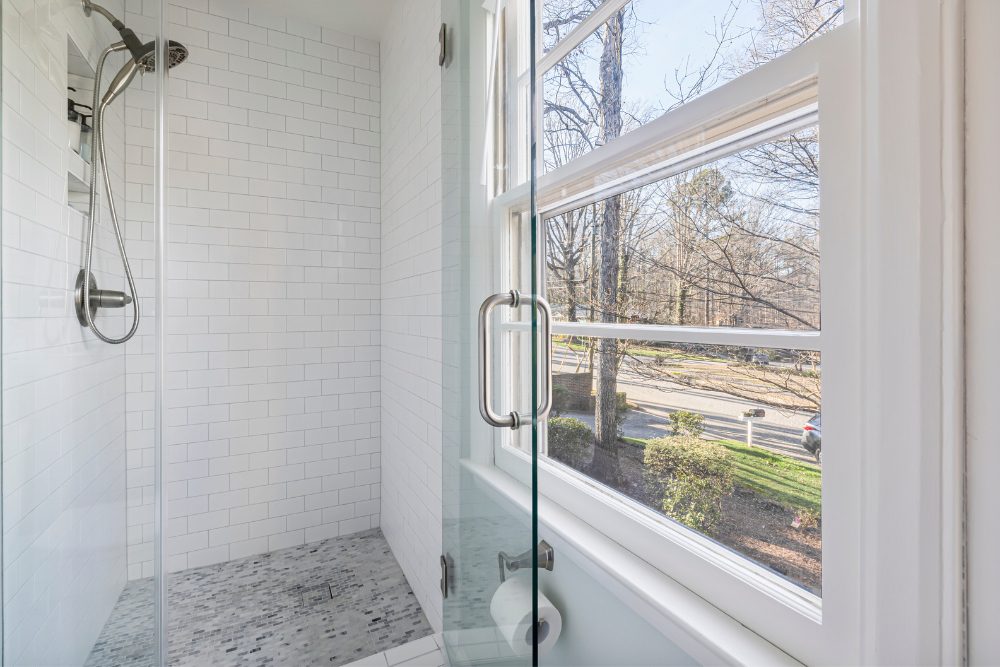
Framed doors carry a sense of structure, often preferred for their traditional stability and lower cost. They rely on aluminum or stainless frames that anchor the glass, keeping the installation straightforward and reliable. Frameless designs, however, speak a different language—one of uninterrupted light and sleek sophistication. They require thicker glass and precision hardware, which naturally raises the cost, but the payoff is striking.
The absence of framing means each hinge, bracket, and seal must be engineered for strength and subtlety. The craftsmanship involved in installing a frameless door is meticulous, almost architectural in detail. Costs rise not just from material thickness but from the expertise demanded to ensure perfect alignment and watertight integrity. Choosing between framed and frameless is less about price and more about what you value—bold modernity or enduring classic form. Each tells a different story about your space, and both have their rightful place in design.
Size and Customization Influence
The scale of your shower enclosure dramatically affects replacement costs. A small, standard-sized door offers predictability, while custom dimensions invite complexity. Larger panels require thicker glass and more robust fittings to maintain safety and balance, which in turn elevates material and labor expenses. Even a few extra inches in width or height can double the effort behind cutting, tempering, and fitting.
Customization also extends to creative shapes—angled cuts for sloped ceilings, curved edges for spa-style corners, or notched designs that blend with unusual layouts. These details move the project beyond replacement into tailored artistry. The outcome feels seamless, personal, and distinctive, but such precision commands investment. Each adjustment—every curve, joint, and hardware finish—adds individuality and cost. It’s not simply a matter of replacing a door; it’s about reshaping your bathroom’s entire spatial narrative with glass as the medium.
Labor and Installation Expertise
Behind every smooth-gliding shower door is a craftsman’s careful calculation. Installation costs vary depending on the complexity of the enclosure and the expertise required. Simple framed replacements may take only a few hours, while custom frameless doors demand careful leveling, sealing, and precision drilling—tasks that leave no room for error.
Experienced installers often charge more, but their precision ensures long-term reliability. A misaligned hinge or poorly sealed joint can cause leaks, cracks, or instability over time. Paying for skill prevents future costs from repairs or adjustments. It’s also worth noting that local labor rates and the condition of your existing structure influence overall pricing. Sometimes, walls need reinforcement, or tiles must be refinished before the door can be properly set. When considering installation, remember: a glass door is only as good as the hands that align it.
Hardware Quality and Design Details
Every handle, hinge, and seal contributes to the total cost—and the sensory experience—of your shower. High-quality hardware crafted from stainless steel or brass lasts longer, resists corrosion, and enhances the overall design. Cheaper options might save money upfront but often dull, tarnish, or loosen with time, compromising both appearance and safety.
Hardware choices extend beyond function. Minimalist handles, magnetic seals, and pivoting hinges all play roles in both performance and visual harmony. Even subtle finishes—brushed nickel, matte black, or polished chrome—carry price differences depending on material treatment and durability. Investing in premium hardware ensures smooth operation and enduring elegance. In a way, hardware acts as the jewelry of your shower enclosure: small, polished details that define how the space feels and functions every single day.
The Role of Glass Thickness
Thickness is more than a technical specification—it’s a declaration of strength and stability. Standard shower doors often measure around 3/8-inch thick, while frameless models typically require 1/2-inch glass for structural integrity. The thicker the panel, the heavier it becomes, increasing both material and installation costs. But with that weight comes silence, sturdiness, and a luxurious feel when you open or close the door.
Thicker glass absorbs sound and minimizes vibration, enhancing the sense of calm inside your bathroom. It also offers visual depth, giving reflections a subtle softness that thinner glass lacks. While budget-friendly options serve everyday use, those who favor long-term durability often find value in the extra millimeters. The decision ultimately balances aesthetic refinement with practicality—how much heft you want your door to carry, both visually and physically.
Regional and Market Price Variations
Location quietly dictates cost, often more than people realize. Urban areas with higher living expenses naturally raise labor and material prices, while smaller towns may offer more moderate rates. Shipping costs, availability of materials, and regional demand also influence the total bill. For instance, specialty glass that must be custom-ordered from outside suppliers will increase both wait time and expense.
Market fluctuations in raw materials—like aluminum, brass, or tempered glass—can further affect pricing over time. Contractors often adjust quotes to reflect these changing conditions, ensuring they maintain quality standards despite cost swings. For homeowners, staying informed about market trends helps in planning a realistic budget and avoiding surprise expenses. Glass may appear timeless and simple, but behind its clear surface lies a network of logistics and economics that shape its final cost.
Maintenance and Longevity Considerations
Investing in a new glass shower door isn’t only about today’s appearance—it’s about tomorrow’s maintenance. Some finishes and coatings are designed to resist water spots, soap scum, and mineral buildup, reducing cleaning time and preserving clarity. These treatments slightly raise the initial price but often prove cost-effective over years of effortless upkeep.
Durability also plays into the total expense. Higher-end glass and hardware last longer, maintain alignment, and resist corrosion even in humid conditions. Lower-cost alternatives may look similar at first but degrade faster, demanding premature replacements. Thinking long-term saves both money and frustration. Maintenance-friendly designs, combined with professional installation, ensure your investment remains pristine. In the end, longevity isn’t an add-on—it’s an essential element of true value.
Aesthetic and Design Integration
Your new shower door isn’t an isolated upgrade—it’s part of your bathroom’s entire narrative. Replacing glass presents an opportunity to harmonize textures, finishes, and spatial flow. The design can echo tile geometry, match lighting tones, or contrast against darker fixtures for bold visual balance. These artistic decisions can add modestly to the cost, but they also elevate the final impression from practical to purposeful.
For designers and homeowners alike, this integration turns function into a visual statement. The transparency of glass invites creativity—it amplifies depth, lets color breathe, and allows other materials to shine. The expense tied to aesthetic cohesion often pays off in emotional value and long-term satisfaction. You’re not just buying a door; you’re redefining how light, reflection, and structure converse inside your private retreat.
Energy Efficiency and Sustainability
While rarely discussed, sustainability can influence the price of glass shower door replacement. Manufacturers who prioritize eco-friendly production methods or use recycled glass often charge slightly more due to responsible sourcing and processing costs. Energy-efficient coatings can also minimize heat transfer and condensation, improving comfort and reducing long-term energy use in humid spaces.
Sustainability extends to durability—choosing materials that last longer means fewer replacements and reduced waste. Some modern glass treatments are engineered for easy maintenance with minimal chemical cleaners, lessening environmental impact. While these upgrades may not drastically alter the upfront quote, they reflect a forward-thinking investment in both your home and the planet. In design as in nature, clarity thrives on balance—between beauty, functionality, and mindful consumption.
Conclusion
Understanding the cost of glass shower door replacement means recognizing that every choice—material, size, frame, hardware, and installation—forms part of a larger creative equation. Price is only one side of the story; value lies in craftsmanship, longevity, and the way the finished product transforms light and space. What begins as a practical necessity often ends as a statement of taste and refinement.For expert installation and high-quality glass solutions in Marana, reach out to Vista Glass Marana. Their team combines technical precision with design sensitivity, ensuring every replacement complements both your lifestyle and your architecture. To learn more or request a quote, call 520-999-2659 or email CSR@vistaglass.com—and let clarity redefine your space.