
Replacing a glass door isn’t just about swapping old panels for new—it’s about shaping the light, safety, and comfort of your home. The right glass can transform a dim corner into a radiant space, or protect your interiors from punishing heat and UV rays without sacrificing clarity. Every choice—tint, texture, thickness—changes how your living environment feels and functions. While aesthetics catch the eye, performance sustains the value. Whether you’re aiming for sleek minimalism or resilient energy efficiency, the right glass aligns with both design and lifestyle. Understanding the nuances before making that decision ensures a result that’s not only visually striking but built to last.
Understanding the Importance of Choosing the Right Glass
Selecting the right glass for your door is more than a visual decision—it’s a commitment to function, efficiency, and safety. The wrong glass might let in too much heat, crack under pressure, or fail to insulate properly, which can lead to higher energy bills and discomfort. On the other hand, well-chosen glass elevates your home’s energy performance and adds a subtle touch of modern sophistication.
There’s also the matter of longevity. Quality glass resists fading, handles Arizona’s fluctuating climate, and keeps its clarity for years. The right type can even enhance sound insulation and privacy without blocking natural light. It’s this delicate balance between transparency and protection that defines a well-designed door replacement project. Taking time to evaluate your needs upfront saves not only money but the frustration of quick fixes later on.
Exploring Glass Types That Define Style and Safety
From laminated to tempered, low-E to frosted, every glass type carries its own signature blend of strength and visual appeal. Tempered glass, for instance, is crafted through controlled thermal treatment, making it four to five times stronger than regular panes. It’s ideal for patio or entry doors where safety and durability matter most. Laminated glass, on the other hand, binds two layers with a resilient interlayer, holding shards together even when shattered—perfect for families who prioritize safety without compromising clarity.
Then comes the stylistic realm. Frosted glass lends privacy while maintaining a soft glow, while tinted or reflective varieties manage glare and solar heat gain. Each type speaks a different language—some whisper elegance, others declare bold modernity. Choosing becomes an art form: balancing texture, transparency, and tone in ways that harmonize with your home’s character while fortifying its functionality.
The Role of Energy Efficiency in Modern Glass Selection
Energy-efficient glass has become a quiet revolution in home design. Beyond aesthetics, it acts as a barrier against energy waste, keeping indoor temperatures stable. Low-E (low-emissivity) glass, in particular, is coated with microscopic metallic layers that reflect infrared light, helping interiors stay cool in summer and warm during winter. This invisible technology can drastically reduce energy consumption, letting your HVAC system rest while comfort remains uncompromised.
But efficiency isn’t just about saving money—it’s about sustainability. Glass doors that maintain temperature equilibrium reduce carbon footprints and create a home environment that feels naturally balanced. When paired with insulated or double-glazed construction, these glass types minimize condensation and prevent unwanted drafts. The result is a home that breathes efficiency without forfeiting elegance, all through a decision that’s as intelligent as it is beautiful.
Balancing Privacy and Light with Smart Glass Choices
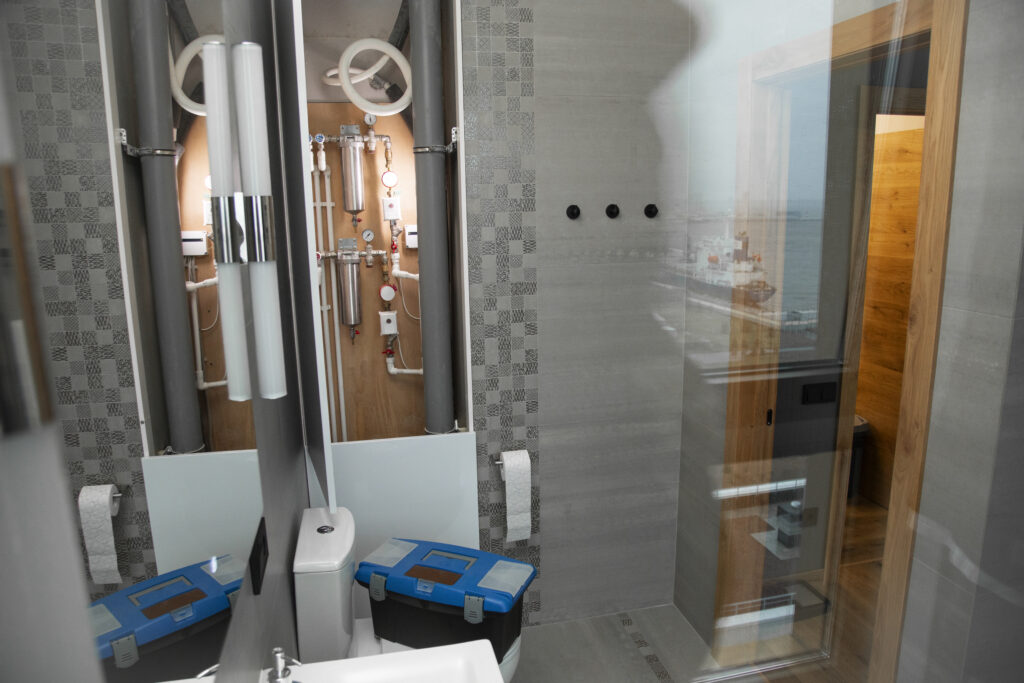
Privacy used to mean barriers—now it means balance. Today’s glass technology allows homeowners to control visibility without losing the benefits of daylight. Frosted, tinted, or smart-switchable glass options offer gradients of opacity, granting seclusion at a touch. It’s a subtle art: enough diffusion to conceal interiors, yet still allowing soft illumination to flow in, creating spaces that feel both secure and alive.
For homes near busy streets or with expansive glass doors opening to patios, this balance is vital. It curates atmosphere as much as protection. Instead of blocking the world out, modern privacy glass filters it—turning exposure into expression. By blending design with discretion, you create zones that adapt to your rhythm, a rare luxury in contemporary living.
Climate Considerations When Selecting Glass Doors
Marana’s sun-soaked climate can be both a blessing and a test for your glass doors. Choosing materials that withstand intense UV exposure, temperature swings, and occasional storms ensures long-term performance. Double-glazed panels offer insulation from heat, while solar-control coatings reflect excessive sunlight before it penetrates your interior. The result? Cool rooms, reduced glare, and lower air-conditioning costs.
In humid or desert environments, moisture resistance also becomes key. Laminated and tempered glass resist warping and clouding that standard panes can’t handle. And for those seeking year-round comfort, low-E glass remains a consistent performer. It’s not just about surviving the climate—it’s about thriving in it, crafting spaces that remain luminous yet comfortably tempered regardless of season.
The Aesthetic Power of Glass Design and Finish
Glass is more than a transparent surface—it’s an emotional medium that shapes perception. The right design can turn a plain entry into a statement of personality. Textured glass introduces subtle artistry, distorting light into patterns that dance across walls and floors. Tinted options bring moody depth to modern facades, while etched designs or geometric panels evoke timeless elegance.
Finishes also define tone. A satin sheen whispers sophistication, while a high-gloss surface reflects vibrancy. Combined with tailored framing—black aluminum, brushed steel, or warm wood—the overall aesthetic becomes a deliberate reflection of identity. The right design doesn’t just match architecture; it enhances the story of your home, inviting every guest through an entrance that feels distinctly yours.
Safety and Security Upgrades for Modern Homes
In today’s world, glass doors are no longer fragile boundaries—they’re fortified elements of architectural strength. Safety glass has evolved into a subtle yet powerful safeguard for modern homes, merging resilience with beauty. Laminated glass, constructed with a durable interlayer, holds firm even when shattered, preventing shards from scattering and reducing the risk of injury or intrusion. Tempered glass undergoes a specialized heat treatment, making it up to five times stronger than standard panes and ensuring that if breakage occurs, it crumbles into harmless, rounded fragments rather than dangerous splinters. This evolution in glass technology allows homeowners to enjoy expansive, light-filled spaces without compromising on safety.
Beyond physical protection, contemporary designs integrate advanced glazing techniques to achieve layered defense. Multi-layered security glass and reinforced frames deter forced entry while maintaining an elegant, minimalist aesthetic. Some variants even combine acoustic insulation with impact resistance, quieting the outside world while strengthening your home’s first line of defense. True safety in modern design is discreet—it doesn’t announce itself but instead lives quietly in the structure, giving peace of mind through invisible assurance. Every door becomes not just an entryway but a guardian, seamlessly balancing openness with unspoken strength.
The Connection Between Glass Thickness and Performance
Glass thickness might seem like a mere technical detail, but it plays a decisive role in how a glass door performs day after day. Thicker panels provide enhanced durability, reducing the likelihood of cracks or warping from environmental stress. They also offer superior soundproofing—an important feature for homes located near busy streets or lively neighborhoods. A door crafted from well-measured, substantial glass acts as a shield, filtering out noise and maintaining interior tranquility. Yet, thicker isn’t always better. Without the right frame or hardware, excessive weight can strain the structure and affect alignment, which makes expert assessment essential.
Professionals consider factors like climate, door size, and placement before recommending the perfect balance. For example, an entry door facing strong winds or direct sunlight may require a laminated, thicker pane for stability and insulation, while interior glass doors can use lighter glass to preserve openness and fluidity. The ideal thickness is not a fixed standard but a dialogue between purpose and design. It’s about achieving equilibrium—strength without heaviness, clarity without fragility. This thoughtful calibration transforms glass from a passive component into an active participant in your home’s comfort and character.
The Long-Term Value of Quality Glass Investment
Opting for premium glass is an investment that transcends immediate aesthetics—it’s a decision rooted in foresight and endurance. High-grade glass resists discoloration, weathering, and distortion, maintaining its pristine transparency for years. Unlike lower-quality options, it remains clear under sun exposure and resists the gradual dullness caused by UV degradation. This longevity translates into tangible benefits: fewer replacements, lower maintenance costs, and improved energy efficiency. When you invest once in durable, UV-shielded, and well-sealed glass, you invest in comfort that outlasts trends and tempests alike.
There’s also a deeper dimension to value—peace of mind. The quiet confidence that your glass doors can withstand impact, temperature shifts, and time itself creates a home environment that feels secure and serene. Beyond utility, quality glass enhances daily living by capturing light beautifully and retaining its brilliance through the years. It’s not merely about buying glass; it’s about investing in a long-term relationship between structure and stability. The reward reveals itself slowly, as your home retains its clarity, efficiency, and elegance long after ordinary materials have surrendered to wear.
Partnering with Experts for Seamless Glass Replacement
When it comes to glass replacement, expertise isn’t a luxury—it’s a necessity. Every home has unique dimensions, temperature variations, and structural nuances that demand precision. Professional installers analyze factors such as frame material, expansion gaps, and weight distribution before selecting the perfect glass type. Their trained hands ensure alignment so fine that it becomes invisible, creating a seal that’s both airtight and aesthetically flawless. Skilled craftsmanship doesn’t just fill a frame—it breathes life into it, merging technical mastery with design sensitivity.
Working with seasoned glass specialists means every stage, from consultation to completion, is intentional. They recommend the right coatings, edge finishes, and framing materials to harmonize your vision with environmental demands. Proper installation also guarantees energy efficiency and prevents issues like condensation or stress fractures. The difference between a rushed job and professional replacement lies in the details—how light refracts through the pane, how the door glides with effortless precision. A perfectly fitted glass door isn’t just an architectural upgrade; it’s an enduring statement of balance between art and engineering.
Conclusion
Choosing the right glass for your replacement project is a blend of science, art, and foresight. It shapes how your home interacts with light, temperature, and security for years to come. Each decision—from glass type to finish—adds a layer of intention that defines both atmosphere and efficiency.
When you’re ready to bring that vision to life, contact Vista Glass Marana in Marana at 520-999-2659 or email CSR@vistaglass.com. Their expertise ensures your glass door replacement isn’t just done—it’s perfected, reflecting the clarity and craftsmanship every home deserves.