
The hum of passing cars, the chatter of neighbors, or the faint buzz of a lawnmower—each sound, though harmless alone, can create a constant background noise that steals serenity from your home. Replacing old windows with modern glass isn’t just about upgrading aesthetics or efficiency—it’s about rediscovering silence. Acoustic comfort is a hidden luxury, one that modern glazing technology delivers with precision. By investing in window replacements designed for sound control, homeowners can shape spaces that feel peaceful, insulated, and alive with only the sounds they choose to let in.
Today’s glass solutions go far beyond transparency; they blend science and craftsmanship to create an invisible barrier between your world and the outside one. Whether you live near a busy street or simply crave tranquility, understanding how glass replacement enhances acoustics can transform not just how your home looks—but how it feels.
Understanding the Science Behind Soundproof Glass
Sound waves travel through vibrations, and when they strike thin, single-pane glass, much of that energy passes straight through. The result is a room that echoes with outside activity. Soundproof or acoustically treated glass works differently—it disrupts the transmission of these vibrations using laminated layers, special interlayers, and varied thicknesses that absorb and scatter noise energy.
Replacing old windows with modern acoustic glass effectively reshapes how sound behaves in your home. Instead of echoing and amplifying, external noise is muted, softened, or even eliminated. Dual-pane systems create air gaps that trap sound waves, while laminated glass dampens low-frequency noise such as traffic or aircraft. It’s an invisible innovation that changes how a home breathes, letting you savor calm mornings and restful nights free from the soundtrack of the outside world.
Why Older Windows Fail at Blocking Noise
Traditional windows, particularly single-pane designs, were never built for the complex demands of modern life. They may still allow natural light, but their thin glass and loose seals provide little resistance to noise. Over time, frames warp, seals dry out, and gaps widen—creating tiny sound tunnels where noise seeps in freely.
This lack of insulation is more than an annoyance; it affects sleep quality, focus, and overall well-being. The difference becomes stark once newer replacements are installed. Upgraded windows use laminated or double-glazed configurations that actively resist vibration transfer, sealing your living space from acoustic pollution. By restoring the window’s integrity and structure, you not only eliminate sound infiltration but also enhance energy efficiency. It’s a dual victory—quieter interiors and reduced utility bills—all achieved by swapping outdated glass for modern precision engineering.
The Hidden Role of Frame Materials in Sound Control
Many people focus solely on glass type, overlooking the equally crucial role of window frames. Materials like vinyl, fiberglass, and insulated aluminum each have distinct acoustic properties that influence overall sound reduction. Wooden frames, though traditional, often expand and contract with weather, creating micro-gaps that compromise performance.
A well-insulated frame acts as a second line of defense against vibration transfer. When paired with laminated glass, it forms a unified system that dampens resonance and stabilizes temperature. Frame construction also determines how well the glass fits—tight seals prevent air leaks, while multi-chambered frames add mass, further decreasing sound travel. By considering frame quality alongside glass selection, homeowners gain not just improved sound control but also enhanced durability and comfort. In short, true quiet comes from harmony between the frame and the glass—not one or the other.
How Proper Installation Shapes Acoustic Results
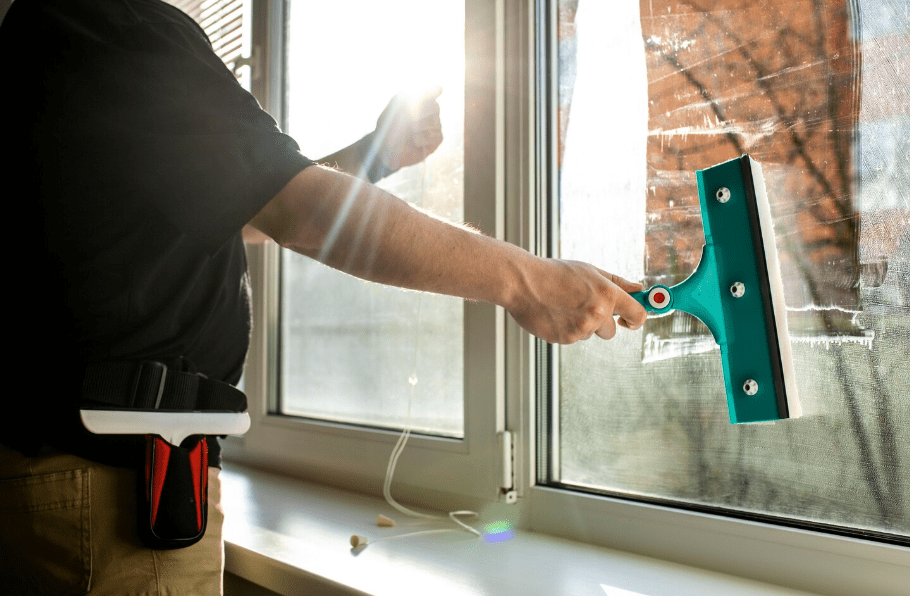
Even the finest acoustic glass can underperform if installed incorrectly. Small misalignments or uneven seals create acoustic leaks—tiny openings where sound slips through with ease. Proper installation demands precision, ensuring the entire perimeter of the window sits flush against the frame with airtight sealing.
Professional installers understand that silence is engineered, not accidental. They use specialized caulking compounds and foam insulation to fill microscopic gaps, preventing vibration bridges that carry noise. Correct installation also ensures that double- or triple-pane units maintain optimal spacing, crucial for noise diffusion. In short, replacing your glass isn’t just a material upgrade—it’s an installation art form. When executed properly, the reward is a tangible hush that settles across the home, turning once-busy rooms into private sanctuaries of peace and stillness.
Energy Efficiency and Acoustic Benefits in One Upgrade
An unexpected advantage of sound-reducing windows lies in their energy-saving performance. The same layered construction that blocks sound waves also restricts heat transfer, helping regulate indoor temperature. This creates a home that’s quieter and more comfortable all year long.
Multi-pane glass, argon gas fillings, and low-emissivity coatings work together to insulate against both thermal and acoustic fluctuations. During hot summers or cold winters, these windows act as a barrier that maintains a stable environment inside. You’ll find yourself using less heating or air conditioning, reducing utility costs while living more sustainably. This dual functionality—silence and efficiency—transforms window replacement into a long-term investment, not just an upgrade. With modern glass systems, comfort becomes comprehensive, covering the senses and the energy footprint at once.
The Difference Between Laminated and Double-Pane Glass
While both laminated and double-pane glass help reduce noise, they achieve it in different ways. Laminated glass bonds two sheets of glass with a plastic interlayer, which absorbs and dissipates sound vibrations. This approach is particularly effective for blocking low-frequency noise like rumbling engines or bass-heavy music.
Double-pane glass, by contrast, creates an insulating air gap between two panes, disrupting the path of sound waves. It’s highly effective for mid- to high-frequency noise, such as conversation or traffic hum. Many homeowners choose hybrid systems that combine both principles, achieving powerful sound dampening across frequencies. The key lies in understanding your environment—urban streets may demand laminated solutions, while suburban homes benefit from double-pane designs. Either way, modern glass replacement brings precision-tuned acoustics that feel custom-made for your lifestyle, redefining what quiet really means.
Creating a Healthier Living Environment Through Silence
Noise isn’t just a nuisance; it’s a subtle stressor. Constant exposure to urban or environmental noise can elevate heart rates, disrupt sleep cycles, and heighten anxiety. Replacing windows with advanced acoustic glass restores calm in ways that go beyond convenience—it nurtures mental and physical well-being.
A home enveloped in stillness promotes focus, rest, and relaxation. You’ll notice the change immediately: clearer conversations, softer ambient tones, and a deeper sense of privacy. Families sleep better, workspaces become more productive, and daily routines unfold with less tension. Quiet is a form of wellness, and acoustic glass is its enabler. By filtering out the excess, you regain control over your atmosphere. This subtle transformation underscores why window replacement isn’t just a technical upgrade but an investment in the quality of life itself.
The Aesthetic Dimension of Acoustic Glass
Silence can be stylish. Modern soundproof windows no longer require bulky frames or tinted panels to achieve performance. Instead, they combine minimalistic design with advanced technology, allowing homeowners to maintain open, light-filled spaces without sacrificing tranquility.
From sleek aluminum frames to frameless edge designs, acoustic windows enhance the home’s appearance while performing a silent job behind the scenes. Natural light remains abundant, reflections stay crisp, and interior aesthetics feel balanced. Architects often use acoustic glass to preserve design continuity in busy neighborhoods, blending urban energy with interior calm. With the right installation, homeowners enjoy both acoustic and visual clarity—proof that serenity and sophistication can coexist within the same transparent surface. Replacing your windows can, quite literally, redefine how you see and hear your space.
How Soundproof Windows Add Property Value
Real estate experts often cite upgraded windows as one of the most valuable home improvements. Beyond visual appeal and energy savings, the addition of acoustic glass creates a tangible sense of comfort that buyers instantly recognize. Homes that feel quieter are perceived as more luxurious and private, setting them apart in competitive markets.
Soundproof windows also signal to potential buyers that the property is built with attention to detail. Reduced external noise enhances the perceived quality of construction and boosts satisfaction during showings. Moreover, homes near highways, schools, or commercial areas benefit the most, turning a once-noisy location into a peaceful retreat. By investing in glass replacement focused on acoustics, you’re not only enriching daily living—you’re amplifying resale potential, a sound decision in every sense of the word.
Choosing the Right Partner for Glass Replacement
Selecting a professional who understands both acoustic science and craftsmanship is key to achieving the best outcome. Experienced providers assess your environment, measuring noise levels and recommending glass systems that suit your space and lifestyle. This tailored approach ensures your investment delivers lasting, measurable results.
Installation quality, material selection, and post-installation care all influence how well the windows perform over time. A reliable partner offers transparency in pricing, uses certified materials, and follows precise installation protocols. They don’t just install glass—they install peace of mind. By choosing a provider who treats each window as part of a larger acoustic system, you can be confident that the transformation of your space will be both beautiful and effective, creating harmony where noise once ruled.
Bringing Acoustic Comfort Home
Silence doesn’t arrive by chance—it’s designed, engineered, and installed with expertise. When modern acoustic glass replaces outdated windows, the change is immediate and lasting. Each layer of laminated or insulated glass, each perfectly sealed frame, contributes to a quieter, more comfortable home that feels like a personal retreat from the world outside.
To experience how professional glass replacement can enhance your home’s sound environment, contact Vista Glass Marana. Located in Marana, they specialize in transforming spaces with precision-crafted glass solutions that balance acoustics, energy efficiency, and design. Reach them at 520-999-2659 or email CSR@vistaglass.com to begin crafting your home’s new soundtrack—one defined by clarity, calm, and comfort.