
A shattered window or cracked door can turn a calm afternoon into a small domestic crisis. Beyond the immediate worry of safety, there’s the pressing need to protect your home from wind, dust, insects, and prying eyes until a professional can take over. In such moments, what matters most is how swiftly and wisely you act. Temporary measures don’t just minimize risk—they preserve comfort and prevent costly secondary damage. Understanding what to do in the hours before replacement service arrives is essential. This guide walks through practical, creative, and safety-conscious ways to secure your space, blending both quick fixes and preventive insights. Whether the break came from an accident, weather, or unexpected impact, the key lies in calm control and careful handling. Here’s how to navigate those fragile hours until help arrives and your glass is made whole again.
Secure the Area Immediately
When glass shatters, your first task isn’t to clean—it’s to control. Broken panes scatter razor-sharp fragments across surfaces, embedding themselves in corners and carpet fibers. Step back, assess the situation, and clear everyone away from the area, including pets. Slip on thick gloves, shoes with firm soles, and if possible, safety glasses. Start by gently removing larger shards with a broom or dustpan—avoid vacuuming until all visible pieces are gone, as small slivers can damage the machine or blow back into the air. Once the ground is clear, cover the window or door opening with thick cardboard or heavy plastic to prevent injury from hidden edges.
Think of this as your first shield—a barrier between chaos and control. A secured perimeter ensures no further harm while giving you a clear mind to plan the next steps. The faster you establish safety, the smoother everything else becomes.
Assess the Damage Before Acting
Not all breaks are created equal. A simple crack running through a pane doesn’t call for the same response as a shattered or dangling door panel. Examine the damage carefully without applying pressure. For windows, look for whether the glass is single, double, or tempered—each reacts differently to stress. Doors may have compromised hinges or warped frames that could worsen if handled roughly. Resist the urge to tape immediately; sealing unstable glass may trap tension, causing further cracking. Instead, take clear photos for documentation and insurance purposes before touching anything.
Understanding the type and extent of damage guides your next moves—temporary sealing, reinforcement, or complete isolation. Treat every fracture as dynamic, capable of spreading with temperature shifts or vibrations. By diagnosing before acting, you’re not just fixing—you’re preventing escalation. The goal is to buy time safely and intelligently until the professionals arrive to restore structure and security.
Use Makeshift Barriers to Keep Elements Out
Once safety is established, your next mission is keeping nature at bay. Arizona’s climate—dry, windy, and occasionally unpredictable—makes quick weatherproofing essential. For windows, stretch a sheet of heavy-duty plastic, painter’s drop cloth, or even a shower curtain over the frame. Use duct tape or masking tape to seal edges tightly, allowing light while blocking debris and drafts. For doors, lean a piece of plywood, or if unavailable, a large cardboard panel reinforced with tape. These aren’t aesthetic fixes; they’re tactical shields against dust and temperature shifts.
If it’s nighttime or particularly windy, double-layering plastic creates a temporary air barrier that helps maintain interior comfort. The goal isn’t perfection but protection—every moment the interior stays clean and insulated, you preserve not just your comfort but the long-term integrity of your home. Improvised materials become your allies in maintaining order amid breakage.
Prioritize Safety Over Speed
In emergencies, speed can tempt recklessness. But with glass, one careless move can worsen injuries or damage. Always remember: stability first. Avoid pressing on cracked surfaces, even slightly; what appears sturdy may be seconds from collapsing. If you need to move an unstable door or frame, prop it open rather than closing it, which could shift stress points. Keep children and pets away, and don’t attempt to remove embedded shards from frames without proper tools.
If the break occurred near electrical wiring or water sources, cut power to the area immediately. Sparks, moisture, and broken glass make a dangerous trio. Slow decisions often prove smarter. In the meantime, turn the inconvenience into an opportunity—observe how light and airflow move differently through the break. It’s a brief disruption that, handled calmly, can remind you of how fragile yet vital everyday structures truly are.
Temporary Sealing Techniques for Windows
There’s an art to temporary window repair. For small cracks, apply clear packing tape on both sides of the glass to prevent spreading. The tape acts as a stabilizer, holding pressure evenly. Larger holes can be patched using a thick plastic sheet or trash bag, taped from edge to edge. Overlapping strips of tape horizontally and vertically adds extra tension control.
If the frame is intact, fit a cardboard insert behind the plastic for added rigidity. For cold or windy days, layering bubble wrap between tape and plastic creates insulation. Avoid applying excessive adhesive directly onto paint or metal frames; removal later can cause damage. Think of these patches as emergency armor—temporary yet protective. Every well-sealed edge reduces dust infiltration and maintains indoor temperature, proving that quick craftsmanship can make a surprising difference before professionals restore permanence.
Handling Damaged Glass Doors Safely
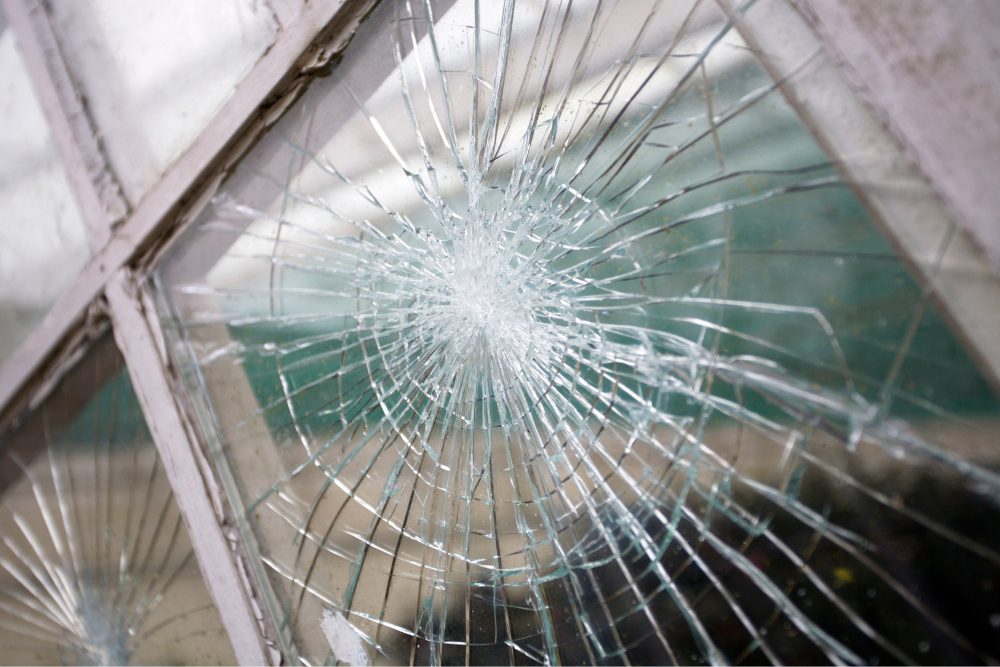
Broken glass doors carry unique challenges—they’re heavy, often frameless, and positioned at high-contact points in your home. Begin by ensuring the area beneath and around the door is completely free of glass. If the damage is partial—like a spiderweb crack—gently tape an “X” pattern across the fracture with masking tape to reduce tension. For shattered panels, drape a thick blanket over the opening to prevent injuries from unnoticed shards.
Avoid slamming or closing adjacent doors, as vibrations can worsen cracks. If it’s a sliding glass door, leave it closed and undisturbed until experts arrive; forcing movement could cause collapse. The temporary goal isn’t restoration but risk containment. The balance between restraint and response here matters more than haste. With proper caution, even a compromised door can remain secure enough to await professional replacement without endangering those around it.
Protecting Your Home From Intrusion
A broken entry point doesn’t just invite wind—it can attract attention. Until replacement service arrives, it’s vital to maintain a sense of normalcy and security. Keep curtains drawn or blinds closed around damaged areas to obscure the break from outside view. If possible, reposition furniture to block direct sightlines. Installing temporary motion-sensor lighting outside can further deter unwanted visitors.
For added reassurance, place a visible “under repair” note inside the glass if facing a backyard or enclosed area—subtle, but effective at signaling awareness. Avoid announcing the damage publicly or posting it online. When handled discreetly, even a broken window won’t compromise your home’s privacy. These small defensive steps help preserve the comfort of knowing your space remains protected while you await professional repair, transforming vulnerability into quiet vigilance.
Maintaining Temperature and Comfort Indoors
A shattered window or door can quickly alter your home’s climate. Warm air seeps out, cold drafts slide in, and humidity fluctuates wildly. Restoring balance doesn’t require high-tech solutions—just a bit of improvisation. Once the break is covered with plastic or cardboard, seal surrounding gaps with rolled towels or weather stripping if available. Heavy curtains pulled tight act as thermal barriers, reducing heat exchange.
If you’re dealing with air conditioning or heating loss, close off the damaged room temporarily to preserve energy. Run a portable fan or air purifier to prevent stale air from accumulating. The goal is not luxury but livable balance. Temporary insulation may seem trivial, yet it keeps energy costs in check and comfort levels stable until professionals replace the glass. Your quick response here quietly maintains both your home’s integrity and your daily routine.
Avoid Common Mistakes That Worsen Damage
It’s surprisingly easy to make things worse after the initial break. Using excessive tape pressure, for instance, can expand cracks. Leaning objects against damaged glass may trigger further collapse. Avoid using newspaper or cloth directly against shards—moisture or fibers can stick and make cleanup hazardous. Never apply glue or sealants meant for other surfaces; they can stain glass and frames permanently.
Perhaps the most overlooked error is delay. Waiting too long for replacement increases exposure to dust, insects, and temperature damage. Even temporary barriers weaken over time, especially in fluctuating Arizona weather. Addressing the issue promptly preserves both safety and structure. Each decision—what to touch, what to avoid—affects how easily the professionals can complete their work later. The smartest handling often comes not from doing more, but from knowing when to stop.
Preparing for Professional Replacement
Once your home is stable, shift focus toward the next phase—replacement. Clear the area of debris and remove curtains or blinds to provide technicians space to work. Keep documentation of any temporary fixes or materials used; it helps professionals assess the frame’s condition and ensures a smoother installation. If your insurance covers glass repair, notify your provider early, sharing the photos you took initially.
When the team arrives, they’ll inspect the integrity of frames, seals, and adjacent structures before fitting new panels. A well-prepared environment shortens service time and minimizes disruptions. The temporary calm you’ve built now transitions into professional restoration. By handling the first few hours with diligence, you create a seamless bridge between crisis and recovery—proof that even breakage can be managed gracefully with preparation and presence of mind.
Conclusion
Every crack, every splintered pane, carries its own brief story of impact. But the hours between damage and repair define how that story ends—either in further stress or quiet resolution. Acting swiftly, sealing smartly, and waiting safely all ensure that the eventual restoration happens without complication. For reliable, professional replacement and repair services in Marana, reach out to Vista Glass Marana. Their expert team restores clarity, structure, and peace of mind to homes and businesses alike. Contact them at 520-999-2659 or email CSR@vistaglass.com for prompt assistance. When accidents happen, knowing who to trust makes all the difference—and Vista Glass Marana is that dependable name ready to bring your glass back to brilliance.