
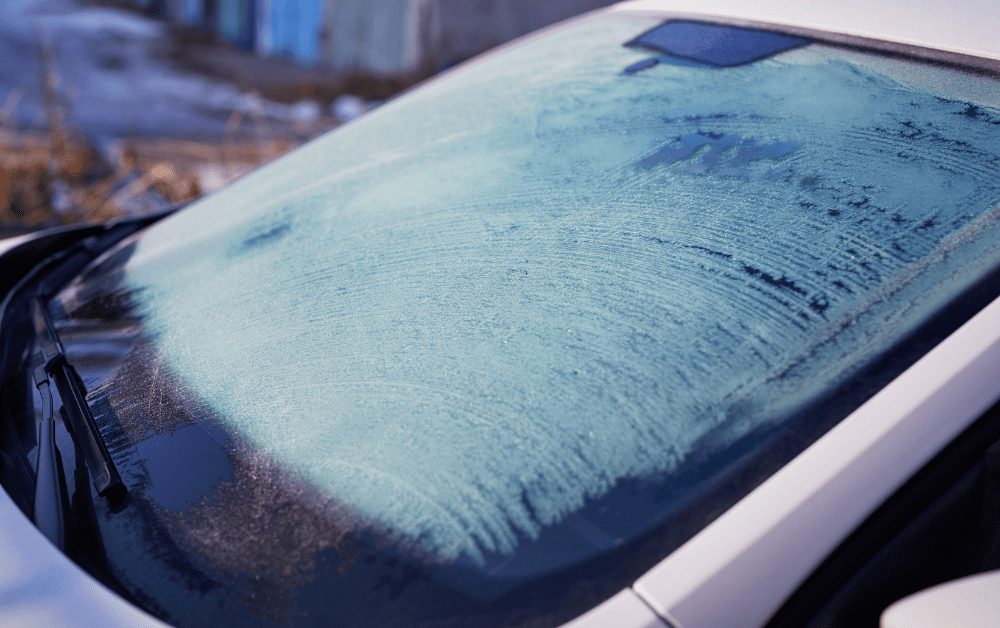
Replacing a windshield isn’t simply about swapping out a piece of glass; it’s a precise process that blends craftsmanship, safety, and modern technology. Each step, from inspection to installation, ensures your vehicle regains its original structural integrity and clear visibility. A well-done replacement not only restores your car’s appearance but also reinforces its safety features, preventing potential hazards on the road. While many drivers underestimate the importance of professional windshield replacement, it is one of the most crucial aspects of auto maintenance. Understanding the process helps car owners appreciate the skill and care involved in this service. The steps below detail how experts handle everything—from removing the damaged glass to sealing the new one securely—ensuring every replacement meets both safety standards and manufacturer specifications. Let’s explore how professionals carefully restore your windshield with precision and reliability.
Assessing the Extent of Windshield Damage
Before any tools are lifted, technicians begin with a careful evaluation of the windshield’s condition. They look for cracks, chips, or spider-web fractures and determine whether a repair or full replacement is necessary. Small chips can often be repaired if caught early, but extensive cracks usually compromise the glass’s integrity. This inspection phase prevents unnecessary replacements and ensures the right decision for safety and cost efficiency. Every inch of the windshield is examined under different light angles to detect hidden damage.
Once the assessment is complete, the technician documents the findings and discusses options with the vehicle owner. This transparency allows customers to understand what’s being done and why it’s needed. The decision to replace a windshield is never rushed; it’s based on structural soundness and safety compliance. The inspection also includes checking the vehicle’s sensors and camera systems that interact with the glass, ensuring compatibility with the new windshield.
Preparing the Vehicle for Replacement
Preparation begins with securing the vehicle in a stable, clean workspace. This might sound routine, but it’s one of the most critical stages to prevent contamination or debris from affecting the seal. Technicians protect the car’s interior and exterior by covering the dashboard and fenders with soft cloths or plastic sheets. This shields delicate surfaces from adhesive drips or scratches during removal.
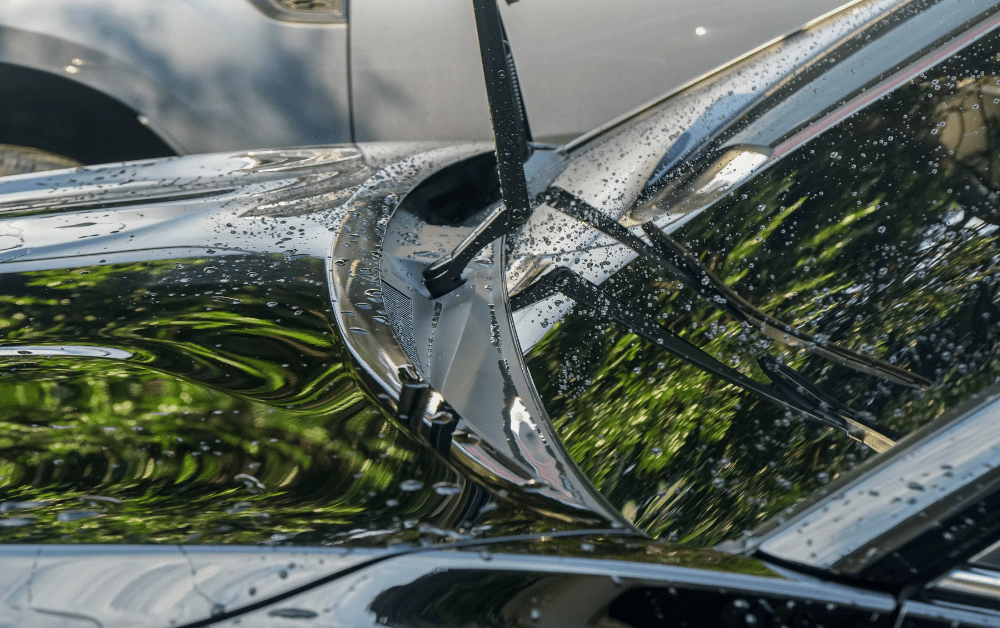
They then remove windshield wipers, moldings, and trim pieces to expose the glass edges. Every vehicle model has slight variations in how the glass is mounted, so technicians adapt their approach accordingly. By clearing the surrounding area, they ensure easy access for precise removal and installation. Attention to cleanliness at this stage helps achieve an airtight and watertight seal later on, preventing leaks or rattling noises once the new windshield is installed.
Removing the Damaged Windshield
The removal process demands a steady hand and specialized tools. A technician uses a cold knife or wire tool to slice through the urethane adhesive holding the windshield in place. This must be done with precision to avoid scratching the paint or damaging the pinch weld, the metal frame around the glass. As the adhesive loosens, the old windshield is gently lifted away using suction cups or mechanical lifters.
Once the glass is removed, the area is inspected for rust, old adhesive, or uneven surfaces. Any leftover residue is carefully scraped off to ensure a smooth bonding surface for the new windshield. If corrosion or imperfections are found, they’re treated immediately to prevent future leaks or weakening of the seal. This step showcases the technician’s skill—removal may look simple, but it requires deep knowledge of vehicle design and patience to avoid costly mistakes.
Cleaning and Preparing the Pinch Weld
After removing the old glass, technicians turn their focus to the pinch weld. This metal frame must be spotless and properly treated to create a solid base for adhesion. Any remaining adhesive, dirt, or debris is removed using specialized scrapers and cleaning agents. Even a small piece of residue can prevent the urethane from bonding correctly, leading to potential leaks or glass shifting later.
Once cleaned, a primer is applied to the pinch weld to prevent corrosion and enhance adhesive strength. The primer needs time to dry completely before the next step begins. This preparation ensures that the new windshield sits perfectly and that the seal will last for years. It’s one of the quieter yet most essential steps in the process—done carefully, it guarantees durability and reinforces the windshield’s role as a structural safety feature.
Applying the Adhesive for a Strong Seal
The adhesive used in windshield replacement isn’t ordinary glue—it’s a specially formulated urethane designed for high impact and weather resistance. Technicians use a caulking gun to apply an even bead of urethane around the pinch weld, maintaining consistent thickness throughout. The placement and shape of this bead determine how well the glass adheres and seals against water and air infiltration.
Timing is crucial. Once applied, the adhesive has a limited working time before it starts curing. Technicians must position the new windshield precisely before this happens. Any errors can cause misalignment or weak bonding, which might compromise safety. This phase combines chemistry and craftsmanship—the correct temperature, humidity, and product choice all influence the adhesive’s effectiveness. When done correctly, the bond becomes so strong that the windshield essentially becomes part of the car’s frame.
Installing the New Windshield with Precision
With the adhesive ready, technicians carefully lift the new windshield using suction cups or a robotic arm. Alignment is key—just a few millimeters off can affect sensor calibration and overall appearance. The glass is gently lowered into place, guided along reference points that ensure perfect positioning. Once seated, light pressure is applied to help the urethane spread evenly and create a secure bond.
Technicians then reinstall any moldings or clips that were removed earlier. The new windshield is examined from multiple angles to verify fit and symmetry. This precision step is where expertise truly shines. Even though technology assists with placement, it’s the technician’s experience that guarantees perfection. After installation, the windshield’s alignment with vehicle sensors and cameras is verified to ensure all driver-assistance systems continue functioning properly.
Allowing Proper Curing Time for Safety
Curing is the process that allows the adhesive to harden and achieve full bonding strength. Rushing this step could be disastrous, as a partially cured windshield may not withstand air pressure or vibration once the car is driven. Typically, technicians recommend waiting at least one to two hours before using the vehicle, though specific times vary depending on the adhesive type and environmental conditions.
During this period, technicians may inspect the edges and clean away any excess urethane. They also double-check that wipers and sensors are functioning correctly. Once the curing time passes, the windshield becomes structurally integrated with the vehicle. This ensures that in the event of an accident, the windshield will support airbag deployment and maintain the car’s roof strength—an often-overlooked safety function of properly installed auto glass.
Quality Inspection and Safety Verification
A meticulous inspection follows installation. The technician examines every detail, ensuring that the glass sits evenly and that no gaps or bubbles exist along the seal. Water tests may be performed by spraying the edges to confirm watertight integrity. If the windshield includes sensors or cameras, they’re recalibrated using manufacturer-specific software to ensure accuracy in features like lane-keeping assistance and collision alerts.
This inspection isn’t merely about appearance—it’s about safety and functionality. The windshield is tested for stability, and any necessary adjustments are made before the vehicle is cleared for pickup. Quality checks also involve verifying compliance with federal safety standards. By the time this phase is complete, the windshield not only looks pristine but performs exactly as intended, giving the driver confidence and peace of mind.
Understanding the Importance of Professional Installation
While DIY kits might seem tempting, windshield replacement is a task that requires professional expertise. The precision needed for alignment, adhesive handling, and sensor calibration is far beyond what most individuals can achieve at home. Professional installers follow safety protocols that ensure long-lasting performance and compliance with vehicle manufacturer standards. Choosing a trusted auto glass service isn’t just about convenience—it’s a safeguard against costly mistakes and potential accidents.
A poorly installed windshield can cause leaks, wind noise, or even structural failure during a collision. Professionals bring not just tools but experience and knowledge of diverse vehicle models. Their work ensures that your windshield functions as part of your car’s overall safety system. Beyond replacement, they can advise on care and maintenance, helping prolong the lifespan of your new glass.
Maintaining Your New Windshield for Longevity
After installation, care plays a major role in keeping your new windshield in top shape. Avoid slamming doors for the first 24 hours to allow the adhesive to fully set without vibration. Clean the glass with ammonia-free solutions and soft cloths to prevent scratches or chemical damage. Checking your wiper blades regularly and replacing them when worn helps maintain visibility and prevents fine scratches that can weaken the surface over time.
Protect your car from extreme temperatures when possible, as rapid changes can stress the glass. Even small chips should be addressed immediately to prevent spreading cracks. Routine inspections by professionals ensure that the seal remains intact and the windshield stays firmly bonded. With proper care, a quality installation can last the lifetime of your vehicle, providing lasting clarity and security on every drive.
Conclusion
The windshield replacement process is far more than a simple glass swap—it’s a technical and safety-critical procedure that requires accuracy, expertise, and care. From assessment to curing, each stage is designed to ensure maximum visibility and structural integrity. Choosing professionals who understand every nuance of this process makes all the difference. For expert windshield replacement and repair services in Marana, contact Vista Glass Marana at 520-999-2659 or email CSR@vistaglass.com.