
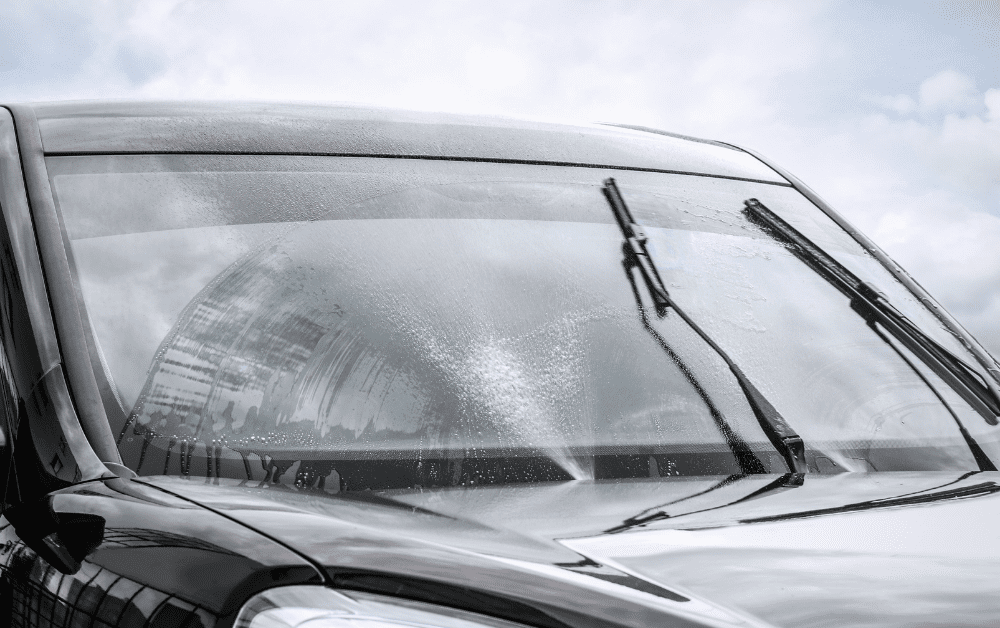
Technology has transformed every corner of the automotive world, and windshield replacement is no exception. What was once a purely manual process—requiring hours of labor and uncertain precision—has evolved into a technologically refined practice that ensures safety, accuracy, and efficiency. Today’s auto glass specialists depend on advanced tools, computer-guided systems, and cutting-edge adhesives to deliver flawless installations that meet or exceed factory standards. With vehicles becoming smarter and more integrated with digital features like rain sensors, lane-departure cameras, and heads-up displays, replacing a windshield now requires technical expertise and digital calibration. Modern innovations have not only elevated the quality of workmanship but have also redefined how customers experience glass repair services—emphasizing speed, safety, and sustainability. This seamless blend of craftsmanship and technology ensures that drivers stay protected while maintaining the performance and integrity of their vehicles.
Advancements in Windshield Manufacturing
The modern windshield is a far cry from the simple sheets of glass used decades ago. Advanced materials, including laminated safety glass and acoustic interlayers, now offer improved clarity, sound insulation, and structural strength. Manufacturers integrate nanotechnology coatings that repel water and resist scratches, ensuring longer durability and enhanced driving visibility. These improvements stem from innovations in glass chemistry and production methods, allowing for thinner yet stronger windshields that contribute to vehicle efficiency and design flexibility.
Equally impressive is the precision in how these windshields are produced. Computer-aided design ensures exact curvature and fit for every make and model, reducing the likelihood of installation errors. The combination of robotics and automated quality control checks eliminates imperfections before the product even leaves the factory. Such developments not only improve aesthetics and safety but also simplify the replacement process, allowing technicians to achieve seamless installations with remarkable precision.
The Rise of ADAS Calibration
Modern vehicles rely heavily on Advanced Driver-Assistance Systems (ADAS), and this has transformed windshield replacement into a highly technical procedure. The windshield now serves as a mounting surface for cameras, sensors, and radar systems that feed vital information to safety features such as lane-keeping assistance, automatic braking, and adaptive cruise control. When a windshield is replaced, even the slightest deviation from factory alignment can compromise these systems, potentially endangering the driver. This is why calibration has become a central component of any professional auto glass replacement. The process involves verifying that all ADAS sensors are properly aligned, ensuring the vehicle’s digital vision remains accurate and dependable.
Technicians use specialized calibration equipment that connects directly to the vehicle’s onboard computer, interpreting sensor data in real time. Using laser measurement and camera-based verification, these systems fine-tune each component’s positioning down to the smallest increment. The result is a perfectly synchronized relationship between windshield and vehicle electronics. Beyond improving safety, this technological precision gives drivers peace of mind, knowing their vehicles operate exactly as designed. ADAS calibration has elevated windshield replacement into a sophisticated intersection of engineering and digital science—where accuracy, safety, and innovation converge seamlessly in the service of modern driving confidence.

The Role of Robotics in Glass Installation
Automation has brought a remarkable transformation to auto glass replacement, ushering in an era of enhanced precision and efficiency. Robotic arms and lifting devices are now integral to installation processes, ensuring heavy and curved glass panels are maneuvered with balance and accuracy. These systems minimize the risk of chipping, cracking, or improper alignment during placement, which has long been one of the greatest challenges in manual installation. By automating this part of the job, technicians can focus on quality control and the finer details that ensure a perfect fit, while machines handle the strenuous lifting and alignment work with mathematical consistency.
Yet despite the rise of robotics, human expertise remains indispensable. Skilled glass professionals guide these machines, overseeing adhesive application, pressure consistency, and final sealing. The partnership between human intuition and robotic precision has revolutionized the workflow, cutting replacement times while maintaining rigorous quality standards. This synergy reduces fatigue, minimizes waste, and ensures reproducible excellence across every installation. Through robotics, windshield replacement has become a blend of craftsmanship and technology—an embodiment of how modern automation doesn’t replace human skill but enhances it, creating safer vehicles and more efficient service environments across the automotive industry.
Digital Tools for Measuring and Cutting Glass
Precision has always been vital in windshield installation, but digital tools have pushed accuracy to new limits. Laser measuring systems now scan the windshield frame of a vehicle, capturing every curve, angle, and contour to ensure a flawless fit. These measurements are transmitted to software that digitally maps out the exact shape needed, eliminating errors that once came from manual cutting or templating. As a result, every replacement glass can be customized with near-surgical precision, providing a perfect seal that strengthens both structural integrity and aesthetic alignment. Such digital mapping ensures the windshield not only fits perfectly but also maintains the aerodynamic flow designed by the manufacturer.
Once the design is finalized, computer-guided cutting machines take over. Using advanced algorithms, they trace the pattern with remarkable accuracy while optimizing material usage to reduce waste. This level of efficiency lowers production costs and supports environmentally responsible practices. The combination of digital measurement and automated cutting demonstrates how far craftsmanship has evolved from its traditional roots. What was once an art of careful estimation has become a science of data-driven perfection, where glass fitting is no longer about guesswork—it’s about precision engineering shaped by innovation and sustainability.
Smart Adhesives and Curing Technologies
The adhesive technology used in windshield installation has evolved into a science of chemistry and engineering. Modern urethane compounds are specifically formulated for high-strength bonding, providing flexibility under temperature changes while maintaining rigidity against external forces. Unlike older sealants that required long curing times, these new adhesives can reach optimal hardness in less than an hour, dramatically reducing vehicle downtime. This rapid curing doesn’t just add convenience—it enhances safety by restoring the windshield’s role in supporting airbags and maintaining cabin integrity during a collision. These smart adhesives are designed to adhere uniformly, ensuring a strong and lasting seal under any driving condition.
In tandem with advanced adhesives, innovative curing systems have emerged to perfect the process. Infrared and ultraviolet curing technologies apply controlled energy that accelerates chemical bonding without compromising adhesion quality. By evenly distributing heat and light, these systems ensure that every portion of the windshield seal cures simultaneously, reducing the risk of weak points or air gaps. This controlled curing not only strengthens the bond but also enhances overall performance and durability. Together, adhesive chemistry and precision curing have reshaped auto glass replacement into a technologically refined craft—one that blends science, speed, and structural safety with absolute precision.
Eco-Friendly Innovations in Auto Glass Replacement
Sustainability has become a key factor in modern windshield replacement. The industry is embracing eco-friendly materials and recycling initiatives to minimize waste. Many glass companies now partner with recycling facilities to repurpose broken or discarded windshields, turning them into raw materials for new glass products. Even adhesives and resins are being reformulated to reduce environmental impact without sacrificing quality.
Energy-efficient production and low-emission transportation methods also contribute to a greener industry. These innovations reflect a broader movement toward responsible craftsmanship—where performance and sustainability coexist. Technological advancements not only improve the efficiency of auto glass services but also reduce the industry’s overall carbon footprint. It’s a powerful demonstration of how innovation can drive both progress and environmental stewardship simultaneously.
Mobile Technology and On-Site Windshield Services
The convenience of technology has redefined how customers experience windshield replacement. Mobile service vans equipped with advanced tools now bring professional glass replacement directly to customers’ homes or workplaces. GPS routing, digital scheduling systems, and mobile diagnostics ensure timely, organized, and precise service delivery.
This approach reflects how innovation enhances accessibility. With digital tracking and communication tools, customers can monitor the progress of their service in real time. These mobile solutions not only save time but also provide the same level of quality found in in-shop installations. Technology has made auto glass care more flexible than ever—bridging the gap between convenience and professional precision in ways unimaginable just a decade ago.
Enhanced Safety Through Precision Engineering
The windshield is more than just a viewing pane—it’s a vital structural component that supports the vehicle’s frame and safety systems. Advanced engineering ensures that modern replacements restore the original factory strength. Precision tools and computer-guided alignment systems allow technicians to achieve exact fits that reinforce the car’s integrity.
Beyond structural safety, these technologies improve impact resistance and minimize noise infiltration, enhancing both protection and comfort. Engineers continuously refine glass composition and frame adhesives to withstand collisions and weather conditions. These precise methods ensure every replacement upholds the vehicle’s crash standards, proving that technology isn’t just about innovation—it’s about safety through scientific precision.
Integrating Artificial Intelligence in Diagnostics
Artificial intelligence is making its way into the auto glass industry, helping technicians diagnose issues faster and more accurately. AI-driven diagnostic systems analyze sensor data, windshield stress levels, and alignment accuracy to predict potential failures before they occur. This predictive maintenance approach reduces risk and ensures long-term performance.
These systems also enhance calibration accuracy by automatically detecting and correcting alignment deviations. The integration of AI tools not only speeds up service times but also minimizes human error. By combining data analytics with technician expertise, the windshield replacement process becomes more reliable and efficient, reflecting a future where precision is driven by intelligent systems that continually learn and adapt.
Customer Experience in the Digital Age
Technology has also revolutionized the customer journey. From online booking and instant quotes to real-time service tracking, digital systems make the replacement process transparent and stress-free. Customers can upload photos of their damaged glass, receive digital assessments, and schedule replacements with a few clicks—all without leaving home.
This digital-first experience reflects how technology fosters trust and convenience. Automated notifications, mobile payments, and digital warranties streamline every interaction, ensuring clarity and confidence. In today’s world, technology not only enhances craftsmanship—it shapes the customer experience, making every stage of service more personalized and efficient. The blend of innovation and accessibility continues to define the modern face of auto glass care.
Conclusion
Technology has completely redefined the art and science of windshield replacement—from materials and adhesives to robotics, AI, and calibration systems. Each innovation contributes to improved safety, precision, and customer satisfaction, ensuring vehicles remain both functional and future-ready. As advancements continue to shape the auto glass industry, one thing remains constant: the dedication to quality and safety.For expert service that combines cutting-edge technology with trusted craftsmanship, contact Vista Glass Marana in Marana. Call 520-999-2659 or email CSR@vistaglass.com to schedule your windshield replacement today.