
When you embark on a custom glass project, the journey from first inquiry to final installation is more intricate than it seems—but with the right partner, it can feel seamless. The process of ordering and installing custom glass spans consultation, design decisions, precision fabrication, and professional installation. Whether you’re updating a storefront, adding bespoke glass for a home renovation, or replacing unique panels, each stage requires clear communication and thoughtful planning. With every cut and measurement tailored to your needs, the finished product reflects both craftsmanship and practicality. In this guide, you’ll learn how the steps unfold, what to expect at each phase, and how working with a trusted glass specialist ensures quality and satisfaction.
Initial Consultation and Needs Assessment
Every successful custom glass project begins with an in-depth consultation that brings your ideas to life through professional insight. During this stage, a specialist engages with you to understand your goals, budget, and desired look, while carefully examining the installation site. They may capture precise measurements, take photographs for reference, and evaluate how the glass will interact with lighting, surrounding materials, and architectural elements. The consultant’s role is not just technical—it’s creative, too—helping you visualize how glass can transform your space, whether you’re aiming for openness, privacy, or a unique aesthetic flair.
Beyond listening to your vision, the specialist provides thoughtful recommendations based on function and practicality. You’ll learn about the different types of glass—tempered for safety, laminated for strength, or decorative for style—and how each one meets specific needs. This consultation also includes discussions about framing materials, hardware options, and project timelines. By addressing these details upfront, you can anticipate challenges before they arise and enjoy a smooth transition into the planning phase. The outcome of this step is a clear roadmap that sets expectations, defines design goals, and ensures both you and the installer share the same vision for your custom glass installation.
Precise Measurements and Planning
Once your goals are set, the project moves into the technical phase—precise measurement and planning. This step requires accuracy down to the millimeter, as even the smallest variation can affect how the glass fits and functions. Professionals use advanced tools to measure openings, assess the alignment of walls and ceilings, and detect any irregularities that might affect installation. Factors such as window or door frames, trims, or existing fixtures are considered carefully to ensure the new glass complements the surrounding structure. Every detail—angles, dimensions, and mounting points—is meticulously documented to eliminate any margin of error before fabrication begins.
The planning process often includes the creation of detailed technical drawings or 3D diagrams that visualize how the glass will integrate into your environment. These plans specify hardware placement, support systems, and sealing methods to guarantee both beauty and stability. Collaborative review between you and the installer ensures that all expectations are aligned before production starts. Investing time in this stage prevents unnecessary delays, costly rework, and structural issues later on. It’s the moment where creativity meets precision, turning abstract ideas into actionable blueprints that guide the rest of the project toward success.
Material Selection and Design Customization
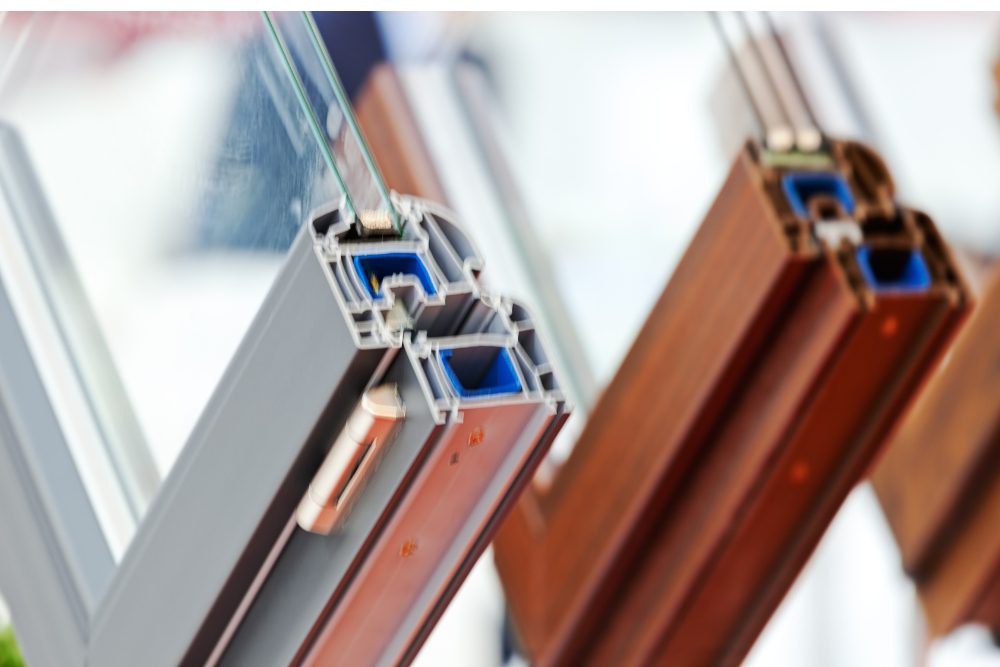
The material selection and design phase is where your project truly takes shape, merging form with function. Here, you’re invited to explore a variety of glass options—clear, frosted, tinted, or patterned—each offering a distinct mood and level of privacy. You’ll discuss thickness, coatings for energy efficiency, and safety treatments like tempering or lamination. The installer will walk you through the performance benefits of each type, such as how insulated glass enhances thermal control or how etched glass softens light to create a serene ambiance. These choices influence not just the look of your space but also its comfort and durability.
Beyond functionality, design customization allows your personality or brand to shine through. You can choose decorative etching, colored tints, beveled edges, or hardware finishes that match your interior style. The process may include reviewing samples or mock-ups to ensure the selected design harmonizes with surrounding materials. Whether for residential elegance or commercial sophistication, this step tailors the installation to your unique needs. Once final decisions are made, every detail is recorded and approved before fabrication begins. By the end of this phase, your concept evolves from inspiration to a tangible plan ready for production.
Fabrication and Quality Assurance
Fabrication is where precision meets craftsmanship, transforming design plans into tangible glass panels built to last. At the fabrication facility, skilled technicians use specialized equipment to cut the glass to exact specifications. Edges are polished, holes are drilled for hardware, and any additional treatments—such as coating, tinting, or tempering—are applied. Each step is handled with care, ensuring that the final product matches the approved design perfectly. This meticulous attention to detail safeguards both performance and appearance, preventing issues like uneven surfaces or improper fits that could compromise the installation later on.
Equally vital is the quality assurance process that follows fabrication. Each panel undergoes thorough inspection for clarity, strength, and accuracy in dimension. Technicians verify that laminations are properly sealed, coatings are uniform, and edges are smooth. Any imperfections are addressed immediately to maintain the highest standards of safety and durability. Reliable communication during this stage keeps you informed of progress and delivery timelines. Once every piece passes inspection, it’s cleaned, labeled, and carefully packaged for safe transport to the installation site. This commitment to precision and quality ensures that your custom glass arrives ready for flawless installation and long-lasting performance.
Site Preparation and Installation Planning
Before the actual glass arrives, the installation site must be prepared. This involves clearing the work area, protecting nearby surfaces (floors, walls, adjacent glass), and ensuring frames, supports or existing openings are ready. The installation team will confirm that structural supports and hardware align with the glass dimensions, that seals and gaskets are ready, and that access is safe for large panels. Weather, ambient conditions, and logistics may affect scheduling—so it’s important to plan for possible adjustments. A reliable installer communicates a clear timeline, tells you how much disruption to expect, and whether any additional trades (carpentry, glazing, caulking) need to be on-site. This ensures the arrival of your custom glass triggers a smooth, timely installation.
Delivery, Handling and On-Site Inspection
When your custom glass panels reach the site, they deserve careful handling. The installation team will unload them with proper lifting equipment or protective padding, anchor them securely, and inspect for any shipping damage or defects. On-site inspection at delivery ensures that what was fabricated matches your order in size, finish, and quality. Any discrepancy at this stage can be addressed immediately rather than after installation. The team will also check that surrounding surfaces and frames are true and ready. This front-end attention prevents nasty surprises during the final installation phase, and sets the stage for a seamless fit.
Professional Installation and Setting in Place
Now the panels are ready and the site is prepared: the installation itself takes centre stage. Expert glass technicians will lift, align, and secure each panel according to plan. They’ll adjust hardware, connect seals, anchor fasteners, and make any final tweaks to ensure the glass sits true. For framed installations, the team ensures the glazing is seated properly, gaskets are compressed correctly, and any compartmentalization (dual panes, laminated layers) is as specified. For frameless or structural glass work, the precision alignment matters even more—every millimetre counts. Closing work may include caulking, weather-sealing, cleanup of glass edges, and removal of protective films. At this stage you’ll start to see your vision emerge in full.
Final Quality Check and Clean-Up
With the glass installed, the job isn’t yet complete. A final quality check ensures structural integrity, aesthetic finish, and operational alignment (doors open/close freely, frames seal properly, no visual distortions). The installer will clean the glass thoroughly, remove any protective coverings, wipe down frames and hardware, and ensure the site is returned to its original condition—or better. This clean-up is part of the professionalism: you shouldn’t be left dealing with debris, excessive trim scraps, or dirt from the work. The final review also gives you a chance to inspect: if you spot minor imperfections or misalignment, now is the time to speak up. A reputable company welcomes your input before they leave.
Post-Installation Support and Maintenance Advice
After the panels are in place, your installer should provide guidance on how to maintain the glass. They’ll advise about how to clean without damaging coatings, what to avoid (harsh chemicals, abrasive tools), and how to monitor seals or frames for potential issues like leaks or movement. Some companies offer follow-up visits or check-ins, especially for larger installations. If ever the glass suffers damage or the environment changes (for example a new exterior load or alteration), your service provider should offer prompt repair or replacement options. Knowing who to call and having documented details about your installation means you’re better prepared if needs arise.
Why Choosing the Right Glass Specialist Matters
Selecting a competent glass provider isn’t just about picking the lowest price. The right partner brings a combination of design insight, measurement accuracy, fabrication quality, installation skill, and after-care commitment. For instance, a company deeply familiar with commercial and residential custom glass understands how work differs—how business hours, minimal disruption, or architectural glazing constraints change the process. When you pick a specialist who values communication and holds craftsmanship to high standards, you gain more than panels—you gain peace of mind. On a custom glass journey, strong coordination from initial concept to finished surface makes all the difference.
Conclusion
When you engage with a trusted glass partner such as Vista Glass Marana in Marana, you receive expert guidance through every stage—from your first consultation to the final clean-up. The process unfolds with measured planning, accurate measurements, customization, careful fabrication, seamless installation, and thorough support. Should you wish to proceed or have questions, the team at Vista Glass Marana is ready to assist: call 520-999-2659 or email CSR@vistaglass.com.