
In a rapidly changing world where sustainability drives innovation, the materials used in commercial construction play a defining role in shaping the future. Eco-friendly glass has become a cornerstone of modern architecture, merging design with environmental responsibility. Beyond aesthetics, this glass type enhances energy efficiency, minimizes carbon footprints, and contributes to long-term operational savings. For commercial buildings, where energy consumption and climate control are critical factors, eco-friendly glass is not just an upgrade—it’s a statement of intent toward a greener, more efficient world.
Every pane of glass tells a story about the priorities of the company behind it. Selecting sustainable glass solutions means choosing progress over convention, efficiency over excess, and long-term vision over short-term cost-cutting. As urban landscapes evolve, glass becomes more than a visual feature; it becomes an active participant in building performance, shaping how energy flows, how people feel inside, and how businesses present their environmental commitments to the public.
Sustainable Glass Shapes the Future of Commercial Architecture
The skyline of every major city is changing, reflecting a shift toward sustainability. Architects and developers now see eco-friendly glass as a tool to create structures that harmonize with the environment instead of dominating it. This evolution has inspired designs that are both visually stunning and functionally smart, using advanced coatings and materials that regulate temperature, light, and energy use without compromising aesthetic goals.
The magic of sustainable glass lies in its ability to work silently, constantly adjusting to weather and sunlight while reducing the strain on HVAC systems. For commercial properties, that balance translates into measurable energy savings and a more comfortable interior environment. The future of architecture is transparent—literally and figuratively—and eco-friendly glass is the material that brings that clarity to life.
Energy Efficiency Starts with the Right Glass Choice
Energy efficiency isn’t just a trend; it’s a responsibility that every modern building must uphold. Eco-friendly glass acts as a dynamic barrier, controlling how heat and light pass through. It minimizes energy waste during the summer by reflecting excess solar radiation, while in the winter, it traps interior warmth to reduce heating demands. This intelligent adaptability keeps utility costs stable and predictable year-round.
When commercial property owners make the switch to energy-efficient glass, they gain more than just lower energy bills—they gain control over their building’s environmental performance. The right glass transforms a simple structure into a sustainable ecosystem, balancing technology and nature. Each installation becomes an investment in resilience, comfort, and the long-term health of both people and the planet.
The Economic Benefits of Eco-Friendly Glass Installation
At first glance, eco-friendly glass may seem like a premium option, but its true value lies in the return on investment. Over time, businesses see noticeable reductions in energy consumption and maintenance costs. Sustainable glass reduces the load on HVAC systems, prolongs equipment lifespan, and enhances employee comfort—all factors that lead to improved productivity and lower operational expenses.
For building owners, this shift isn’t merely a financial decision; it’s a strategic move toward future-proofing their properties. As green building standards become the norm, having energy-efficient glass increases property value and appeal to tenants who prioritize sustainability. Choosing eco-friendly glass today means staying ahead of regulatory changes and market expectations tomorrow.
Enhancing Comfort and Productivity with Natural Light
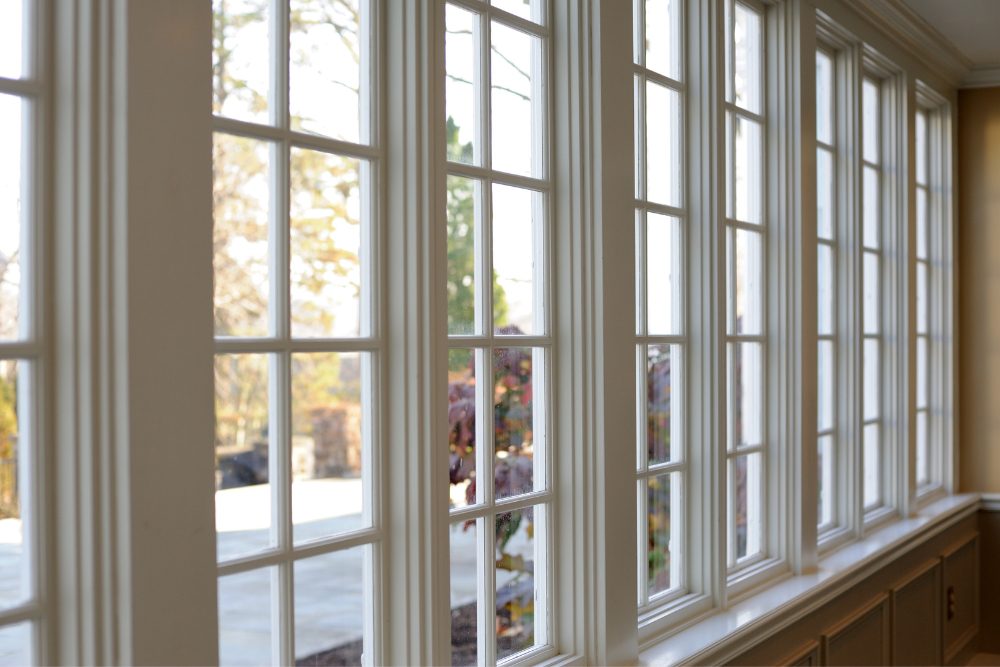
Natural light has an undeniable influence on human performance and well-being. Eco-friendly glass maximizes daylight penetration while filtering harmful UV rays and glare. This careful balance creates an inviting workspace filled with soft, natural illumination that encourages focus, creativity, and comfort. Employees working in such environments often experience higher morale and reduced fatigue.
Commercial buildings that embrace eco-friendly glass essentially design for both people and purpose. The improved thermal regulation ensures consistent indoor temperatures, reducing complaints and distractions. When comfort and clarity coexist, businesses thrive. Natural light becomes not just an architectural feature but a silent contributor to productivity and satisfaction.
Reducing Carbon Footprints Through Smart Glass Technology
Every design choice in construction contributes to a building’s environmental legacy, shaping how it interacts with the planet for decades. Eco-friendly glass plays a crucial role in this equation, helping commercial buildings drastically cut carbon emissions while enhancing efficiency. Through advanced production techniques and innovative coatings, these glass systems consume less energy during manufacturing and maintain exceptional thermal regulation throughout their lifespan. This dual benefit allows companies to operate responsibly while enjoying the modern aesthetics and transparency that glass architecture provides. By rethinking traditional materials, businesses can design spaces that function in harmony with their surroundings rather than against them.
Smart glass technologies such as low-emissivity (Low-E) coatings and solar control layers revolutionize the way light and heat behave within a building. These systems reflect excess solar radiation in summer and retain heat during winter, ensuring comfort while reducing dependence on HVAC systems. The result is a measurable drop in energy consumption and greenhouse gas emissions. As industries move toward greener operations, adopting smart glass becomes more than a design decision—it’s an ethical choice. Each pane installed represents a tangible commitment to sustainable development and environmental preservation, aligning innovation with ecological consciousness in one transparent gesture.
How Eco-Friendly Glass Supports Green Building Certifications
Achieving a green building certification is no longer just a badge of honor—it’s a strategic advantage that demonstrates environmental accountability. Eco-friendly glass plays an integral role in meeting the rigorous requirements of programs such as LEED, ENERGY STAR, and BREEAM. Its exceptional insulation and solar control properties contribute to improved energy efficiency scores, while its ability to reduce artificial lighting needs enhances interior comfort and visual quality. This alignment with sustainability standards helps developers showcase tangible environmental performance, increasing both the credibility and desirability of their projects.
Beyond compliance, eco-friendly glass actively enhances the reputation of commercial spaces seeking green certifications. Buildings that use high-performance glazing often experience better tenant retention and higher market value because sustainability has become a key decision factor for modern occupants. Property owners who invest in eco-conscious glass also future-proof their assets against evolving environmental regulations. As energy standards become stricter, such proactive choices ensure continued eligibility for incentives and certifications. The combination of beauty, performance, and compliance makes eco-friendly glass an indispensable component of responsible construction, seamlessly connecting architectural ambition with measurable environmental stewardship.
The Aesthetic Power of Eco-Conscious Design
Sustainability and beauty need not exist in separate realms—eco-friendly glass proves that environmental responsibility can be stunningly elegant. Modern manufacturing techniques have transformed glass from a mere functional material into an expressive medium that defines architectural identity. From reflective facades that dance with sunlight to softly tinted panels that reduce glare, eco-friendly glass offers limitless design versatility. These materials not only shape the external appearance of buildings but also influence how natural light interacts with interior spaces, creating a calm and productive atmosphere that resonates with both form and function.
Incorporating eco-conscious glass allows architects to blend creativity with conscience. Each design becomes a visual statement of progress, reflecting an organization’s dedication to sustainability. Visitors and clients immediately sense innovation and care when entering a building adorned with energy-efficient glass—its sleek lines and natural illumination evoke sophistication and environmental mindfulness in equal measure. Beyond its striking visuals, this glass embodies purpose: a harmonious balance between beauty and sustainability that defines the future of modern design. In today’s architectural landscape, aesthetic power is no longer measured solely by appearance but by the values it transparently reflects.
Long-Term Durability and Reduced Maintenance Costs
Eco-friendly glass stands out not just for its sustainability but for its remarkable endurance. Built using advanced coatings and treatment processes, it resists the elements with superior strength and clarity. This resilience protects buildings from UV degradation, scratches, and weather-induced wear that typically plague conventional glass. For commercial properties exposed to harsh conditions, this durability translates to long-lasting performance and minimal visual deterioration over time. With less need for replacements and repairs, property owners enjoy consistent aesthetics and reliable protection against environmental stressors.
The long-term financial benefits of eco-friendly glass are equally compelling. Reduced maintenance and extended lifespan mean fewer disruptions and lower operational expenses. The glass’s ability to maintain its energy performance ensures ongoing savings in heating and cooling costs. Moreover, by minimizing waste and replacement frequency, businesses reduce their environmental impact in measurable ways. This creates a self-reinforcing cycle—durability enhances sustainability, and sustainability enhances cost-effectiveness. Over the years, the investment in eco-friendly glass proves not only practical but visionary, ensuring commercial buildings remain efficient, attractive, and environmentally responsible for generations.
How Local Glass Experts Bring Sustainability Closer to You
Choosing eco-friendly glass is just the first step; selecting the right installation partner is equally vital. Skilled professionals ensure precision fitting, maximizing the glass’s efficiency and lifespan. Local experts understand regional climates, building codes, and material compatibility, which directly influence the success of sustainable projects.
In areas with intense sunlight, for instance, specific coatings or glazing combinations can make a significant difference in performance. Local specialists offer tailored advice and quality craftsmanship that global suppliers often overlook. By partnering with nearby experts, businesses gain both technical excellence and ongoing support for their sustainability goals.
Adapting to Future Trends in Eco-Conscious Construction
The demand for environmentally responsible materials continues to grow. As technology advances, eco-friendly glass evolves with features like dynamic tinting, self-cleaning surfaces, and solar energy integration. These innovations redefine what commercial buildings can achieve, transforming them into smart ecosystems that respond intuitively to environmental changes.
Future trends point toward buildings that actively generate energy rather than consume it. Eco-friendly glass will be at the core of this transformation, acting as both a barrier and an energy source. Businesses adopting these solutions today position themselves as pioneers in an era where sustainability is not optional but essential.
Why Every Pane Matters in Sustainable Building Design
Sustainability doesn’t happen in large leaps—it’s built piece by piece, pane by pane. Every window installed contributes to the building’s overall environmental impact, shaping how much energy it consumes and how comfortable its occupants feel. Eco-friendly glass ensures that every section of a structure serves a purpose beyond aesthetics.
When each pane reflects responsibility and innovation, the entire building becomes a living statement of progress. It tells a story of intention, craftsmanship, and care for both people and the planet. Small design choices accumulate into monumental results, proving that real sustainability begins with mindful material selection.
Conclusion
Eco-friendly glass represents more than an architectural element—it is a reflection of how the modern world views progress, responsibility, and design harmony. Commercial buildings equipped with sustainable glass systems stand as symbols of intelligence and integrity in construction. They save energy, elevate comfort, and inspire confidence in those who inhabit them.For businesses ready to embrace this change, Vista Glass Marana in Marana offers expert guidance and installation services tailored to each building’s unique vision. To learn more or begin your sustainable transformation, contact Vista Glass Marana at 520-999-2659 or email CSR@vistaglass.com.