
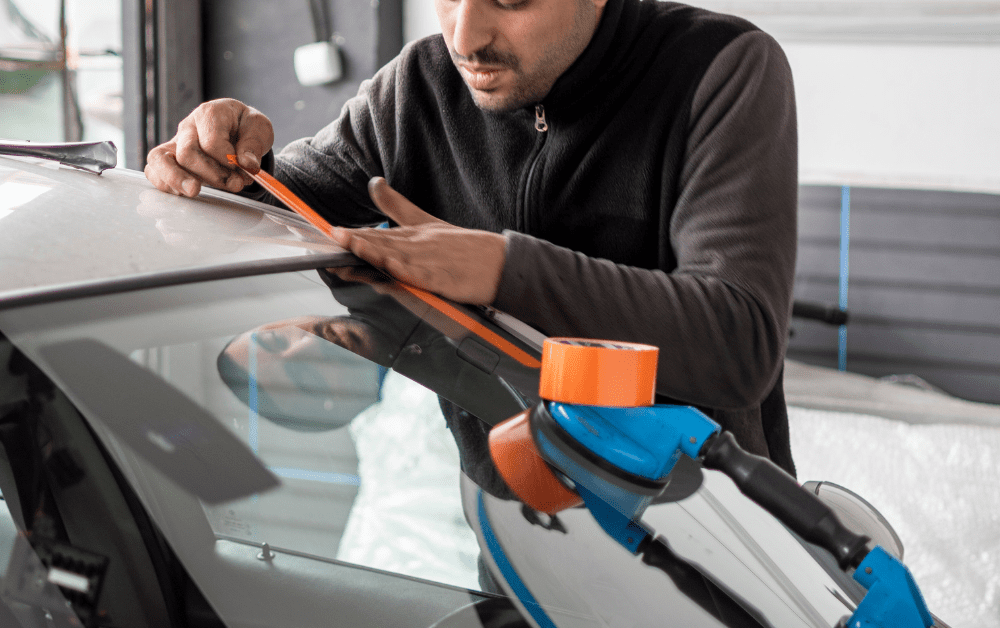
The cost of replacing a windshield is rarely straightforward. A combination of materials, labor, technology, and vehicle specifications come together to determine the final price. In many cases, what seems like a simple fix can become a more complex process once factors such as sensor calibration or special glass types are considered. Drivers often discover that two identical vehicles can have different replacement costs due to small but significant differences in features or parts availability. Understanding these factors helps vehicle owners make informed decisions rather than relying solely on quick estimates. By exploring what influences windshield replacement costs, car owners can anticipate expenses, evaluate service quality, and ensure they’re getting genuine value rather than just the lowest quote.
Understanding Vehicle Type and Model Influence
Every vehicle carries its own fingerprint when it comes to windshield design and installation. The shape, size, and curvature of the glass vary from one make to another, directly affecting how much the replacement will cost. A compact sedan might require a basic windshield that’s easy to source, while a luxury SUV or a sports car often demands custom glass with advanced coating or tinting. These specialized parts come at a premium because of limited availability and the need for precision during installation.
In addition, some modern vehicles integrate technology such as heads-up displays or built-in sensors into the glass itself. These additions mean replacements aren’t just about swapping glass — they involve recalibration and compatibility checks. Auto glass specialists must use specific tools and certifications to ensure these systems function perfectly post-installation. Therefore, a vehicle’s make and model hold substantial weight in determining how high or low the total cost can climb.
The Role of Glass Type in Pricing
Not all windshields are created equal. The type of glass chosen for a replacement plays a defining role in overall cost. Standard laminated glass — the kind found in most cars — is made of two layers with a protective vinyl sheet between them. This structure enhances safety by preventing shards from scattering during impact. However, certain vehicles feature acoustic or solar-coated glass, designed to minimize cabin noise and block harmful UV rays.
These premium variations are understandably more expensive to manufacture and install. Beyond the material itself, the supplier also influences pricing. OEM (Original Equipment Manufacturer) glass, which mirrors factory specifications, generally costs more than aftermarket alternatives. Yet, OEM options often provide a seamless fit and maintain the car’s warranty standards. Choosing between these types is often a balance between long-term performance and upfront savings, and understanding that distinction helps drivers make more confident financial decisions.
Advanced Driver Assistance Systems and Their Impact
Modern vehicles increasingly rely on ADAS — Advanced Driver Assistance Systems — to keep drivers safe on the road. These include lane departure warnings, collision avoidance, adaptive cruise control, and automatic braking systems. What many don’t realize is that these technologies are often connected directly to the windshield through mounted sensors and cameras.
When a windshield is replaced, these systems must be recalibrated precisely, ensuring that every sensor functions as intended. This step requires specialized training and advanced diagnostic equipment, which naturally raises the total service cost. Skipping recalibration can compromise safety and render ADAS features unreliable. Consequently, the complexity of these systems means that a windshield replacement for a tech-equipped vehicle could cost considerably more than for a standard model. The investment, however, secures proper function of life-saving technologies and preserves the integrity of the vehicle’s advanced systems.
Labor Expertise and Installation Quality
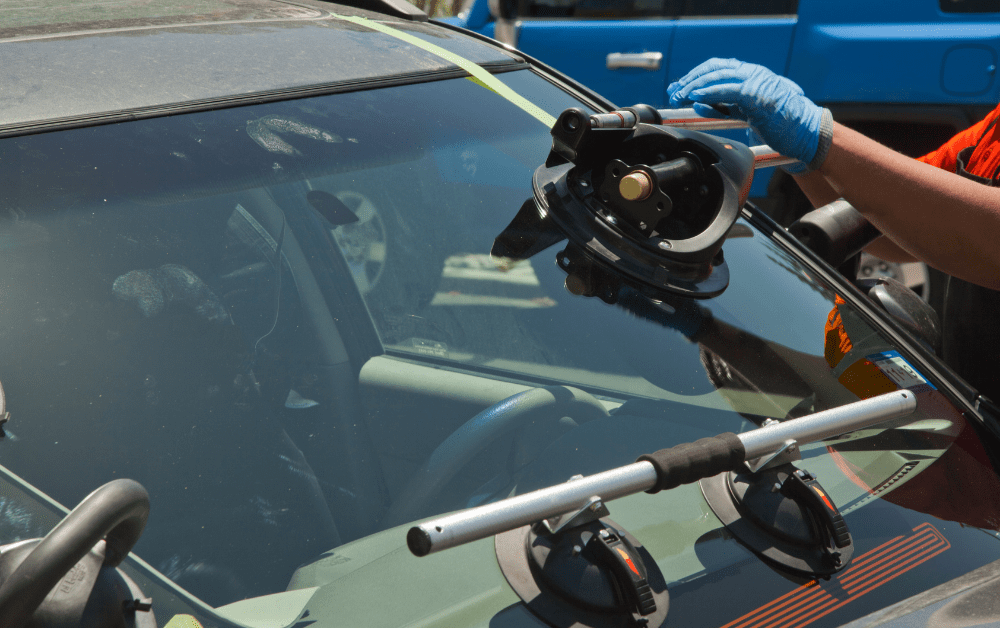
While glass quality matters, the hands that install it can make or break the outcome. Skilled technicians bring precision, knowledge, and efficiency to the replacement process. Improper installation might lead to leaks, rattling noises, or even safety hazards during an accident. Experienced professionals ensure that every seal and adhesive bond is secure, meeting both safety and manufacturer standards.
Labor costs differ depending on the service provider’s expertise and location. Some technicians specialize in high-end or foreign vehicles, requiring unique tools and methods, which can slightly elevate their fees. However, that premium often translates into peace of mind and long-lasting results. Cutting corners by choosing the cheapest labor can lead to additional repairs down the road, nullifying initial savings. Ultimately, the balance between affordability and professional craftsmanship defines the overall value of any windshield replacement service.
Regional and Market Pricing Variations
Location plays a surprisingly large role in the total expense of windshield replacement. Urban areas, where labor and overhead costs are higher, tend to have steeper service prices than rural locations. Supply chain factors, local demand, and even climate conditions can further influence cost. For instance, regions prone to temperature extremes or frequent road debris may see higher replacement rates due to increased demand for glass and repair materials.
Additionally, transportation and distribution costs affect pricing. Glass that needs to be shipped long distances or imported from specialized manufacturers often incurs added expenses. Seasonal fluctuations also play a part, with certain months seeing spikes in auto glass services after weather changes or storm seasons. Understanding these regional factors helps customers anticipate price differences and plan accordingly, ensuring they aren’t caught off guard by local market dynamics.
Insurance Coverage and Deductible Choices
Auto insurance plays a major role in shaping the financial outcome of a windshield replacement, yet its impact isn’t always straightforward. Comprehensive policies often cover part or all of the expense, depending on the insurer’s terms and the vehicle owner’s deductible. Some drivers are fortunate enough to have policies that include zero-deductible glass coverage, meaning replacements come at no personal cost. Others, however, must pay a fixed deductible before insurance covers the rest, which can significantly affect what they owe out of pocket. Understanding how coverage applies before booking the service helps prevent unexpected expenses and delays.
Another factor many overlook is how claims can influence future premiums. Filing a small windshield claim might seem practical at first, but it can lead to a premium increase later on. For minor chips or cracks, paying directly for repairs may actually be more economical in the long run. Working with experienced auto glass specialists also ensures claims are processed smoothly and documentation meets insurer requirements. Ultimately, knowledge of policy limits and deductible structures gives drivers the confidence to make cost-effective decisions that balance immediate needs with future financial stability.
Time Sensitivity and Emergency Services
Timing can dramatically influence the cost of a windshield replacement. When a crack spreads quickly or obstructs a driver’s view, acting fast becomes a matter of safety. Many repair shops offer emergency or same-day services to accommodate such urgent cases. While these rapid options are convenient, they typically come at a premium since technicians must prioritize the job and sometimes extend working hours. For drivers who rely heavily on their vehicles for work or travel, paying a bit extra for immediate service often proves worthwhile to avoid downtime or potential hazards.
However, those with more flexibility can opt for standard appointments at lower rates. Scheduling ahead allows providers to manage inventory efficiently and reduce rush-related costs. The trade-off between urgency and affordability ultimately depends on a driver’s situation. A reliable auto glass company will discuss available options and help customers find the right balance between speed, safety, and cost. Recognizing the role that time sensitivity plays helps vehicle owners plan wisely, ensuring they never compromise safety or quality even when faced with unexpected windshield damage.
Availability of OEM Parts and Supply Chain Factors
The supply and demand of auto glass parts heavily dictate replacement costs. OEM (Original Equipment Manufacturer) windshields, designed to match factory specifications exactly, often carry a higher price due to strict quality control and limited distribution channels. When these parts are in short supply, delays in shipping or manufacturing can cause price fluctuations. This is especially true for newer or luxury vehicles where specific features, such as integrated sensors or heating elements, make sourcing more challenging. The more specialized the windshield, the greater the cost and waiting time are likely to be.
Conversely, aftermarket options tend to be more affordable and readily available, offering a practical solution when OEM parts are scarce. However, quality can vary among manufacturers, which is why reputable auto glass providers work closely with trusted suppliers to ensure durability and safety. Companies that maintain strong supply chain relationships often secure faster delivery and more stable pricing for their customers. Understanding these logistical factors helps drivers appreciate that pricing is not just about glass quality—it’s also about global production trends, transportation routes, and the availability of skilled technicians ready to complete the job efficiently.
Weather and Environmental Considerations
Environmental conditions exert a subtle yet significant influence on windshield replacement costs. The curing process for adhesives used during installation depends heavily on temperature and humidity levels. In cold or humid climates, technicians may need to use specialized resins, heated environments, or extended drying times to guarantee a proper seal. These adjustments can add both time and expense to the overall service. Additionally, seasonal changes often affect scheduling, as technicians must work around inclement weather to ensure the new glass bonds securely. Even minor environmental variables can shift how long the process takes and how much it costs.
Beyond installation conditions, environmental wear and tear also affects how often a windshield might need replacement. Areas with gravel roads, strong winds, or fluctuating temperatures see higher instances of cracks and chips. Constant exposure to sun, snow, or debris can gradually weaken glass integrity, leading to recurring replacements over time. Technicians adapt to these challenges by using materials suited for local climates, enhancing durability and longevity. By understanding how weather patterns and geography contribute to pricing, vehicle owners can better anticipate long-term maintenance costs and schedule replacements under the most favorable conditions possible.
The Importance of Choosing the Right Service Provider
Choosing a reputable service provider can make a significant difference in both cost and quality. Reliable companies offer transparent pricing, skilled technicians, and warranties that protect against defects or installation errors. They prioritize safety and precision, ensuring the new windshield fits perfectly and restores the vehicle’s structural integrity.
Unreliable shops, however, might use lower-grade adhesives or uncalibrated equipment, leading to poor results that compromise safety. Opting for an established provider ensures long-term satisfaction and reduces the likelihood of recurring expenses. Quality workmanship often justifies a slightly higher cost because it guarantees performance, safety, and peace of mind.
Conclusion
The cost of windshield replacement depends on a combination of interconnected elements — from vehicle specifications and glass type to regional factors, technician expertise, and technological features. Every detail contributes to the final price, making it crucial for drivers to understand these influences before committing to a service. Reliable, transparent, and professional providers ensure customers receive fair pricing and high-quality workmanship that stands the test of time.For professional windshield replacement services in Marana, contact Vista Glass Marana. Reach out at 520-999-2659 or email CSR@vistaglass.com for expert assistance.