
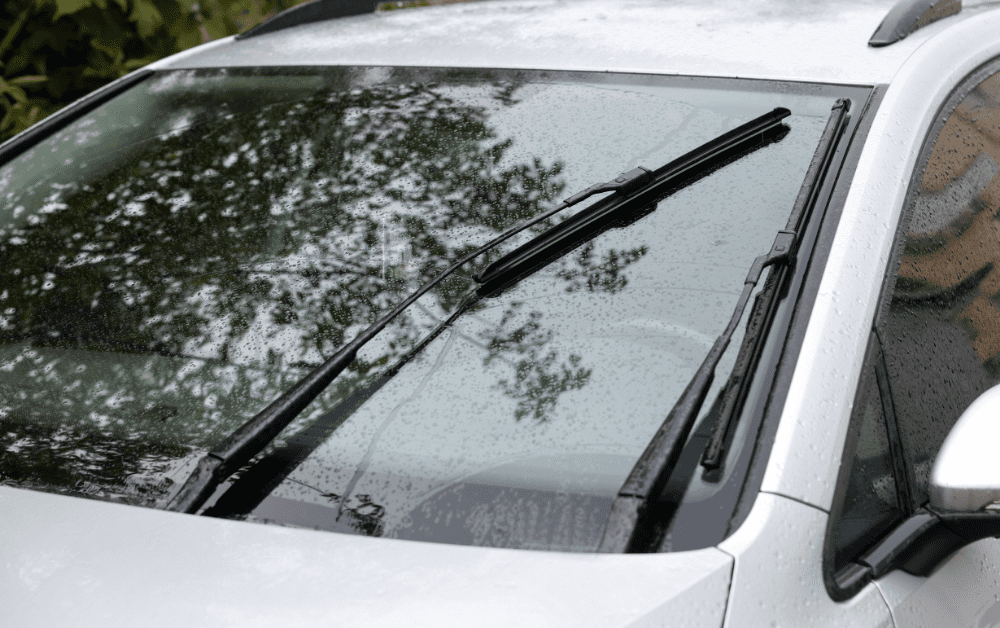
A windshield does more than protect drivers from wind, debris, and dust—it’s a structural shield that keeps every journey safe. Yet when damage appears, many people face the same question: should it be repaired or replaced? While both solutions aim to restore clarity and security, their applications differ depending on the size, depth, and location of the damage. Understanding the distinction between windshield repair and replacement can save you time, money, and unnecessary stress. Cracks, chips, or splinters might seem harmless, but they can quickly expand under temperature changes or vibration. Acting early not only ensures safety but also prevents a minor inconvenience from turning into a costly replacement. This guide explores what separates windshield repair from replacement, helping you make an informed decision the next time your glass takes a hit.
When a Chip is More Than a Chip
A tiny chip might seem innocent at first glance, often ignored until it spreads like a spider web across the glass. What begins as a pin-sized blemish can escalate into a major crack when temperature shifts, moisture, or road vibration put pressure on the surface. Windshield repair becomes the first line of defense in these cases. Technicians use specialized resin that seeps into the damaged area, hardens, and restores optical clarity. However, not every chip qualifies for repair—its size, depth, and position determine whether the glass can be safely salvaged. A chip in the driver’s line of sight, for instance, can distort visibility even after repair, warranting a full replacement. The key takeaway: never underestimate a small blemish. It’s more than a cosmetic concern—it’s a structural warning that calls for immediate attention before the damage worsens beyond repair.
The Science Behind Windshield Repair
Windshield repair isn’t guesswork; it’s a precise process backed by physics and chemistry. The resin used is a transparent material designed to mimic the refractive index of glass, ensuring clarity once cured. When injected into a chip or crack, it bonds with the glass molecules, stopping the damage from spreading. Heat or ultraviolet light then hardens the resin, creating a nearly invisible finish. This repair process restores about 90% of the windshield’s original strength when performed correctly. But timing is crucial—once dirt, water, or debris infiltrate the crack, successful bonding becomes difficult. The science behind repair is also about balance: stabilizing damage without altering the natural curve and strength of the windshield. That’s why professional technicians assess the damage carefully before proceeding. A well-executed repair not only extends the life of your windshield but also preserves the integrity of your car’s overall structure.
When Replacement Becomes Inevitable
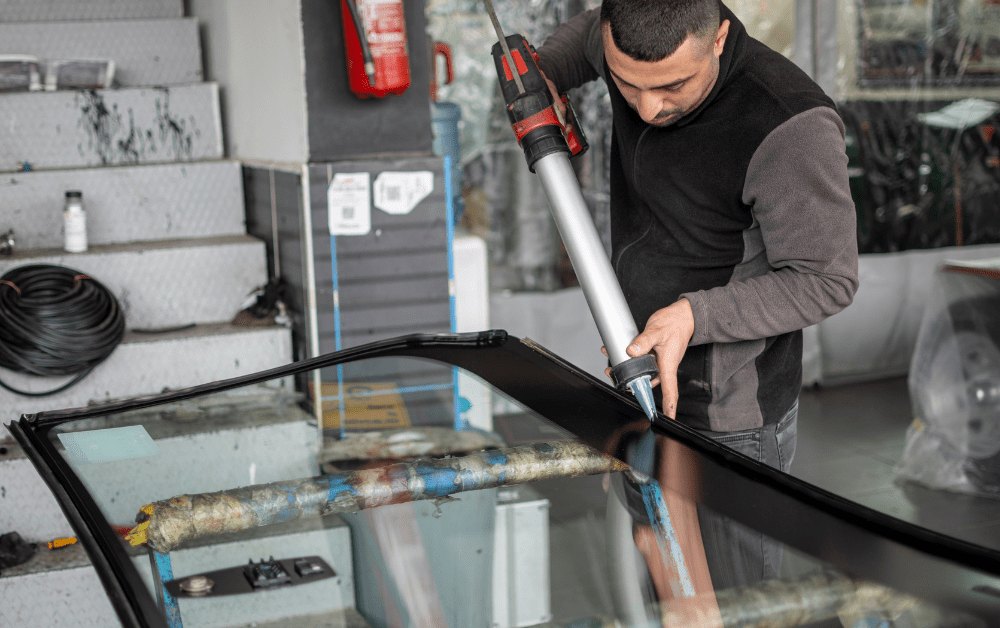
Some damage simply goes beyond the reach of resin. When cracks extend longer than six inches or spread across multiple areas, replacement becomes the only safe choice. A windshield contributes to nearly 30% of your vehicle’s structural strength during a rollover accident. If compromised, it can’t perform as intended. Replacement involves removing the damaged glass, cleaning the frame, and fitting a new OEM or equivalent windshield using advanced adhesives that ensure airtight sealing. Precision is everything here—a minor misalignment can lead to leaks or visual distortion. Replacement might cost more than repair, but it guarantees restored safety and reliability. It’s also the better option when your car has embedded sensors or cameras used in modern driver-assistance systems, as recalibration is often required. Ultimately, replacement is not just about visibility—it’s about reinstating your car’s designed protection.
How Weather Influences Windshield Decisions
Arizona’s intense sun, fluctuating desert temperatures, and occasional monsoon rains make windshield care especially tricky. Heat expands glass, while sudden cool rain can cause rapid contraction, worsening existing cracks. Dust and sand further stress the surface, creating conditions where even a minor chip can evolve into a sprawling fracture overnight. In such environments, the decision between repair and replacement depends on timing. Repairing a chip immediately can prevent larger issues caused by temperature changes, while procrastination almost guarantees a full replacement down the line. Professionals in regions like Marana understand these local conditions and tailor their approach accordingly. UV exposure also plays a hidden role—it weakens old resin and adhesive bonds, making replacement a more durable long-term solution in sun-soaked areas. The weather isn’t just background—it’s a deciding factor in windshield longevity.
Cost Considerations and Insurance Coverage
Many drivers delay repairs out of fear of high costs, but windshield repair is often surprisingly affordable—and in many cases, insurance covers it entirely. Insurers recognize that early repair prevents costlier replacements, so they frequently waive deductibles for small damage. On the other hand, replacement, while more expensive, might still be partially covered depending on your policy. Understanding your coverage can save you hundreds of dollars. Beyond insurance, cost also involves the value of safety and time. A quick repair takes less than an hour, restoring your windshield’s integrity before the issue escalates. Replacement may take longer but eliminates long-term risk. The smartest financial move is proactive maintenance—addressing chips early and checking insurance terms before making assumptions. Protecting your wallet and your windshield starts with awareness, not avoidance.
Safety Implications of Ignoring Windshield Damage
A damaged windshield isn’t just a visual annoyance—it’s a safety hazard waiting to happen. Even small cracks weaken the glass, making it less effective at supporting airbags or maintaining cabin structure during collisions. The windshield works as a backstop for passenger airbags, ensuring proper deployment. If cracked, the glass can shatter under pressure, reducing airbag effectiveness. Ignoring damage also risks impaired visibility, especially at night when light refracts through cracks and chips. Drivers may underestimate how these distortions affect reaction time. The structural consequences are even more serious: a compromised windshield increases the chance of roof collapse in a rollover. The conclusion is simple—what looks like a minor imperfection can quickly turn into a serious safety issue. Addressing damage promptly isn’t just smart maintenance—it’s an act of responsibility on the road.
The Role of Technology in Modern Windshields
Today’s windshields are far more complex than a simple glass barrier. Modern vehicles integrate sensors, cameras, and heads-up displays within the windshield, making replacement a delicate, high-tech procedure. Advanced Driver Assistance Systems (ADAS) rely on precise calibration to function correctly, meaning a new windshield must be installed with exact alignment. This integration also affects repair eligibility; cracks that interfere with sensor zones often require full replacement to maintain safety standards. Meanwhile, improved resin technologies have enhanced repair success rates, allowing small damages to be fixed more seamlessly. The evolution of windshield technology has elevated both safety and complexity, demanding skilled technicians equipped with modern calibration tools. When choosing between repair and replacement, these systems add another layer of decision-making—precision matters as much as protection.
Environmental Impact of Repair vs. Replacement
Repairing a windshield instead of replacing it carries an unexpected environmental benefit. Each replacement involves manufacturing new glass and disposing of the old one—processes that consume significant energy and contribute to landfill waste. Repair, however, uses minimal materials and keeps the original glass intact, making it a greener choice when possible. Yet safety must always come first. If a replacement is necessary, many auto glass companies now recycle old windshields responsibly, extracting glass and plastic layers for reuse. The eco-friendly approach isn’t just about fixing glass; it’s about reducing the overall footprint of automotive maintenance. Choosing a repair over replacement when appropriate not only saves money but also helps protect the environment, proving that sustainability and practicality can coexist on the road.
DIY Myths and Professional Precision
It’s tempting to believe a windshield repair kit from the local store can solve a chip in minutes. While DIY kits may appear cost-effective, they rarely achieve the strength and clarity of professional repairs. Improper resin application can trap air bubbles, distort vision, or even worsen the damage. Professionals don’t just inject resin—they inspect, clean, and prepare the area meticulously before applying pressure and curing the material under controlled conditions. Their expertise ensures the structural and optical integrity of the repair, something most DIY methods can’t replicate. Windshield glass is layered and engineered to distribute force; without understanding that structure, at-home repairs can lead to bigger problems later. When in doubt, trust certified technicians who combine experience with precision tools to safeguard both the glass and your safety.
Choosing the Right Auto Glass Specialist
Selecting a qualified windshield specialist goes beyond comparing prices. Look for technicians certified by industry associations, experienced with modern calibration systems, and equipped with high-quality materials. Reliable shops explain the damage clearly, outline your options, and recommend repair or replacement based on safety rather than sales goals. Speed and convenience matter, but quality should never be sacrificed. The best specialists also handle insurance claims directly, saving customers time and confusion. Whether it’s a mobile repair service or an in-shop replacement, professionalism and precision determine the outcome. A properly fitted windshield feels seamless—it blends into your car’s design and restores peace of mind on every drive. Choose a team that values craftsmanship as much as efficiency, ensuring every mile ahead is as clear and secure as possible.
Conclusion
Whether your windshield needs a quick resin repair or a full replacement, the decision ultimately comes down to safety, timing, and professional assessment. Acting early on minor chips can save both money and hassle, while timely replacement ensures your vehicle maintains its structural strength. For drivers in Marana seeking expert care, Vista Glass Marana offers dependable service tailored to local conditions and modern vehicle needs. To schedule a repair or replacement, contact their friendly team at 520-999-2659 or email CSR@vistaglass.com. Keeping your view clear and your drive secure starts with one simple step—trusting the professionals who understand glass inside and out.