
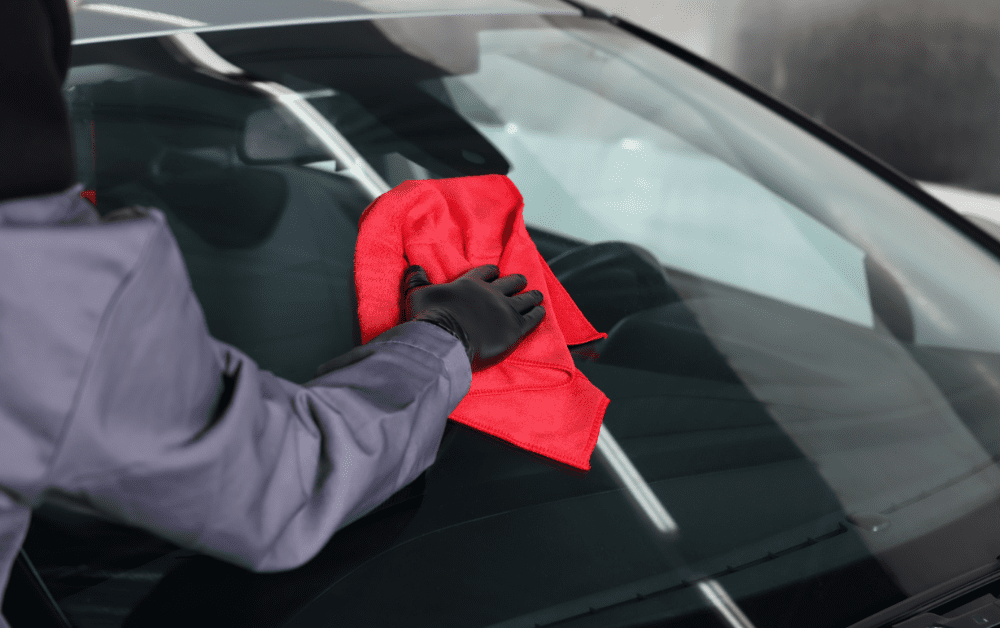
A windshield chip might look small, almost harmless, but under the right conditions, that tiny imperfection can grow into a sprawling crack that demands a full replacement. Drivers often wonder whether they should act quickly with a repair or wait until damage worsens. The truth is, timing and understanding the nature of the chip matter just as much as where you take your car. Modern auto glass repair methods have advanced, allowing skilled technicians to restore clarity and strength to your windshield without the cost or hassle of replacement. Knowing when to choose repair over replacement helps you save money, time, and the integrity of your vehicle. This guide dives deep into those moments when repair is your smartest move, offering insight into the subtle factors that make all the difference between a simple fix and a full replacement.
Small Chips That Stay Small
When the damage resembles a minor blemish no bigger than a coin, repair often makes more sense than replacement. A chip that hasn’t spread or splintered can typically be sealed in a single visit, preventing moisture or debris from causing further harm. The key is immediate attention—acting quickly stops vibration, temperature changes, and pressure from expanding the flaw.
Delaying the repair can invite bigger problems. A small chip might turn into a crack after one rough drive or cold morning. Repairing early not only preserves your windshield’s factory seal but also maintains structural safety. The resin used by professional technicians restores the glass’s integrity while keeping your visibility clear. In such cases, a repair isn’t just economical—it’s the smart, sustainable choice.
The Value of Timely Action
Speed can make or break your windshield’s fate. Chips left unattended invite stress and shifting temperatures to exploit the weak spot, turning what was once repairable into something irreversibly damaged. The moment you notice a chip, schedule a repair before it evolves. Professionals use specialized tools that inject clear resin into the blemish, sealing it seamlessly.
Timely repairs not only prevent larger expenses but also keep your vehicle safe. A windshield supports your car’s structural stability, especially during collisions or rollovers. Once compromised, that strength diminishes. Quick repair restores it while avoiding the need for a full replacement that could disrupt original factory adhesives. Acting promptly is less about vanity and more about protection—both for you and your vehicle.
Understanding Chip Types
Not all windshield chips share the same characteristics, and recognizing these differences can save you from unnecessary expenses. Some chips, such as “bullseyes” or “star breaks,” are limited to the surface layer of the glass and don’t affect the deeper structure. These are often caused by small debris or gravel hitting the windshield at high speed. When addressed early, these types of damage can be filled and sealed with professional-grade resin, restoring both appearance and durability. However, other chips, especially those that penetrate multiple layers of the windshield, can spread rapidly. Left untreated, these minor imperfections may transform into long cracks that threaten the windshield’s overall strength and safety.
Understanding the pattern of the damage helps determine whether repair or replacement is best. Bullseye chips and short star breaks are usually perfect candidates for quick repair, provided they’re treated before exposure to weather or vibration worsens them. Conversely, cracks that extend to the edges or distort the driver’s view generally require a full replacement to maintain safety standards. Learning to identify chip types not only gives you control over your repair decisions but also prevents avoidable costs down the road. Ultimately, a skilled technician’s evaluation ensures your vehicle remains safe and structurally sound.
Weather and Its Hidden Influence
The weather plays a surprisingly significant role in determining whether your windshield chip can be repaired or will need a replacement. Fluctuating temperatures cause the glass to expand and contract, putting extra pressure on even the smallest chips. On cold mornings, the glass tightens, often deepening microfractures, while midday heat expands them, stretching the damage wider. Over time, this repeated stress weakens the glass, transforming a small, repairable chip into a crack that spans across the windshield. Moisture also seeps into unsealed chips, freezing and thawing with the weather, further widening the damage. These natural cycles may seem minor, but they quietly determine your windshield’s lifespan.
Repairing a chip before extreme temperature shifts is the best way to preserve your windshield’s integrity. Professional technicians use high-quality resin that seals the damage, stabilizes the area, and shields it from further weather-related stress. The cured resin strengthens the glass while keeping moisture and debris out, preventing the chip from spreading. Acting quickly before the next freeze or heatwave ensures that your windshield remains intact and clear. In short, weather isn’t just a background condition—it’s one of the most influential forces shaping whether your windshield survives or needs to be replaced entirely.
The Economics of Repair Versus Replacement
When faced with a damaged windshield, cost considerations often guide the decision between repair and replacement. Repairing a small chip typically costs far less than replacing the entire windshield, especially in modern vehicles equipped with advanced sensors or heads-up displays. A professional chip repair service can often be completed in under an hour, making it both efficient and affordable. This quick, cost-effective solution restores visibility and prevents the chip from growing into a full crack. Choosing repair early also helps avoid potential expenses associated with recalibrating driver assistance systems after a full windshield replacement. In short, repairing at the right time keeps your vehicle safe and your wallet protected.
However, if damage becomes too severe—such as when cracks stretch beyond repairable limits—replacement is unavoidable. Once cracks compromise visibility or structural integrity, safety regulations demand a full windshield replacement. While this option costs more, it ensures that your vehicle maintains its original strength and crash protection. The smartest financial decision often lies in prevention: scheduling a repair as soon as a chip appears. Timely action saves money, minimizes downtime, and avoids the higher costs of complete replacement. Simply put, quick repairs today prevent bigger financial headaches tomorrow.
Environmental Considerations
Repairing a windshield instead of replacing it offers more than financial savings—it’s also an environmentally responsible choice. Every replacement involves manufacturing new glass, shipping materials, and disposing of the damaged windshield, all of which contribute to carbon emissions and landfill waste. A repair, on the other hand, uses minimal materials and requires significantly less energy. The specialized resin restores the existing glass, extending its life and keeping waste out of the environment. In a world increasingly focused on sustainability, opting for repair aligns with eco-friendly practices that reduce waste without compromising safety.
Drivers who choose repair over replacement contribute to a more sustainable approach to vehicle maintenance. The process reinforces the integrity of the original windshield, using advanced bonding techniques that are both durable and efficient. This decision may seem small, but multiplied across thousands of vehicles, it has a noticeable environmental impact. It’s a simple yet powerful way for drivers to reduce their ecological footprint while preserving their vehicle’s safety. Repairing a windshield instead of replacing it reflects a mindful approach to auto care—one that balances practicality, cost-effectiveness, and environmental awareness in a single, thoughtful action.

When Replacement Becomes Unavoidable
Sometimes, damage surpasses what a repair can handle. If the crack extends more than a few inches, reaches the glass edge, or obstructs the driver’s view, replacement becomes the only safe option. A windshield plays a critical role in maintaining cabin strength during an accident; compromising it isn’t worth the risk.
Professionals follow strict safety standards to determine when replacement is necessary. They consider not just the size but also the depth and location of the damage. Ignoring severe cracks can jeopardize airbag deployment or structural integrity. When technicians recommend replacement, it’s not upselling—it’s ensuring that your vehicle meets safety standards that protect lives on the road.
Modern Technology and Repair Advances
Advancements in auto glass technology have changed how repair is done. Modern resins, vacuum-sealing systems, and curing lamps now make repairs nearly invisible and structurally sound. These tools enable technicians to restore clarity and strength with precision, even for chips that once seemed borderline.
Thanks to innovation, many windshield damages once deemed irreparable can now be fixed efficiently. The improved bond between resin and glass ensures long-term durability, keeping your windshield strong against future stress. Drivers benefit from cleaner results, quicker service, and the reassurance that their repaired windshield meets safety expectations. The evolution of repair techniques has turned what was once a temporary fix into a trusted solution.
Insurance and Repair Coverage
Many drivers don’t realize their insurance might cover chip repairs with no out-of-pocket expense. Insurers favor repair over replacement because it’s more cost-effective and minimizes claims. By choosing repair promptly, you may avoid paying a deductible entirely.
It’s worth checking your policy as soon as damage occurs. Most insurance providers partner with local auto glass shops that streamline the process, often handling paperwork directly. Repair not only restores your windshield but also protects your insurance history from unnecessary claims. Taking advantage of this benefit ensures your vehicle stays road-ready without financial stress—a win for both driver and insurer alike.
How Professional Repair Protects Safety
A windshield does far more than block wind—it supports roof integrity, anchors airbags, and shields passengers. When compromised, even slightly, that safety barrier weakens. Professional repair reestablishes that strength by sealing the damaged area and preventing further spreading.
DIY kits rarely offer the same reliability. Only professional-grade tools and resins bond deeply enough to restore the windshield’s load-bearing capacity. Choosing professional service means choosing safety over convenience. Repairing through experts ensures your car’s design integrity remains untouched while your visibility stays crystal clear. It’s a subtle but essential form of protection that only skilled technicians can guarantee.
Conclusion
Windshield chips may start small, but they carry big implications for your safety, finances, and peace of mind. Acting early, knowing the difference between repairable damage and replacement needs, and trusting experienced professionals can make all the difference. Whether the chip appeared after highway debris or a sudden temperature shift, prompt repair is the simplest way to protect your car and avoid unnecessary costs. If the damage has already spread, replacement ensures your vehicle remains structurally sound and visually flawless. For expert assessment and trusted service, reach out to Vista Glass Marana in Marana. Their team provides precise repairs and replacements backed by professional care. You can contact them at 520-999-2659 or email CSR@vistaglass.com for reliable windshield solutions that keep your view clear and your drive safe.