
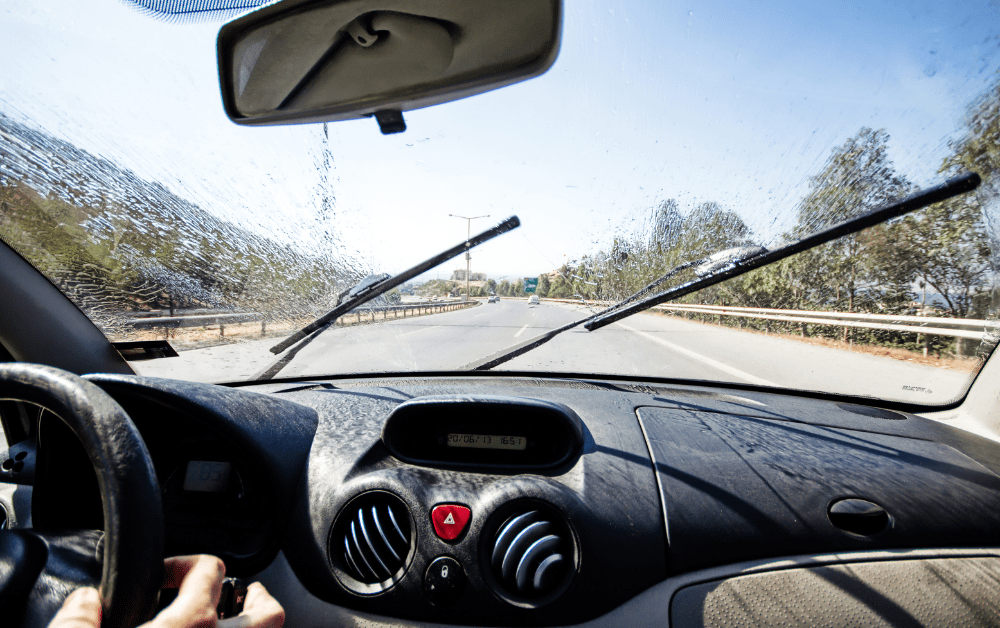
The process of getting a windshield replacement through insurance might sound complicated at first, but it’s actually designed to protect drivers from unexpected costs and safety hazards. When a windshield cracks or shatters, it’s not just a visual nuisance—it can compromise visibility and weaken the vehicle’s structure during collisions. Thankfully, most insurance policies recognize this and provide coverage for glass repair or replacement. Understanding how to navigate the insurance claim process can help you save both time and money while ensuring your vehicle is restored to safe driving condition. From filing the initial claim to scheduling a professional installation, each step plays an essential role in getting your windshield back to pristine shape. By knowing your options and working with the right professionals, drivers can handle the process smoothly and confidently, avoiding the stress that often accompanies vehicle damage.
Understanding How Insurance Covers Windshield Replacement
When your windshield suffers damage, your first concern is usually cost. Insurance can ease that burden, but understanding your policy is key. Comprehensive coverage often includes glass damage from road debris, weather, or vandalism. However, the details—like deductibles or full glass coverage—vary among insurers. Many drivers are surprised to learn they can have a windshield replaced at little to no out-of-pocket cost if they have comprehensive insurance.
The process typically begins with reviewing your policy or contacting your insurer. Some insurance companies partner with certified glass shops to simplify claims, while others allow you to choose your own repair provider. The goal is ensuring safety and clarity on the road. A quick call can determine if your policy covers full replacement, chip repair, or requires a deductible. Knowing these details upfront prevents confusion and helps you move forward with confidence when scheduling service.
The First Step in Filing an Insurance Claim for Windshield Damage
When a rock or piece of debris cracks your windshield, acting fast can make a major difference. The initial step in replacing your windshield through insurance begins with documentation. Take clear photos of the damage before contacting your insurer. This provides visual evidence that supports your claim and ensures transparency. Then, reach out to your insurance company’s claims department. Many now offer easy online portals or mobile apps where you can submit details within minutes.
During the call or submission, you’ll describe the incident—how and when the damage occurred—and confirm your coverage type. The insurance representative might refer you to approved auto glass repair partners or allow you to select your preferred local service. Staying organized with policy numbers and claim forms makes the process seamless. The faster you report the damage, the less likely it is to spread, saving both time and potential cost increases.
Choosing a Certified Auto Glass Specialist for Replacement
After your claim is approved, the next crucial step is selecting a professional auto glass specialist. Not all glass replacement companies operate with the same level of expertise or quality materials. Choosing a certified technician ensures your new windshield meets manufacturer standards for safety and visibility. Certification also confirms proper installation, which helps maintain your vehicle’s structural integrity and reduces the risk of leaks or wind noise later on.
Professional shops often handle insurance paperwork for you, making the process even smoother. They’ll communicate directly with your insurance company to verify coverage and obtain approvals. This takes the stress off your shoulders and ensures accurate billing. A reputable glass service provider uses advanced adhesives and precision installation methods to restore your windshield securely. Selecting a trusted shop isn’t just about convenience—it’s about ensuring your safety on every drive after the repair is done.
What to Expect During the Windshield Replacement Appointment
Once your appointment is scheduled, the replacement process typically moves quickly and efficiently. A certified technician begins by inspecting the damage and removing the old windshield carefully to prevent scratching or harming the vehicle’s frame. They’ll then clean the surface thoroughly before applying a specialized adhesive designed to secure the new glass tightly in place. The entire process can take about an hour, but curing time may require waiting before driving.
During the appointment, technicians also check for hidden damage or misalignment that could compromise safety. Many shops provide mobile service, meaning they can replace the windshield at your home or workplace—saving you time. Once installed, they’ll clean the glass and ensure the sensors or cameras (for newer vehicles) are properly recalibrated. By understanding what happens during replacement, you can appreciate the skill and care that goes into restoring your windshield’s strength and clarity.
Avoiding Common Delays When Using Insurance for Windshield Replacement
Even with insurance, some drivers experience unexpected delays during the replacement process. The most common causes include missing claim details, unverified coverage, or scheduling backlogs at repair shops. To avoid these setbacks, ensure your insurance paperwork is complete and accurate from the start. Having your policy number, claim approval, and preferred service provider ready speeds things up considerably.
Communication is key—stay in touch with both your insurance company and the auto glass technician. Some insurers require pre-authorization before work begins, and missing this step can pause your claim. Scheduling early in the week or choosing flexible appointment times also helps avoid waiting periods. By staying proactive and organized, you’ll prevent frustrating delays and get your windshield replaced quickly. This means you’ll return to safe driving conditions without prolonged downtime or unnecessary stress caused by administrative holdups.
How Deductibles Affect the Cost of Windshield Replacement
Many drivers wonder how much they’ll need to pay when replacing a windshield through insurance. The answer often lies in the deductible. A deductible is the portion of the repair cost you’re responsible for before your insurance covers the rest. For example, if your deductible is $100 and the total replacement costs $400, you’ll pay the first $100, and insurance handles the rest. However, some policies include zero-deductible glass coverage, meaning you pay nothing.
If your policy doesn’t automatically include this feature, it’s worth asking your insurer about adding it. In regions with frequent road debris or temperature fluctuations, full glass coverage can save significant money over time. Understanding how your deductible applies gives you control over your budget and ensures no surprises when the repair bill arrives. It’s a simple concept but an important one when planning for windshield replacement expenses.
The Importance of OEM Glass and Quality Materials
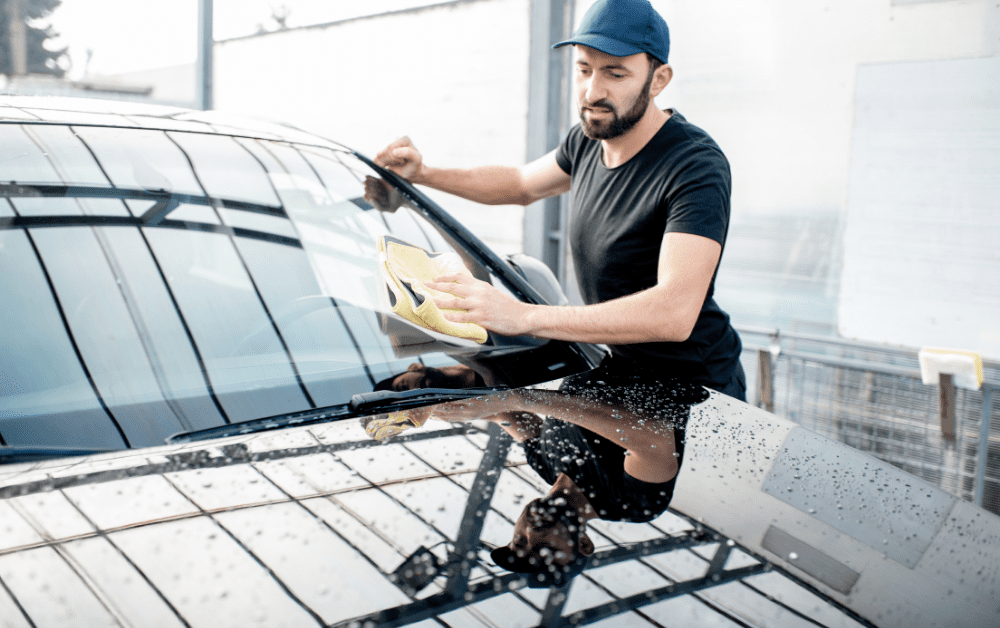
Insurance-approved shops often emphasize the use of OEM (Original Equipment Manufacturer) glass for replacements—and for good reason. OEM glass matches the exact specifications of your vehicle’s original windshield, ensuring proper fit, strength, and optical clarity. Some cheaper alternatives might distort visibility or fail to align perfectly with sensors, leading to long-term safety issues. Insurance companies prefer OEM options because they maintain factory-level safety standards.
Quality materials extend beyond the glass itself. The adhesives and installation tools also play a vital role in the windshield’s performance. Certified technicians use urethane adhesives that provide a strong, lasting bond, even under extreme weather conditions. Choosing quality materials backed by insurance coverage ensures your new windshield performs just as reliably as the original. It’s a crucial detail that influences not just aesthetics but also the structural safety of your entire vehicle.
Why Prompt Replacement is Essential for Safety and Insurance Claims
It’s tempting to delay windshield repairs when the crack seems small, but waiting can cause major problems. Tiny chips can expand quickly due to temperature changes or road vibrations, making the glass unsafe. Insurance companies recognize this and often encourage quick action because early repairs are cheaper than full replacements. Acting promptly can even keep your premium lower by preventing multiple claims.
Beyond insurance considerations, safety is the most pressing reason to replace damaged glass right away. A compromised windshield can’t provide full protection in a collision, and airbags rely on it for proper deployment. Even minor cracks can reduce visibility during bright sunlight or night driving. By scheduling immediate replacement, you not only stay within insurance guidelines but also ensure your car remains structurally sound. Quick action safeguards both your finances and your peace of mind on the road.
Navigating Insurance Communication and Paperwork
Dealing with insurance paperwork can feel intimidating, but once you understand the flow, it becomes much easier. Most insurers aim to streamline the process, especially for glass claims, which are among the most common. You’ll typically need to provide your vehicle information, policy number, and photos of the damage. Once verified, your insurance company either sends payment directly to the repair shop or reimburses you after completion.
Good communication ensures smooth coordination between you, the insurer, and the technician. If the repair shop is a preferred partner, they often manage the claim submission and payment directly, eliminating your paperwork. It’s wise to keep copies of all forms and receipts in case of future issues. A transparent and well-documented communication trail guarantees your claim stays on track and minimizes misunderstandings between all parties involved in your windshield replacement journey.
Ensuring Long-Term Results After Windshield Replacement
After your windshield is replaced, it’s important to follow care recommendations to maintain long-term performance. Technicians usually advise waiting a few hours before driving to allow the adhesive to cure fully. Avoid slamming doors or washing your car for at least 24 hours, as vibrations or pressure changes can weaken the new seal. These small precautions make a big difference in the durability of your replacement.
Over time, proper maintenance—like keeping wiper blades clean and avoiding harsh chemicals—helps preserve clarity and prevent scratches. Regular inspections also ensure no leaks or loosening occur after installation. Combining professional installation with smart care habits ensures your windshield stays secure and clear for years. A replacement isn’t just a repair—it’s an investment in your vehicle’s safety, functionality, and your own driving comfort every time you hit the road.
Conclusion
Replacing a windshield through insurance doesn’t have to be stressful or confusing. With the right understanding of your policy, quick claim filing, and the help of certified auto glass specialists, you can have your vehicle restored safely and efficiently. Each step—from initial assessment to final installation—contributes to keeping your car roadworthy and your vision clear. For trusted, professional service in Marana, contact Vista Glass Marana. Their skilled technicians handle both the technical and insurance aspects seamlessly. You can reach them at 520-999-2659 or by email at CSR@vistaglass.com for reliable, hassle-free windshield replacement backed by experience and precision.