
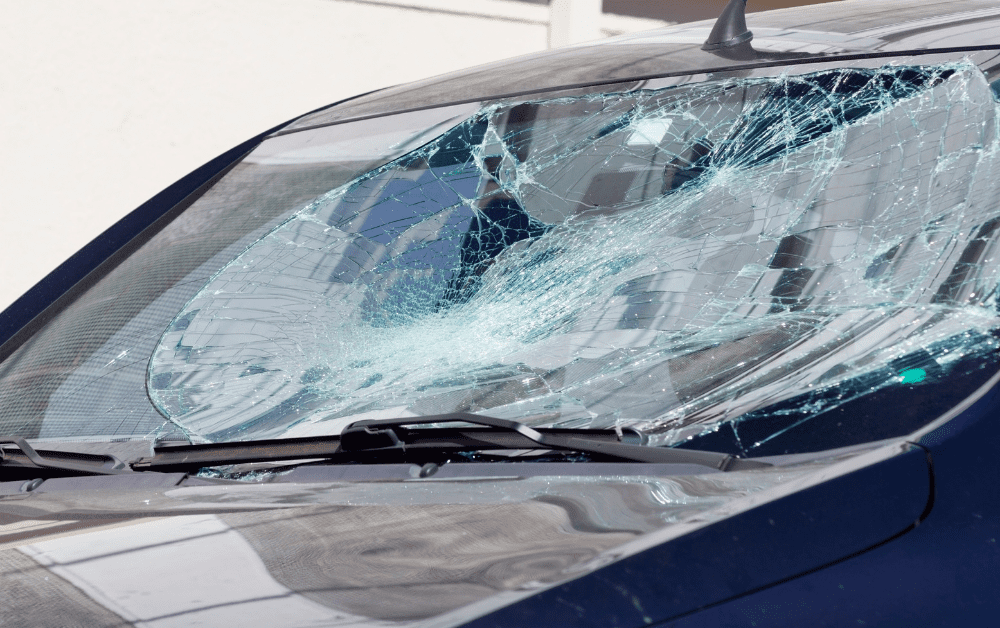
A cracked windshield can turn a smooth morning drive into a stressful dilemma. Many drivers, upon spotting that thin fracture across the glass, face a critical choice—attempt a do-it-yourself fix or seek help from a professional repair service. Both routes offer their own advantages, yet they differ in cost, skill requirement, and long-term effectiveness. Understanding these differences can help vehicle owners make an informed decision that prioritizes safety without overspending. What might start as a small chip can quickly spider across your field of vision if ignored, compromising visibility and structural integrity. Knowing when to act, and how, can save you from a full windshield replacement later. This guide dives deep into the pros, cons, and practical steps of both methods, helping you determine which option fits your situation best.
Understanding the Severity of a Windshield Crack
Not every windshield crack is created equal. A tiny surface chip might seem harmless, but even the smallest blemish can escalate into a web of damage if left unattended. The severity depends on location, depth, and pattern. For example, cracks that reach the glass edge are more likely to spread, while those directly in your line of sight can distort vision.
The first step before deciding on DIY or professional repair is identifying the crack type. Bullseye chips, star breaks, and combination cracks each respond differently to repair attempts. If a crack penetrates both layers of the glass, it’s generally unsafe to repair. Drivers who try patching deep fractures themselves may find the crack reappearing after temperature changes. Understanding these distinctions helps avoid costly mistakes and ensures safety remains uncompromised during every drive.
The Science Behind Windshield Repair Kits
DIY windshield repair kits might appear straightforward, but their effectiveness depends heavily on how the resin interacts with the microscopic structure of the glass. These kits typically contain a clear liquid polymer that penetrates the crack and solidifies when exposed to ultraviolet light. The resin’s goal is to restore both optical clarity and structural strength. Yet, the science is complex—if the resin doesn’t flow deeply enough or fails to bond at the right angle, the crack may remain visible or continue to expand. Even air particles invisible to the naked eye can prevent the polymer from forming a consistent seal, leaving weak spots vulnerable to vibration or temperature changes.
Professional resins, by contrast, are engineered with higher-grade polymers and use vacuum-sealing equipment to extract trapped air. This results in a smoother, longer-lasting repair. DIY kits, while practical for small chips, often lack the tools to replicate that level of precision. The difference may not be visible immediately, but over time, inferior resin can discolor, crack again, or distort light. Understanding this scientific nuance helps car owners realize that the success of a repair lies not just in the material, but in the controlled environment and skill behind its application.
Why DIY Windshield Repair Appeals to Drivers
The appeal of DIY windshield repair is understandable—it’s cost-effective, convenient, and gives a sense of accomplishment. Many car owners view it as a quick weekend project rather than a technical repair. With so many tutorials and repair kits available online, fixing a chip can feel as easy as following a recipe. The simplicity of the instructions and the low price of the materials make it an attractive option for drivers looking to save both time and money. The notion of avoiding an expensive trip to a glass shop only adds to its popularity, especially for minor chips that appear harmless.
However, the DIY approach carries a hidden unpredictability. Environmental factors such as humidity, heat, and sunlight can affect how well the resin bonds to the glass. What looks like a perfect repair under indoor lighting might later reveal streaks, bubbles, or faint lines once the car is exposed to outdoor conditions. Without professional inspection tools, it’s difficult to gauge whether the crack has fully sealed. Over time, these imperfections can grow into larger fractures. While DIY kits offer convenience, they rarely match the durability and long-term clarity provided by professional repairs that use advanced materials and precise curing methods.
Professional Repair and What Makes It Different
Professional windshield repair differs from DIY solutions in both process and outcome. Certified technicians rely on specialized equipment that eliminates air pockets and ensures the resin spreads evenly throughout the damaged area. High-powered curing lamps harden the resin with controlled intensity, producing a durable bond that restores the glass’s integrity. Professionals also assess the damage with precision tools, determining whether the windshield can safely be repaired or if replacement is required. This level of accuracy prevents further cracking, ensuring the vehicle maintains its original strength and visibility.
Another major advantage of professional repair lies in the quality of materials and workmanship. The resins used by experts are designed for long-term durability and often come with manufacturer warranties. Technicians follow industry standards that guarantee the repair won’t interfere with driver visibility or structural safety. The end result is not just cosmetic; it’s a restoration that meets legal safety requirements and enhances road security. By choosing professional repair, drivers gain peace of mind knowing their windshield can withstand daily stress, extreme weather, and temperature shifts without compromising on clarity or protection.
Common Mistakes When Attempting DIY Repairs
When tackling windshield repair at home, even minor missteps can lead to major consequences. One of the most common mistakes is neglecting to properly clean the damaged area before applying resin. Dirt, dust, or even tiny glass particles can prevent the resin from adhering, creating air gaps that weaken the seal. Many drivers also misjudge how much pressure to apply during the repair, either forcing too much resin—which causes distortion—or applying too little, leaving the crack partially filled. These errors can cause the damage to spread under vibration or temperature changes, resulting in a bigger and more costly repair down the line.
Environmental conditions add another layer of complexity. Performing a repair in direct sunlight or freezing weather alters the resin’s viscosity, leading to uneven curing and poor results. Once cured incorrectly, the resin hardens permanently, making future professional repair nearly impossible without replacing the entire windshield. Drivers often underestimate how delicate the process is, assuming that following instructions guarantees success. Unfortunately, without the precision of professional-grade equipment, even small inconsistencies can compromise the repair’s longevity. The end result is usually frustration—and the realization that saving money upfront can quickly turn into a more expensive problem later.
When a Full Replacement Becomes Necessary
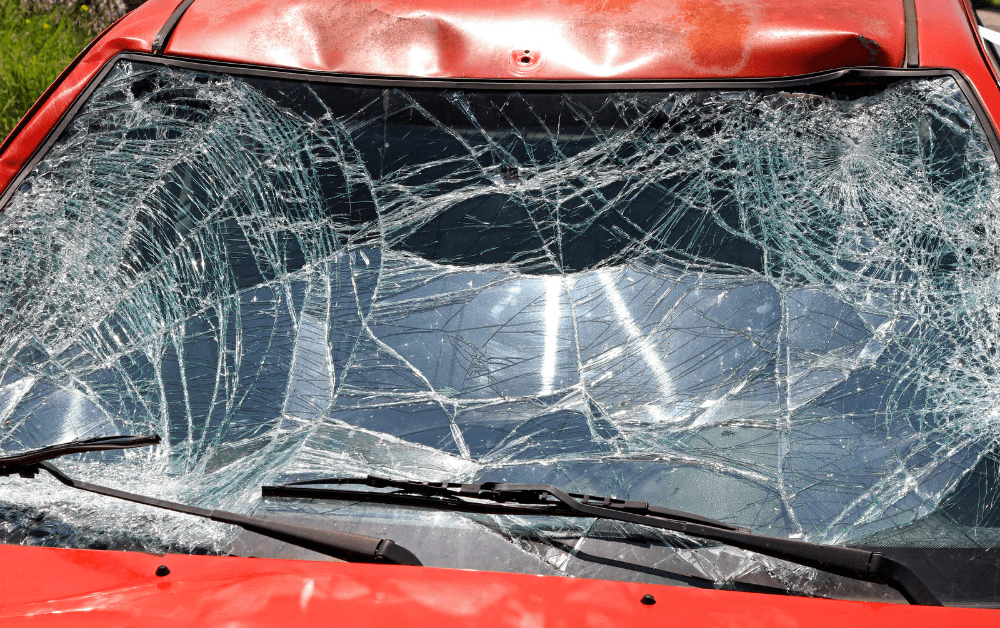
Sometimes, repairing simply isn’t enough. If a crack extends beyond six inches, reaches the edges, or obstructs the driver’s line of sight, replacement is the only safe choice. The windshield serves as a structural component in your vehicle’s cabin—its integrity affects airbag deployment and roof strength.
Professional technicians can assess whether a replacement is unavoidable. Modern vehicles equipped with sensors or ADAS (Advanced Driver Assistance Systems) require recalibration after glass replacement to maintain proper function. DIY attempts to ignore or delay replacement can compromise safety systems. Recognizing when repair isn’t an option saves time, money, and potential accidents down the road. Safety should always outweigh convenience or cost-saving motivations.
Cost Comparison Between DIY and Professional Services
DIY kits are undeniably cheaper, often ranging from $15 to $40. Meanwhile, professional windshield repair averages between $80 and $150, depending on damage size and vehicle model. However, cost-effectiveness isn’t always about the lowest upfront price.
DIY repairs can be hit-or-miss, leading to recurring issues that may require eventual replacement costing hundreds. Professional repairs, though slightly higher in price, ensure the job is done correctly the first time. They also often include warranties that protect customers from future defects. When factoring in long-term reliability, the professional option tends to save more money in the end. It’s a classic case of “you get what you pay for,” and when safety is on the line, cutting corners can cost more than it saves.
Environmental and Safety Considerations
Repairing a windshield instead of replacing it reduces glass waste, making it a more sustainable choice when possible. Auto glass is difficult to recycle due to its layered design, so repair helps minimize landfill accumulation. DIY kits contribute positively here if used properly, though failed repairs often lead to wasteful replacements.
Safety remains paramount. Cracked glass weakens under pressure and may shatter unexpectedly in collisions. Professionals restore both clarity and strength, ensuring airbags deploy correctly and the cabin structure remains intact. Choosing between DIY and professional services isn’t just about convenience—it’s about balancing environmental responsibility with human safety. Making the right call protects both your vehicle and the world it drives through.
Tips for Preventing Future Windshield Cracks
The best repair is prevention. Parking in shaded areas reduces temperature stress on the glass, while maintaining proper tire pressure and suspension alignment minimizes vibrations that can worsen cracks. Avoid slamming doors, as the resulting shockwaves can deepen existing fractures.
Keeping your windshield clean with ammonia-free cleaners prevents debris buildup, which often disguises early cracks. Installing protective films or using windshield covers in extreme weather adds another layer of defense. Regular inspections during oil changes or detailing sessions can also catch small chips before they expand. By taking proactive steps, you extend the life of your windshield and minimize repair costs down the road.
Conclusion
Whether you lean toward a do-it-yourself repair or trust the hands of a skilled technician, the key lies in understanding the risks and benefits of each path. DIY kits may work for minor chips, but when cracks grow or visibility becomes impaired, professional help is non-negotiable. Precision tools, trained expertise, and high-quality materials ensure both safety and clarity on the road.For those seeking expert assistance in Marana, Vista Glass Marana offers reliable windshield repair and replacement services designed to restore your vehicle’s integrity. Their professional technicians can assess damage and provide efficient, long-lasting solutions tailored to your needs. To schedule a consultation or request emergency service, contact Vista Glass Marana at 520-999-2659 or email CSR@vistaglass.com. Drive safe, see clearly, and trust that every repair contributes to a smoother, safer journey.