
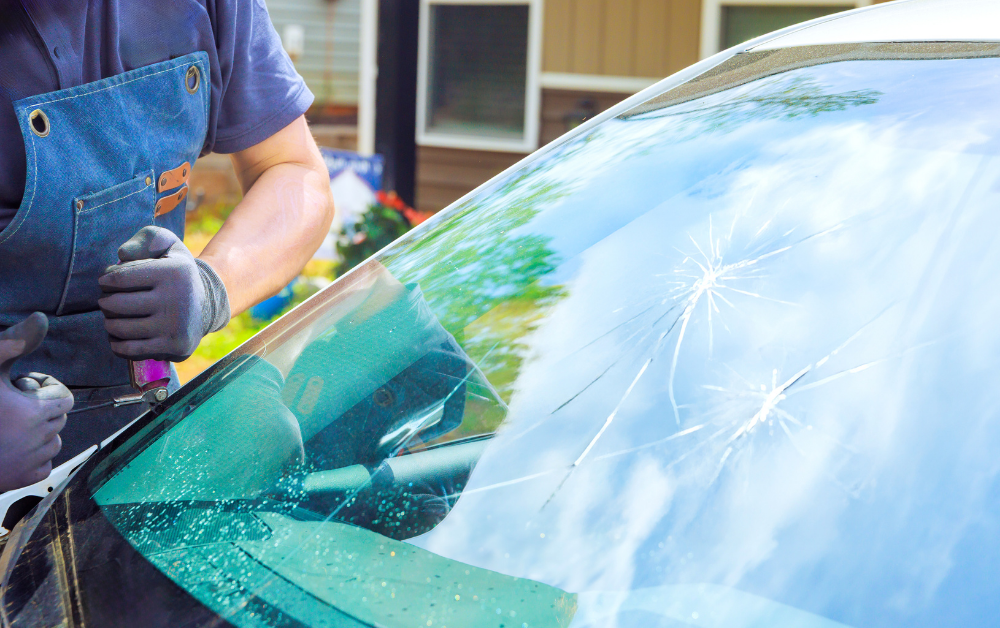
Windshields serve as a silent guardian against the elements, shielding drivers from wind, debris, and sudden impacts on the road. Yet even the smallest chip can grow into a spreading crack, threatening both safety and visibility. Understanding the different methods used to repair windshield chips is crucial—not just for prolonging the life of your vehicle’s glass, but also for saving you time and money. The process is far more sophisticated than it once was, involving various techniques tailored to chip size, depth, and location. From resin injections to high-tech vacuum sealing, each method offers a distinct way to restore clarity and strength to damaged glass. For drivers seeking the right solution, it’s important to know which technique works best for specific situations. This guide explores the range of windshield chip repair methods, their advantages, and how professionals ensure precision and long-lasting results.
Resin Injection Windshield Repair Method
Among the most commonly used techniques for fixing small chips and cracks, resin injection has become a go-to solution for many auto glass professionals. The process begins by cleaning the affected area to remove dirt and moisture that could interfere with adhesion. A special resin—formulated to mimic the optical qualities of glass—is then carefully injected into the chip using precise pressure. Once the resin fills the void, it’s cured with ultraviolet light, hardening into a crystal-clear bond that restores both strength and visibility.
This technique is favored for its efficiency and cost-effectiveness. It prevents cracks from spreading, helping avoid full windshield replacement. However, the success of resin injection depends on timing and technique. Chips left untreated for too long may collect debris, making it harder for resin to penetrate completely. Professional repair technicians understand these nuances and apply just the right amount of pressure and heat to ensure seamless results, blending the repair almost invisibly into the glass surface.
Vacuum Seal Windshield Chip Restoration
A more advanced method of repairing windshield chips involves using a vacuum sealing system to extract air and contaminants before resin application. This approach enhances the integrity of the repair by eliminating bubbles that might weaken the bond. Once the air is removed, a specially formulated resin is introduced under controlled pressure, filling every microscopic cavity within the chip. The vacuum method is particularly effective for star-shaped or combination cracks that branch out in multiple directions.
Technicians often favor this process because it ensures deeper penetration and stronger adhesion. The vacuum system maintains stability throughout the curing stage, preventing uneven hardening and preserving optical clarity. Drivers who prioritize a pristine appearance and long-term durability find this method ideal. It’s a slightly longer procedure than standard resin injection, but the results often justify the extra care. By reinforcing the structural integrity of the windshield, the vacuum seal method extends its lifespan and safeguards against future damage from road vibrations or temperature shifts.
UV Curing for Enhanced Glass Strength
Curing resin with ultraviolet light is not simply a final step—it’s an essential part of achieving a durable and transparent repair. After resin has been injected into the chip, technicians use UV lamps or portable curing tools to harden the material. This process causes a chemical reaction within the resin, transforming it from a liquid to a solid that bonds tightly with the surrounding glass. The UV curing technique ensures that the resin achieves maximum hardness while maintaining visual clarity.
Modern UV equipment allows for controlled exposure times, preventing over-curing that could cause brittleness or uneven surfaces. As a result, the finished repair blends smoothly with the windshield, maintaining its original optical properties. This process also enhances resistance to temperature fluctuations, making the glass less likely to crack again under stress. Whether repairing a small pit or a slightly larger fracture, UV curing remains the key to achieving a flawless, long-lasting finish that withstands time and travel.
Chip Patching and Surface Polishing
For minor chips that do not penetrate deeply, patching and polishing methods can be remarkably effective. The process begins by applying a clear adhesive patch over the affected area, creating a temporary seal that prevents contamination while the repair material sets. Once the resin or filler has cured, the technician polishes the surface using specialized tools that restore smoothness and shine. This step removes any slight ridges or distortions caused during the filling process, making the repair nearly invisible to the naked eye.
While it’s often considered a simpler form of repair, chip patching requires careful attention to detail. Improper polishing can leave dull spots or distortions that affect driver visibility. A skilled technician uses gradual polishing techniques, ensuring a uniform surface that matches the surrounding glass. This approach is ideal for drivers who value both function and aesthetics, preserving the sleek look of their windshield while maintaining a safe, undistorted field of vision.
Thermal Expansion Chip Repair Process
In certain cases, temperature-controlled techniques play a significant role in achieving effective repairs. The thermal expansion method uses gentle heat to widen the microscopic fractures within the chip, allowing resin to flow more freely into every crevice. Once the resin is applied, the area is cooled gradually, causing the glass to contract and seal tightly around the hardened resin. This method provides an exceptionally secure bond, reducing the risk of the chip reopening under future stress.
Because temperature directly affects glass density, the process requires experienced technicians who understand how to balance heat and timing. Too much heat can damage the glass, while too little may prevent full resin penetration. The result, when executed correctly, is a repair that restores not only the windshield’s strength but also its ability to handle future temperature fluctuations. Thermal expansion repair represents the perfect blend of science and craftsmanship in modern auto glass restoration.
Pressure Injection for Complex Cracks
Larger or more intricate cracks often require pressure injection methods designed to ensure complete resin coverage. This process utilizes a mechanical injector that delivers resin under precisely controlled pressure, forcing it into every branching fissure within the damaged glass. It’s especially useful for cracks that radiate outward from an impact point, such as those caused by small rocks or sudden temperature changes.
The challenge lies in maintaining the right pressure balance throughout the procedure. Too little pressure can leave air pockets that compromise the repair, while excessive force can spread the crack further. Skilled technicians monitor the process closely, adjusting the pressure in real time to achieve even distribution. Once cured, the resin restores the windshield’s integrity and prevents additional cracking. Pressure injection is a preferred choice for complex repairs that require both technical precision and expert control, ensuring long-term durability and optical consistency across the glass surface.
Multi-Stage Chip Repair for Deep Fractures
When chips extend deeper into the windshield layers, a multi-stage repair process becomes necessary. This method involves several steps of cleaning, resin injection, curing, and polishing, each stage addressing a different depth or direction of the damage. Technicians begin by stabilizing the chip to prevent spreading, then progressively fill and cure each layer until the repair reaches the surface. The result is a fully reinforced structure that preserves both clarity and strength.
Deep fractures pose unique challenges, often requiring customized resins with specific viscosities. These materials are designed to penetrate more effectively while maintaining optical quality. The final polishing step restores the glass’s transparency, leaving no visible sign of prior damage. Multi-stage repairs take more time and expertise, but they are a cost-effective alternative to full windshield replacement. For drivers who want thorough, lasting protection, this approach ensures that even significant cracks are stabilized and seamlessly blended with the rest of the glass.
Spot Resin Method for Targeted Repairs
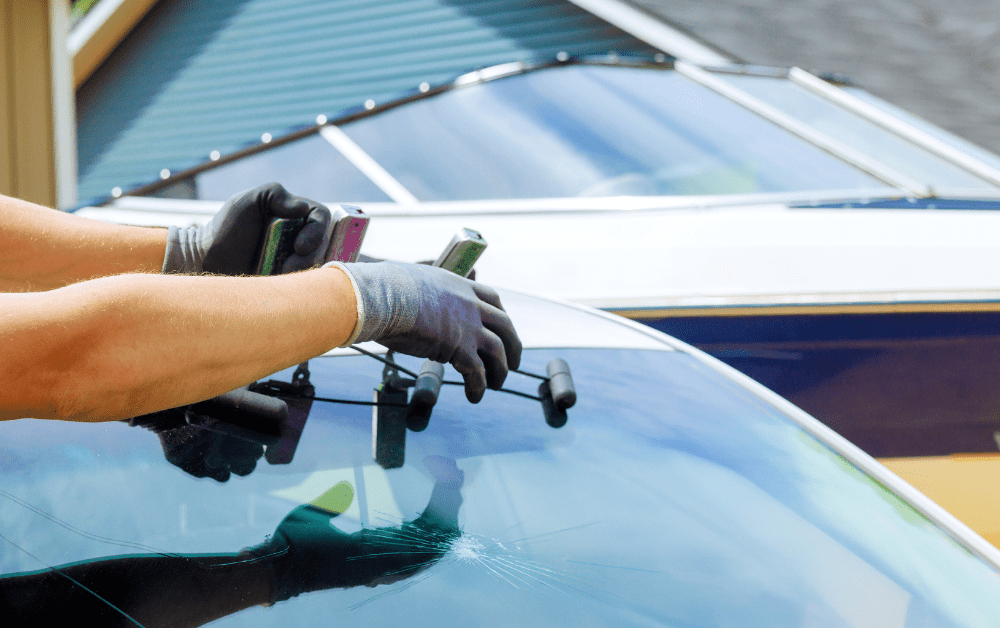
The spot resin method focuses on localized damage, making it ideal for small chips or pitting caused by high-speed debris. Technicians isolate the damaged section and use a compact injector to deliver a small but precise amount of resin directly into the chip. This targeted approach reduces waste and speeds up curing time. Because the area being treated is small, the process often takes less than half an hour, offering convenience for drivers with busy schedules.
Despite its simplicity, the spot resin technique delivers strong results when executed with precision. It prevents minor chips from expanding into full cracks and helps maintain the windshield’s optical uniformity. The repaired area blends almost invisibly, preserving the vehicle’s clean, well-maintained appearance. This method demonstrates how even quick repairs can provide lasting protection when performed with care. It’s a practical solution for everyday wear and tear, ensuring that small damages don’t evolve into major problems.
Mobile Windshield Chip Repair Services
Convenience plays a major role in today’s repair industry, and mobile chip repair services bring expert care directly to the customer’s location. Instead of driving to a shop, drivers can schedule on-site repairs at home, work, or even roadside. Technicians arrive equipped with portable tools, UV lamps, and precision injectors, capable of performing the same quality of repair as in a traditional service center. This accessibility has made mobile repair increasingly popular among those with tight schedules or safety concerns.
The process remains consistent, with technicians evaluating the damage, preparing the area, and applying resin using the appropriate method. The primary advantage lies in speed and flexibility—many repairs can be completed within an hour, allowing drivers to resume their day without interruption. For anyone dealing with unexpected windshield damage, mobile service provides an efficient, professional solution that prioritizes both safety and convenience without compromising craftsmanship or quality.
Preventive Maintenance and Chip Protection
While knowing how to repair a chip is valuable, preventing damage in the first place is even better. Preventive maintenance involves regular inspections, cleaning, and protective measures that help reduce the likelihood of chips and cracks forming. Applying hydrophobic coatings, for example, makes it harder for debris and moisture to stick to the glass. Similarly, maintaining a safe distance from other vehicles on the highway minimizes exposure to flying gravel or stones.
Drivers can also invest in specialized windshield films designed to absorb impact energy, offering an added layer of defense against minor chips. These films are transparent and do not affect visibility, making them an easy upgrade for added protection. Routine maintenance not only preserves the windshield’s strength but also reduces the long-term costs of repair or replacement. Being proactive about glass care helps ensure that every journey remains safe, clear, and free from the worries of unexpected damage.
Professional vs DIY Windshield Repair Kits
Do-it-yourself windshield repair kits are widely available, but their effectiveness often depends on the type and extent of the damage. These kits typically include a syringe or applicator for injecting resin and a curing strip for sealing. While they can be convenient for minor chips, they lack the precision tools and resins used by professional technicians. A DIY repair may appear satisfactory at first glance, but microscopic gaps or uneven curing can leave the glass vulnerable to future cracking.
Professional services, on the other hand, rely on industry-grade materials, advanced injection systems, and thorough inspection protocols. Technicians can assess factors such as temperature, chip type, and resin compatibility to ensure a flawless finish. Choosing professional repair offers peace of mind that the job is done correctly and safely. While DIY kits can serve as temporary fixes, professional attention remains the gold standard for preserving a windshield’s integrity and long-term durability.
Conclusion
Every windshield chip tells a story—one that starts with impact but doesn’t have to end in replacement. From resin injection to vacuum sealing, UV curing, and multi-stage restoration, the range of available repair methods ensures there’s a precise solution for every type of damage. Each approach balances science and craftsmanship, blending innovation with skill to preserve both the look and safety of your vehicle. Timely attention and professional care can prevent further damage, extend windshield life, and restore confidence behind the wheel.
For expert windshield chip repair and glass restoration services in Marana, contact Vista Glass Marana. Their experienced technicians deliver precision and reliability in every repair, ensuring crystal-clear visibility and long-term strength. Reach out today at 520-999-2659 or email CSR@vistaglass.com to schedule an appointment. Protect your view of the road with trusted service from a local professional team dedicated to quality, safety, and customer satisfaction.