
A small chip in your windshield might look harmless, but left unattended, it can spiral into a costly crack that compromises both safety and visibility. After having a chip repaired, the job isn’t done yet — your next moves are what truly determine the longevity of that repair. Preventing further damage means knowing how to care for the glass properly, how to protect it from pressure and temperature extremes, and when to seek follow-up attention if you notice subtle changes. This isn’t just about maintaining appearances; it’s about preserving structural integrity and ensuring you drive with peace of mind. Understanding these preventive steps helps extend the life of your windshield and keeps you from facing another repair sooner than expected. Let’s explore what you can do to keep your newly repaired windshield in excellent shape long after the service is complete.
Handle Your Windshield Gently After Repair
Right after a chip repair, your windshield needs time to settle. The resin used to fill the chip is durable, but not invincible, especially within the first few hours. Avoid pressing or leaning against the glass — even mild pressure can disrupt the bonding process. Think of it like fresh paint; it looks dry before it’s fully cured. Driving over rough roads or slamming doors can also create vibrations that loosen the cured resin’s hold.
When parking, choose smooth, shaded areas where the glass won’t endure unnecessary tension. Even wind from open car windows can create uneven pressure that encourages cracks. Patience during this short period pays off long-term. Treat your windshield as fragile for at least a day to allow the materials to stabilize. This gentle handling ensures the resin fully adheres, sealing the chip securely and preventing the repaired area from reopening or spreading.
Avoid Extreme Temperature Changes
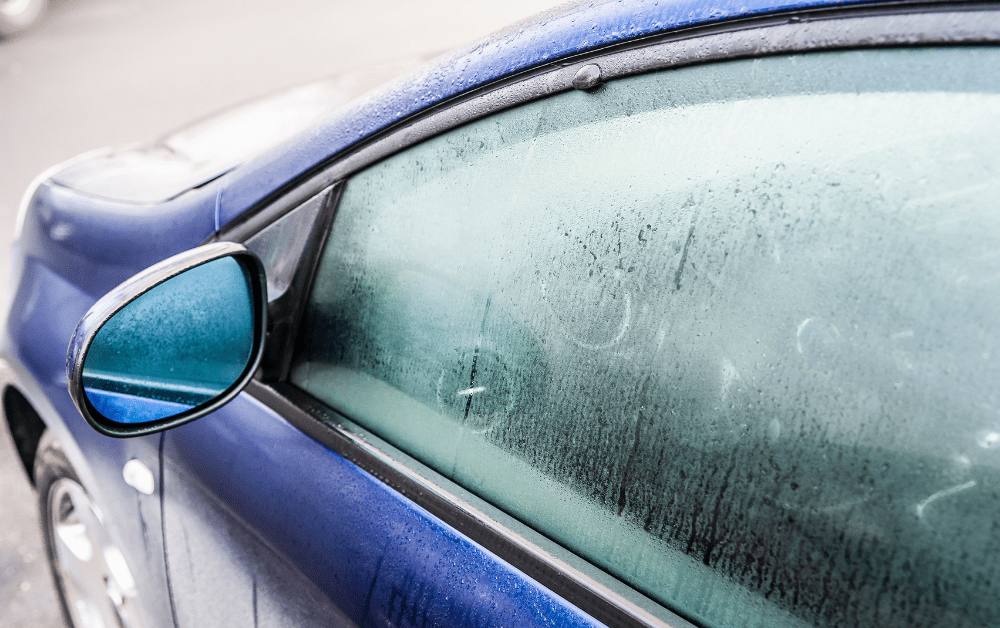
Glass expands and contracts with temperature changes, and newly repaired windshields are especially sensitive. Pouring hot water on a frosty windshield or using the defroster at full blast can shock the glass, potentially undoing the repair. Instead, ease into temperature changes gradually. Warm your car slowly in winter and avoid parking under direct sunlight on extremely hot days.
If you must park outdoors, consider using a windshield shade or cover. These simple precautions reduce the risk of uneven heating that can stress the glass. A repaired chip can become fragile under thermal stress, causing small cracks to branch out from the repair site. Keeping temperatures stable allows the resin to remain balanced with the surrounding glass. The result? A windshield that stays strong, transparent, and free from expanding damage even when the weather can’t make up its mind.
Keep Your Windshield Clean the Right Way
Cleaning your windshield after repair seems straightforward, but using the wrong methods can do more harm than good. Avoid ammonia-based cleaners and rough cloths, which can weaken the resin or scratch the repaired area. Stick with gentle glass cleaners and microfiber towels instead. For the first 24 hours, it’s best to skip washing altogether to give the resin time to fully cure.
Once the curing period has passed, regular cleaning helps maintain visibility and prevents dirt from hiding small imperfections that may develop. Dirt and debris can sneak into tiny gaps if the repair wasn’t sealed perfectly, so keeping the surface clean minimizes that risk. A well-maintained windshield doesn’t just look better; it ensures that the repaired area remains smooth and strong. Clean with care, and you’ll protect your investment while preserving the integrity of your repair.
Steer Clear of Car Washes for a Few Days
While it might be tempting to head straight to the car wash after your windshield repair, resist that urge. The high-pressure water jets, spinning brushes, and rapid temperature changes can all put stress on freshly repaired glass. Automatic car washes, in particular, use air blowers that can disturb the resin before it’s completely bonded.
Instead, wait at least 48 hours before exposing the glass to such intense conditions. If you need to clean your vehicle in the meantime, use a soft cloth and gentle hand wash technique. This approach helps avoid reopening the repair or loosening the seal. Once the resin has fully cured, you can return to your normal car wash routine without worry. Giving your windshield this brief recovery time ensures the repair lasts, saving you from the frustration of having to fix the same spot twice.
Watch for Subtle Signs of Spreading Damage
Even after professional repair, it’s wise to keep an eye on the repaired area. Small chips can occasionally evolve if environmental or structural stress continues. Look for tiny lines forming around the repair site, or a slight haze in the glass that wasn’t there before. These subtle signs can indicate that the repair isn’t holding as firmly as it should.
If you notice any of these changes, don’t wait. Schedule a quick inspection with your glass repair specialist. Acting early can stop the issue before it worsens. Many people ignore these minor shifts, thinking they’re harmless, only to find the damage spreading weeks later. Being proactive protects both your safety and your wallet. Keeping track of your windshield’s condition after repair ensures that small issues never become major ones.
Drive Mindfully on Uneven Roads
Road vibrations can easily test the strength of a recent windshield repair. Rough terrain, potholes, or sudden braking sends micro-shocks through your car’s frame — and those ripples reach the glass. After repair, try to avoid unpaved or bumpy routes for a few days. If unavoidable, drive slowly and maintain a gentle grip on the wheel to minimize jolts.
Even long after the resin has cured, consistently rough driving can wear down the edges of a repair over time. Treating your windshield with a little respect while driving goes a long way toward preserving it. Think of your glass as part of your car’s safety system, not just a window. A smooth, cautious approach to uneven roads helps prevent the repaired chip from spreading and keeps your windshield in stable, road-ready condition.
Be Selective About Parking Spots
Where you park matters more than most drivers realize. A car parked under heavy tree cover might seem safe, but falling branches, acorns, or even sap can damage the glass surface. Likewise, parking in direct sunlight for hours causes temperature fluctuations that can weaken a recent repair. Whenever possible, choose shaded or covered areas with stable surroundings.
Avoid areas where flying debris is common, such as near construction zones or sports fields. The goal is to protect your windshield from unnecessary external impact. Even a small pebble tossed by the wind can stress a repaired chip. Parking with intention not only preserves the repair but also prevents new damage from starting. Making thoughtful choices about where your vehicle rests each day is a simple yet powerful form of windshield care.
Limit Door Slamming and Cabin Pressure Changes
It might sound strange, but the way you close your car doors affects your windshield. Each slam creates a burst of cabin pressure that reverberates through the glass. After a chip repair, that sudden force can disrupt the resin bond. Try closing doors gently for a few days, and crack a window slightly if you need to prevent pressure buildup.
This small adjustment helps maintain the stability of the repaired area and supports the longevity of the fix. Over time, consistent gentle handling reduces stress on your windshield’s structure. Even something as ordinary as shutting the trunk can transmit shockwaves through the glass. Being mindful of this subtle detail ensures that your repair remains intact, especially when the glass is still settling. Gentle handling always pays off in durability.
Schedule Routine Inspections and Maintenance
Your windshield is more than just a viewing panel — it’s a structural safety component of your vehicle. After a chip repair, routine inspections help guarantee its continued integrity. Schedule professional evaluations at least twice a year to ensure there are no signs of new stress or weak bonding. Technicians can detect issues invisible to the naked eye, such as small air pockets or edge cracks.
Incorporating inspections into your car maintenance schedule also helps identify early warning signs from road wear, temperature cycles, and vibration exposure. You don’t have to wait for visible damage to take action. Regular attention prevents small problems from escalating, ensuring your windshield remains clear, safe, and resilient over time. Preventive care is always more affordable than emergency repair, and it gives you lasting peace of mind on every drive.
Understand the Role of Professional Repair
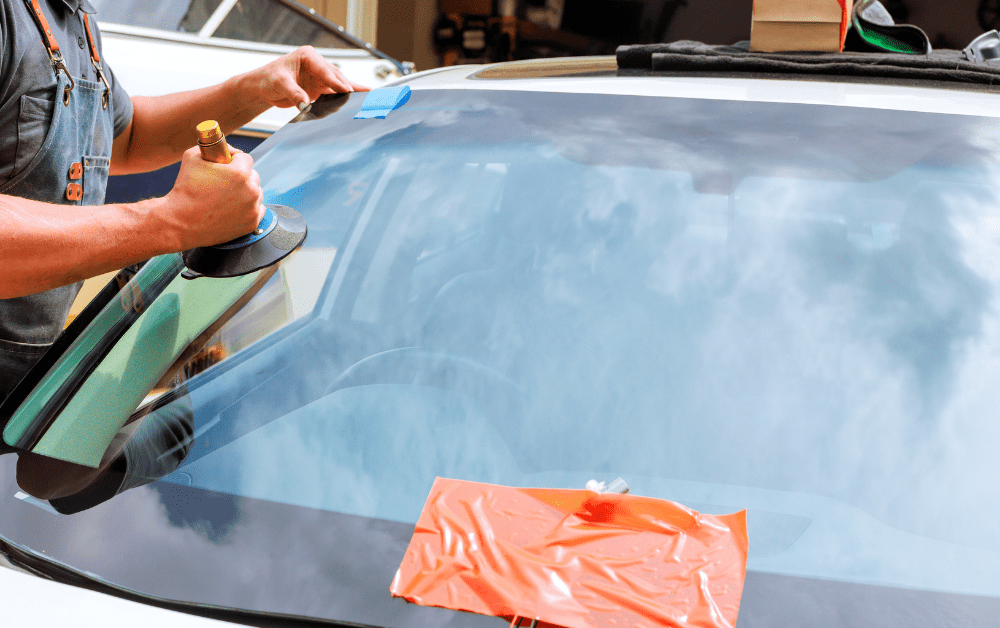
It’s easy to underestimate how much technique and precision go into a successful windshield repair. Not all repairs are equal — quality materials and expert skill make all the difference. Professional technicians understand how to match resin viscosity to chip depth, ensuring the seal is both strong and flexible. Their experience also ensures the repair blends seamlessly, maintaining optical clarity.
Attempting DIY fixes often leads to incomplete sealing or uneven curing, leaving your windshield vulnerable to further cracking. Investing in professional service pays off through long-term durability and aesthetic quality. When your windshield is repaired correctly from the start, preventing future damage becomes much easier. Choosing experienced specialists ensures that what begins as a minor chip doesn’t become a recurring problem on your daily commute.
Protect Your Investment with Smart Care Habits
After repair, your windshield needs consistent care — but not constant worry. Simple daily habits like parking thoughtfully, handling doors gently, and cleaning with care extend the repair’s lifespan significantly. Avoiding sudden temperature shifts and routine harsh conditions reduces strain, while scheduled inspections keep things in check. These mindful actions collectively protect the investment you made in repairing your glass.
Remember that your windshield plays a major role in your car’s safety system, especially during collisions. Treating it with respect means safeguarding yourself and your passengers. A small effort today prevents costly replacements tomorrow. Taking a moment to care for your windshield ensures it continues to protect you for years to come.
Conclusion
A successful windshield chip repair doesn’t end when you drive away from the shop — it begins there. By handling your glass gently, avoiding stress factors, and maintaining regular inspections, you can prevent future cracks and maintain the integrity of your vehicle’s structure. Small habits make a lasting difference, and your windshield’s durability depends on how well you follow through after the repair. For expert glass services and trusted care, contact Vista Glass Marana in Marana at 520-999-2659 or email CSR@vistaglass.com for professional assistance that keeps your windshield safe, clear, and strong.