
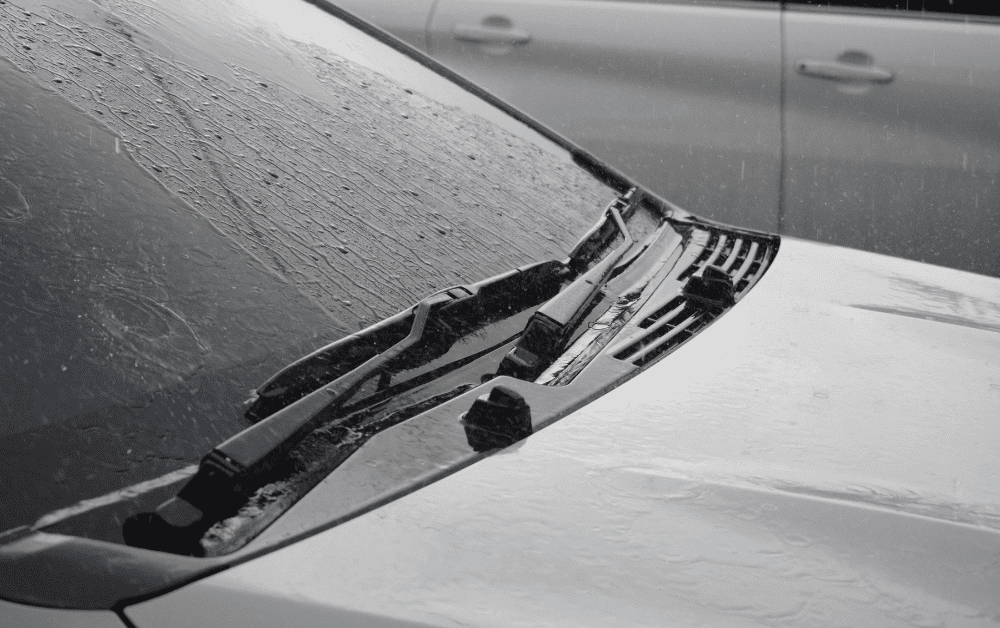
A cracked windshield might look harmless at first, just a thin line across the glass that you plan to fix someday. But that small flaw can quickly become a serious safety risk. Your windshield isn’t just a window—it’s a crucial part of your car’s structural strength, protecting you during collisions and supporting the airbag system. Ignoring a crack can allow it to spread under pressure, temperature shifts, or vibration, turning a simple fix into an expensive replacement. Dust, moisture, and dirt can also seep in, weakening the glass from within. Beyond safety, a damaged windshield can obscure your view, attracting unwanted attention from law enforcement. Acting quickly to repair or replace a cracked windshield doesn’t just save money; it ensures your safety on the road. Addressing the problem early keeps your vehicle secure, stable, and roadworthy no matter where you drive.
The Hidden Dangers Behind a Cracked Windshield
A cracked windshield often starts as a small blemish—a pebble’s strike or a sudden temperature shift—but beneath that surface imperfection lies a network of potential hazards. The glass may seem stable at first glance, yet every bump, gust of wind, or sharp turn applies pressure that widens the fracture. Once a crack begins to spread, your windshield’s ability to protect you from road debris or structural collapse weakens dramatically. In the event of a collision, that small crack can compromise the integrity of the glass, preventing it from supporting the roof or containing airbags properly.
Beyond the physical risks, visibility becomes another concern. Tiny fractures refract sunlight and headlights, creating distracting glare that can obscure your vision. It’s easy to underestimate the impact, but ignoring these changes invites danger with every mile driven. Acting promptly on windshield damage safeguards your car’s strength and ensures clear, reliable visibility on the road.
How a Small Crack Becomes a Big Problem
It begins innocently enough—a faint line stretching across the glass after a pebble hits the windshield. Left unattended, though, that line can quickly turn into a web of fractures. Windshield glass is layered and bonded with specialized materials to withstand pressure, but once the surface is compromised, it loses its balance. Heat, cold, and even the car’s vibrations can cause the crack to expand like ripples in water.
Once the crack spreads beyond a few inches, repair becomes impossible, forcing a complete replacement. Not only does this cost more, but it also takes more time and disrupts your schedule. A small, inexpensive repair done promptly could prevent all of that. It’s not just about appearance—it’s about protection and longevity. Taking immediate action after spotting a crack ensures your windshield continues to perform its role: keeping you and your passengers safe from the unexpected.
Safety Risks You Might Not Expect
When most drivers notice a crack, they see it as an inconvenience, not a safety hazard. But that simple mark can alter how your entire vehicle behaves in an accident. The windshield supports nearly half of your car’s roof structure in a rollover, keeping it from collapsing inward. A damaged windshield may shatter more easily, increasing the risk of ejection or roof crush during a severe impact.
Temperature changes also play a role in worsening cracks. A cool morning followed by a hot afternoon expands and contracts the glass, turning a once-stable chip into a spreading fracture. Moisture seeps inside these openings, freezing at night and further widening the damage. Every environmental factor—from humidity to road vibration—amplifies the weakness. It’s a chain reaction that can be avoided by addressing the issue early, ensuring the integrity of your vehicle remains uncompromised no matter the weather or terrain.
The Financial Cost of Waiting Too Long
Delaying windshield repair might feel like saving money today, but it’s a short-term decision with long-term consequences. A minor repair typically costs a fraction of what a full replacement does, yet when ignored, cracks multiply, turning repair into replacement. Over time, moisture and dirt can also infiltrate the laminated layers, requiring more extensive service to restore clarity and strength.
Insurance may not always cover neglected damage. Many providers require prompt reporting and maintenance; failure to act could mean footing the entire replacement cost yourself. Even more, driving with a compromised windshield can attract fines in some areas, adding unexpected expenses. In short, procrastination turns an affordable fix into a costly problem. Treating cracks promptly not only saves money but also preserves your car’s safety features and overall resale value. Prevention, in this case, is always the most affordable solution.
Why Professional Repair Matters More Than DIY Fixes
In an age of online tutorials and quick fixes, it’s tempting to tackle windshield cracks on your own. But glass repair is a precision craft. The resin materials used in professional repair must be applied under specific conditions to seal properly, restoring both strength and clarity. Home kits often lack the tools to remove trapped air or moisture, which means the repair might look decent but remain structurally weak underneath.
A trained technician can assess whether a crack is repairable or if replacement is necessary. They use advanced tools to inject resin evenly and ensure it bonds seamlessly with the original glass. Professional repair also maintains the warranty on your windshield, which most DIY attempts void immediately. Choosing expert service guarantees that the windshield performs as intended—shielding you from impact, supporting airbag deployment, and maintaining your vehicle’s structural integrity. It’s precision that pays for itself in peace of mind.
How Cracked Windshields Affect Vehicle Inspections
A cracked windshield isn’t just a personal concern—it can become a legal or regulatory problem. During safety inspections, any damage that obstructs a driver’s line of sight or affects structural integrity can lead to automatic failure. Inspectors assess whether the crack could impair vision or spread under stress. Even minor chips located in critical areas may disqualify your vehicle from passing inspection.
This not only delays registration renewal but also adds repair costs and reinspection fees. In many states, vehicles must meet specific safety standards before they can be deemed roadworthy. Ignoring a crack risks failing compliance, wasting both time and money. Addressing windshield damage before inspection ensures smoother approvals and uninterrupted driving. Keeping the glass in pristine condition isn’t about vanity—it’s about ensuring that every part of your vehicle meets safety expectations and remains legally compliant wherever you go.
How Weather Makes Windshield Damage Worse
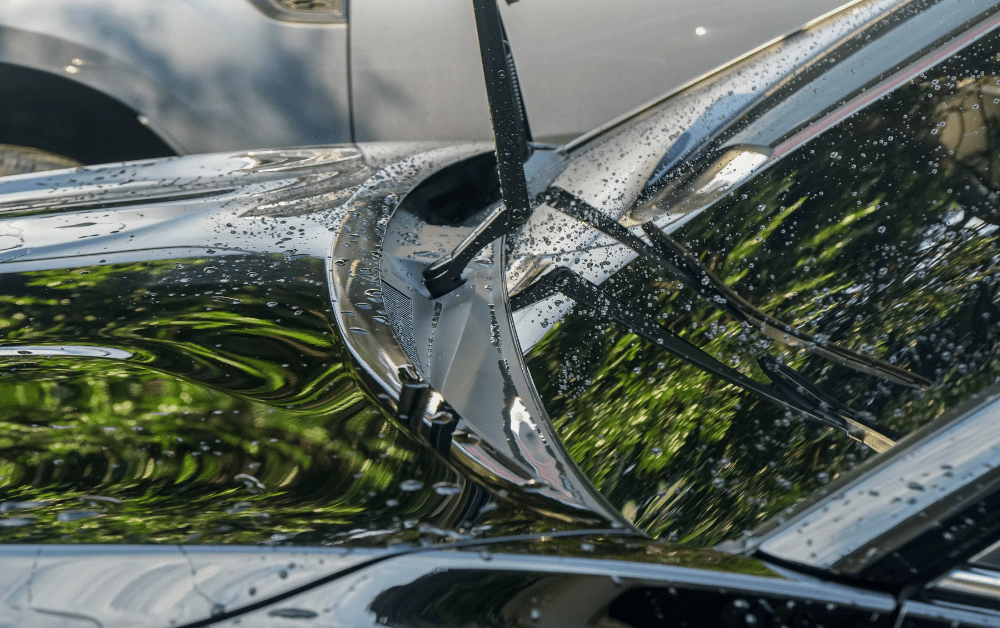
Weather plays a silent but powerful role in the progression of windshield cracks. Cold temperatures make the glass contract, while heat causes expansion. When these fluctuations happen rapidly—like during desert days and cool nights—the tension can cause small cracks to widen. Rainwater seeps into even the thinnest fracture, introducing dirt and minerals that erode the laminated layer inside.
Sunlight intensifies the issue by heating the dark edges of the windshield, creating uneven thermal stress that pulls at the existing crack. Over time, what began as a short fissure evolves into a sprawling line that weakens the entire pane. In regions with high temperature swings, this process accelerates dramatically. Scheduling professional repair immediately after spotting damage prevents environmental stress from doing irreversible harm, keeping your windshield clear, strong, and ready to withstand whatever the weather brings next.
The Role of Windshields in Airbag Deployment
Most drivers don’t realize that their windshield is a key component in airbag deployment. During a collision, airbags burst outward at high speed, using the windshield as a backstop to cushion and redirect force. When the glass is cracked or weakened, it might fail to contain the airbag properly, reducing its effectiveness and increasing injury risk.
This safety mechanism relies on a sturdy bond between the windshield and frame. A compromised surface can separate upon impact, disrupting the precise timing needed for airbag function. The outcome could be catastrophic—what should save you could malfunction in a split second. Maintaining your windshield’s integrity isn’t just about avoiding a ticket or glare; it’s about ensuring that your car’s built-in safety systems work exactly as designed. Professional inspection and timely repair safeguard both the glass and everything that depends on it.
The Environmental and Legal Implications of Neglect
Neglecting a cracked windshield doesn’t just put you at personal risk—it carries broader implications. In some regions, driving with obstructed or damaged glass violates traffic laws, leading to fines or citations. Authorities view compromised windshields as a hazard to both driver and public safety. On the environmental side, premature replacement of windshields adds to glass waste, as most broken units end up in landfills.
Repairing cracks early significantly reduces this impact by extending the lifespan of your existing glass. It’s a small but meaningful contribution to sustainability, keeping waste to a minimum and resources efficiently used. Legal compliance and environmental responsibility go hand in hand when maintaining your vehicle. By acting swiftly, you not only stay safe and within the law but also play your part in preserving the environment for future drivers.
When to Replace Instead of Repair
Not every crack can be repaired, no matter how skilled the technician. The general rule is that cracks longer than a few inches, or those extending to the edge of the windshield, require replacement. Damage that distorts visibility, spreads through multiple layers, or sits directly in the driver’s line of sight is also beyond repair. In these cases, replacement is the only safe choice.
Modern replacements use advanced adhesives and materials to restore your car’s original strength and clarity. While replacement may cost more upfront, it ensures long-term safety and compliance. Choosing professional service means the new windshield is installed with precision alignment, maintaining proper seal and support. Knowing when to repair versus replace is the key to keeping your vehicle safe, your vision clear, and your driving experience uninterrupted.
Conclusion
A cracked windshield is never something to overlook. What starts as a small imperfection can become a dangerous and expensive problem if ignored. It weakens your car’s structure, obstructs visibility, and endangers both passengers and pedestrians. From safety risks to legal concerns, the consequences of neglecting windshield damage are far-reaching. Acting quickly ensures you maintain full protection on the road, prevent costly replacements, and uphold your vehicle’s safety systems. For reliable repair and replacement services, contact Vista Glass Marana in Marana. Their experts provide fast, precise service to restore clarity and safety to your vehicle. Call 520-999-2659 or email CSR@vistaglass.com to schedule your appointment today and keep your drive secure.