
Your windshield does far more than offer a clear view of the road; it’s a vital safety shield that keeps you protected from the elements and unexpected debris. Yet, many drivers underestimate just how vulnerable that pane of glass can be. From loose gravel on highways to sudden temperature changes, everyday hazards can create cracks or chips that compromise both visibility and safety. Understanding how to prevent these damages can help you avoid costly repairs and keep your car looking pristine. By staying proactive with maintenance, practicing careful driving habits, and addressing small issues before they worsen, you can extend your windshield’s lifespan significantly. This guide explores practical, real-world ways to reduce risks, combining insights from the auto glass service industry with creative preventive strategies that fit modern driving life. Let’s explore how to keep your windshield strong, clear, and free from damage.
Watch Out for Loose Gravel and Road Debris
Every time your tires roll across a construction site or rural highway, they’re surrounded by loose gravel waiting to take flight. One rogue stone, flung at high speed, can chip your windshield before you have time to react. The key is to maintain extra space between you and the vehicle in front. Trucks often kick up debris that easily strikes glass, especially when the wind is strong or the pavement is uneven. Slowing down when passing through construction zones, recently resurfaced roads, or dirt paths dramatically reduces impact force and helps you avoid damage.
It also helps to identify routes with better road conditions when possible. Navigation apps often highlight ongoing maintenance areas, which can be easily avoided with small detours. Over time, this habit becomes second nature and saves hundreds in repair costs. Regularly cleaning your windshield ensures you can immediately spot any small chips before they spread into larger cracks. Preventing damage begins with awareness—each decision behind the wheel matters more than most drivers realize.
Shield Your Car from Extreme Temperature Changes
Temperature swings can quietly wreak havoc on your windshield. Hot days cause glass to expand, and chilly nights force it to contract, leading to stress fractures that appear without warning. Sudden defrosting or blasting hot air on a cold windshield can worsen the problem instantly. Instead, always adjust your car’s temperature gradually. Use the defroster at a low setting first, giving the glass time to adapt. Similarly, during hot weather, park in shaded areas or use a reflective windshield cover to reduce interior heat buildup.
If your vehicle sits under direct sunlight for long hours, crack the windows slightly to let heat escape. A windshield that avoids rapid temperature shifts will last far longer. Many drivers underestimate how powerful thermal pressure can be, but glass reacts to temperature just like metal—it bends under stress. Protecting it requires patience and smart habits, both of which cost nothing yet save much over time.
Avoid Following Large Trucks Too Closely
Tailgating behind large vehicles may seem harmless until a small pebble from a truck’s tire ricochets into your windshield. Trucks, especially those carrying gravel, sand, or debris, can’t control every piece that falls loose from their load. Maintaining a minimum of four car lengths provides a crucial buffer zone. This distance gives stones and dust room to disperse before hitting your car.
If you notice warning signs like “Stay Back – Not Responsible for Broken Windshields,” take them seriously. Even when the truck appears empty, residual materials can linger in tire treads or gaps in the trailer. Passing such vehicles when safe is often a smarter move than remaining behind them. By practicing defensive spacing, you reduce not just windshield damage but also accidents from limited visibility. Distance equals protection—your windshield will thank you every mile of the way.
Keep Windshield Wipers in Prime Condition
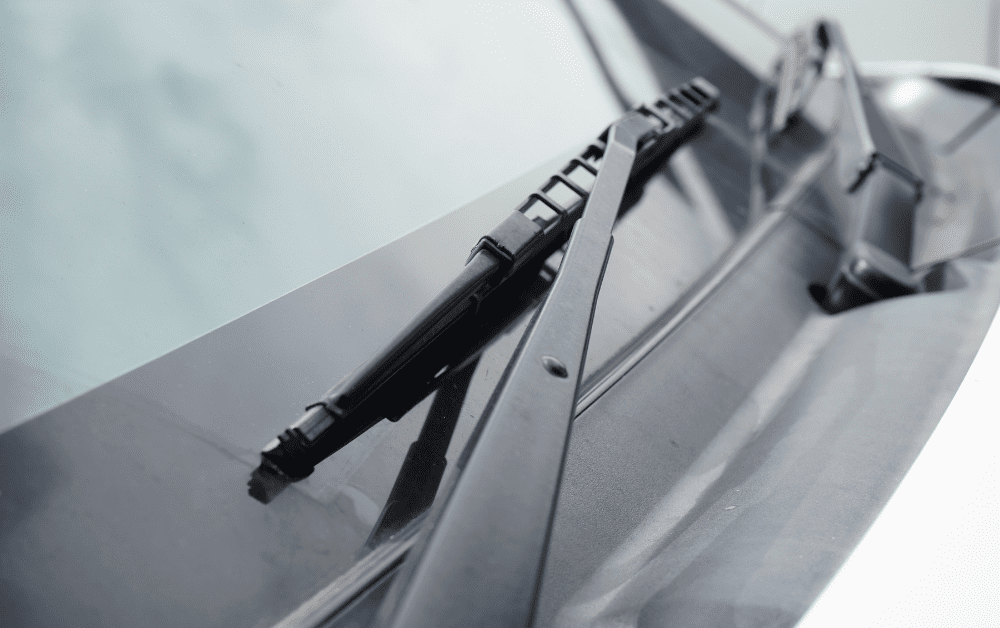
Worn-out wipers are silent culprits of scratches and streaks that weaken glass over time. Tiny fragments of sand or dust trapped under the blades act like sandpaper against the surface each time you switch them on. To prevent this, clean your wiper blades monthly and replace them every six to twelve months. High-quality blades provide smoother sweeps and less pressure on the glass, especially during heavy rain or snow.
Additionally, never operate wipers on a dry windshield. The friction can generate fine scratches that eventually lead to light refraction issues at night. Use washer fluid to lubricate the glass before wiping. Inspect the rubber edges frequently—if you see cracks, it’s time for a change. Protecting your windshield doesn’t always require major effort; sometimes, it’s as simple as maintaining the parts that touch it most often.
Park Strategically to Prevent Falling Objects
Choosing the right parking spot can mean the difference between a flawless windshield and a shattered one. Parking under trees might offer shade, but it also exposes your car to falling branches, acorns, or sap that can harden and weaken the glass. Similarly, avoid spots directly beneath construction scaffolding or in areas where loose debris might fall.
When possible, park in garages or covered lots. These provide not only protection from falling objects but also from hail and harsh sun. If you must park outdoors, consider portable car shelters or weatherproof covers during stormy conditions. A mindful parking choice requires seconds of thought but prevents the costly inconvenience of glass repair. Every environment has hidden hazards; noticing them before parking becomes a quiet yet powerful form of prevention.
Address Small Chips Before They Grow
It’s easy to ignore a tiny chip, assuming it’s harmless. Yet even a pin-sized imperfection can evolve into a spreading crack under vibration, temperature changes, or pressure. Getting professional repair immediately halts that progression. Modern resin treatments restore structural strength and clarity within minutes, often without needing a full replacement.
The sooner the repair happens, the better the results. Waiting too long allows moisture, dirt, and air to seep into the chip, complicating the fix. Check your windshield regularly, especially after long highway drives or storms. Prompt action not only saves money but also ensures your vehicle remains safe and roadworthy. In the world of windshield care, speed matters—repair today means replacement avoided tomorrow.
Manage Weather Exposure with Smart Tools
Windshields are constantly tested by nature’s moods—hail, snow, ultraviolet rays, and relentless rain. Protecting them starts with preparation. During winter, invest in a windshield cover that prevents ice buildup, sparing you from scraping that can cause scratches. In summer, UV-protective covers and interior shades block damaging sunlight that weakens the glass adhesive over time.
If you live in an area prone to hailstorms, consider portable car shelters or weather alerts that help you move your car in advance. Technology now makes it easy—many mobile apps send severe weather warnings that give you time to act. A windshield’s longevity depends heavily on environmental awareness. By using simple tools to outsmart the elements, you ensure your glass remains as strong as the day it was installed.

Drive Cautiously on Unpaved or Poor Roads
Unpaved roads, while scenic, are notorious for sending pebbles flying toward your windshield. Reducing your speed significantly minimizes the force of potential impacts. Avoid sudden acceleration or braking, both of which can throw debris higher into the air. When possible, use main roads with smoother surfaces or adjust your route to minimize time on gravel.
After traveling rough terrain, inspect your windshield for micro-damage. Early detection can save you from more serious issues later. Also, ensure your tire pressure remains within the correct range—overinflated tires tend to fling more debris outward. Driving cautiously isn’t just about safety; it’s a long-term investment in your vehicle’s condition. Your windshield reflects every journey, so keeping your route gentle on it ensures clarity mile after mile.
Clean Your Windshield Correctly and Consistently
Proper cleaning habits preserve the glass’s integrity more than most realize. Avoid household glass cleaners containing ammonia—they can damage tint films and weaken the adhesive that secures your windshield. Instead, use automotive-grade cleaners and soft microfiber cloths. Start from the top and work downward to prevent streaking.
Consistency matters more than frequency. Cleaning once a week prevents grime buildup, which can conceal small chips or scratches. Always clean under direct shade to prevent quick drying that leaves residue. A spotless windshield isn’t just aesthetic; it improves visibility and ensures you can catch early signs of damage. Good cleaning technique transforms routine maintenance into one of the best defenses against long-term wear.
Recognize When It’s Time for Professional Inspection
Even with careful habits, windshields endure constant stress. If you notice distortion, spider cracks, or uneven glare, it’s time to seek professional inspection. Technicians can assess whether your glass is still structurally sound or at risk of sudden failure. Ignoring signs of weakness can compromise your vehicle’s safety systems, especially since modern windshields support airbags and roof integrity.
Routine inspections every six months catch potential problems before they become visible. Professionals also clean and reseal areas where weather stripping might have deteriorated. While it may seem unnecessary when everything looks fine, proactive assessment ensures hidden damage doesn’t become a sudden hazard. Think of it as a wellness check for your car’s most important safety feature.
Choose Quality Glass Replacement When Needed
When damage goes beyond repair, choosing the right replacement makes all the difference. High-quality glass offers greater resistance to impact and better optical clarity than cheaper alternatives. Insist on Original Equipment Manufacturer (OEM) or equivalent-grade glass, ensuring perfect fit and long-term durability.
The installation process also matters. Experienced technicians use specialized adhesives and calibration tools to restore your car’s original safety specifications. Skipping on quality now can cost more later, especially if leaks, wind noise, or misalignment occur. Investing in the right replacement means peace of mind on every trip. In the end, your windshield is not just a piece of glass—it’s a critical barrier between you and the unpredictable world outside.
Conclusion
Preventing windshield damage requires awareness, consistency, and timely care. By adjusting driving habits, choosing safe parking spots, maintaining your wipers, and acting quickly on small chips, you can avoid costly replacements and ensure lasting visibility. Remember that prevention is always more affordable than repair, and simple daily choices make all the difference.
For expert assistance and reliable glass services, contact Vista Glass Marana in Marana at 520-999-2659 or email CSR@vistaglass.com. Their team provides professional auto glass care, ensuring every repair or replacement restores both safety and clarity to your drive.