
Your windshield does more than simply block the wind—it’s an essential safety component that protects you from debris, maintains your vehicle’s structural strength, and provides a clear view of the road ahead. Over time, however, even the strongest auto glass begins to show wear. Cracks spread, chips deepen, and clarity fades, all of which can compromise your safety. Knowing when it’s time to replace your windshield isn’t just a matter of convenience; it’s about ensuring visibility and protection every time you drive. Understanding the warning signs allows you to take action before minor damage turns into a serious hazard. From spiderweb cracks that distort your view to tiny chips that slowly creep across the glass, recognizing these signs early can save you from costly repairs and potential accidents. Let’s explore the key indicators that signal it might be time for a new windshield and what steps you should take next.
Cracks That Spread Across Your Line of Sight
Even the smallest crack can quickly become a serious problem if left unattended. Temperature changes, vibrations from daily driving, and moisture buildup can cause those fractures to expand faster than you might expect. When a crack crosses your line of sight, it does more than just annoy you—it distorts light, interferes with your vision, and makes it difficult to see clearly in certain conditions. At this point, repair is rarely enough; replacement is the only way to restore full clarity and safety.
Driving with an obstructed view is not just risky—it can also lead to fines in many areas. A compromised windshield can scatter sunlight or headlights, making glare far more dangerous at night. If you notice a crack creeping across your vision, act quickly. An expert technician can assess whether replacement is necessary and ensure the new glass meets all safety standards for your vehicle.
Small Chips That Keep Growing
A small chip might seem harmless at first, but it’s often the start of a much larger issue. These tiny pits weaken the glass, creating weak points that spread under pressure or temperature shifts. Many drivers overlook them, assuming a quick repair will suffice. However, when chips multiply or deepen, the structural integrity of the entire windshield becomes questionable.
Once a chip begins to expand, the risk of total failure increases dramatically. A sudden impact or even a rough road can send cracks branching across the glass in seconds. That’s why experts recommend inspecting and addressing chips as soon as they appear. If the damage reaches beyond the size of a quarter or occurs near the edges of the windshield, replacement is typically the safest option. A fresh installation ensures you’re protected from future spreading and restores the full strength your windshield is designed to provide.
Distortion and Hazy Glass
Windshields are meant to provide perfect optical clarity, but over time, exposure to the elements can cause subtle distortions. These may appear as wavy reflections or areas that seem slightly blurred. Haze or discoloration, particularly along the edges, can result from aging materials or poor-quality repairs. While it might seem like a minor aesthetic issue, distortion can significantly affect depth perception and visibility—especially during rain or direct sunlight.
If your windshield begins to show uneven patterns when viewed from certain angles, it’s a sign the glass is deteriorating. This can make it harder to judge distances or spot obstacles on the road, increasing your risk of an accident. Replacement restores both the clarity and structural strength of your auto glass. A new windshield not only improves your safety but also enhances the comfort and precision of your driving experience, especially during nighttime or adverse weather conditions.
Windshield Pitting from Road Debris
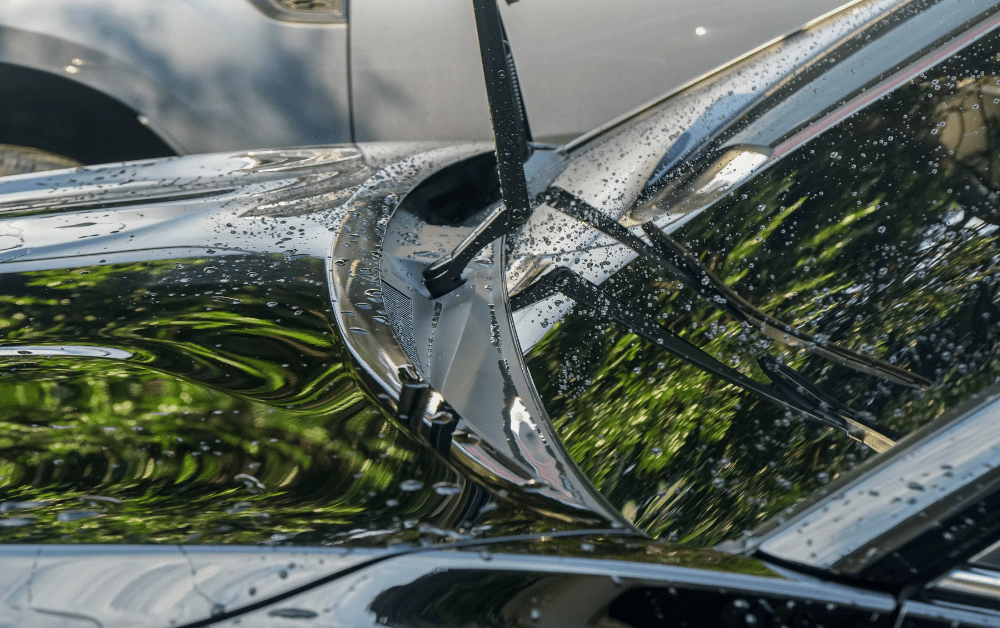
Constant exposure to highway debris can leave your windshield covered with microscopic pits and divots. Over time, these tiny imperfections scatter light and make it difficult to see clearly, particularly when driving at night. Pitting is a natural consequence of sand, gravel, and dust hitting your glass at high speeds. While a single pit might not matter, thousands of them across your windshield can create a hazy or sparkling effect under bright lights.
Unfortunately, pitted windshields can’t be effectively repaired because the damage is spread out across the entire surface. Replacement is the only reliable way to restore the transparency of your view. A new windshield brings back the crisp clarity your car originally had, improving both visibility and aesthetics. Ignoring pitting not only compromises your comfort but also your ability to react quickly to hazards on the road ahead.
Water Leaks and Wind Noise
If you begin to notice water seeping through your windshield edges during rainstorms or hear a whistling sound at high speeds, it may indicate that your windshield’s seal has failed. These problems often appear after a previous repair or impact has disturbed the adhesive bond that secures the glass to your vehicle’s frame. Beyond being irritating, leaks and wind noise suggest that your windshield is no longer properly attached—a serious safety issue during a collision.
Moisture entering through these gaps can also damage your dashboard electronics or cause mold growth. Addressing these problems promptly is essential. A qualified technician can determine if resealing is possible or if the entire windshield must be replaced. Often, the most reliable long-term solution is a full replacement, ensuring both a watertight fit and a quiet, comfortable cabin while restoring the vehicle’s original factory integrity.
Damage Near the Edges of the Windshield
Cracks or chips along the edges of the windshield pose a greater threat than those in the center. The perimeter of the glass bears much of the vehicle’s structural load, helping maintain roof stability in an accident. When damage reaches these areas, it weakens the overall bond between the glass and the frame. That’s why even small edge cracks are typically considered beyond repair.
If left untreated, these cracks can rapidly spread inward, further compromising the windshield’s strength. It’s always best to have a professional inspect any edge damage immediately. Replacement ensures your windshield retains its full load-bearing capacity and provides maximum safety. By addressing the issue early, you also prevent potential leaks, rattling, and other side effects that develop when the seal around your windshield begins to fail.
Failed Repairs and Poor-Quality Installations
Sometimes, previous repair jobs or low-quality installations can cause more harm than good. Bubbles in the adhesive, uneven glass fitting, or residue along the edges are telltale signs that the windshield wasn’t properly installed. Over time, this can lead to air leaks, moisture intrusion, or premature cracking.
A poorly repaired windshield may also fail to meet safety standards, meaning it could pop out during a collision. If you suspect that your last installation wasn’t done correctly, don’t wait until problems appear—get it re-evaluated by a trusted auto glass specialist. Replacement with a professionally installed windshield ensures your vehicle meets all safety specifications. Properly applied adhesives and alignment techniques restore the secure, airtight seal that your car was designed to have from the start.
Compromised Visibility During Night Driving
If you’ve noticed that oncoming headlights appear scattered, blurry, or create halos at night, your windshield could be the culprit. Microscopic scratches and surface wear accumulate gradually, scattering light beams and causing glare that strains your eyes. This problem becomes especially dangerous when driving through rain, as water droplets refract light even more.
Replacing an aged or worn windshield can make a surprising difference in nighttime visibility. A new glass surface allows light to pass cleanly, reducing glare and improving your ability to focus on the road. Many drivers only realize how poor their vision had become after installing a new windshield. Clear glass doesn’t just look better—it makes your driving safer and less tiring, particularly on long trips or when traveling through dimly lit areas.
Failed Windshield Defrosting or Sensor Systems
In modern vehicles, the windshield is more than just a pane of glass—it’s a key component in a complex network of technology designed to keep you safe and comfortable. Many windshields now come equipped with embedded defrosting grids, rain and light sensors, and advanced driver-assistance features such as lane-keeping alerts and collision warnings. When any of these systems start to malfunction, drivers often assume it’s a problem with wiring or software. However, the culprit is sometimes the glass itself. Microscopic damage, delamination, or improper installation can interfere with these embedded systems, disrupting communication between the sensors and your car’s onboard computer.
If you’ve noticed your defroster taking longer to clear fog, or your automatic wipers failing to activate during rain, these subtle issues could point to a deteriorating windshield. Replacing it with the proper OEM-spec glass ensures every embedded component functions as intended. The new windshield restores optimal sensor performance and visibility, allowing safety systems like lane departure and collision alerts to operate with precision. Having the replacement handled by certified professionals ensures that recalibration is done correctly, aligning all technology for maximum reliability and peace of mind on every drive.
Structural Weakness After a Collision
A collision doesn’t always leave visible cracks or shattering, yet the impact can cause hidden damage beneath the surface of the glass. Even minor accidents may strain the adhesive seal that bonds the windshield to your car’s frame, creating invisible fractures that compromise its structural strength. Because your windshield contributes significantly to roof stability and supports airbag deployment, any weakness in that bond reduces the overall protection your vehicle provides during future impacts. The danger lies in the fact that these issues aren’t immediately noticeable—they reveal themselves only when your windshield fails to perform when it matters most.
Replacing the windshield after even a seemingly minor collision is a proactive way to ensure your safety isn’t jeopardized. A new installation restores the rigid bond between glass and frame, reinforcing the structural integrity that keeps your cabin secure. It also guarantees that your airbags deploy properly and that the roof remains stable in case of a rollover. Ignoring post-collision damage might save time temporarily but can cost far more if failure occurs during another impact. Prioritizing replacement ensures your vehicle remains as safe, reliable, and resilient as the day it left the factory.
Conclusion
A damaged windshield doesn’t just affect how your car looks—it impacts how safe and secure you are behind the wheel. Whether it’s cracks spreading across your view, water leaks from poor seals, or worn surfaces distorting the light, timely replacement can make all the difference in your driving safety. Don’t wait until the damage becomes severe or compromises your visibility.For expert windshield replacement and repair services, reach out to Vista Glass Marana. They proudly serve the Marana area with top-quality materials and skilled technicians who ensure every installation meets safety standards. For appointments or inquiries, contact them at 520-999-2659 or email CSR@vistaglass.com. Your safety deserves nothing less than crystal-clear protection on every journey.