
Replacing window glass is often one of those home improvement tasks that catches people by surprise—both in timing and cost. The expenses can vary widely depending on the type of glass, the size of the window, the complexity of the installation, and even your home’s architectural design. Yet, understanding these costs upfront can save a homeowner from sudden financial headaches. The investment isn’t just about replacing a cracked pane; it’s about restoring comfort, improving energy efficiency, and maintaining your property’s safety and appearance. In a place where sunlight and temperature shifts play a major role, high-quality glass can make a visible difference. Whether it’s a single-pane repair or a full window replacement, knowing what affects the final price helps you make better choices. This guide unpacks everything you should know about window glass replacement costs and how to ensure you get lasting value for your money.
Understanding What Impacts Window Glass Replacement Costs
Window glass replacement isn’t a one-size-fits-all expense. The final cost depends on multiple factors, such as glass type, window size, and labor fees. A single-pane window may cost far less than a double-pane or tempered glass option, primarily because of material thickness and durability. The larger the pane, the more challenging the replacement process, which can drive up labor charges. Homes with custom-shaped or specialty windows often require tailor-made solutions, increasing both material and installation costs.
Additionally, energy-efficient glass—like Low-E or insulated options—tends to cost more initially but offers significant long-term savings through reduced heating and cooling bills. The location of the damage also matters; upper-floor windows can demand additional safety measures or equipment. All these variables combine to form the overall cost, making it vital to work with a trusted professional who can give a detailed, transparent estimate suited to your exact needs.
Why Energy Efficiency Plays a Major Role in Pricing
Modern homeowners increasingly prioritize energy-efficient windows, and for good reason. Energy-efficient glass replacement may seem costly at first glance, but it’s a smart investment that pays off over time. These windows are designed to minimize heat transfer, reducing the strain on your HVAC system and helping maintain consistent indoor temperatures year-round. Over time, that energy savings adds up, offsetting the initial installation cost.
Low-emissivity (Low-E) coatings, argon gas fills, and insulated glass units are common features that boost energy performance. Each of these options enhances insulation while reducing UV exposure that can fade furniture or flooring. While such technologies elevate the price compared to basic single-pane glass, the comfort and reduced energy bills make the upgrade worthwhile. For homeowners planning to stay in their properties for years, the energy-efficient route is a financially sound and environmentally responsible decision.
The Difference Between Repair and Full Replacement
Sometimes a small crack doesn’t require an entire window overhaul. The distinction between repair and replacement can drastically affect your costs. A repair typically involves resealing the existing frame, fixing minor cracks, or replacing only a section of damaged glass. This approach is quicker and cheaper, particularly if the window frame remains structurally sound.
On the other hand, full replacement becomes necessary when damage extends beyond the glass—such as rotted frames, failed seals, or outdated windows that no longer perform efficiently. Replacing the entire unit not only fixes the visible issue but also enhances insulation and longevity. While the upfront price is higher, it prevents recurring problems and future repair bills. Choosing between the two depends on the window’s condition, but consulting a professional can help determine the most cost-effective solution for your situation.
Types of Window Glass and Their Price Differences
The market offers various glass options, each influencing the total replacement cost differently. Standard single-pane glass is the most affordable but offers minimal insulation. Double-pane or insulated glass is pricier due to its layered design, which improves temperature control and soundproofing. Tempered and laminated glass provide extra safety and durability, ideal for areas prone to impact or high winds.
Decorative glass, frosted finishes, or tinted varieties can add a stylistic touch while increasing privacy. These enhancements, however, come at an additional cost. Specialty coatings like UV-blocking films or Low-E finishes add both protection and expense. Understanding these variations helps you choose a glass type that balances aesthetic appeal, performance, and price. Each choice reflects not only a design preference but also how much you value energy efficiency, safety, and longevity in your home’s windows.
How Labor and Installation Affect the Overall Price
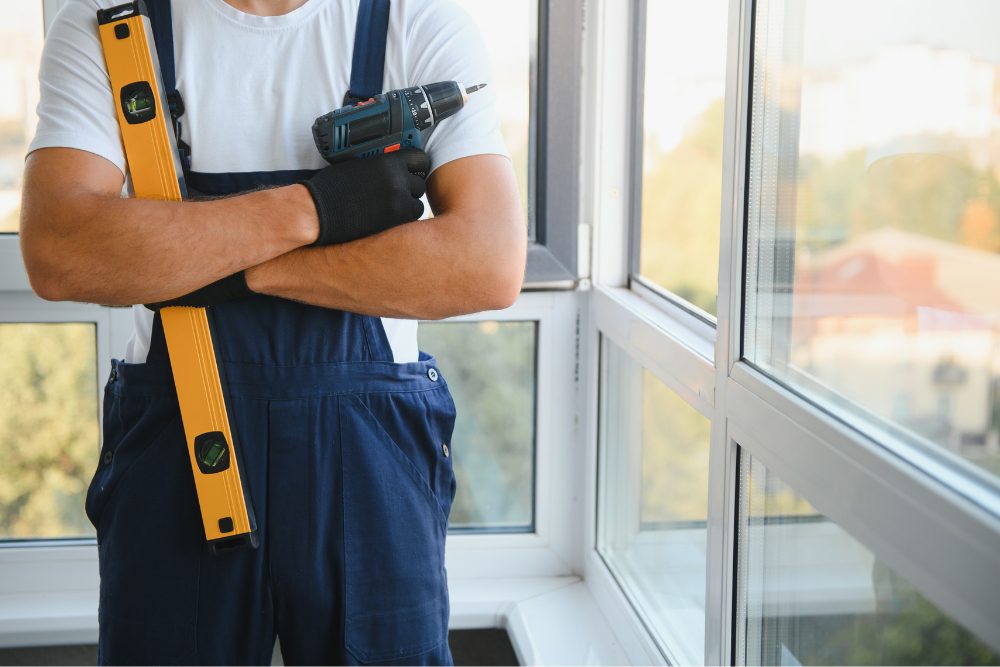
When calculating the total cost of window glass replacement, labor and installation play a much larger role than most homeowners expect. While glass and materials represent a visible expense, the skill and precision required for installation often dictate the success of the entire project. Professional installers ensure that each window is perfectly sealed and aligned, preventing long-term issues such as water leaks, air drafts, or structural shifting. Complex projects—like replacing windows on upper floors or installing oversized panes—can require scaffolding, heavy equipment, and additional safety measures. These elements naturally increase labor time and overall costs, but they are critical for ensuring safety and long-lasting results.
Attempting a do-it-yourself replacement may seem like a cost-saving shortcut, but it often leads to costly repairs down the road. Improper installation can weaken insulation, compromise energy efficiency, and even cause the glass to crack prematurely. Skilled technicians bring not just tools, but experience and technical knowledge that guarantee durability and functionality. Labor rates may vary depending on local market conditions, yet investing in professional workmanship often proves to be the wisest financial decision. The assurance of a flawless fit, backed by expertise, provides peace of mind that far outweighs the initial cost difference.
Regional Factors That Influence Window Replacement Prices
Where you live has a surprisingly strong impact on the cost of replacing window glass. Homes in regions with intense heat, frequent temperature fluctuations, or strong winds may require advanced glass options such as insulated or Low-E glass. These materials are designed to combat local weather extremes, which adds to the upfront price but saves money through improved durability and energy efficiency. Additionally, weather conditions can influence labor logistics; for instance, installations in hotter climates may require more cooling breaks or specialized adhesives that withstand extreme temperatures, subtly increasing project costs.
Beyond climate, regional economics also affect window replacement expenses. Urban areas typically have higher labor rates due to the increased cost of living, while rural locations might face extra transportation charges for materials or technicians. Building permits, local construction codes, and regional supply availability can further impact final pricing. That’s why hiring a local window replacement expert is invaluable—they understand the specific challenges and requirements of your area. Their regional knowledge ensures that the chosen glass type, installation method, and budget align with environmental realities, guaranteeing efficiency and performance that stand up to your climate’s demands.
The Long-Term Value of Quality Glass Replacement
Opting for high-quality glass replacement may seem like an expensive choice initially, but it’s an investment that yields returns over time. Premium glass not only offers enhanced energy efficiency but also improves insulation, soundproofing, and overall comfort within your home. This kind of upgrade reduces stress on heating and cooling systems, leading to noticeable drops in utility bills. Additionally, modern glass materials resist damage, discoloration, and wear far better than older or cheaper alternatives. In the long run, the reduced need for repairs and maintenance offsets the higher initial expense, providing substantial financial benefits.
Beyond energy savings, quality glass enhances the visual appeal and resale value of your property. New, clear, and well-installed windows instantly elevate a home’s exterior, making it more attractive to future buyers. In real estate, details like energy-efficient or impact-resistant windows can be a major selling point. Even if selling isn’t on your horizon, the daily comfort and peace of mind provided by durable, well-made glass are worth every dollar. When measured over time, premium window replacements pay for themselves—not only in savings but in beauty, reliability, and the assurance that your home remains protected and comfortable for years to come.
Hidden Costs You Might Not Expect
Beyond the visible expenses of materials and labor, there are subtle costs homeowners often overlook. Disposal fees for old glass or damaged frames, for example, can add up quickly. Some replacements may require frame reconstruction or insulation upgrades, especially in older homes where materials have deteriorated over time.
Additional expenses might include permits, scaffolding for multi-story installations, or even custom fabrication for irregularly shaped windows. Homeowners should also factor in potential delays or supply chain issues that could extend project timelines. These hidden costs underscore the importance of working with transparent professionals who provide detailed estimates before starting the job. Awareness of these variables prevents financial surprises and helps you plan a realistic budget from the start.
Tips for Saving Money on Window Glass Replacement
There are several strategic ways to manage costs without compromising quality. Start by comparing multiple quotes from reputable providers to ensure fair pricing. Scheduling replacements during off-peak seasons can also lead to discounted rates, as demand tends to drop during milder months.
Consider replacing several windows at once, as bulk installations often come with package deals or reduced labor fees. If your window frames are in good condition, you can save by replacing only the glass instead of the entire window. Additionally, choosing energy-efficient options may qualify you for rebates or tax credits, further offsetting costs. Smart planning and careful selection help you strike a balance between affordability and long-term value, ensuring that your investment pays off both immediately and in the years ahead.
When It’s Time to Call in the Professionals
Recognizing the right time to seek professional help can make a major difference in cost and outcome. Cracks that spread quickly, condensation between panes, or rising energy bills are clear warning signs. Attempting to fix severe damage without proper tools or expertise can worsen the problem.
Professionals not only diagnose the issue accurately but also recommend the most cost-effective solution based on your home’s needs. Their skill ensures safe handling of glass materials and precise installation that maximizes window performance. Partnering with a reputable service provider guarantees durability, clarity, and improved energy efficiency. Taking the professional route might seem costlier initially, but it ensures your replacement stands the test of time, keeping your home secure and visually appealing.
Conclusion
Window glass replacement isn’t just a home maintenance task—it’s a long-term investment in comfort, security, and value. Understanding the elements that shape pricing, from material type to labor, allows you to plan wisely and avoid hidden costs. Choosing high-quality glass and professional installation ultimately enhances your property’s performance and appearance. For reliable service, expert craftsmanship, and fair pricing, contact Vista Glass Marana in Marana at 520-999-2659 or email CSR@vistaglass.com.