
When it comes to commercial spaces, glass plays an essential role not only in appearance but also in safety, energy efficiency, and branding. Replacing damaged or outdated glass in a commercial building can seem like a complex endeavor, but understanding the process ahead of time can make everything run smoothly. A glass replacement project involves more than simply switching out panes—it’s about assessing needs, ensuring building code compliance, and maintaining daily operations during installation. This process, when done by professionals, ensures that your property remains secure and visually appealing while minimizing downtime for your business. By gaining insight into what happens during each stage, you’ll be better prepared for a seamless transition that enhances both the aesthetic and functionality of your workspace. From consultation to cleanup, each step contributes to creating a safer, more efficient, and visually striking environment for your employees and customers alike.
Planning the Commercial Glass Replacement Process
Every successful glass replacement project begins long before the first pane is lifted. It starts with thorough planning and consultation, ensuring the glass used meets your building’s needs. During this phase, experts assess the size, style, and function of the glass. They’ll also inspect existing frames and structures to determine whether repairs or upgrades are required before installation begins. What many business owners don’t realize is that even the smallest detail—like the thickness of the glass or its coating—affects insulation, clarity, and long-term durability.
Professional installers take time to coordinate scheduling to minimize disruption to daily business operations. They’ll also make safety a top priority, setting clear boundaries around work zones and preparing all necessary permits and materials in advance. This early coordination lays the foundation for a smooth installation and ensures every step meets both local safety codes and your brand’s visual goals.
Understanding Site Assessment and Measurements
Before any actual replacement occurs, a detailed site assessment takes place. Technicians visit the property to evaluate the condition of existing glass panels, frames, and support structures. They’ll measure every opening with precision, often using laser tools to ensure perfect fitment. During this phase, potential challenges like structural wear, frame warping, or surrounding surface irregularities are identified.
This step might seem simple, but it’s one of the most crucial parts of the entire project. Exact measurements eliminate gaps, air leaks, and visual distortions that could compromise energy efficiency or aesthetics later on. Additionally, technicians use this time to evaluate environmental factors such as exposure to direct sunlight, wind pressure, and thermal expansion. By addressing these issues early, they help prevent costly adjustments once installation begins, ensuring that your replacement glass will function flawlessly for years.
Selecting the Right Type of Glass for Your Business
Choosing the ideal type of glass is more than a design decision—it’s an investment in safety, performance, and brand identity. Businesses today can choose from a wide range of options, including tempered, laminated, tinted, and insulated glass. Each type offers distinct benefits. For instance, laminated glass enhances security and soundproofing, while insulated options improve energy efficiency by reducing heat transfer.
The selection process also includes discussions about tinting levels, reflectivity, and coatings that block UV rays. Professionals will guide you toward the most suitable materials for your building’s specific needs. Whether your property features expansive storefront windows or interior glass partitions, the right selection ensures that your investment aligns with both your operational goals and the overall design of your commercial space. A tailored approach ensures long-term satisfaction, blending functionality with modern visual appeal.
Preparing Your Property for Installation
Before technicians arrive to begin replacement, preparation is key. This step involves securing the work area and moving any sensitive or valuable items away from installation zones. Clear access paths allow workers to safely transport large glass panels without risk of damage. In office settings, this might mean temporarily relocating desks or setting up protective barriers.
Installers may also cover nearby surfaces to shield them from dust or debris. In commercial storefronts, safety signage and temporary partitions may be placed to maintain customer safety while keeping your business operational. Preparation minimizes disruptions and ensures installers can work efficiently. By cooperating closely with the glass company during this stage, you help streamline the project timeline while reducing risks to both people and property.
The Day of Installation What Really Happens
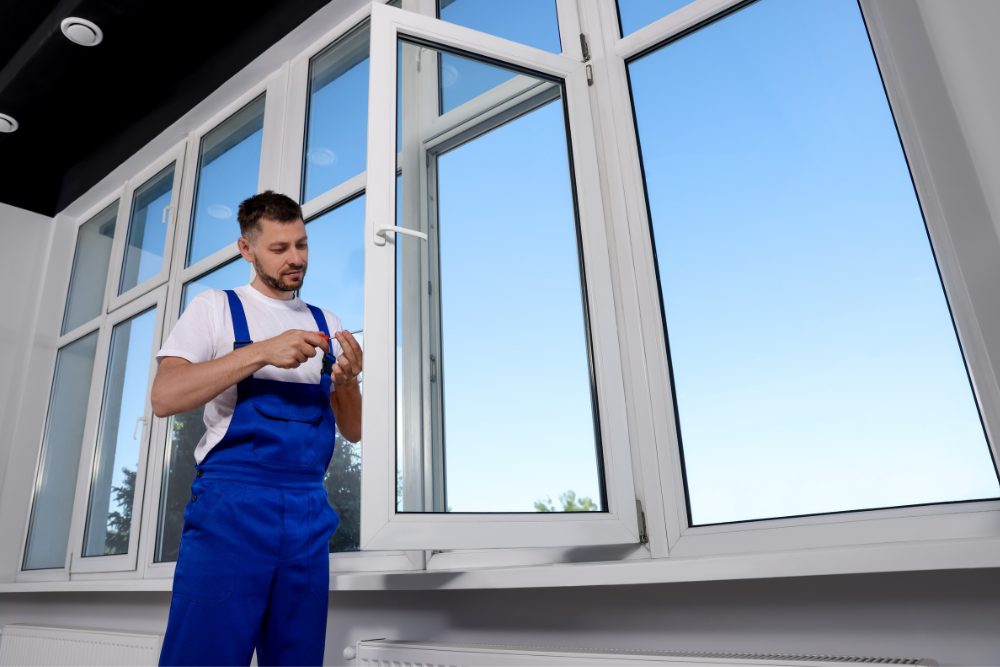
Once the preparation phase is complete, the actual installation begins. Skilled technicians will carefully remove damaged or outdated glass, taking special care to avoid disturbing surrounding structures. Using specialized tools, they’ll detach old glazing materials, clean the frames, and prepare them for new fittings.
Afterward, the replacement glass is precisely set into place and sealed using professional-grade compounds to ensure a tight, secure fit. During this process, alignment and clarity are meticulously checked to ensure visual uniformity. Depending on the complexity of the project, installation may take a few hours to several days. Throughout, safety remains the top priority—workers use harnesses, lifts, and suction equipment for large panels. The process may seem technical, but in skilled hands, it becomes a seamless, choreographed operation that restores the beauty and integrity of your property.
Ensuring Safety and Compliance Standards
One of the most vital yet overlooked aspects of a commercial glass replacement project involves strict adherence to safety and building codes. Professional installers are trained to follow regional and national regulations to ensure all materials meet safety certifications. This not only prevents potential accidents but also protects business owners from liability issues.
Modern commercial glass systems are designed with durability and safety in mind. Tempered and laminated options, for instance, minimize injury risk if breakage occurs. Moreover, adherence to energy and environmental standards ensures that your building maintains compliance with local sustainability regulations. Professionals take care of every documentation detail, giving you peace of mind that your investment aligns with safety and performance standards. Compliance isn’t just a box to check—it’s a cornerstone of maintaining your property’s integrity and value.
Handling Unexpected Challenges During Replacement
Even with careful planning, surprises can arise. Structural issues hidden behind old frames, unexpected weather changes, or supply delays can impact project timelines. However, seasoned professionals are trained to adapt quickly and efficiently. They evaluate each situation on-site and develop immediate solutions that maintain quality without compromising safety.
For example, if weather conditions suddenly turn unfavorable, installers may adjust schedules to prevent moisture exposure or surface damage. In some cases, temporary glass may be used to maintain building security until final installation resumes. These adaptive measures ensure that your property remains protected while minimizing disruptions. It’s this proactive approach that separates experienced contractors from inexperienced ones—the ability to foresee potential complications and act with precision when they occur.
Final Inspection and Finishing Touches
Once the new glass is installed, a final inspection ensures everything meets quality standards. Installers check for alignment, proper sealing, and flawless surface finishes. They also ensure that no drafts, gaps, or residues remain. During this phase, technicians will remove all debris and restore the workspace to its original condition, leaving your commercial property clean and ready for use.
Finishing touches often involve reapplying trim or moldings, polishing the glass, and conducting post-installation testing. The goal is perfection—not just functionality but also visual harmony. With professional craftsmanship, your new glass becomes indistinguishable from the building’s original aesthetic, enhancing the property’s overall appeal and creating a polished impression for anyone who walks through your doors.
Maintaining Your New Glass for Longevity
After installation, maintenance becomes crucial to protecting your investment. Commercial glass requires periodic cleaning and inspection to ensure lasting performance. Avoid using abrasive cleaners or materials that could damage coatings. Instead, opt for professional cleaning solutions designed specifically for architectural glass.
It’s also important to schedule regular checkups to ensure seals, frames, and fittings remain in top condition. Temperature changes and environmental exposure can slowly impact structural integrity, so proactive maintenance extends the life of your glass and maintains its visual brilliance. By following a consistent maintenance plan, your new installations will retain clarity, energy efficiency, and structural integrity for many years.
Why Professional Expertise Matters in Glass Replacement
Attempting to replace commercial glass without professional help can lead to serious safety risks and costly mistakes. Expert installers bring years of training and specialized tools to handle every aspect of the job safely and efficiently. Their experience allows them to anticipate potential problems before they arise, ensuring your project stays on schedule and within budget.
Professional glass services also come with warranties and quality assurances that protect your investment long after installation. This means you’re not just paying for new glass—you’re investing in the craftsmanship and reliability that safeguard your business space. By choosing a reputable company, you gain confidence knowing that your building’s safety, appearance, and compliance are in expert hands.
The Environmental Benefits of Modern Commercial Glass
Modern glass technology does more than improve aesthetics—it contributes to energy efficiency and environmental sustainability. Upgrading outdated glass can drastically reduce heating and cooling costs by improving insulation and minimizing heat loss. Energy-efficient coatings reflect sunlight while keeping interiors bright and comfortable.
Additionally, eco-conscious glass options help reduce your company’s carbon footprint. Some advanced glazing systems even integrate solar control technology, further enhancing energy performance. By replacing outdated glass with modern solutions, businesses demonstrate environmental responsibility while enjoying lower energy bills and improved interior comfort. The result is a workplace that’s not only functional and attractive but also environmentally aligned with modern sustainability goals.
Conclusion
A commercial glass replacement project may seem intricate, but with professional guidance and preparation, it becomes a smooth and rewarding process. From initial consultation to post-installation maintenance, every stage contributes to the safety, efficiency, and aesthetics of your building. Proper planning, expert craftsmanship, and adherence to safety standards ensure long-lasting results that enhance both functionality and appeal.For dependable service and expert care, reach out to Vista Glass Marana. Located in Marana, they specialize in providing top-quality commercial glass solutions that meet modern standards of durability and style. For more information or to schedule your consultation, call 520-999-2659 or email CSR@vistaglass.com.