
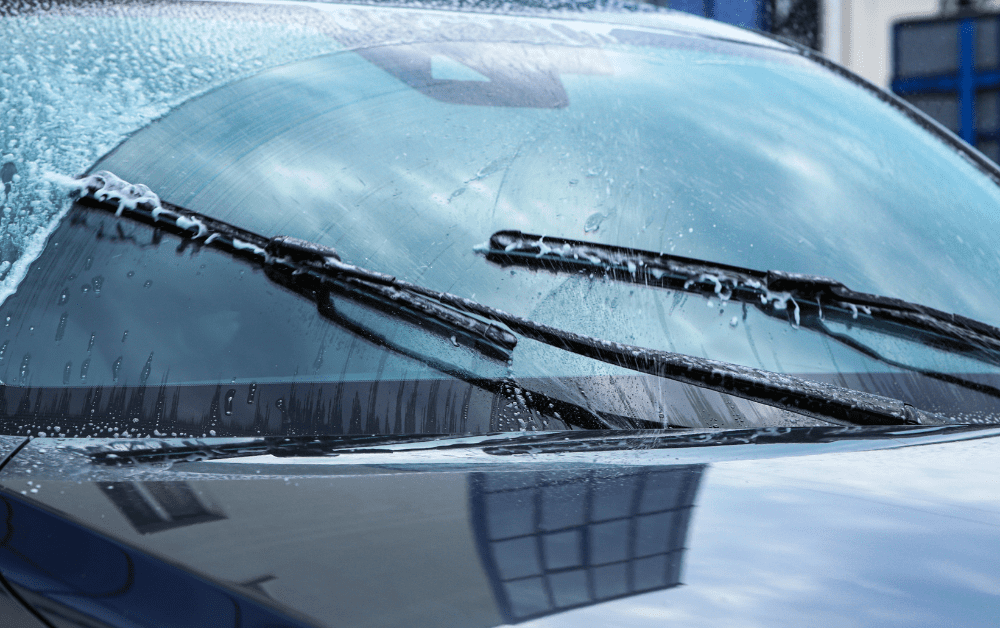
Windshield replacement may seem like a simple glass swap, but it’s a precise process that blends craftsmanship, technology, and safety expertise. Modern windshields are designed to do more than shield drivers from wind and debris—they form part of a vehicle’s structural integrity and even support airbag deployment. When damage spreads beyond repair, replacing a windshield becomes not just a cosmetic fix but a critical safety measure. Understanding how professionals handle this job helps car owners appreciate the importance of expert installation. The process involves assessment, careful removal, surface preparation, and flawless fitting, all of which must meet strict industry standards. Each step is crucial to ensure durability, clarity, and passenger protection. By exploring how it all works, we can see that windshield replacement is not merely maintenance—it’s precision engineering on glass, ensuring both comfort and safety on every drive.
The Science Behind Windshield Construction
Automotive glass is not ordinary glass. It’s crafted using laminated safety technology—a fusion of two sheets of glass bonded with a thin polyvinyl butyral (PVB) layer. This middle layer keeps the glass intact even when cracked, preventing dangerous shards from flying into the cabin. The science ensures maximum strength and optical clarity while maintaining flexibility against impacts. Engineers design windshields to distribute force evenly, reducing the risk of total collapse during collisions.
Beyond protection, this advanced construction also contributes to noise reduction and improved temperature regulation inside the car. UV filtering properties are often built in, shielding occupants from harmful sun exposure. This technological sophistication shows why replacing a windshield requires precision. Each vehicle model demands exact glass curvature and thickness for safety compliance. A single misalignment or low-quality replacement can compromise a car’s safety rating, highlighting why trained professionals are essential for the task.
Why Timing Matters for Windshield Replacement
Time plays a bigger role than most people realize. A small chip left unattended can spread rapidly due to temperature shifts or vibrations from driving. Once a crack extends beyond a few inches, replacement becomes unavoidable. Acting quickly prevents further structural compromise and keeps repair costs manageable. The longer damage remains, the higher the chance of affecting surrounding components, such as sensors or the vehicle’s frame.
Moreover, the adhesives used in windshield replacement need adequate curing time. After installation, the glass requires several hours before the car can be safely driven. This curing period ensures the urethane seal fully hardens, restoring the vehicle’s original strength. Rushing this stage risks leaks, wind noise, or even glass detachment during sudden stops. Professional technicians carefully monitor every phase, balancing efficiency with safety. Timing, therefore, isn’t just about convenience—it’s about ensuring the windshield bonds securely for long-term reliability.
The Initial Assessment Process
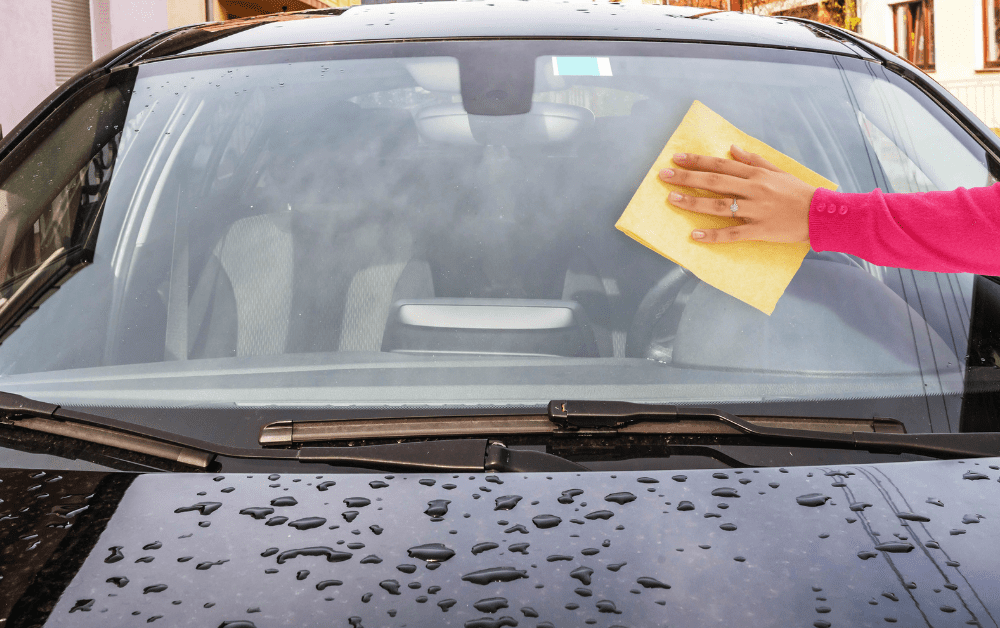
Before any replacement begins, experts start with a detailed inspection. They assess the size, depth, and position of the damage to determine whether a repair or full replacement is necessary. Not all cracks require an entirely new windshield; some smaller ones can be filled and sealed effectively. However, if the damage obstructs the driver’s line of sight or extends to the edges, replacement becomes mandatory.
Technicians also evaluate surrounding factors like sensor placement, moldings, and frame condition. Modern vehicles integrate advanced driver-assistance systems (ADAS) within the glass, such as rain sensors and cameras. These features must be recalibrated after installation to ensure proper functionality. This meticulous assessment ensures the right materials, adhesives, and tools are chosen for the specific make and model. Skipping this step could lead to improper sealing or technological issues, emphasizing why professional evaluation remains the first and most vital stage.
Step-by-Step Removal of the Damaged Windshield
Removing a windshield is an intricate operation that demands specialized tools. Technicians first remove wipers, trims, and any attached components. Then, they use wire or powered cutting devices to separate the glass from its adhesive seal. Every movement must be controlled to avoid damaging the vehicle’s paint or body frame. The old adhesive is carefully stripped away to create a clean surface for bonding the new windshield.
This process isn’t rushed. A clean, smooth edge is critical for proper adhesion. Residual debris or uneven surfaces can cause air leaks or misalignment later on. Technicians often wear protective gear and use suction cups to safely lift and dispose of the old glass. It’s an organized sequence that combines safety, skill, and precision. What might seem straightforward from the outside is actually a carefully choreographed process ensuring the next steps proceed flawlessly.
The Importance of Proper Adhesive Application
Adhesive is the silent hero in windshield replacement. Modern urethane sealants are designed to bond the glass securely to the car’s frame, providing both stability and waterproofing. Technicians heat and apply this adhesive in precise amounts, ensuring even distribution along the frame. Too much or too little can affect sealing integrity or visibility.
Temperature and humidity also influence adhesive behavior, which is why professionals adjust their methods based on environmental conditions. Once applied, the new windshield is set firmly into place, aligning perfectly with the car’s contours. Proper adhesion ensures the windshield becomes part of the vehicle’s structure again, ready to withstand pressure and vibration. Every bead of adhesive acts like a lifeline—keeping the glass fixed through storms, potholes, and high-speed travel. It’s one of those unseen details that separates professional craftsmanship from quick fixes.
The Installation and Alignment Phase
Once the adhesive is in place, the new windshield is positioned with extreme care. Precision alignment ensures even pressure across all edges, avoiding stress points that could lead to cracks later. Suction tools and alignment guides help technicians lower the glass perfectly into the prepared frame. Every movement must synchronize with the curing adhesive’s timing, making this phase a delicate balance of speed and accuracy.
The windshield’s alignment also affects the performance of sensors and cameras used in modern safety systems. Slight misplacement could disrupt lane detection or automatic braking functions. Professionals double-check every angle and test-fit components to guarantee everything matches manufacturer specifications. This meticulous alignment not only ensures safety but also maintains the car’s aesthetic finish—restoring it to factory condition. The precision required in this stage demonstrates why windshield replacement is truly both a science and an art.
Calibration of Modern Vehicle Systems
Today’s cars often feature cameras and radar sensors integrated directly into the windshield. After replacement, these must be recalibrated to restore accurate readings. Calibration ensures driver-assistance technologies like lane-keeping, adaptive cruise control, and automatic emergency braking function correctly. A minor misalignment can distort perception data, leading to potential safety hazards.
Technicians use specialized software and alignment targets to recalibrate these systems to factory settings. This process can be static, dynamic, or a combination of both, depending on the vehicle model. It’s a crucial step often overlooked by inexperienced installers. Without proper recalibration, the vehicle’s safety systems could malfunction, compromising performance. By combining traditional craftsmanship with digital precision, professionals ensure the new windshield integrates seamlessly into the vehicle’s technological ecosystem. The fusion of old-school technique and modern calibration defines today’s advanced auto glass service standards.
Post-Installation Care and Maintenance
After installation, the job isn’t finished. The curing adhesive needs protection from external forces. Drivers are advised to avoid car washes, slamming doors, or removing retention tape for at least 24 hours. These small precautions prevent premature pressure that could disturb the seal. Temperature fluctuations can also affect curing, so vehicles should ideally remain in moderate environments during this time.
Technicians usually provide clear care instructions to ensure the windshield bonds properly. Even something as simple as cleaning must be handled with care—no ammonia-based cleaners or abrasive cloths during the first few days. Once cured, routine maintenance is minimal, but regular inspections help detect early signs of wear. Proper post-installation habits protect the investment and guarantee optimal performance. Like any high-quality repair, a bit of patience ensures a long-lasting, crystal-clear view of the road ahead.
Environmental and Safety Considerations
Windshield replacement is not only about convenience—it’s about sustainability and safety. Reputable companies responsibly recycle old glass and adhesives to minimize environmental impact. Some materials are even repurposed into fiberglass insulation or other industrial products. Reducing waste ensures that safety doesn’t come at the cost of ecological harm.
From a safety perspective, professional standards dictate that every installation meets federal and manufacturer requirements. Properly installed windshields play a pivotal role in airbag deployment, rollover protection, and cabin integrity during accidents. They also maintain the vehicle’s aerodynamic balance. By combining eco-conscious practices with strict safety compliance, professionals ensure that each replacement supports both human and environmental well-being. It’s a reflection of craftsmanship that extends beyond the vehicle—one that values sustainability as much as safety itself.
Choosing a Reliable Auto Glass Service
Finding the right service provider can make all the difference. Quality windshield replacement relies on certified technicians, premium materials, and adherence to safety regulations. Look for companies that emphasize training, use OEM-grade glass, and guarantee their work. Transparent pricing and clear timelines also indicate professionalism. It’s worth researching local businesses that combine experience with modern equipment for flawless results.
A trustworthy shop doesn’t cut corners. They prioritize accuracy over speed, ensuring the adhesive cures fully and sensors are recalibrated properly. Customers should feel confident that the replacement meets or exceeds original manufacturer standards. The peace of mind that comes from knowing your windshield was installed correctly is invaluable. Choosing reliability is more than a service decision—it’s an investment in safety, quality, and confidence on the road.
Conclusion
Windshield replacement is a complex process that intertwines technology, precision, and safety. From initial inspection to final calibration, every stage demands expertise and attention to detail. A properly installed windshield not only restores clarity but also safeguards the entire vehicle structure. Whether addressing damage from debris or ensuring compliance with modern safety systems, professional service remains the gold standard.
For those seeking trusted craftsmanship in Marana, Vista Glass Marana provides expert windshield replacement and repair services. Their commitment to quality ensures every vehicle leaves the shop road-ready and secure. For more information or to schedule service, contact Vista Glass Marana at 520-999-2659 or email CSR@vistaglass.com.